The vibrant urban landscape of the city center is a bustling hub of commerce, hospitality, and high-density living. However, this intricate architectural density creates an ideal environment for unwanted biological intruders. Navigating property maintenance in Central Auckland requires a deep understanding of the region’s unique environmental pressures. From towering apartment blocks to leafy heritage suburbs, the subtropical climate accelerates pest breeding cycles year-round.
As global temperatures shift, urban ecosystems are experiencing unprecedented changes in insect and rodent behavior. Traditional methods of seasonal management are no longer sufficient to protect homes and businesses. Modern eradication requires a scientific approach that addresses both interior infestations and exterior yard vulnerabilities. Understanding these dynamics is the first step toward reclaiming your property and ensuring long-term biosecurity.
Key Takeaways
Effective pest control in Central Auckland requires tailored strategies to combat urban rodents, German cockroaches, and bed bugs. The region’s warming subtropical climate has extended pest breeding seasons, making professional indoor eradication and proactive yard management essential for protecting both heritage homes and high-density commercial properties.
The Unique Pest Landscape of Central Auckland
The architectural diversity of the inner city creates distinctly different habitats for invasive species. Pests exploit the structural weaknesses of both modern high-rises and century-old villas. This requires a highly localized approach to environmental management.
Auckland CBD: High-Density Living and Commercial Hubs
In the heart of the city, shared walls, complex plumbing networks, and refuse chutes serve as superhighways for insects and rodents. German cockroaches are particularly problematic in the hospitality sectors due to their rapid reproductive rates. A single female can carry up to 40 eggs, leading to exponential population growth if left unchecked.
Bed bugs also thrive in these dense residential zones, frequently hitchhiking through international travel and high tenant turnover. Commercial properties throughout Central Auckland must maintain rigorous monitoring programs to prevent these pests from migrating between adjacent units [1].
Ponsonby and Parnell: Heritage Homes and Leafy Suburbs
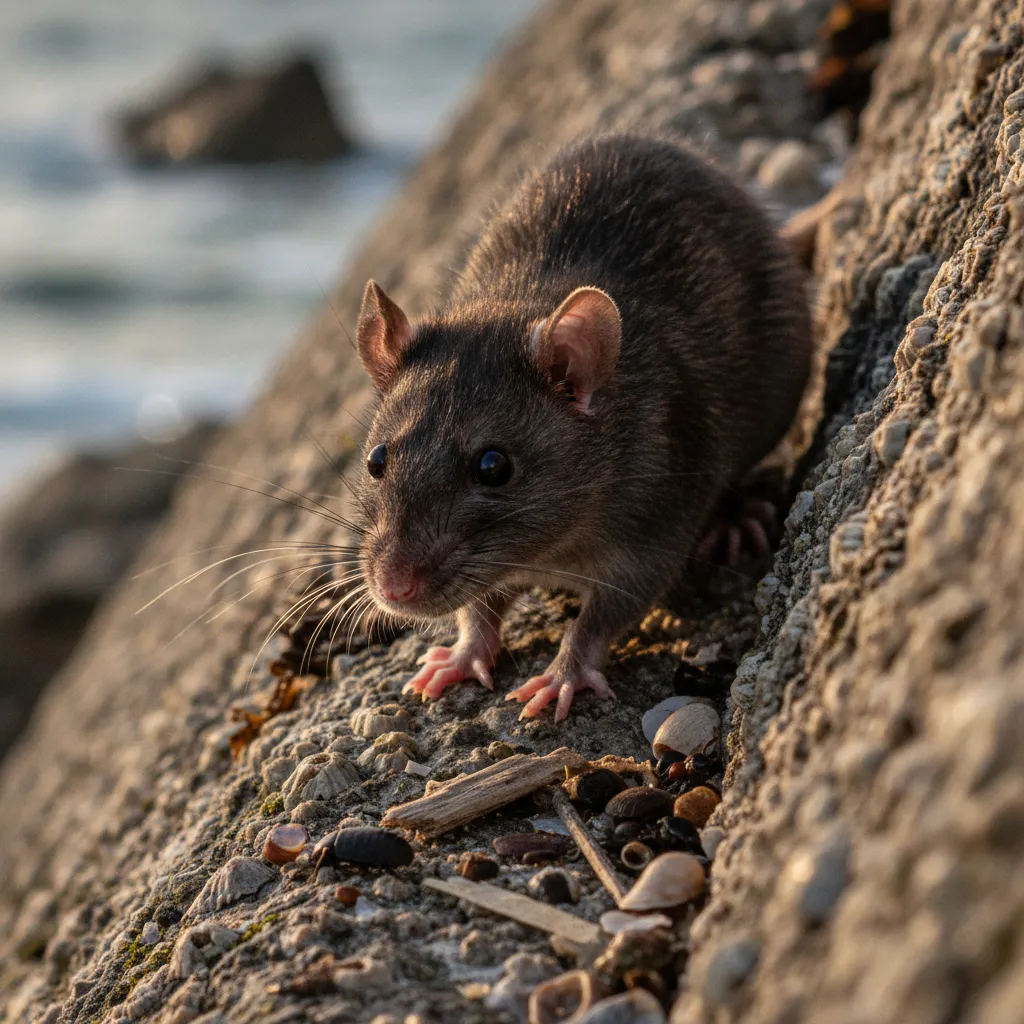
Moving outward into the heritage suburbs of Central Auckland, the challenges shift dramatically. Ponsonby and Parnell are characterized by older timber structures, spacious subfloor voids, and established gardens. Roof rats (also known as black rats) frequently invade attic spaces seeking shelter from the rain.
These older homes often feature deteriorating weatherboards and compromised foundation vents, offering easy access points. Additionally, the lush vegetation in these areas supports large populations of Argentine ants and outdoor spiders, which inevitably make their way indoors during extreme weather events.
Analyzing the Most Common Urban Pests
To effectively manage property biosecurity, it is crucial to understand the specific species dominating the urban landscape. Data collected from regional service calls highlights a clear hierarchy of nuisance pests. Rodents and cockroaches consistently rank at the top of the list.
The dominance of these pests is directly linked to the availability of food waste and structural harborages. Understanding their biology is essential for implementing targeted eradication protocols. The primary offenders include:
- Rodents (Rattus rattus and Rattus norvegicus): Roof rats prefer high elevations like attics, while Norway rats burrow in garden beds and subfloors. Both species cause severe structural damage by gnawing on electrical wiring.
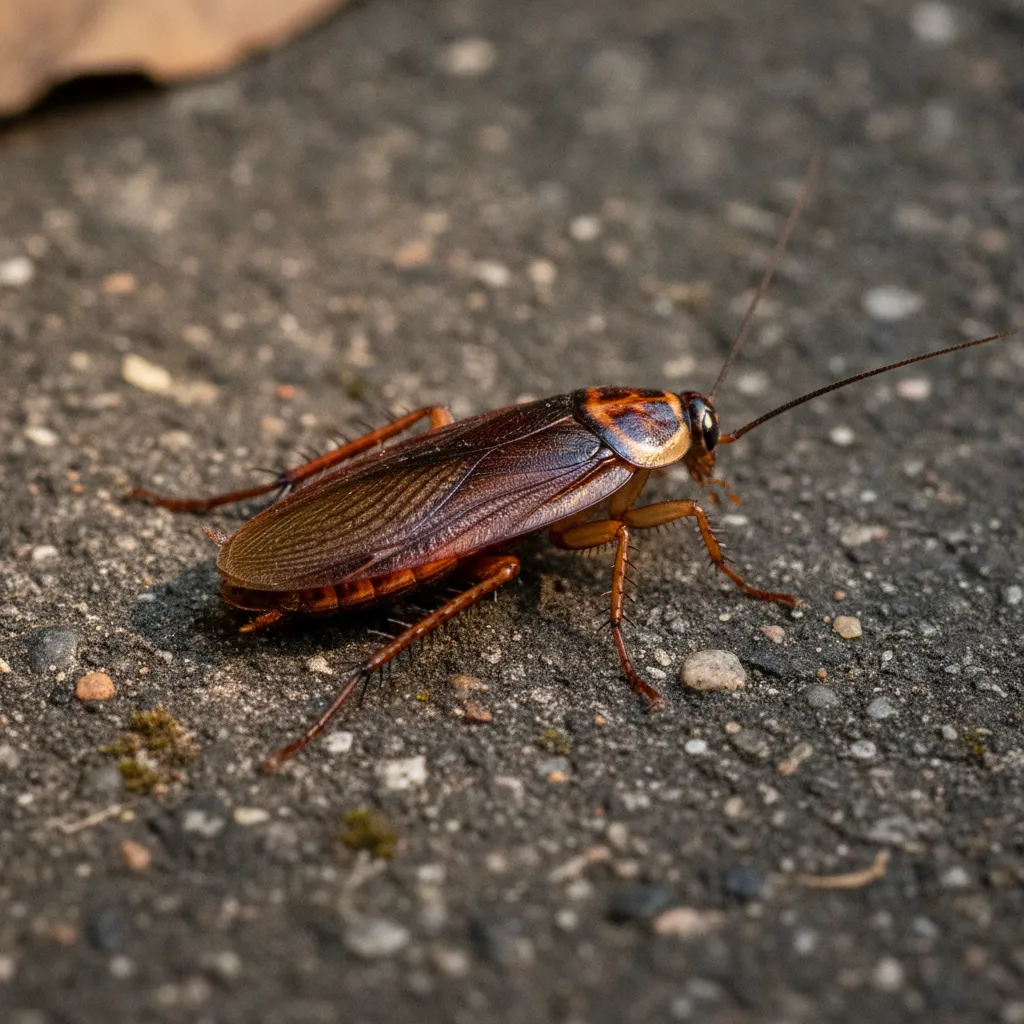
- German Cockroaches (Blattella germanica): These indoor specialists are heavily reliant on human habitats. They congregate in warm, humid areas like kitchens and commercial dishwashing stations.
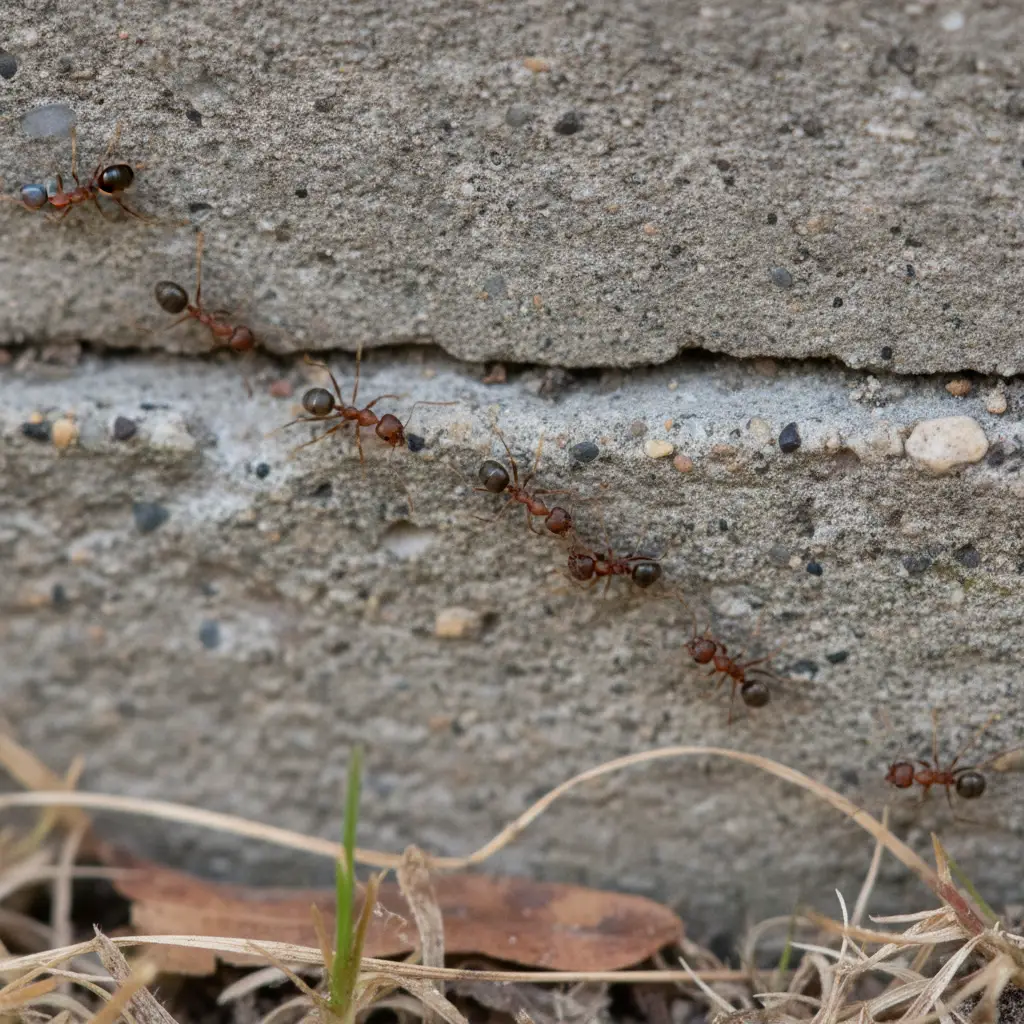
- Argentine Ants (Linepithema humile): An invasive species that forms massive supercolonies across property lines. They are notoriously difficult to eradicate because treating a single yard often pushes them into a neighbor’s property.
- Bed Bugs (Cimex lectularius): Nocturnal parasites that hide in mattress seams and bed frames. They require specialized heat or chemical treatments for complete removal.
Why Choose Professional Yard Services for Exterior Protection
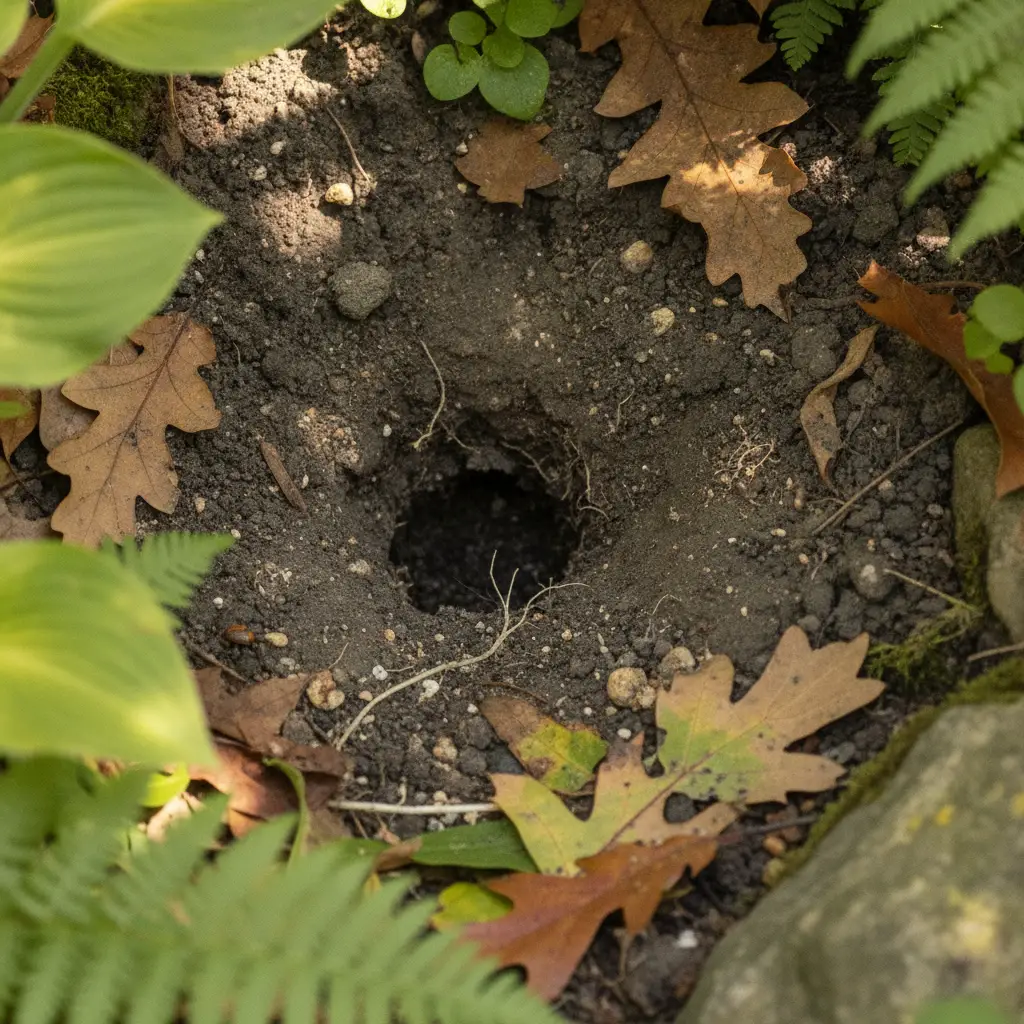
Interior pest problems almost always originate from the exterior environment. Comprehensive yard services focus on creating a defensive perimeter around the property. This involves managing vegetation, eliminating standing water, and treating soil-based nesting sites.
Overgrown shrubs touching the exterior walls act as natural bridges for ants and rodents to bypass ground-level chemical barriers. Professional yard management identifies and neutralizes these environmental bridges. Invasive pest plants, such as Moth Plant and Tradescantia, also provide dense ground cover that harbors massive insect populations [2].
Keep all tree branches and thick vegetation trimmed at least one meter away from the roofline and exterior walls to prevent roof rats and ants from bypassing ground treatments.
Furthermore, poorly drained garden beds and blocked gutters create micro-pools of stagnant water. These become prime breeding grounds for urban mosquitoes during the humid summer months. Addressing these landscaping vulnerabilities is a critical component of Integrated Pest Management (IPM).
Key Metrics and Essential Standards for Eradication
Achieving a truly pest-free environment requires adherence to strict industry standards. The Auckland Council’s Regional Pest Management Plan outlines specific compliance metrics for protecting local biodiversity. Professional technicians operate under these stringent guidelines to ensure treatments are both effective and ecologically responsible.
Relying on over-the-counter DIY sprays often results in temporary suppression rather than true eradication. These consumer-grade products typically repel insects, pushing them deeper into wall cavities where they continue to breed unseen.
Using generic repellent sprays on ant trails can cause the colony to ‘bud’ or splinter into multiple new colonies, making the infestation significantly worse over time.
| Management Metric | Standard DIY Methods | Professional IPM Standards |
|---|---|---|
| Chemical Application | Broad-spectrum surface sprays | Targeted non-repellent baits & insect growth regulators |
| Root Cause Analysis | Rarely performed | Comprehensive structural & environmental audits |
| Rodent Control | Unsecured snap traps & hardware store baits | Tamper-proof bait stations mapped to activity zones |
| Longevity | 1 to 3 weeks of residual protection | 3 to 6 months of active molecular defense |
Commercial food premises must adhere to strict health and safety metrics, requiring documented pest management logs to pass local council hygiene inspections.
Navigating Service Bookings and Quotations
Procuring professional intervention begins with a detailed environmental assessment. A qualified technician will visually inspect the property to identify entry points, nesting sites, and the specific species involved. This diagnostic phase is critical for formulating an accurate quotation.
Following the inspection, a customized treatment plan is developed. This plan outlines the exact methodologies, chemical formulations, and physical exclusion tactics required for the property. Transparency in this process ensures that property owners understand the scope of work and the expected timeline for complete eradication.
Before a scheduled treatment, ensure all loose food items are sealed, floors are vacuumed, and clutter is removed from the perimeter of the rooms to allow technicians full access to skirting boards.
The Impact of Climate on Pest Trends
The science behind urban pest proliferation is deeply tied to meteorology. Research from the University of Auckland highlights how unseasonal weather and warming winters are fundamentally altering local ecosystems. Without prolonged periods of freezing temperatures, insects do not enter their natural dormancy states [3].
Professor Cate Macinnis-Ng’s research indicates that milder winters allow exotic pests from warmer climates to survive and establish footholds in the region. This lack of a winter ‘die-off’ means that spring populations start from a much higher baseline, leading to severe summer infestations.
Furthermore, the increased humidity associated with these climate shifts provides the perfect ambient moisture required by cockroaches and mosquitoes to thrive. Adapting residential pest control solutions in Central Auckland to these changing climate realities is now a mandatory aspect of modern property management.