
Right now, it is May 2026, and Auckland is dealing with a massive autumn pest surge. Rats and cockroaches are pushing indoors fast, fleeing the dropping temperatures after last year’s scorcher of a summer.
Because property owners are panicking, every bloke with a ute and a backpack sprayer is suddenly slapping a green leaf logo on his van. They claim their treatments are “100% natural” or “safe for everything.”
I have been auditing roof cavities and commercial kitchens across this city for years, and I can tell you plainly: most of it is nonsense. The industry is rife with marketing spin designed to separate you from your money while hiding cheap, reactive chemicals.
If you want to protect your home or business without being taken for a ride, you need to understand how to spot the fakes. It comes down to demanding legal proof, not just trusting a glossy brochure.
Key Takeaways
Avoiding greenwashing pest control nz means demanding scientific transparency. True eco-friendly pest management relies on structural exclusion and non-toxic monitoring under the Food Act 2014. Always ask for Safety Data Sheets (SDS) and ensure your technician holds a Level 3 Urban Pest Management certification to handle ecotoxic substances legally.
What Does ‘Eco-Friendly’ Actually Mean Legally?
In New Zealand, you cannot just throw chemicals around and call it a day. The legislation governing chemical application is unforgiving, and rightly so.
Under the EPA HPC Notice 2017 and the HSNO Act 1996, handling professional-grade pesticides is not a free-for-all. Anyone applying Class 9 ecotoxic substances must be a legally Qualified UPM Contractor.
When a company claims to be “eco-friendly,” that should mean they are actively minimising the use of these restricted substances. It means relying on structural exclusion first—finding the hole where the rats get in and sealing it tight.
True environmental protection also aligns with the Auckland Regional Pest Management Plan (RPMP). It is about protecting native birds in Titirangi from invasive predators, not just spraying a “green” aerosol in a residential kitchen.
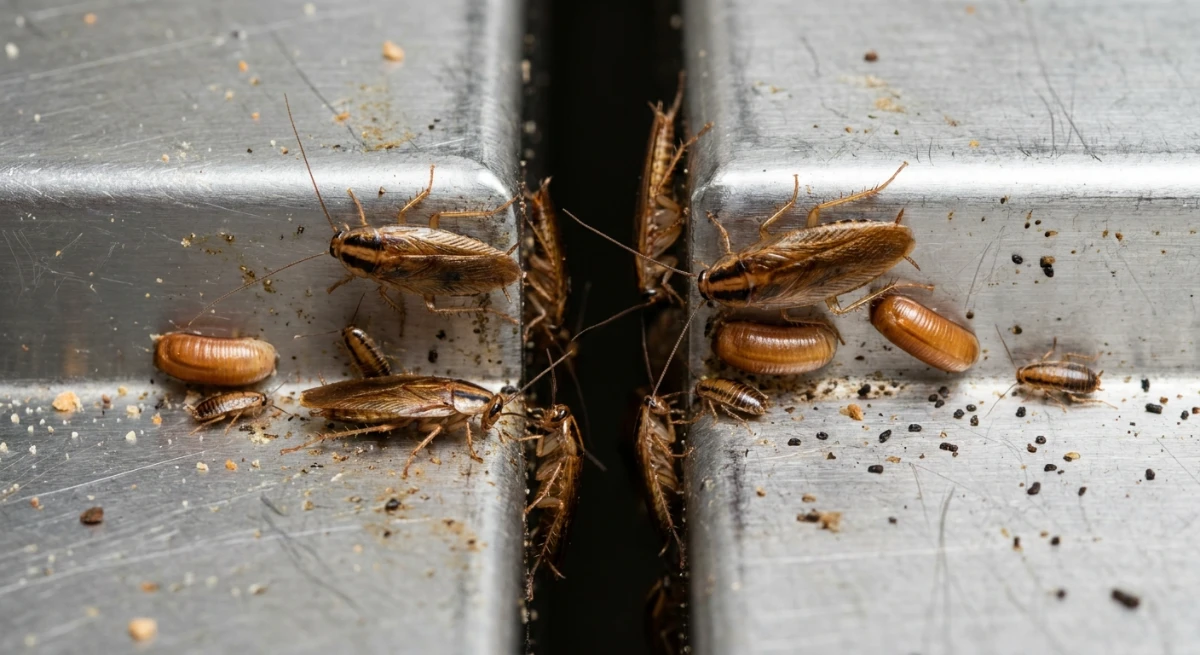
How Competitors Misuse Buzzwords Without Providing Safety Data Sheets (SDS)
The biggest red flag in this industry is a technician who refuses to tell you exactly what is in their tank. That is the very definition of greenwashing pest control nz.
They will use words like “botanical” or “biodegradable” to make you feel safe. But if you ask for the Safety Data Sheet (SDS) for the product, they suddenly get defensive or change the subject entirely.
An SDS is a legally required document that details exactly what chemical is being used, its toxicity, and its environmental hazards. If they will not show it to you, they are likely spraying cheap synthetic pyrethroids and hoping you do not notice.
Without an SDS, you have no idea what is settling onto your kitchen benches or sinking into your carpets. You are completely in the dark regarding the health risks to your family and pets.
Hardware store bug bombs and cheap “natural” sprays often fail to reach the nest. You end up spraying more chemicals, more often, exposing your family while the pests simply return a week later.
The Regulatory Reality: Animal Welfare and Food Acts
Greenwashing does not just apply to chemical sprays; it also applies to trapping and commercial compliance. Many operators claim to use “humane” methods without actually following the law.
New Zealand has stringent regulations for a reason. Under the Animal Welfare Act 1999, if you are using live-capture traps, they must be physically inspected within 12 hours after sunrise every single day.
There are no exceptions to this rule. Furthermore, glue boards for rodents are heavily restricted and generally illegal for standard public use because they are inherently cruel.
In the commercial sector, the Food Act 2014 dictates how we manage pests in hospitality. You simply cannot use toxic rodenticide bait inside sensitive food preparation zones.
MPI auditors will immediately fail a commercial kitchen if they find toxic bait stations near food prep areas. True eco-friendly commercial kitchen pest management requires non-toxic digital monitoring.
Questions to Ask Your Pest Controller Before Hiring
You need to take control of the conversation before you let anyone into your home or business. Do not let them dictate the terms with slick marketing and vague promises.
Start by asking hard, specific questions. A legitimate operator will welcome the scrutiny because it proves they know what they are doing.
If they hesitate, or if they give you a vague “do not worry, it is safe” answer, show them the door immediately. Here is exactly what you should be asking.
- Will you provide a full Safety Data Sheet (SDS) before starting any chemical work?
- Are your technicians actively holding a Level 3 Urban Pest Management qualification?
- Do you focus on structural exclusion, or do you just spray the skirting boards?
- How do your methods comply with the Food Act 2014 if treating a commercial kitchen?
- What is your protocol for inspecting live-capture traps under the Animal Welfare Act?
Are You Level 3 UPM Certified? Can I See the SDS?
This is the absolute baseline for professional work. The New Zealand Certificate in Pest Operations (Level 3) is what separates a certified professional from a guy with a spray pack.
A Level 3 Urban Pest Management certification means the technician understands the deep entomology of the pest. They know how chemicals interact with your specific environment, your pets, and your children.
If they do not have this certification, they are not legally qualified to apply Class 9 substances in your facility. It really is that simple.
Do not just take their word for it over the phone. Ask them to show you their credentials when they arrive on site.
Always ask to physically see the technician’s Level 3 certification and the SDS paperwork before any chemical is mixed on your property.
Landlord Liability and the Tenancy Tribunal
If you are a landlord in Auckland, greenwashed pest control is a massive financial risk. The Residential Tenancies Act requires you to provide a safe, habitable property.
If you hire a cheap operator who uses uncertified chemicals without an SDS, and a tenant’s pet gets sick, you are the one facing the Tenancy Tribunal. The liability falls entirely on the property owner.
You need a certified operator who provides ironclad documentation. We supply clear, legal paperwork that proves the property was treated safely and compliantly.
This documentation protects your investment and stops minor tenant complaints from escalating into costly legal disputes.
The Data Behind Auckland’s Shift to Green Pest Control
Auckland’s commercial sector is finally waking up to the severe risks of reactive chemical spraying. The New Zealand hospitality sector hit a record $15.99 billion turnover in FY2025.
With nearly 30% of these businesses operating in Auckland, operators simply cannot afford a forced closure. MPI auditors are cracking down hard on toxic baits in food zones.
Because of this, businesses are rapidly transitioning to safer, smarter methods. Predictive Integrated Pest Management (IPM) is now the required gold standard for compliance.
The data below clearly shows this market shift. Reactive chemical usage is plummeting, while structural exclusion and digital monitoring are taking over.
Our Commitment to Absolute Transparency and Science
At Pest Control Auckland, we do not play games with your safety. We operate on a strict foundation of scientific, root-cause eradication.
We provide true eco-friendly commercial kitchen pest management by strictly adhering to the Food Act 2014. That means zero toxic rodenticides in food prep zones, period.
With the FAOPMA Pest Summit arriving in Auckland in July 2026, the global focus is on “FutureProof” pest solutions. We are already delivering that exact standard locally.
Our “Auckland Winter Defense” subscription is built entirely around this philosophy. We monitor, we exclude, and we protect without relying on endless chemical sprays.
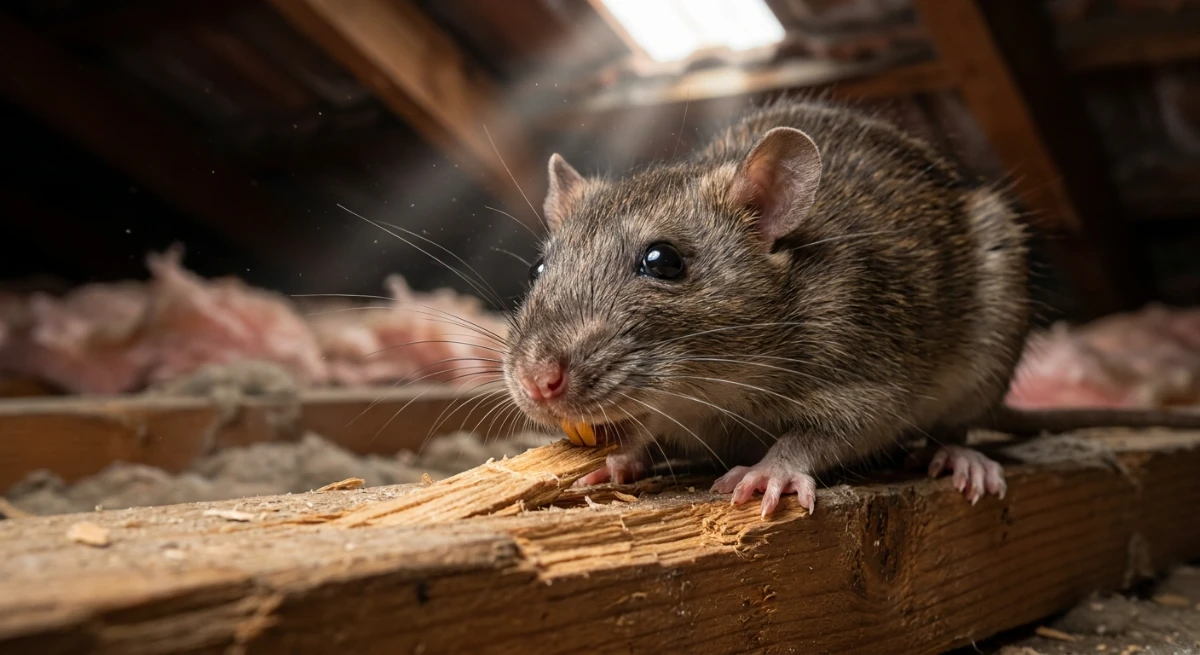
We back our work with a guarantee because we fix the structural entry points. We stop the pests from getting in, rather than just poisoning them once they are already inside.
Choose Honest, Certified Pest Management
Do not fall for the marketing spin. A green leaf logo means absolutely nothing if the technician cannot explain the entomological behaviour of the pest they are treating.
You need a partner who understands the strict rules of the Animal Welfare Act 1999 and the HSNO Act. We inspect our live-capture traps within 12 hours of sunrise, and we never use illegal glue boards.
We tell you plainly what is going on, what happens next, and how much it will cost. No corporate hedging, and no hidden fees.
Here is exactly how our certified approach compares to the greenwashed operators currently flooding the Auckland market.
| Feature | Greenwashed “Spray & Pray” | Authentic IPM (Our Approach) |
|---|---|---|
| Chemical Disclosure | Hidden or vague (“It’s natural”) | Full Safety Data Sheets (SDS) provided upfront |
| Technician Certification | Basic labourer, no formal qualifications | Level 3 Urban Pest Management Certified |
| Treatment Method | Heavy, reactive surface spraying | Structural exclusion and targeted baiting |
| Commercial Compliance | Fails MPI and Food Act 2014 audits | Audit-ready, zero-emission monitoring |
When you are ready to stop guessing and start solving the problem permanently, give us a call. We will sort it out properly.
People Also Ask

About the Author: Ronnie
Founder, Pest Control Auckland · Commercial & Residential Pest Expert · Certified Urban Pest Management Specialist
With over a decade of hands-on experience in Auckland’s toughest commercial kitchens and residential properties, Ronnie has seen firsthand the dangers of unregulated chemical use. Holding a Level 3 Urban Pest Management qualification, he is deeply committed to exposing industry greenwashing and providing transparent, scientifically backed exclusion methods that keep families and businesses genuinely safe.