Bitten by something in the night? We will get straight to the point.
Most spider bites in Auckland look much worse than they actually are, but a few require immediate attention. With the recent autumn pest surge driving more spiders indoors, we are seeing a massive uptick in calls across the region.
You do not need to panic, but you do need to know exactly what bit you and how to handle it. Whether you are dealing with a swollen red welt or trying to identify a fast-moving spider in your bedroom, having the right information is critical.
We are going to break down everything you need to know about spider bites in Auckland: symptoms & first aid, straight from the experts who deal with these arachnids every single day.
Key Takeaways
For most spider bites in Auckland, symptoms and first aid involve minor pain, redness, and swelling. Wash the bite with soapy water, apply an ice pack, and elevate the area. Seek immediate medical attention if you suspect a Redback bite or if severe infection symptoms develop.
The Auckland Spider Reality (May 2026)
Auckland is currently experiencing a significant surge in urban pests. The mild winter and scorching summer of the previous year created the perfect breeding conditions for insects.
As we move deeper into autumn, spiders are following their food sources indoors. This means more encounters in bedrooms, bathrooms, and living spaces across the region.
Despite the fear they cause, the vast majority of spiders in New Zealand are completely harmless. Data from the National Poisons Centre shows that between 2017 and 2023, they received 1,128 calls regarding spider bites.
Of those calls, only 35 were related to the more dangerous Latrodectus species, which includes Redbacks and Katipō. The reality is that your chances of a severe envenomation are incredibly low.
The “Big Three” Spiders of Concern
When evaluating spider bites in Auckland: symptoms & first aid, we primarily focus on three specific arachnids. Most other house spiders lack the fang strength to pierce human skin.
Understanding which spider you are dealing with dictates your response. Here is what you need to look out for.
1. The White-Tail Spider (Lampona murina)
This is the most common culprit behind painful bites in Auckland homes. Originally from Australia, white-tails are nomadic hunters that roam your house looking for other spiders to eat.
They do not spin webs. Instead, they hide in dark, warm places like folded laundry, shoes, and bedding. This is why most bites occur when people are getting dressed or rolling over in bed.
2. The Redback Spider (Latrodectus hasselti)
Redbacks are another Australian import, though they are relatively rare in Auckland compared to white-tails. They prefer dry, sheltered spots like garden sheds, under outdoor furniture, or inside meter boxes.
The female redback is highly venomous. While they are not aggressive and rarely leave their webs, accidental contact can result in a serious bite that requires medical intervention.
3. The Katipō (Latrodectus katipo)
The Katipō is New Zealand’s only native venomous spider. However, you will almost never find one inside an Auckland home.
They live exclusively in coastal sand dunes, such as those out at Muriwai or Piha. Because they are a protected and endangered native species, we do not eradicate them. If you encounter one, leave it alone.
Pest Control Auckland strictly adheres to the Wildlife Act. We assess Katipō enquiries on a case-by-case basis and will refer you to the Department of Conservation (DOC) for advice. We do not spray or remove protected native species.
Identifying the Symptoms
If you have been bitten, the physical reaction will usually tell you what kind of spider was responsible. Most bites feel like a sharp pinprick followed by localized aching.
It is important to monitor the bite site over the first 24 hours. Here is how the symptoms break down based on the species.
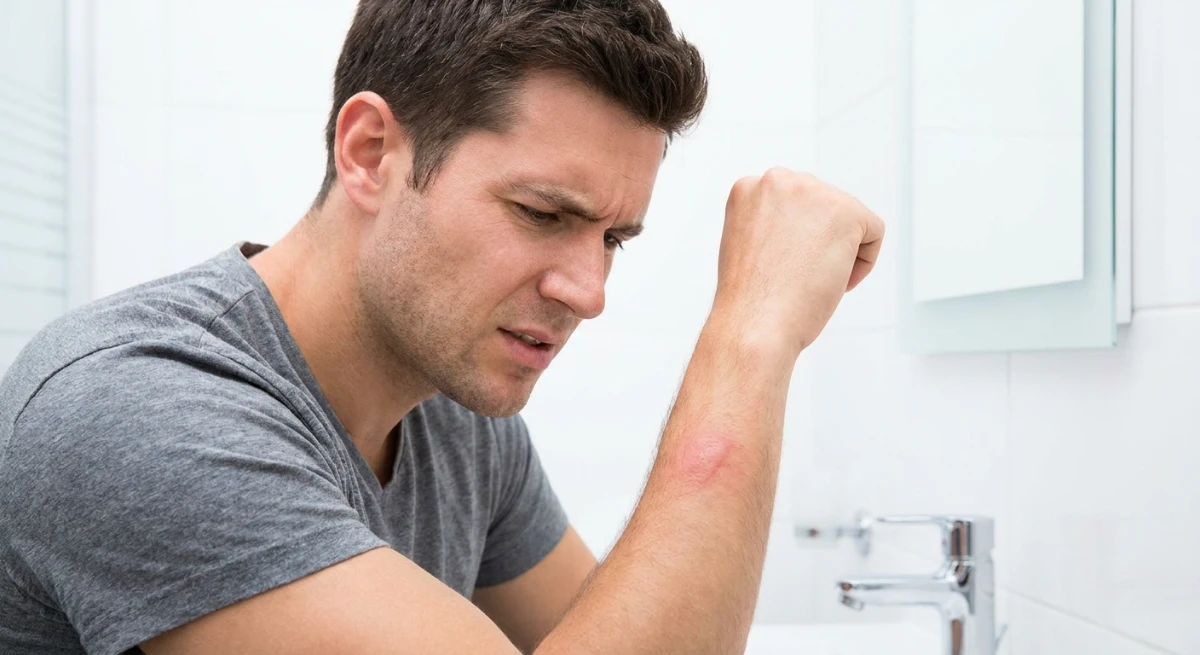
White-Tail Bite Symptoms
A white-tail bite causes immediate pain, followed by redness, swelling, and a persistent itch. It feels very similar to a severe bee sting.
There is a persistent urban myth that white-tail venom causes necrotic ulcers (flesh-eating wounds). Extensive Australian medical studies have thoroughly debunked this.
When severe tissue damage does occur after a white-tail bite, it is almost always due to a secondary bacterial infection from scratching the wound, not the venom itself.
Redback Bite Symptoms
A redback bite is a different story. The initial bite may be painless, but severe, intense pain will develop within an hour and spread from the bite site.
You may also experience heavy sweating, nausea, vomiting, and muscle weakness. If these symptoms occur, you need to seek urgent medical care.
| Spider Species | Initial Pain Level | Common Symptoms | Medical Urgency |
|---|---|---|---|
| White-Tail | Moderate to High | Redness, swelling, intense itching. | Low (unless infected) |
| Redback | Low initially, then Severe | Spreading pain, sweating, nausea. | High (Seek Urgent Care) |
| Common House Spider | Mild | Small red bump, mild itch. | None |
Immediate First Aid Protocol
If you are bitten, managing the wound correctly in the first ten minutes is crucial. Proper spider bites in Auckland: symptoms & first aid management prevents secondary infections.
Follow these exact steps to minimize pain and reduce your risk of complications.
- Wash the area: Clean the bite site immediately with warm water and antibacterial soap to remove any surface bacteria.
- Apply ice: Wrap an ice pack in a towel and hold it against the bite for 15 minutes to reduce swelling and numb the pain.
- Elevate: If the bite is on an arm or leg, keep it elevated to help minimize localized swelling.
- Do not scratch: Scratching breaks the skin and introduces bacteria from your fingernails, which is the leading cause of ulceration.
Do not use a pressure immobilization bandage for white-tail or redback bites. This technique is for snake bites and can actually worsen the localized pain of a spider bite.
When to See a Doctor
While most bites settle down with basic first aid, some require professional medical intervention. There are around 300 ACC claims per year in New Zealand for white-tail spider bites.
The vast majority of these claims are to cover medical bills for severe allergic reactions or secondary bacterial infections. You need to know when to stop treating it at home and head to a clinic.
Signs of Secondary Infection
Bacterial infections can turn a minor bite into a major problem. If the redness spreads significantly after 24 hours, or if the area feels hot to the touch, you likely have an infection.
Other red flags include pus oozing from the wound, red streaks traveling up your limb, or developing a fever. In these cases, a doctor will usually prescribe oral antibiotics like flucloxacillin.
If it is safe to do so, trap the spider in a clear container or take a clear photograph of it. This helps medical professionals confirm the species if your symptoms escalate.
Renters vs. Landlords: Who Pays?
One of the most common questions we get from Aucklanders dealing with spiders is about liability. Under the Residential Tenancies Act, the lines can sometimes seem blurry.
Generally, landlords are responsible for pest control if the infestation was present at the start of the tenancy, or if it is caused by a structural issue like gaps in the exterior cladding.
Tenants are responsible if their lifestyle attracted the pests. However, because spiders are naturally occurring and enter through structural gaps, the responsibility for professional spider control usually falls on the landlord.
We provide clear, transparent documentation after every treatment. This satisfies Tenancy Tribunal requirements and prevents disputes between property managers and tenants.
Why DIY Methods Fail for Spiders
Aucklanders waste thousands of dollars every year on supermarket bug bombs and hardware store surface sprays. We call this the cycle of despair.
Spiders are biologically different from insects like ants or cockroaches. Because spiders walk high on the tips of their legs, their bodies rarely drag across the toxic residue left by DIY sprays.
Furthermore, bug bombs simply shoot chemicals straight up into the air. They do not penetrate the deep wall voids, roof cavities, and sub-floors where white-tails actually breed and hunt.
When you set off a fogger, you are just contaminating your kitchen benches while the spiders retreat deeper into the structure of your home.
Common Spider Hiding Spots
If you want to prevent bites, you need to know where these pests are hiding. Spiders seek out environments that offer shelter, warmth, and a steady food supply.
In the bedroom, white-tails are notorious for hiding in discarded clothing left on the floor. Always shake out your shoes and jeans before putting them on, especially during the autumn months.
In the bathroom, spiders are drawn to the moisture. You will often find them trapped in the bathtub or hiding behind the vanity unit where it is dark and damp.
Externally, overgrown vegetation touching your exterior cladding provides a direct bridge for spiders to enter your roof cavity. Keeping your garden trimmed is a critical step in structural exclusion.
Professional Prevention & Exclusion
When you understand the reality of spider bites in Auckland, symptoms, and first aid, you realize that prevention is always better than a cure.
We take a scientific approach to spider control in Auckland. We do not just spray and walk away; we identify how they are getting in and stop them at the source.
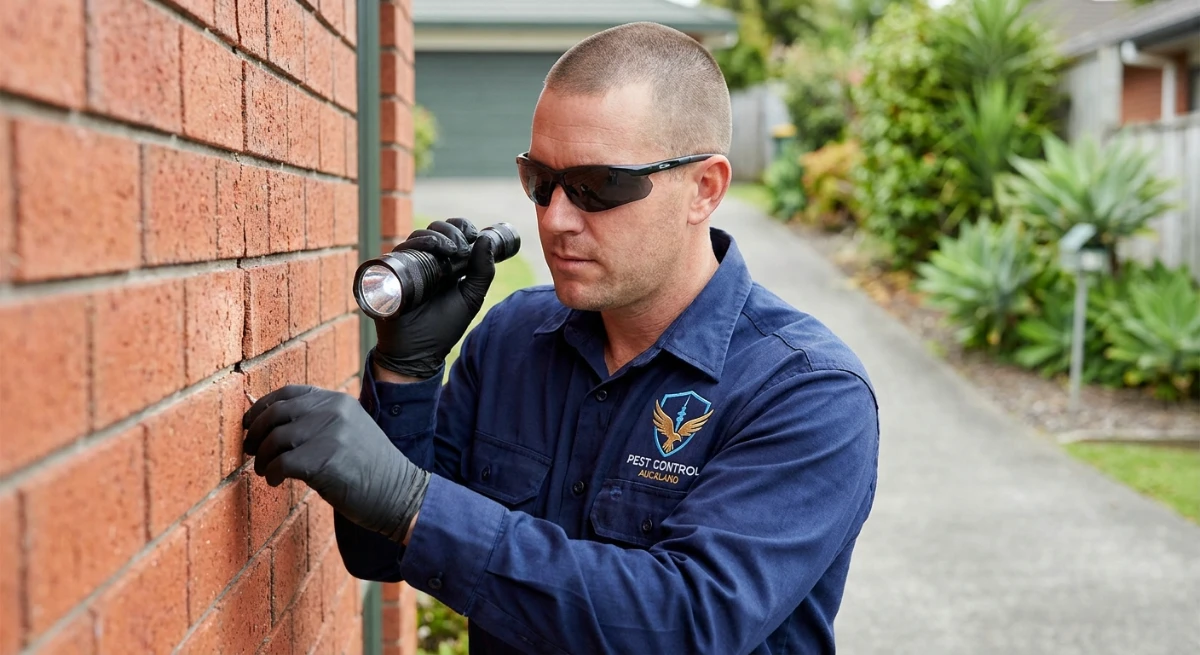
The Root-Cause Solution
Our technicians hold the New Zealand Certificate in Pest Operations (Level 3). We focus on structural entry-point exclusion, sealing the tiny gaps around windows, doors, and weep holes.
We use MPI-approved, zero-emission treatments that target nesting areas. This eradicates the spiders currently inside and creates a residual barrier that prevents new ones from entering.
Because white-tails feed on other spiders, eliminating the general insect population in your home removes their food source. No food means no white-tails.
We back our treatments with the Silver Bullet Guarantee. You get honest advice, transparent pricing, and a targeted solution that keeps your family safe long-term.
Frequently Asked Questions

About the Author: Ronnie
Founder, Pest Control Auckland · Commercial & Residential Pest Expert · Certified Urban Pest Management Specialist
With years of experience handling Auckland’s unique urban pest challenges, Ronnie is a Level 3 certified UPM technician. Having consulted on hundreds of residential infestations, he provides scientifically backed, no-nonsense advice on identifying and safely managing spider bites in Auckland homes.