I have been in roofs across Auckland for years, and let me tell you, the days of a bloke turning up with an unlabelled tank and blasting your skirting boards are over. Seen it all, unfazed by your problem, but I will tell you plainly: ignorance is not an excuse anymore. Right now, in May 2026, we are seeing an unprecedented autumn pest surge. Last year’s mild winter and hot summer created a perfect breeding storm for rodents and insects.
Rats are pushing into commercial kitchens, and ants are tearing through residential pantries. People are panicking and hiring cheap spray jockeys, which is a massive liability. If you run a cafe in Ponsonby or manage rentals on the Shore, you need to understand that the legal aspects of pest control business compliance in NZ are strict, and they are designed that way for a reason.
New Zealand has some of the most rigorous biosecurity and environmental laws on the planet. When a technician applies chemicals on your property, you are the one taking on the risk if they breach those laws. We do things by the book, focusing on root-cause eradication and structural exclusion. Let us break down exactly what you need to know to stay compliant, avoid massive fines, and actually solve your pest problem for good.
Key Takeaways
The legal aspects of pest control business compliance in NZ require technicians handling Class 9 ecotoxic substances to hold a Level 3 Certificate. The Food Act 2014 bans toxic baits in commercial kitchens, while the Animal Welfare Act 1999 mandates daily live-trap inspections and restricts glue boards.
The EPA & HSNO Act: End of the “Spray and Pray” Era
You cannot just walk into a hardware store, buy a commercial-grade pesticide, and start hosing down a restaurant floor. Under the Hazardous Substances and New Organisms (HSNO) Act 1996, chemical application is heavily regulated. The Environmental Protection Authority (EPA) stepped in with the HPC Notice 2017 to completely overhaul the industry.
This notice dictates that anyone handling Class 9 ecotoxic substances must be a legally Qualified UPM (Urban Pest Management) Contractor. That means holding the New Zealand Certificate in Pest Operations (Level 3). It is not a suggestion; it is a hard legal baseline.
Why Level 3 Certification Matters
A Level 3 qualification guarantees that your technician understands the entomology of the pest and the environmental impact of the treatment. We do not just guess which chemical to use. We calculate the exact dosage required to eradicate the target species without leaving toxic residue where your kids or pets play.
The DIY cycle of despair usually involves homeowners setting off supermarket bug bombs week after week. These products rarely penetrate the structural voids where pests actually nest. Worse, they coat your living spaces in unnecessary chemicals, violating the core principles of safe pest management.
Allowing an uncertified technician to apply Class 9 substances on your property transfers the legal liability directly to you. Always ask to see their Level 3 NZ Certificate before they open their tank.
Food Act 2014: Protecting Auckland’s Hospitality Sector
New Zealand’s hospitality sector reached a record $15.99 billion turnover in FY2025. With nearly 30% of these businesses located in Auckland, the pressure to maintain zero-tolerance hygiene standards is immense. The Food Act 2014 fundamentally shifted how commercial kitchens must operate.
Instead of reacting to a cockroach sighting, you must prove you have proactive preventative measures in place. When an MPI auditor walks into your cafe, they will scrutinise the legal aspects of pest control business compliance in NZ before they even look at your fridge temperatures.
Zero-Tolerance MPI Audits
The days of throwing toxic rat bait under the prep benches are over. The Food Act strictly prohibits the use of toxic rodenticides in sensitive food zones. This prevents the accidental contamination of food surfaces by rodents tracking poison across your benches.
Instead, businesses must rely on physical barriers, non-toxic monitoring blocks, and advanced mechanical traps. You are required to maintain a detailed pest sighting logbook and have your premises serviced regularly by a qualified professional.
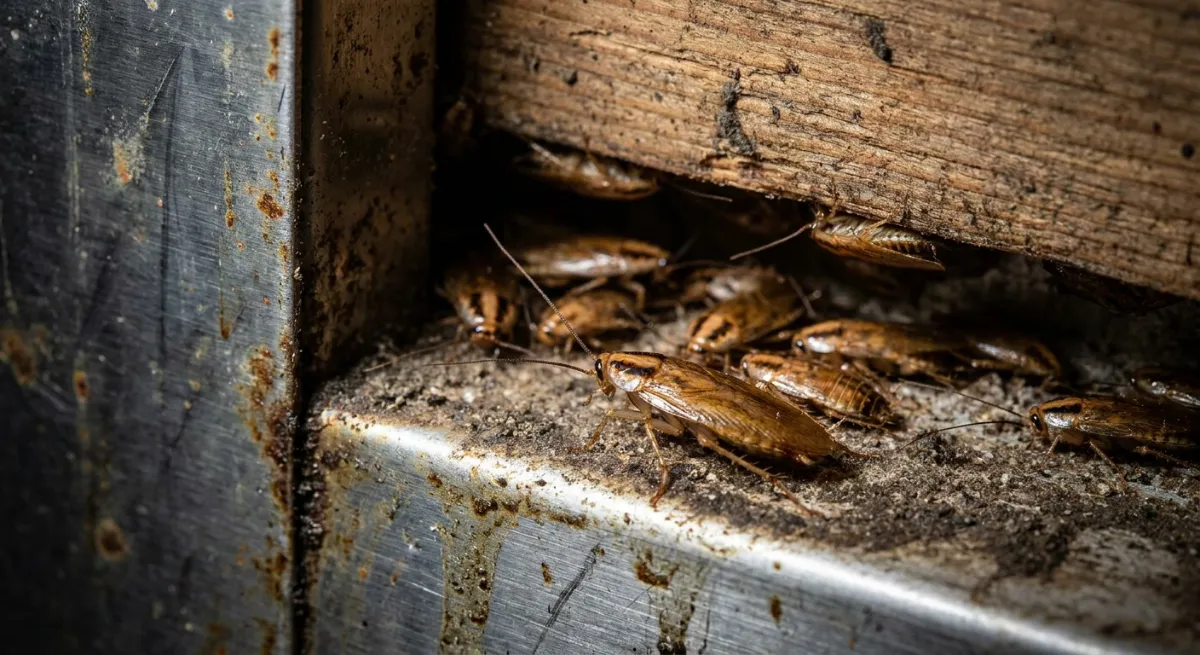
Ensure your pest sighting logbook is up to date, your non-toxic monitoring stations are mapped, and your technician’s Level 3 certification is filed before the MPI inspector arrives.
Animal Welfare Act 1999: Strict Trapping Laws
Pest control is not an excuse for cruelty. The Animal Welfare Act 1999 sets out strict legal requirements for how we manage vertebrate pests. Whether you are dealing with a possum in the roof or a feral cat on a rural property, the law dictates exactly how traps must be handled.
If you fail to remove trapped animals from a live-capture trap and do not treat them in accordance with the Act, you can face severe penalties. Breaches are punishable by a fine of up to $50,000 for an individual, or up to $250,000 for a body corporate.
The 12-Hour Live Trap Rule
If you use live-capture traps, the law mandates they must be physically inspected within 12 hours after sunrise every single day. There are no exceptions for weekends or public holidays. You cannot set a cage trap in your ceiling on a Friday and check it on a Monday.
This rule ensures that trapped animals do not suffer from dehydration, starvation, or prolonged distress. If you cannot commit to daily checks, you legally cannot set the trap. This is why many property managers outsource this entirely to our certified technicians.
Under New Zealand law, the sale and use of glue board traps for rodents are heavily restricted. Using them without explicit ministerial approval is a prosecutable offence due to the severe distress they cause.
Auckland Regional Pest Management Plan & Trespass Act
The Auckland Council enforces its own Regional Pest Management Plan (RPMP) 2020-2030. This plan targets specific invasive species that threaten our native biodiversity. It is not just about rats and mice; it includes strict pathway management rules to prevent accidental pest introductions.
For example, the Hauraki Gulf Controlled Area, which includes Waiheke and Aotea, has extreme biosecurity measures. You cannot transport certain materials without a thorough pest inspection. We have seen massive successes locally, like the recent Hūnua Ranges operation where rat tracking plummeted to just 1.3%.
The Trespass Act 1980 (150m Rule)
You cannot just set traps wherever you please. Under the Trespass Act 1980, applying treatments or setting leg-hold traps within 150 meters of a dwelling requires explicit permission from the occupier. This protects pets and children from wandering into dangerous hardware.
When we handle large commercial or semi-rural properties, mapping out these boundaries is our first step. We use digital GIS mapping to ensure every bait station and trap is placed legally and safely.
Landlord vs. Tenant: Who Foots the Bill?
The Auckland housing market is tight, and disputes over pest control are incredibly common. Under the Residential Tenancies Act, the responsibility depends entirely on the cause of the infestation. Property managers must understand the legal aspects of pest control business compliance in NZ to avoid costly Tenancy Tribunal hearings.
If a tenant moves into a property and discovers roof rats a week later, that is a pre-existing structural issue. The landlord is legally obligated to pay for the eradication and seal the entry points. However, if a tenant’s dog brings fleas into the carpets, the tenant is on the hook for the end-of-tenancy flea treatment.
| Pest Scenario | Landlord Responsibility | Tenant Responsibility |
|---|---|---|
| Pre-existing Roof Rats | Fully responsible for eradication and structural repairs. | Must report the issue promptly to the landlord. |
| Flea Infestation from Pets | None, unless the property was rented with fleas already present. | Fully responsible for professional end-of-tenancy treatment. |
| Cockroaches due to Poor Hygiene | Must prove the property was clean at the start of the tenancy. | Responsible if caused by overflowing rubbish or dirty kitchens. |
Predictive IPM: The 2026 Industry Standard
The pest control industry has evolved. We are no longer just reacting to problems; we are predicting them. Integrated Pest Management (IPM) is now the gold standard across Auckland. This involves using smart, IoT-enabled traps that alert us the moment a rodent is caught, reducing unnecessary site visits and minimizing chemical use.
Auckland is preparing to host the FAOPMA Pest Summit in July 2026, themed “FutureProof: Smarter Pest Solutions.” The entire focus of the global industry is shifting toward zero-emission treatments and structural exclusion. We find the hole, we block the hole, and we monitor the perimeter.
Why Compliance Saves You Money
Mastering the legal aspects of pest control business compliance in NZ is not just about avoiding fines; it is about doing the job right the first time. Cheap, illegal treatments always fail. They leave the entry points wide open, guaranteeing the pests will return next season.
We offer the “Silver Bullet Guarantee” because we actually fix the root cause. When you invest in a legally compliant, scientifically backed treatment, you are buying long-term peace of mind. You reclaim your home as a sanctuary, and you protect your commercial brand from public health disasters.
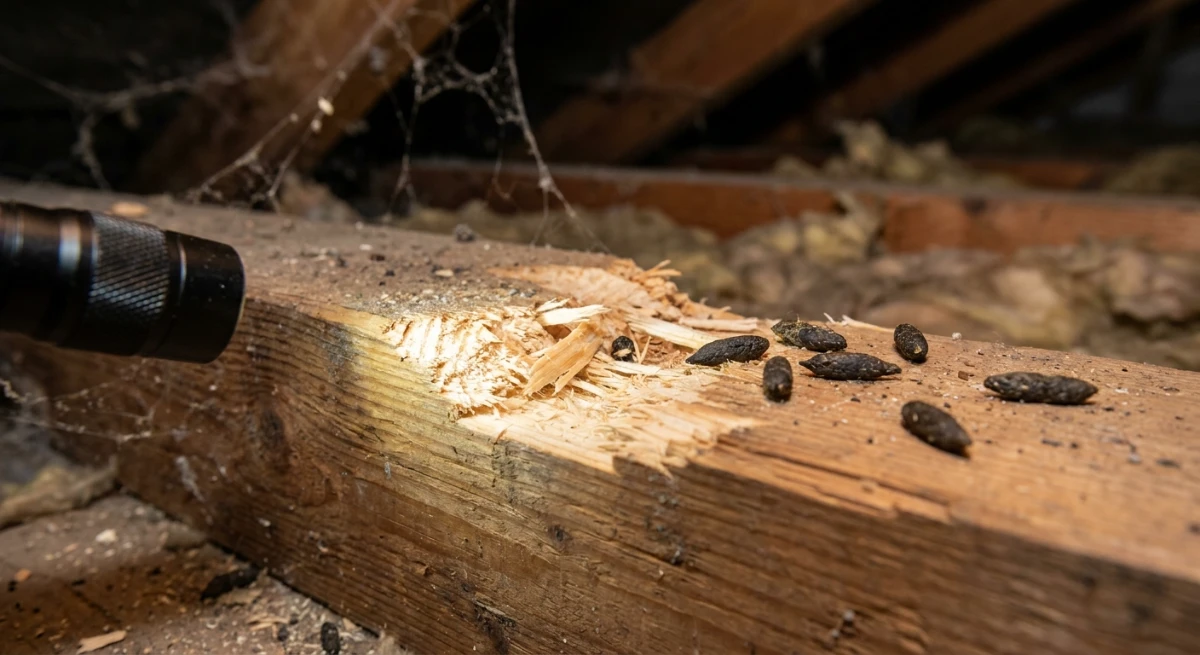
Look for operators who guarantee root-cause eradication. Fixing the structural entry point once is always cheaper than paying for endless reactive surface sprays.
Frequently Asked Questions

About the Author: Ronnie
Founder, Pest Control Auckland · Commercial & Residential Pest Expert · Certified Urban Pest Management Specialist
With years of hands-on experience navigating complex MPI audits and EPA regulations, Ronnie is a leading authority on the legal aspects of pest control business compliance in NZ. Having consulted for Auckland’s top hospitality venues and property managers, he ensures every treatment meets strict statutory safety and environmental standards.