Auckland spider identification involves recognizing the distinct characteristics of various arachnid species commonly found in the region, which is crucial for determining potential risks and implementing effective control measures. Proper identification aids in distinguishing harmless spiders from those that may pose a minor nuisance or, in rare cases, a health concern to residents and pets.
Understanding Auckland’s Arachnids: Why Identification Matters
Auckland, with its temperate climate and diverse ecosystems, is home to a wide array of spider species, most of which are harmless and play a vital role in controlling insect populations. However, the presence of certain species can cause concern, particularly for families with small children or individuals with arachnophobia. Accurate identification is the cornerstone of responsible pest management and peace of mind. Without the ability to differentiate between a common garden orb weaver and a potentially venomous white-tail spider, unnecessary panic or, conversely, dangerous complacency can arise. This section delves into the critical reasons why investing time in understanding Auckland’s spider population is not just a curiosity, but a practical necessity for every homeowner and resident.
The Importance of Correct Identification
Correctly identifying a spider is the first and most critical step in managing its presence around your home and property. Misidentification can lead to incorrect actions, from unwarranted fear and the indiscriminate use of pesticides to neglecting a potentially risky situation. For instance, many people mistake the common grey house spider for more dangerous species, leading to unnecessary alarm. Conversely, overlooking a white-tail spider could result in an unpleasant bite. Proper identification allows you to assess the threat level accurately. Is it merely a web-building nuisance that can be safely relocated, or a species whose bite requires medical attention? Knowing the difference informs your next steps, whether it’s simple prevention, careful removal, or contacting a pest control professional. It also helps to educate others in your household, reducing fear and promoting a more informed approach to living alongside these creatures.
Common Misconceptions About Auckland Spiders
Aucklanders often harbour several misconceptions about spiders that can lead to undue fear or misjudgment. One of the most prevalent myths is that all large, dark spiders are dangerous. In reality, many of the larger spiders found in homes, such as the black house spider, are relatively shy and their bites are rarely severe. Another common misconception is that spiders are aggressive and actively seek to bite humans. In truth, spiders are generally defensive; they bite only when they feel threatened or are accidentally squeezed or trapped against the skin. Many people also believe that spiders are drawn to dirt or unsanitary conditions, when in fact, they are primarily attracted to sources of food (insects) and shelter. Dispelling these myths is essential for fostering a more rational understanding of spiders and for making informed decisions about their management. Education helps to differentiate between genuine threats and harmless co-inhabitants, allowing for a more harmonious environment.
Identifying Common Auckland Spiders: A Visual Guide
Auckland is home to several spider species that are frequently encountered in and around residential properties. While most are benign, a few warrant closer attention due to their potential to deliver a painful bite. This visual guide aims to equip you with the knowledge to identify the most common species based on their appearance, web structure, and typical habitats. Understanding these key characteristics is crucial for accurate assessment and appropriate action. We will cover everything from the notorious white-tail spider to the ubiquitous daddy long-legs, providing specific details that distinguish each species. Learning these visual cues will empower you to confidently identify the spiders you encounter, removing much of the mystery and apprehension associated with them.
The White-Tail Spider (Lampona cylindrata/murina)
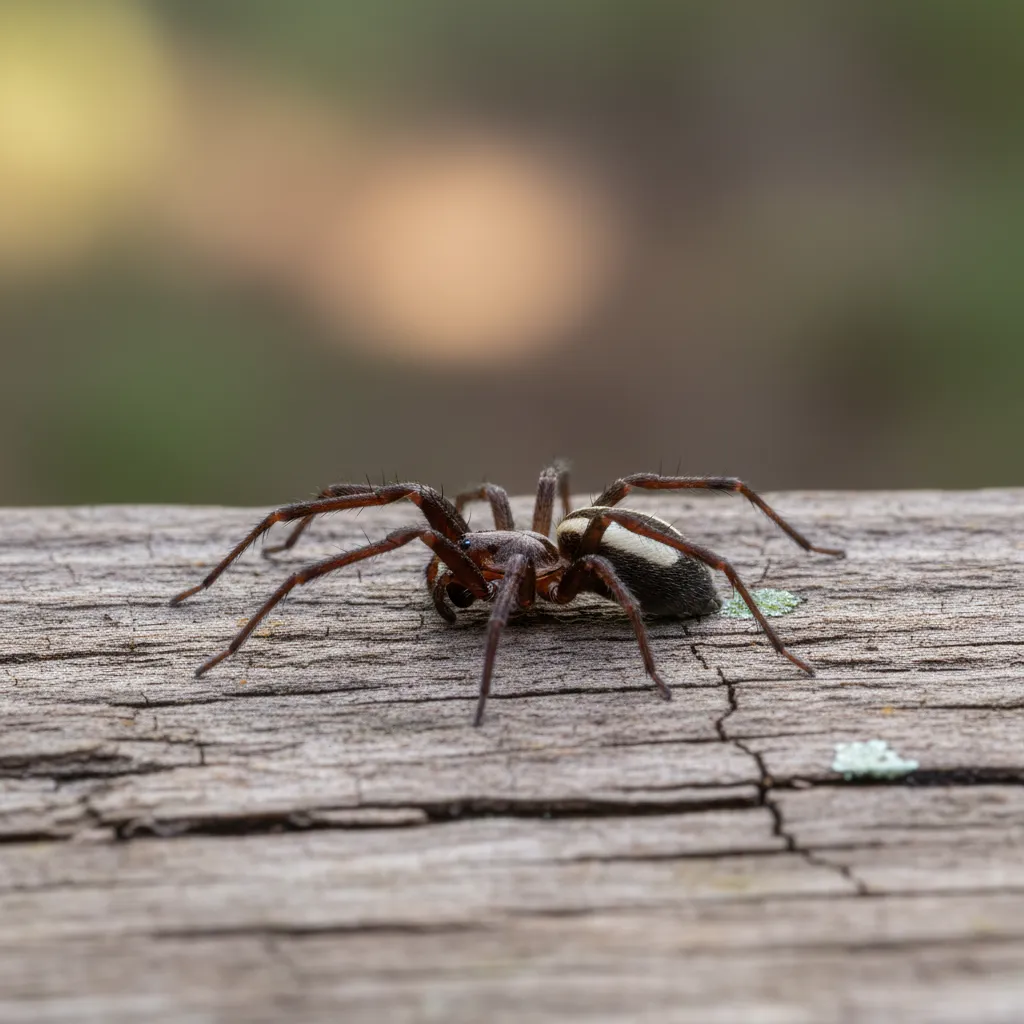
The White-Tail spider is perhaps one of New Zealand’s most well-known and often feared spiders, though its danger is frequently exaggerated. It is not native to New Zealand, having been introduced from Australia, but has established itself firmly across Auckland. These spiders are easily identifiable by their slender, dark grey to black bodies and a distinctive white or cream-coloured spot or stripe on the tip of their abdomen. Females can grow up to 18mm in body length, while males are smaller. They are active hunters, preferring to roam at night in search of other spiders and insects, rather than building traditional webs for prey capture. Their favoured habitats include tight crevices, under bark, in leaf litter, and frequently inside homes, particularly in wardrobes, under furniture, and in bedding, where they seek warmth and shelter. Their bites are often described as initially feeling like a sharp pinprick, followed by localised pain, swelling, and itchiness. While some severe skin reactions have been anecdotally attributed to white-tail bites, scientific evidence generally suggests that such severe outcomes are rare and often caused by secondary infection rather than the venom itself. However, it’s always wise to clean and monitor any suspected bite carefully. For more detailed scientific information, the Wikipedia page on White-tailed spiders offers a comprehensive overview of their biology and medical significance.
The Grey House Spider (Badumna longinqua)
The Grey House spider, or often referred to as the ‘black house spider’ due to its close resemblance to its relative, is a common resident in Auckland homes. It is a medium-sized spider, typically light grey to brownish in colour with a mottled or speckled pattern on its abdomen. Their legs are often banded, contributing to their somewhat camouflaged appearance. These spiders construct messy, lacy, funnel-shaped webs in corners of windows, doorways, sheds, and under eaves. Unlike hunting spiders, they wait patiently in their funnel retreat for prey to become entangled. While they might look intimidating due to their size and colour, Grey House spiders are not considered dangerous. Their bite is generally mild, causing localised pain and swelling, similar to a bee sting, and symptoms typically subside within a few hours. They are more of a nuisance due to their extensive webs than a threat. These spiders play a beneficial role in controlling other household pests like flies and mosquitoes, making them a natural form of pest control if you can tolerate their presence and their often dusty webs.
The Black House Spider (Badumna insignis)
Closely related to the Grey House spider, the Black House spider is another ubiquitous species in Auckland. It is larger and generally darker, with a robust, velvety black to dark brown body. The cephalothorax (head and thorax combined) is often covered in fine, black hairs, and the abdomen can sometimes have subtle lighter markings. Like its grey counterpart, it builds untidy, lacy, funnel-shaped webs, typically found in sheltered areas such as window frames, eaves, sheds, and around outdoor lighting where insects are attracted. They are more common outdoors but can venture indoors. The bite of a Black House spider is generally considered non-lethal but can be quite painful. Symptoms may include localised swelling, redness, and throbbing, which can persist for several hours. Nausea, vomiting, and headaches have been reported in rare cases. While their appearance can be alarming, they are not aggressive and will only bite if provoked or trapped. Their webs are often quite extensive and can be an indicator of their long-term presence in a particular area, suggesting a good food source. Regularly cleaning these webs can deter them from establishing themselves.
The Daddy Long-Legs Spider (Pholcus phalangioides)
The Daddy Long-Legs spider is perhaps one of the most familiar and least threatening spiders found in Auckland homes. Characterised by its extremely long, thin legs and small, oval-shaped body, it is easily recognisable. These spiders are pale brown or grey and typically hang upside down in their messy, irregular, three-dimensional webs. You’ll often find them in undisturbed corners of rooms, ceilings, basements, and garages. Despite popular myths about their venom being incredibly potent but their fangs being too short to pierce human skin, scientific consensus confirms that their venom is not considered medically significant to humans. They are actually quite beneficial, as they prey on other spiders, including the more robust White-Tail and House spiders, and even insects like mosquitoes. They are generally harmless and play a natural role in controlling other arachnid populations within your home. If you prefer them out of sight, they are very easy to gently brush into a container and release outdoors, where they will likely continue their beneficial activities.
The Garden Orb Weaver (Eriophora transmarina)
Garden Orb Weavers are a delightful and common sight in Auckland gardens, especially during warmer months. These spiders are quite variable in colour and pattern, ranging from light brown to grey, often with distinctive leaf-like or complex markings on their large, rounded abdomens. They are most famous for constructing large, intricate, wheel-shaped (orb) webs, often spanning between shrubs, trees, or structural elements like fences and clotheslines. These webs are typically built at dusk and often consumed and rebuilt each morning. While their size can be intimidating, and they may appear startling when encountered, Garden Orb Weavers are not considered dangerous to humans. Their bites are rare and usually only occur if they are roughly handled. The venom is mild, causing localised pain and redness, similar to a bee sting, and symptoms are short-lived. They are excellent pest controllers in your garden, catching flies, moths, and other flying insects. Their presence is generally a sign of a healthy garden ecosystem. If their large webs are in an inconvenient location, you can gently sweep them away, and the spider will usually relocate or rebuild elsewhere.
Less Common but Notable: The Katipō Spider (Latrodectus katipo)
The Katipō spider is New Zealand’s only native dangerously venomous spider, but it is exceptionally rare in Auckland, being primarily found in coastal sand dune areas, particularly along the eastern and southern coasts of the North and South Islands. It is crucial to distinguish the Katipō from other spiders due to its neurotoxic venom. The female Katipō is distinctive: a medium-sized, black spider with a prominent red stripe (or sometimes orange or yellow) down the middle of her abdomen, often bordered by white. A less common melanic form is entirely black with no red stripe. Males are much smaller and usually brown with white markings. They build irregular, tangled webs close to the ground, typically under driftwood, stones, or coastal vegetation. Bites are extremely rare, as the spider is shy and its habitat is very specific. However, a bite can be serious, causing severe pain, sweating, muscle spasms, and even respiratory difficulties, requiring immediate medical attention. Due to its rarity and protected status, encountering a Katipō in Auckland is highly unlikely, but awareness remains important for those venturing into its specific coastal habitats. For further information on this protected species, consult resources from the New Zealand Department of Conservation or similar scientific bodies. Identifying this spider is critical for avoiding a potentially serious health incident and respecting a vulnerable native species. You can find more comprehensive details on the Katipō spider, including its conservation status, by visiting the Department of Conservation’s page on the Katipō Spider.
Spider Habitats and Behaviour in Auckland
Understanding where spiders prefer to live and how they behave is fundamental to effective prevention and control. Spiders are masters of adaptation, and their choice of habitat is largely dictated by their need for shelter, food, and suitable breeding grounds. In Auckland, the diverse urban and natural landscapes provide ample opportunities for various species to thrive, both indoors and outdoors. This section explores the typical environments where you’ll find different spider species and sheds light on their common behavioural patterns. By knowing their preferred hotspots and habits, you can better anticipate their presence and implement targeted strategies to deter them from becoming unwelcome guests. From the damp corners of your basement to the sunny spots in your garden, recognizing these patterns is key to managing your spider encounters.
Where Spiders Thrive Indoors
Indoors, spiders seek out environments that offer shelter, warmth, and a steady supply of insect prey. Common indoor hotspots in Auckland homes include dark, undisturbed areas such as basements, attics, storage rooms, and behind large furniture. White-tail spiders, being nocturnal hunters, are often found roaming at night and can hide in clothing, bedding, or shoes during the day. Daddy Long-Legs spiders prefer high, quiet corners of rooms and ceilings, where their delicate webs can capture flying insects without disturbance. House spiders (Grey and Black) will often build their funnel webs in window frames, doorframes, and around vents, leveraging the warmth and the flow of insects attracted to light. Garages and sheds also provide ideal conditions with their clutter and numerous hiding spots. Understanding these preferred indoor habitats allows homeowners to focus their cleaning and inspection efforts on these high-risk areas. Regular vacuuming, dusting, and reducing clutter can significantly disrupt these habitats, making your home less appealing to spiders looking for a place to settle.
Outdoor Hotspots for Spiders
Outdoors, Auckland’s gardens and natural surroundings offer an even wider array of habitats for spiders. Garden Orb Weavers, as their name suggests, are predominantly found in gardens, building their large, circular webs between plants, trees, and structures to catch flying insects. House spiders often extend their webs to outdoor eaves, verandas, and around outdoor lighting fixtures. Under rocks, logs, leaf litter, and in woodpiles are common hiding spots for many ground-dwelling spiders, including occasional white-tail spiders looking for shelter. Around the exterior of the house, cracks in foundations, gaps under siding, and unsealed entry points near windows and doors can serve as entryways and temporary outdoor shelters. Compost bins and overgrown vegetation also create ideal, insect-rich environments that attract spiders. Understanding these outdoor hotspots is crucial for establishing an effective perimeter defense, ensuring that your garden remains a beautiful space without inadvertently inviting spiders into your living areas.
Understanding Spider Diets and Lifecycle
The diet and lifecycle of spiders are intrinsically linked to their presence and behaviour in Auckland. All spiders are predators, feeding primarily on insects and other small invertebrates, which is why their presence often indicates an underlying insect problem. Different species have varied hunting strategies: web-builders (like Orb Weavers and House Spiders) construct traps, while active hunters (like White-Tails) stalk their prey. This dietary need is a primary reason they seek out human dwellings, as our homes often provide a stable source of various insects. The spider lifecycle typically involves eggs laid in a silk sac, hatching into spiderlings, and then molting several times as they grow into adults. The duration of this lifecycle varies significantly between species and is influenced by factors like temperature and food availability. In Auckland’s climate, many species can produce multiple generations within a year, leading to fluctuations in their population numbers throughout the seasons. Understanding these biological aspects helps in timing pest control efforts (e.g., targeting eggs or young spiders) and appreciating their ecological role, even as we seek to manage their presence in our immediate environment.
Assessing the Danger: Auckland Spider Bites and Health Risks
While the vast majority of spider species in Auckland are harmless, and even those that can bite typically cause only mild, localised reactions, understanding the potential risks associated with spider bites is important. Sensationalised stories often inflate the danger, but a pragmatic approach involves knowing what to look for in a bite, how to administer first aid, and when medical attention might be necessary. This section aims to provide clear, factual information on assessing the danger of spider bites in Auckland, helping you to react appropriately without undue panic. We will cover the common symptoms associated with bites from local species, outline essential first aid steps, and guide you on recognising the signs that warrant professional medical intervention. Knowledge in this area can empower you to handle spider encounters confidently and safely, protecting both yourself and your family.
Identifying Spider Bites
Identifying a spider bite can be challenging as symptoms often mimic those of other insect stings or skin conditions. Generally, a spider bite will appear as a small, red, inflamed bump, similar to a mosquito bite or pimple, often with a central puncture mark (though sometimes two, from the fangs, which are rarely visible). The immediate sensation might be a sharp sting or burning sensation, followed by itching, localised pain, and swelling. For common Auckland spiders like the Grey House spider or Garden Orb Weaver, the reaction is usually mild and short-lived. White-tail spider bites can produce a more intense initial pain, followed by persistent itching, redness, and sometimes a blister. In rare cases, a white-tail bite might lead to a localised lesion or secondary bacterial infection, which is often mistakenly attributed solely to the venom. The key is to observe the progression of the bite. If it rapidly worsens, becomes excessively painful, or shows signs of infection (pus, spreading redness, fever), it’s crucial to seek medical advice. Without actually seeing the spider responsible, definitive identification of a bite can be difficult, so focusing on symptom management is often the most practical approach.
First Aid for Spider Bites
Prompt and appropriate first aid for a spider bite can significantly alleviate symptoms and prevent complications, such as secondary infections. The general recommendations for most spider bites in Auckland are straightforward: First, remain calm. Clean the bite area thoroughly with soap and water to prevent infection. Apply a cold compress or ice pack to the site for 10-20 minutes, several times a day, to reduce swelling and pain. Elevating the affected limb can also help to minimise swelling. Over-the-counter pain relievers, such as paracetamol or ibuprofen, can be used for pain management, and antihistamines may help with itching and localised allergic reactions. Do not try to cut or suck the venom from the bite. If the bite is from a suspected White-tail spider, or if the symptoms are more severe than a typical insect bite, continue to monitor the area closely for any signs of worsening infection or tissue damage. Keep the area clean and avoid scratching, which can introduce bacteria. Knowing these simple steps can make a big difference in how a spider bite progresses and ensures quick relief from discomfort.
When to Seek Medical Attention
While most spider bites in Auckland are not serious and can be managed with basic first aid, there are specific circumstances where seeking medical attention is highly advisable. You should consult a doctor if the pain and swelling worsen significantly or spread beyond the bite area, or if the bite site develops signs of infection, such as increasing redness, warmth, pus, or a red streak extending from the bite. A doctor should also be seen if you develop flu-like symptoms, a fever, headache, muscle cramps, nausea, or vomiting after a bite, as these could indicate a more severe systemic reaction. If the bite is from a Katipō spider (though extremely rare in Auckland), or if you are unsure of the spider and experience severe symptoms, immediate medical attention is paramount. Children, the elderly, and individuals with compromised immune systems or known allergies may also require earlier medical evaluation for spider bites. When in doubt, it is always safer to err on the side of caution and consult a healthcare professional, especially if you have any concerns about the severity or progression of a spider bite.
Effective Spider Prevention Strategies for Auckland Homes
Preventing spiders from entering and establishing themselves in your home is far more effective and less stressful than dealing with an infestation. A proactive approach to spider control involves a combination of sealing entry points, maintaining a tidy environment, and utilising natural deterrents. By making your home less appealing and accessible to spiders, you can significantly reduce their presence without resorting to harsh chemical treatments. This section outlines a comprehensive set of strategies tailored for Auckland homes, focusing on practical and sustainable methods. Implementing these prevention tips will not only help keep spiders at bay but also contribute to a generally cleaner and more pest-resistant living space. From simple DIY tasks to conscious landscaping choices, there are many ways to create a formidable barrier against unwelcome arachnid visitors.
Sealing Entry Points
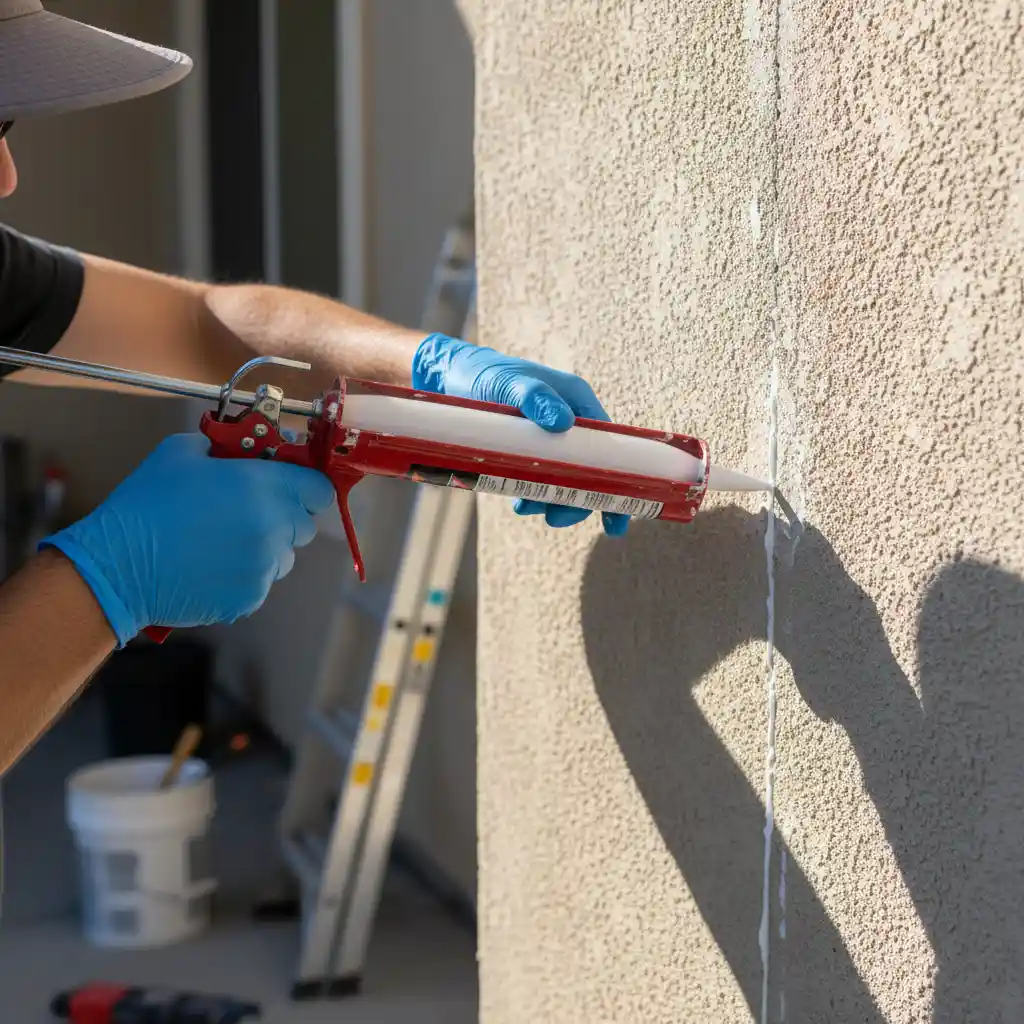
One of the most effective ways to prevent spiders from entering your Auckland home is to eliminate their access points. Spiders can squeeze through incredibly small gaps, so a thorough inspection of your home’s exterior and interior is essential. Focus on sealing cracks and crevices in foundations, around windows and door frames, and where utilities (pipes, wires) enter the house. Use appropriate sealants like caulk or weatherstripping for these gaps. Repair torn window screens and ensure screens fit snugly. Install door sweeps under exterior doors to close the gap between the door and the threshold. Check vents and chimneys, ensuring they have fine mesh screens to prevent entry. Even small gaps around garage doors can be entry points, so consider installing rubber seals. By creating a physical barrier, you make it much harder for spiders to find their way indoors, significantly reducing the likelihood of encountering them in your living spaces. This proactive measure forms the first line of defence in your spider prevention strategy.
Maintaining a Tidy Environment
A clutter-free and clean home is inherently less attractive to spiders. Spiders seek out undisturbed, secluded spots to build webs and hide. Regular cleaning, therefore, is a powerful deterrent. Vacuum and sweep frequently, paying close attention to corners, under furniture, behind appliances, and in basements or attics. Remove existing webs as soon as you spot them; this sends a clear signal to spiders that the area is not suitable for habitation. Reduce clutter both inside and outside your home. Piles of newspapers, clothing, boxes, and general debris provide excellent hiding places for spiders and their prey. Outdoors, clear away leaf litter, woodpiles, and general garden waste from near your home’s foundation. Keeping your garage and shed organised and free of clutter will also reduce spider populations in these common areas. A tidy environment not only deprives spiders of shelter but also reduces the insect population they feed on, making your home less appealing from a food source perspective.
Natural Deterrents and DIY Solutions
For those preferring non-chemical approaches, several natural deterrents and DIY solutions can help keep spiders away from your Auckland home. Peppermint oil is a popular choice; spiders reportedly dislike its strong scent. Mix 10-15 drops of peppermint essential oil with water in a spray bottle and mist it around windows, doorframes, and other entry points. Eucalyptus and tea tree oils are also thought to have similar repellent properties. Cedarwood blocks or chips placed in closets and drawers can also deter spiders. White vinegar is another versatile household item; a spray solution can be used directly on spiders or around entry points. Conkers (horse chestnuts) and citrus peels are anecdotally used, though scientific evidence for their effectiveness is limited. Diatomaceous earth, a natural powder made from fossilised algae, can be sprinkled in cracks and crevices; it works by dehydrating spiders that come into contact with it, but should be used with caution around pets and children. While these natural methods may not be as potent as chemical treatments, consistent application can contribute to a less spider-friendly environment in your home.
Landscaping for Pest Control
The way you maintain your garden and yard can significantly impact the number of spiders that approach your Auckland home. Effective landscaping for pest control involves creating a perimeter that discourages spiders and their insect prey. Trim back shrubs, trees, and other vegetation so they don’t touch the exterior walls or roof of your house. This eliminates bridges for spiders to crawl onto your home. Keep grass mown short near the foundation. Remove leaf litter, mulch, firewood piles, and other debris that can provide shelter for spiders and insects close to your house. Avoid placing outdoor lights directly on your house walls; instead, use yellow “bug lights” or install lights on poles further away from the house. Bright white lights attract insects, which in turn attract spiders. Minimise standing water in your garden, as it attracts insects. By creating a clean, open buffer zone around your home, you reduce the appeal of your property to spiders seeking shelter and food, making it less likely they will attempt to enter your living spaces. This thoughtful approach to garden maintenance is a crucial part of an integrated pest management strategy.
When to Call the Professionals: Expert Spider Control in Auckland
While DIY prevention and elimination methods can be effective for minor spider issues, there are times when professional pest control is the most appropriate and often necessary solution for Auckland homeowners. If you’re dealing with a persistent infestation, encountering dangerous species, or simply overwhelmed by the problem, a professional pest control service offers expertise, advanced treatments, and long-term solutions that go beyond what a homeowner can typically achieve. This section will guide you through understanding the benefits of professional intervention, what to expect from a spider treatment, and the importance of ongoing maintenance plans. Recognising when to enlist the help of experts ensures a thorough and safe resolution to your spider problem, giving you peace of mind and a more comfortable living environment.
Benefits of Professional Pest Control
Engaging professional pest control for spiders in Auckland offers numerous benefits that often outweigh the cost. Firstly, professionals possess in-depth knowledge of spider species, their behaviours, and their preferred habitats, allowing for accurate identification and targeted treatment plans. They use specialised equipment and professional-grade insecticides that are more potent and have a longer residual effect than most over-the-counter products, ensuring a more thorough and lasting elimination. Crucially, they know how to apply these treatments safely, minimising risk to your family, pets, and the environment. Professionals can also identify and seal hidden entry points you might have missed and offer advice on long-term prevention strategies. If you have a severe infestation, persistent problems with white-tail spiders, or simply lack the time or inclination to handle it yourself, a professional service provides peace of mind, effectiveness, and a significant reduction in spider populations. Their comprehensive approach ensures that not just the visible spiders, but also their eggs and hidden populations, are addressed, leading to a more complete eradication.
What to Expect from a Spider Treatment
When you enlist professional spider control in Auckland, you can expect a systematic and thorough process. The initial step typically involves a detailed inspection of your property, both inside and out, to identify the type of spiders present, assess the severity of the infestation, and pinpoint their entry points and harborage areas. Based on this assessment, the technician will propose a tailored treatment plan. This usually involves applying targeted insecticides to key areas such as exterior foundations, eaves, window and door frames, and internal skirting boards, corners, and undisturbed areas. Modern treatments are often low-odour and formulated for residual effectiveness. You might be advised to vacate the premises for a few hours during and immediately after the treatment, especially if indoor spraying is extensive, to allow the product to dry and to minimise exposure. The professional will also provide specific instructions on post-treatment care, such as ventilation requirements and when it’s safe to re-enter. They should also recommend steps you can take to prevent future infestations, such as sealing cracks or improving garden hygiene. Following their advice is crucial for the long-term success of the treatment.
Ongoing Maintenance and Prevention Plans
Effective spider control isn’t always a one-time event, especially in a vibrant ecosystem like Auckland’s. For lasting results and to prevent recurrence, many professional pest control services offer ongoing maintenance and prevention plans. These plans typically involve scheduled follow-up treatments, often quarterly or biannually, to maintain a protective barrier around your home and address any new spider activity before it becomes an infestation. Regular inspections ensure that any new vulnerabilities are identified and addressed promptly. Professionals can also re-apply protective treatments as their residual effects diminish over time due to weather exposure or general wear and tear. Beyond chemical applications, an ongoing plan often includes continued advice on maintaining a spider-unfriendly environment through structural repairs, landscaping adjustments, and consistent cleaning routines. Investing in such a plan provides continuous protection, reduces the overall spider population around your property, and offers peace of mind knowing that your home is consistently being monitored and treated by experts. This proactive, long-term approach is the most effective way to keep your Auckland home free from unwanted arachnid visitors.

Identifying and eliminating spiders in Auckland requires a blend of knowledge, vigilance, and, at times, professional expertise. By understanding the common species, their habitats, and implementing robust prevention strategies, you can significantly reduce their presence around your home. Remember to prioritize safety, especially when dealing with potential bites, and never hesitate to consult a pest control professional for persistent or concerning infestations.
People Also Ask
What are the most dangerous spiders in Auckland?
While Auckland is home to various spiders, the most medically significant is the White-Tail spider. Its bite can cause pain and localised skin reactions, though severe complications are rare and often due to secondary infection. The native Katipō spider is New Zealand’s only dangerously venomous spider, but it is extremely rare in Auckland and confined to specific coastal habitats.
How can I tell if a spider bite is from a White-Tail spider?
It’s challenging to definitively identify a spider bite without seeing the spider. White-Tail bites typically cause immediate stinging pain, followed by redness, swelling, and itching. Sometimes a blister may form. If you suspect a White-Tail bite, clean the area and apply a cold compress. Seek medical attention if symptoms worsen or signs of infection appear.
What attracts spiders to my Auckland home?
Spiders are primarily attracted to homes for shelter, warmth, and a reliable food source (insects). Clutter, dark undisturbed areas, cracks in foundations, gaps around windows and doors, and overgrown vegetation near the house all provide ideal conditions and entry points for spiders.
Are Daddy Long-Legs spiders harmless?
Yes, Daddy Long-Legs spiders (Pholcus phalangioides) are generally considered harmless to humans. Despite common myths, their venom is not medically significant, and their bites are rare and mild. They are actually beneficial as they prey on other spiders, including more problematic species, and insects.
What natural deterrents work for spiders?
Natural deterrents include peppermint oil, eucalyptus oil, and tea tree oil diluted in water and sprayed around entry points. Cedarwood chips or blocks can also be used. Diatomaceous earth can be applied to crevices, but use with caution. Maintaining a clean, clutter-free environment and sealing entry points are also effective natural prevention methods.
When should I call a professional pest control service for spiders?
You should consider calling a professional pest control service if you have a persistent or widespread spider infestation, are frequently encountering White-Tail spiders, or if you simply prefer expert handling for peace of mind. Professionals offer targeted treatments, safe application, and long-term prevention strategies beyond what DIY methods can achieve.