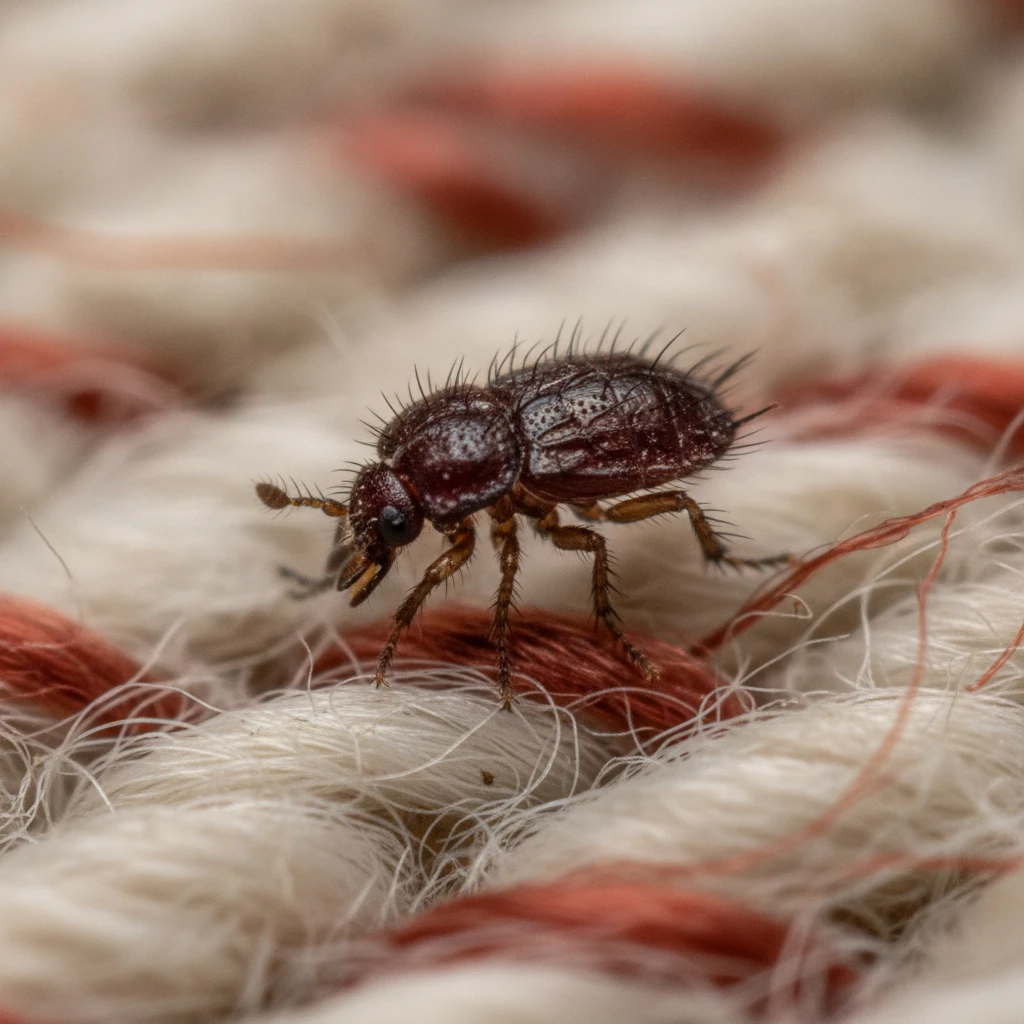
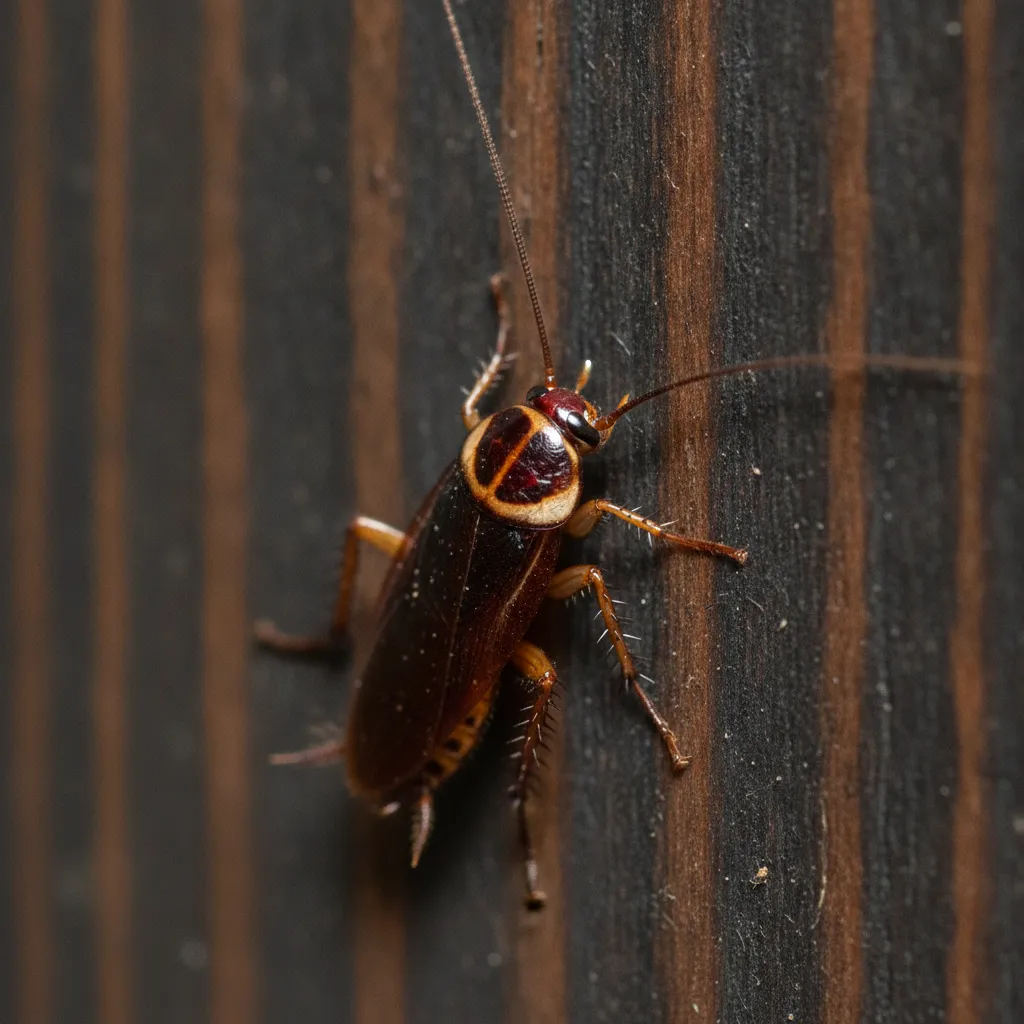
Under ideal conditions, a single pair of mice can multiply into more than 1,000 rodents within a single year. This staggering rate of exponential growth turns what might seem like a minor nuisance into a severe structural and health crisis in record time. As a cornerstone of comprehensive residential pest control, addressing these invasions requires a highly strategic and scientific approach.
Whether you are protecting a family home from costly electrical damage or contributing to broader environmental conservation efforts, understanding the core principles of rodent eradication is non-negotiable. Modern pest management goes far beyond setting a few casual traps in the attic. It demands a rigorous combination of biological understanding, structural fortification, and ongoing environmental management.
Key Takeaways
Rodent eradication requires a multi-faceted approach combining secure baiting, structural exclusion, and yard management. Professional interventions typically resolve infestations within 2 to 6 weeks. Addressing these pests promptly prevents exponential population growth and protects local biodiversity from devastating ecological impacts.
The Biological Urgency of Eradication
To truly appreciate the necessity of prompt intervention, one must understand the biological capabilities of these pests. The gestation period for a standard house mouse is merely 19 to 21 days, yielding litters of 3 to 14 pups at a time. Because females can give birth every three to four weeks, a small localized issue can rapidly escalate into a full-blown infestation.
Beyond the confines of a residential property, the ecological impact of unchecked rodent populations is devastating. In regions like New Zealand, introduced predators, including rats and mice, are responsible for the deaths of approximately 25 million native birds every single year. This staggering loss highlights why effective elimination strategies are critical not just for home preservation, but for national biodiversity.
Initiatives like Predator Free 2050 aim to completely eliminate these invasive threats to protect native species, proving that local household pest control plays a vital role in global conservation efforts.
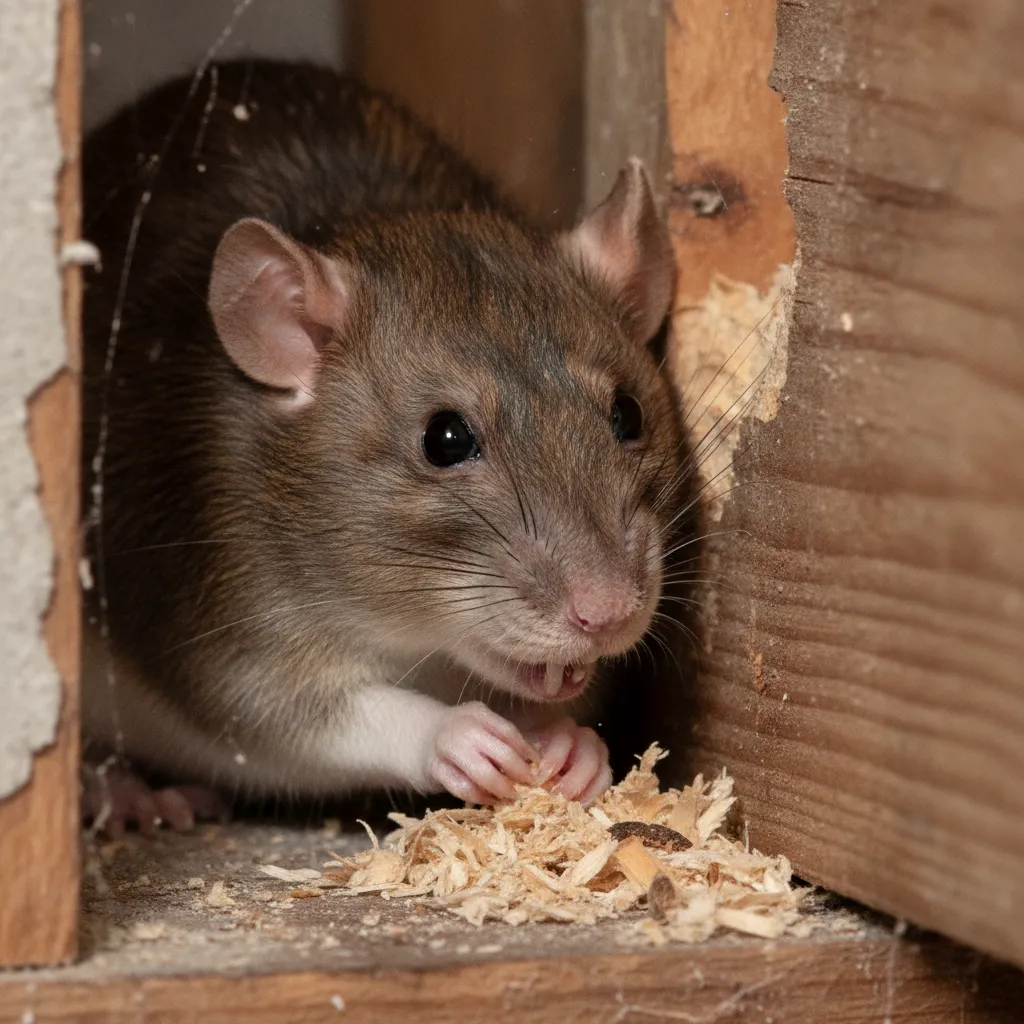
Furthermore, rodents pose severe risks to the structural integrity of buildings. A single rat can produce over 50 droppings per day, rapidly contaminating living spaces and insulation. Their biological need to constantly gnaw on hard materials leads them to destroy wooden support beams, PVC plumbing, and electrical wiring.
Mice and Rat Control: Secure Baiting and Exclusion
A successful rodent eradication strategy relies heavily on a dual approach: eliminating the current population and permanently blocking future access. Secure baiting systems are the industry standard for safely reducing active populations. These tamper-resistant stations are strategically placed along known travel routes, ensuring that toxic materials remain completely inaccessible to children, pets, and non-target wildlife.
Identifying Vulnerabilities and Entry Points
Before any bait is laid or traps are set, a comprehensive structural inspection must occur. Rats and mice can compress their bodies to squeeze through shockingly small gaps; a mouse only needs a hole the size of a dime, while a rat can breach a gap the size of a quarter. Common vulnerabilities include unsealed drainage pipes, cracked foundations, and gaps around utility line penetrations.
Sewer systems and underground pipes often provide direct, unseen pathways for rats to infiltrate commercial and residential buildings. Specialized smoke tests are sometimes required to detect these hidden breaches.
Implementing Permanent Exclusion Tactics
Exclusion is the process of physically fortifying a building to prevent re-entry. This involves caulking cracks with specialized rodent-proof sealants, installing heavy-duty wire mesh over vents, and repairing compromised roofing materials. Without rigorous exclusion, baiting alone is merely a temporary fix that will require endless repetition.
| Methodology | Primary Function | Long-Term Efficacy |
|---|---|---|
| Secure Baiting Systems | Actively reduces existing indoor and outdoor populations. | Moderate (Requires ongoing replenishment and monitoring) |
| Structural Exclusion | Physically blocks entry points using mesh, caulk, and barriers. | High (Provides permanent protection when maintained) |
| Trapping & Removal | Addresses immediate interior threats without using toxins. | Low (Only effective for the specific individuals caught) |
Why Professional Yard Services Are Crucial
The battle against household pests rarely begins inside the home; it starts at the property line. Professional yard services are an integral, yet often overlooked, component of residential pest control. Overgrown vegetation, unmanaged debris, and poorly stored firewood create ideal harborages for rodents to nest and breed before moving indoors.
Rats are exceptional climbers, frequently utilizing tree branches that touch the roofline to bypass ground-level defenses entirely. By engaging in strategic vegetation management, property owners can sever these natural highways. Maintaining a clear, defensible perimeter around the foundation removes the cover that rodents rely on to evade predators.
Keep all shrubs, bushes, and tree branches trimmed at least three feet away from your exterior walls and roofline. This simple step drastically reduces the likelihood of roof rats gaining access to your attic.
Furthermore, proper waste management in the yard is essential. Unsecured garbage bins, fallen fruit from trees, and excess bird seed act as a constant food source. Eliminating these attractants forces the local rodent population to forage elsewhere, naturally reducing the pressure on your home’s exterior defenses.
Key Metrics and Essential Standards
Tracking the progress of your rodent eradication program requires an understanding of industry-standard timelines and success metrics. A reputable intervention does not yield overnight perfection. Depending on the severity of the infestation, professional treatments typically resolve issues entirely within 2 to 6 weeks.
During this period, activity levels may temporarily spike as rodents are flushed from their hiding spots or drawn to newly placed bait stations. Measuring success involves monitoring the decline in fresh droppings, a reduction in nocturnal scratching noises, and ultimately, zero bait consumption over a sustained period.
Strict safety standards must also be upheld throughout the process. Professional exterminators utilize lockable, heavy-duty bait stations that comply with environmental safety regulations. This ensures that the aggressive measures taken to remove the pests do not inadvertently harm the surrounding ecosystem or non-target domestic animals.
Always verify that your pest control provider outlines a clear, measurable timeline—typically 2 to 6 weeks—for complete eradication. Avoid services that promise instantaneous, unrealistic results.
Navigating Service Bookings and Quotations
When investing in rodent eradication for your residential property, understanding how to evaluate a service quotation is vital. A professional quote should never be a flat fee generated over the phone without a physical inspection. True eradication requires a customized strategy based on the unique structural vulnerabilities of your home.
A comprehensive quotation should clearly delineate the costs associated with the initial inspection, the deployment of baiting or trapping systems, and the labor required for structural exclusion. Transparency in these line items ensures you are paying for a permanent solution rather than a superficial, temporary fix.
Additionally, evaluate the warranties and follow-up guarantees provided in the contract. High-quality residential pest control services will typically include a warranty period—often ranging from 3 months to a full year—guaranteeing that if the rodents return within that timeframe, the provider will address the issue at no additional cost. This level of accountability is the hallmark of a trusted professional.
- Detailed breakdown of initial inspection and assessment fees.
- Specific costs allocated for structural exclusion and sealing materials.
- Clear terms regarding follow-up visits and long-term warranties.
- Documentation of safety standards and pet-safe baiting protocols.