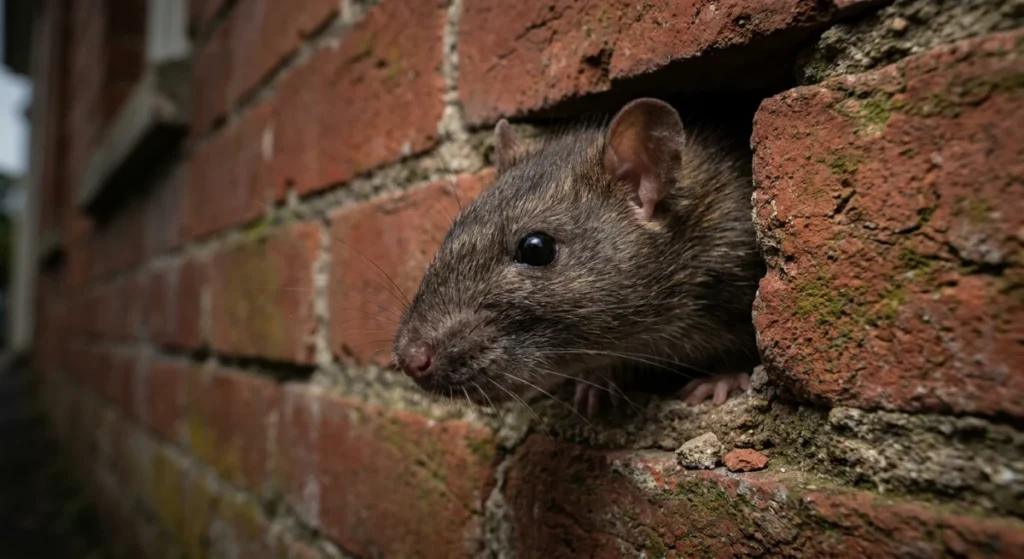
Parnell is Auckland’s oldest suburb, established back in September 1841. It is packed with beautiful heritage brickwork, high-end dining, and a massive structural headache for pest control. The autumn 2026 pest surge is currently driving rodents out of the Auckland Domain and straight into warm commercial kitchens.
If you run a restaurant or cafe here, you already know the Ministry for Primary Industries (MPI) does not mess around. A single customer spotting a cockroach can trigger a viral social media post and an immediate health inspection. You simply cannot rely on cheap DIY sprays when your business license is on the line.
We take a strictly scientific approach to hospitality pest management in Parnell. As certified experts, we focus on root-cause eradication rather than just treating the symptoms. We find out exactly how pests are getting in, and we shut the door permanently.
Key Takeaways
Effective hospitality pest management in Parnell requires predictive Integrated Pest Management (IPM) to protect heritage buildings and satisfy the Food Act 2014. Commercial kitchens must use non-toxic monitoring and zero-emission treatments applied by Level 3 certified technicians to prevent MPI closure notices.
Safeguarding Parnell’s Historic and Fine Dining Venues
New Zealand’s hospitality sector recently hit a record $15.99 billion turnover. A massive chunk of that revenue flows right through Auckland’s premium dining precincts. But operating a high-end venue in a historic suburb comes with serious infrastructural vulnerabilities.
The Food Act 2014 places the burden of proof entirely on the business owner. You cannot just react when you see a rat near the bins. You must prove to MPI auditors that you have a proactive, ongoing pest management plan in place.
Failure to show an active compliance certificate during an audit can lead to immediate operational suspension. This is why hospitality pest management Parnell is about risk mitigation, not just catching bugs. We lock pests out before they ever cross your threshold.
Failing to demonstrate an active, compliant pest management plan during an MPI audit can result in immediate operational suspension under the Food Act 2014.
The 2026 Autumn Pest Surge
Following the massive late-2025 aerial 1080 drop in the Hūnua Ranges, rat populations in rural areas plummeted. However, urban centers like Auckland are experiencing a severe autumn surge due to the preceding mild winter. Rodents are aggressively seeking shelter and food sources in commercial districts.
Parnell’s proximity to dense greenery makes it a prime target. Roof rats easily traverse overhanging branches to access the slate roofs of heritage buildings. Once inside, they quickly navigate down wall cavities into warm commercial kitchens.
You need a defense strategy that accounts for these environmental shifts. A reactive spray schedule will not stop a determined colony of rodents migrating from the Domain. You need a predictive, structural approach.
Structural Exclusion in Heritage Buildings
Parnell is famous for its 19th-century timber villas and classic brick storefronts. While these buildings look fantastic, they are highly porous and offer hundreds of entry points for rodents. You cannot just blast expanding foam into a heritage lath-and-plaster wall and hope for the best.
Our approach to hospitality pest management in Parnell relies heavily on scientific structural exclusion. We identify the exact micro-gaps where mice and cockroaches are entering from the street or subfloor. Then, we use specialized, non-destructive sealants that respect the building’s historical integrity.
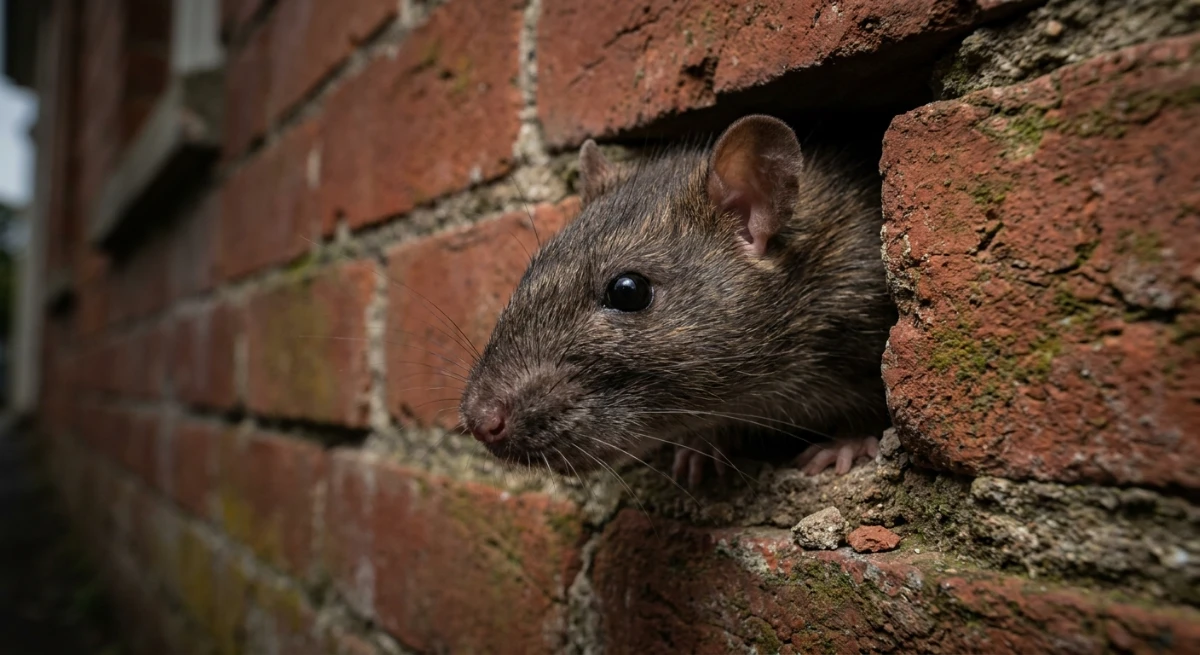
Discreet Rodent Monitoring Systems
The days of throwing toxic bait blocks around a commercial kitchen are over. Under strict HACCP guidelines and MPI regulations, toxic rodenticides are heavily restricted in sensitive food preparation areas. If an inspector finds unsecured poison near your prep stations, you will fail your audit instantly.
Instead, we install discreet, non-toxic monitoring stations and mechanical traps. These systems are checked meticulously to comply with the Animal Welfare Act 1999. If a trap is triggered, we know exactly where the breach occurred and can fix the root cause immediately.
Under the Animal Welfare Act 1999, live-capture traps must be physically inspected within 12 hours after sunrise every day. We manage this compliance burden entirely for you.
Common Pests Threatening Parnell Restaurants
Understanding your enemy is the first step in effective hospitality pest management in Parnell. Different species require completely different eradication strategies. A blanket spray simply will not work against a diverse urban pest population.
Our technicians are highly trained in entomological behavior. We identify the specific species invading your venue and tailor our zero-emission treatments accordingly. Here are the primary threats to Parnell’s commercial kitchens.
The German Cockroach
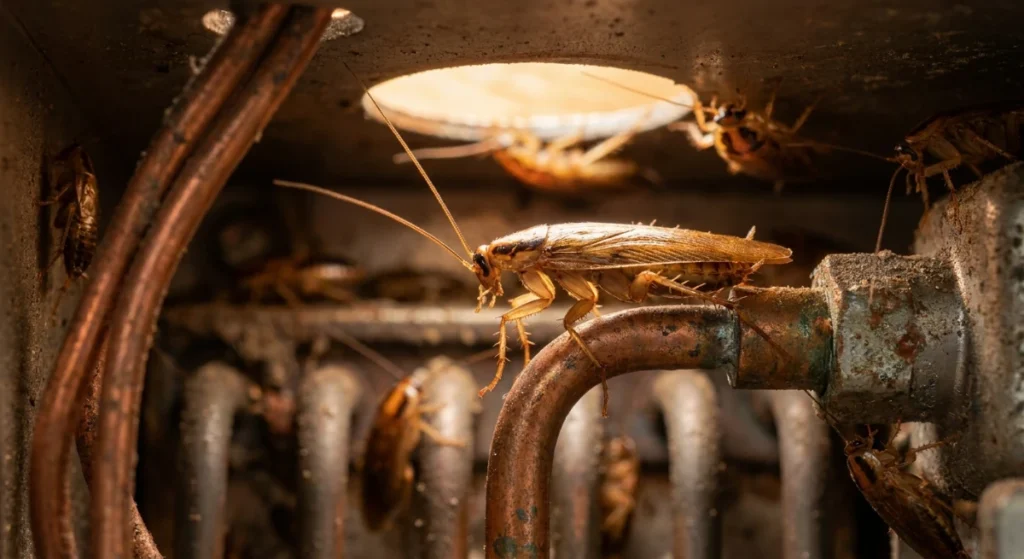
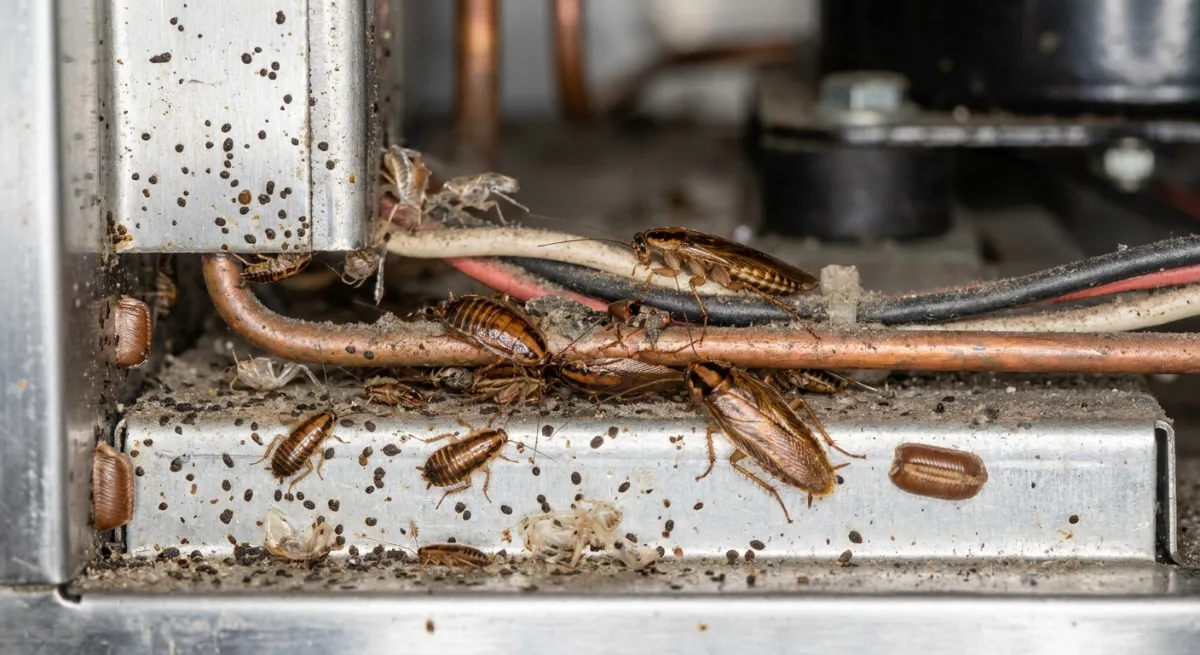
The German cockroach is the absolute bane of the hospitality industry. They thrive in warm, humid environments, making the motor housings of commercial fridges and dishwashers their perfect breeding ground. They are strictly indoor pests and are usually brought in via supplier deliveries.
Their reproductive rate is terrifying. A single female carries an egg casing, called an ootheca, which contains up to 40 nymphs. If left unchecked, a minor sighting can explode into a massive infestation within weeks. We use targeted gel baits and insect growth regulators to break their breeding cycle completely.
Roof Rats (Rattus rattus)
Unlike the ground-dwelling Norway rat, the roof rat is an incredibly agile climber. They use the dense tree canopy around Parnell’s reserves to drop directly onto heritage slate roofs. From there, they chew through aging timber to access warm wall cavities.
Because they enter from above, traditional ground-level bait stations are completely ineffective. Our predictive IPM strategy involves inspecting the roofline and sealing high-level entry points. We stop them before they ever reach your ceiling space.
Pavement Ants and Argentine Ants
Parnell’s beautiful brick courtyards and cobblestone pathways are highly vulnerable to invasive ant species. Argentine ants form massive super-colonies that can stretch across multiple properties. They will march straight into your kitchen looking for sugar and protein sources.
Surface sprays only kill the worker ants, leaving the queens deep underground to reproduce. We use slow-acting, non-repellent baits that the workers carry back to the nest. This is the only way to achieve total colony eradication.
Stored Product Pests
Indian meal moths and flour weevils are a silent threat to your dry goods storage. They do not enter from the street; they are brought in hidden inside bulk bags of flour, grains, and spices. Once inside your pantry, they will rapidly contaminate thousands of dollars worth of stock.
We implement strict inspection protocols for incoming deliveries. By using pheromone monitoring traps in your storage areas, we catch early signs of a breach. This saves your stock and protects your bottom line.
Aligning with High-End Brand Reputations
Your customers pay a premium to dine in Parnell. They expect an immaculate, safe, and hygienic environment from the moment they walk in. A single German cockroach scurrying across a dining room floor can permanently destroy a carefully cultivated brand reputation.
We use advanced, zero-emission treatments that are completely invisible to your patrons. There are no lingering chemical smells, no unsightly bait stations in the dining room, and no disruption to your service hours. We operate discreetly, often working after hours to ensure your venue remains pristine.
We stand by our work with the Silver Bullet Guarantee. This means we do not just suppress the current infestation; we guarantee long-term eradication. If pests return between scheduled IPM visits, so do we, at no extra cost.
Waiting until you see a pest during the day means a massive infestation is already established behind your walls. The cost of replacing contaminated stock and surviving forced closure days far exceeds the price of a predictive IPM subscription.
Comprehensive Reporting for Property Managers
Commercial leases in historic areas often blur the lines of responsibility between landlords and tenants. When a rat infestation shuts down a cafe, disputes over who pays the exterminator can drag on for months. Clear, legally compliant documentation is the only way to resolve these conflicts.
As Level 3 Qualified UPM Contractors, we provide detailed service reports after every single visit. These logs document exactly what was found, what zero-emission treatments were applied, and what structural repairs the landlord needs to authorize. This paperwork is your shield during Tenancy Tribunal disputes or MPI audits.
| Feature | Predictive IPM (Our Approach) | Reactive Spraying (The Old Way) |
|---|---|---|
| MPI Compliance | Proactive documentation satisfies Food Act 2014 | Fails audits due to lack of ongoing monitoring |
| Chemical Usage | Zero-emission, targeted gel baits | Broad-spectrum toxic surface sprays |
| Root Cause Fix | Structural exclusion and entry-point sealing | Temporary symptom suppression only |
| Business Disruption | Discreet, after-hours servicing | Requires vacating premises and halting prep |
What MPI Auditors Look For
When a health inspector walks through your doors, they want to see a documented history of compliance. They are not just looking for a clean kitchen; they are looking for proof of ongoing diligence. If you cannot produce these documents immediately, your ‘A’ Grade rating is in jeopardy.
Your compliance folder must include:
- Detailed site maps showing all non-toxic monitoring station locations.
- Safety Data Sheets (SDS) for any targeted treatments applied on-site.
- Service logs from a Level 3 certified urban pest management professional.
- Trend analysis reports showing proactive responses to early pest activity.
We manage this entire paperwork burden for you. You can focus on running your restaurant while we keep the auditors happy.
Schedule a Parnell Hospitality Pest Audit
The pest control industry is evolving rapidly. With Auckland preparing to host the FAOPMA Pest Summit in July 2026, the focus is shifting entirely to FutureProof digital and eco-conscious solutions. You cannot afford to rely on outdated, toxic spray methods anymore.
If your current pest controller is just spraying baseboards and handing you a handwritten invoice, your business is at risk. It is time to upgrade to a predictive, scientific model. We provide the definitive hospitality pest management Parnell service.
Protect your business, your staff, and your customers. Contact us today to schedule a comprehensive, zero-obligation compliance audit for your venue. We will tell you plainly what is going on and what happens next.
Secure your ‘A’ Grade rating today. Call us to arrange a fully documented, discreet pest assessment tailored specifically for Parnell heritage venues.
Frequently Asked Questions

About the Author: Ronnie
Founder, Pest Control Auckland · Commercial & Residential Pest Expert · Certified Urban Pest Management Specialist
With years of experience managing complex biosecurity compliance for Auckland’s top restaurants, Ronnie understands the unique structural challenges of Parnell’s heritage buildings. He holds a Level 3 Urban Pest Management certification and specializes in zero-emission commercial Integrated Pest Management (IPM).