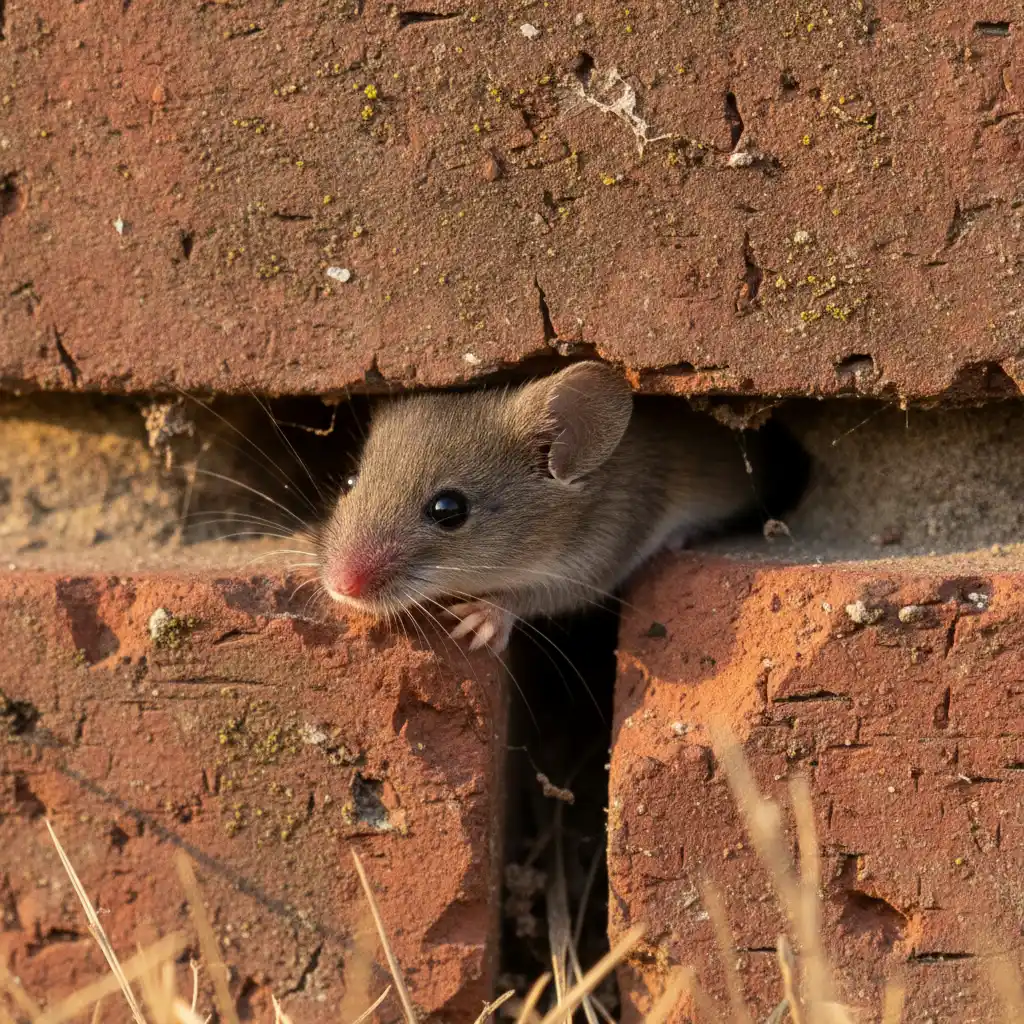
Across the globe, urban centers are experiencing what scientists call a “perfect rat storm.” Driven by climate warming, dense human populations, and rapid urbanization, rodent numbers are skyrocketing at unprecedented rates. In fact, recent data from a 16-city global study revealed that cities experiencing greater temperature increases over time are seeing massive spikes in rat activity, forcing property owners to rethink their pest management strategies.
This alarming surge means that traditional, reactive pest control is no longer sufficient. Today, achieving total rat eradication requires a deeply scientific approach that targets the specific biology and behavioral patterns of the invading species. Whether you are dealing with subterranean dwellers or agile aerial climbers, understanding the enemy is the first critical step toward reclaiming your space.
From global island conservation projects to localized urban pest management, the methodologies behind successful rat eradication have evolved significantly. This comprehensive guide explores the advanced strategies, biological differences, and essential standards required to permanently eliminate rodent populations from residential and commercial environments.
Key Takeaways
Effective rat eradication requires identifying the specific species—Norway rats prefer ground-level burrows, while Roof rats nest in elevated spaces. Success depends on integrated pest management, including structural exclusion, strict sanitation, targeted trapping, and professional yard maintenance to eliminate harborage areas and food sources.
The Science of Rat Eradication: Why Populations Are Surging
To understand the urgency behind professional rat eradication, one must look at the alarming data regarding rodent population growth. Recent biological studies indicate that warming global temperatures are expanding the seasonal activity periods for rats. This allows them to stay active longer into the winter and begin foraging earlier in the spring, translating to more reproductive cycles per year.
When you combine this climate shift with dense urban housing and aging infrastructure, the results are explosive. Researchers analyzing public sightings and infestation reports over the past decade found staggering increases in major metropolitan areas. This data proves that passive pest control is failing, and proactive rat eradication strategies are urgently required.
Because rats can produce up to six litters a year—with each litter containing up to twelve young—a minor rodent issue can become a severe infestation in a matter of months. The compounding nature of their breeding cycle means that delaying treatment exponentially increases the difficulty and cost of removal. Effective eradication halts this breeding cycle entirely by targeting both the adult population and their nesting sites.
A single pair of rats can theoretically produce millions of descendants in just a few years under ideal conditions. Immediate intervention is required at the first sign of activity to prevent a localized population explosion.
Targeted Solutions: Norway Rats vs. Roof Rats
A fundamental rule of rat eradication is that there is no universal, one-size-fits-all solution. The two most common invasive species—the Norway rat and the Roof rat—exhibit drastically different physical traits, nesting preferences, and dietary habits. Misidentifying the target species is the primary reason many DIY pest control attempts fail.
For instance, placing bait stations on the ground will do little to eliminate a colony of Roof rats living in your attic. Conversely, setting traps in high rafters will completely miss a Norway rat infestation brewing in your basement or subfloor. Understanding these biological differences is the cornerstone of targeted eradication.
Identifying the Norway Rat (Rattus norvegicus)
The Norway rat, also known as the brown rat or sewer rat, is a robust, stocky rodent built for digging. They typically weigh between 12 to 17 ounces and feature a blunt nose and small ears. One of their most distinguishing physical characteristics is their tail, which is noticeably shorter than their total head and body length.
Behaviorally, Norway rats are fossorial, meaning they evolved to live in burrows and prefer ground-level habitats. In residential spaces, they are most commonly found in basements, crawlspaces, under concrete slabs, and along building foundations. They are omnivorous and highly opportunistic, thriving on garbage, pet food, and discarded organic matter.
Identifying the Roof Rat (Rattus rattus)
In stark contrast, the Roof rat (or black rat) is a sleek, slender, and highly agile climber. Weighing only 5 to 9 ounces, they possess a pointed snout, large ears, and a long, hairless tail that extends beyond their body length—acting as a crucial balancing tool. If you can fold a rat’s ear over its eye and it covers it easily, you are likely looking at a Roof rat.
Roof rats are arboreal by nature, preferring to nest in elevated locations. They frequently use overhanging tree branches or utility lines as highways to access roofs, soffits, and attics. While they have historically preferred warmer, coastal climates, modern climate changes and urban heat islands are allowing them to expand their habitable range significantly.
| Characteristic | Norway Rat | Roof Rat |
|---|---|---|
| Body Build | Stocky, heavy, robust (12-17 oz) | Slender, sleek, agile (5-9 oz) |
| Tail Length | Shorter than head + body | Longer than head + body |
| Preferred Habitat | Ground level, basements, burrows, sewers | Elevated spaces, attics, trees, rafters |
| Dropping Shape | Capsule-shaped, blunt ends (~18-20mm) | Spindle-shaped, pointed ends (~12-15mm) |
The Value of Professional Yard Management
A crucial, yet often overlooked, component of comprehensive rat eradication is exterior environmental management. Rodents do not spontaneously appear inside structures; they are drawn to properties that offer exterior food sources, water, and safe harborage. Managing the yard and immediate perimeter is essential to breaking the infestation cycle.
Overgrown vegetation, dense ivy, unmanaged compost piles, and stacked firewood create perfect nesting grounds for rodents. For Roof rats, untrimmed tree branches resting against a roofline serve as a direct bridge into the attic. By altering the landscape, property owners can strip away the environmental factors that rodents rely on for survival.
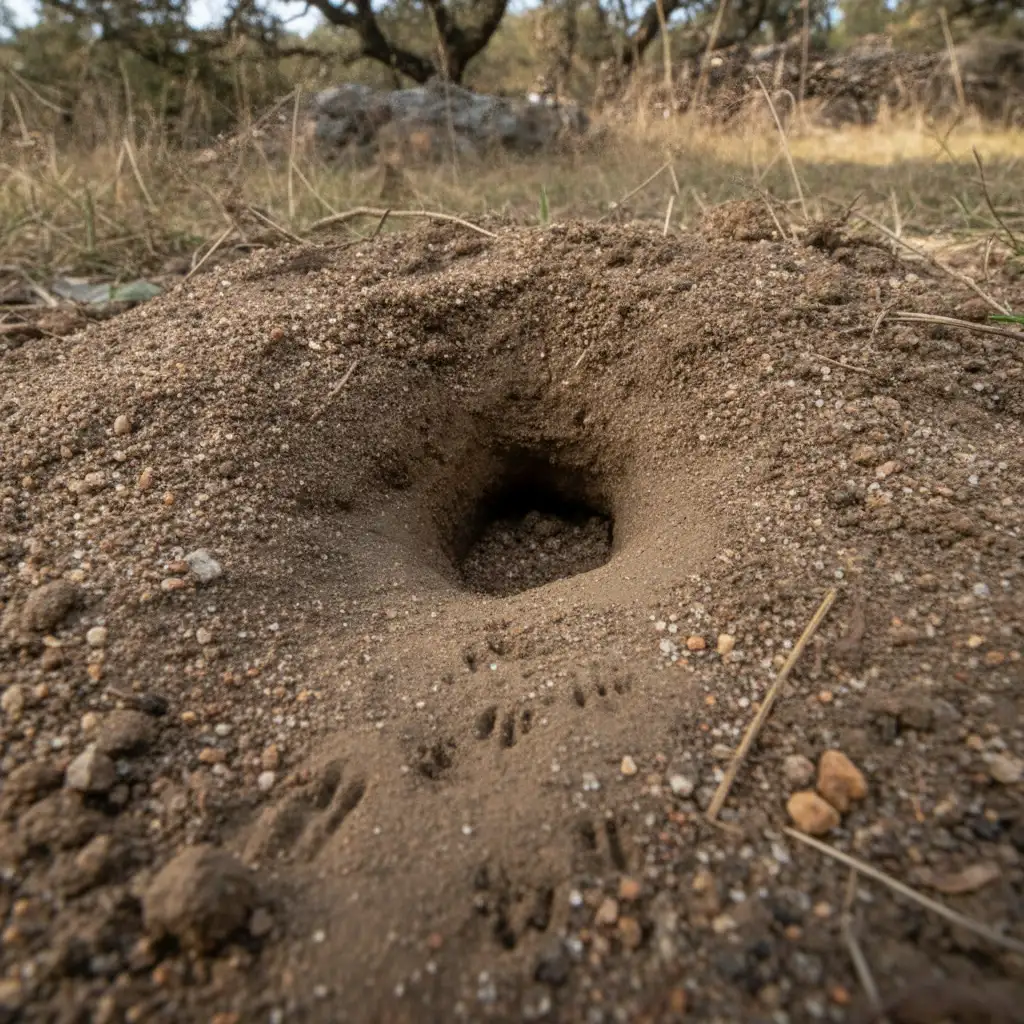
Professional yard management in the context of pest control focuses on “harborage reduction.” This means maintaining a sterile barrier—typically 18 to 24 inches wide—between landscaping and the building’s foundation. It also involves securing outdoor trash receptacles, removing fallen fruit from trees, and ensuring proper drainage to eliminate standing water.
Trim all tree branches back at least 6 feet from your roofline. This simple landscaping adjustment removes the primary entry highway used by agile Roof rats to invade attics and soffits.
Key Metrics & Essential Standards
The science of rat eradication is heavily data-driven. On a macro scale, global conservationists have executed over 900 successful island animal eradications to protect native biodiversity. Techniques pioneered in these extreme environments—such as grid-based baiting and meticulous population monitoring—have heavily influenced modern urban pest management standards.
In urban and residential settings, success is measured by the complete cessation of rodent activity and the prevention of future ingress. Achieving a 100% eradication rate requires strict adherence to industry standards, encompassing inspection, exclusion, elimination, and ongoing monitoring.
Essential standards for a successful eradication program include:
- Comprehensive Structural Exclusion: Sealing all potential entry points larger than a quarter-inch using chew-proof materials like galvanized steel mesh, copper mesh, and professional-grade silicone.
- Species-Specific Trapping: Utilizing the correct mechanical traps and bait formulations tailored to the specific dietary preferences and behavioral traits of the identified rat species.
- Sanitation Protocols: Implementing rigorous cleaning measures to remove pheromone trails, nesting materials, and droppings that attract new rodents to the area.
- Data-Driven Monitoring: Tracking bait consumption rates and trap catches to map population decline and verify that the colony has been completely eliminated.
Inspect your property’s perimeter quarterly. Focus on utility penetrations, crawlspace vents, and weather stripping around garage doors. Seal any gap larger than a dime immediately.
Understanding Eradication Costs and Service Quotes
When researching rat eradication services, property owners often wonder how pest management professionals calculate their costs. Unlike simple preventative spraying, eradication is a multi-step, labor-intensive process. It requires specialized knowledge of rodent biology, structural engineering for exclusion work, and safe handling of hazardous bio-waste.
The cost of a comprehensive eradication program is rarely a flat fee. It is heavily influenced by the severity of the infestation, the size and age of the structure, and the specific species involved. For example, a severe Roof rat infestation in a multi-story attic will require far more labor and safety equipment than a localized Norway rat burrow in an accessible garden bed.
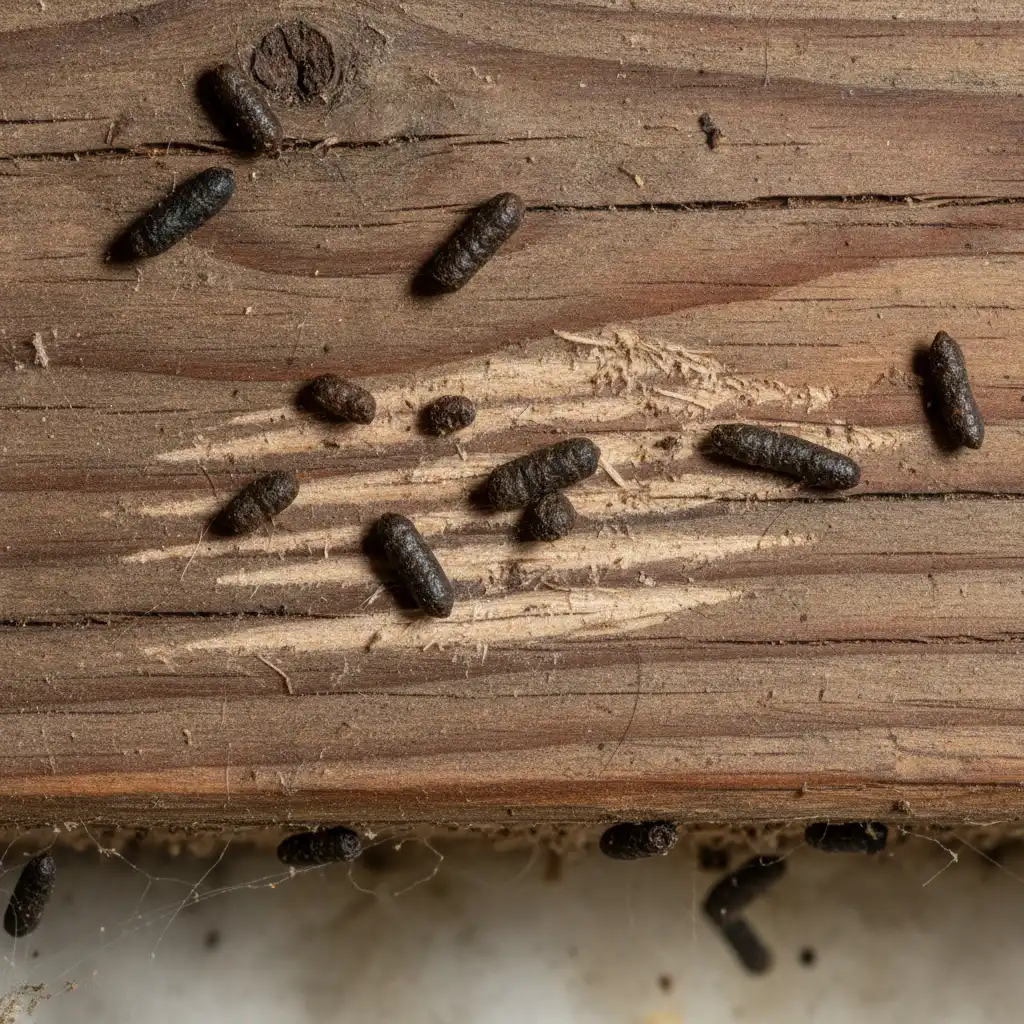
A professional service quote should clearly outline the phases of treatment. This typically begins with a thorough diagnostic inspection to identify entry points and nesting zones. The quote should then detail the exclusion phase, which involves sealing the home against future entry. Finally, it will cover the active trapping and removal phase, along with sanitation services to clean up hazardous droppings and contaminated insulation.
Investing in a rigorous, scientifically-backed eradication program is far more cost-effective in the long run than relying on temporary fixes. Proper exclusion and behavioral management ensure that once the current population is removed, the property remains permanently secure against future rodent threats.
Extensive sanitation and insulation replacement are often the most significant cost drivers in an eradication quote. Addressing a rodent issue early minimizes the structural damage and biological contamination that inflate these costs.