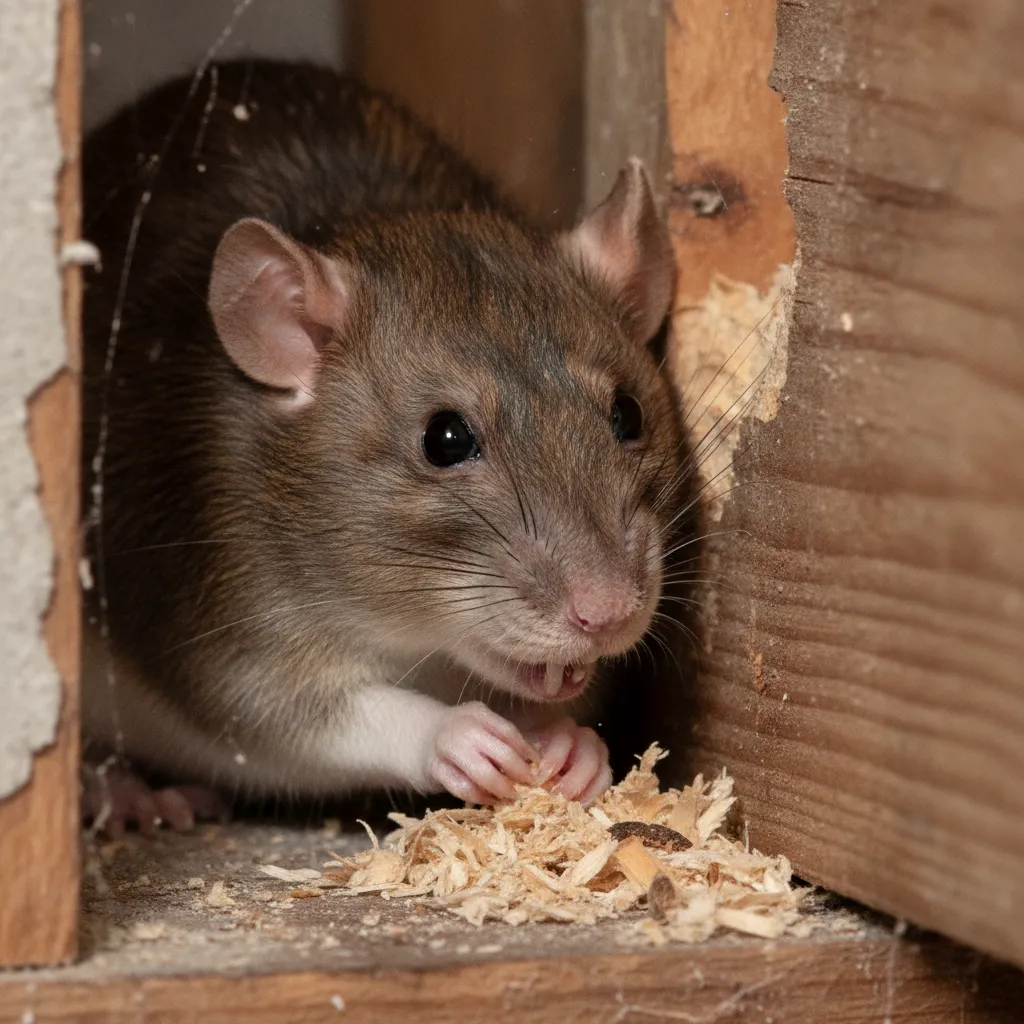
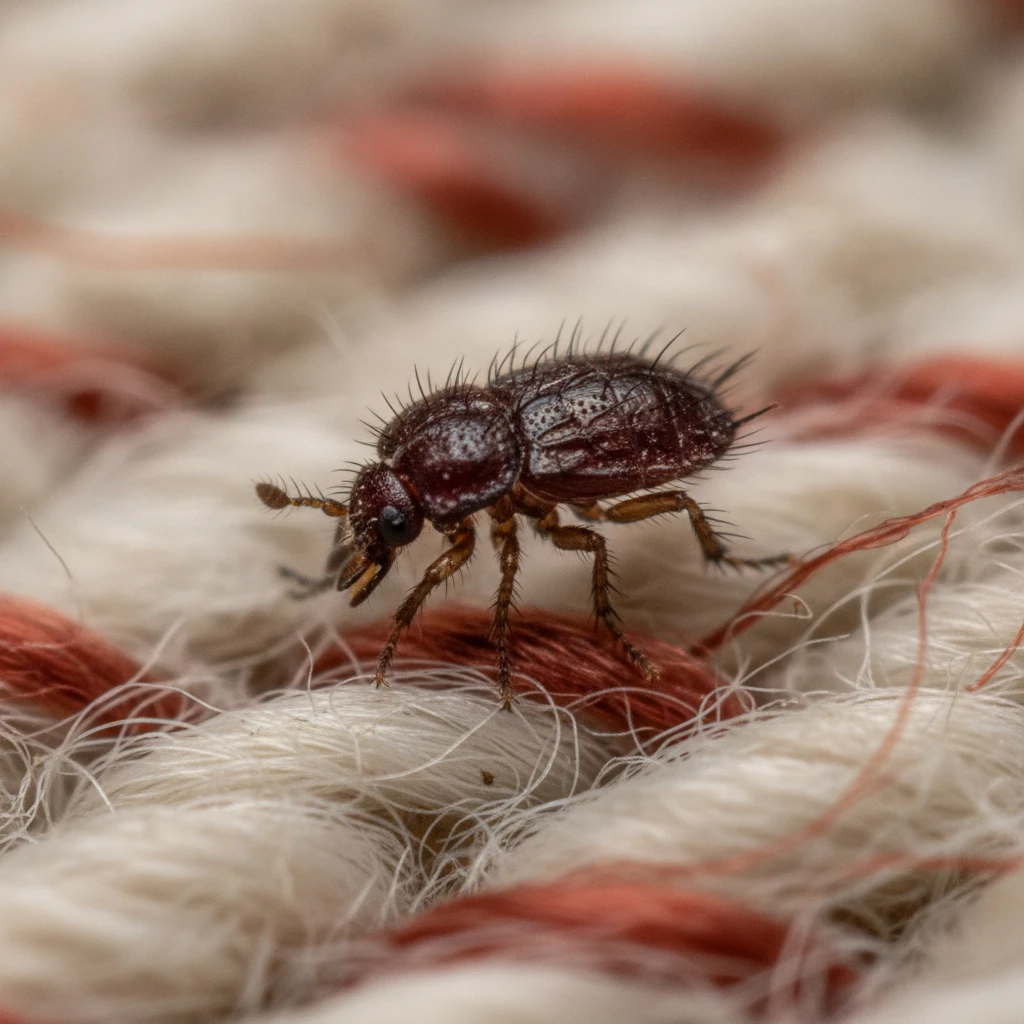
Imagine settling into your kitchen for a quiet evening, only to spot a shadow darting across the countertop. The sudden appearance of crawling pests shatters the comfort of your home and signals a much deeper, hidden problem. Effective Ant & Cockroach Control is not just about eliminating the insects you can see; it is about uncovering the thousands hiding behind your walls.
These resilient invaders multiply rapidly, compromising hygiene and structural integrity in record time. A minor sighting can escalate into a full-blown infestation in a matter of weeks if left unchecked. Implementing a professional strategy is the only way to reclaim your space and ensure a safe, sanitary environment.
Key Takeaways
Effective Ant & Cockroach Control requires targeted elimination and preventative barrier treatments to eradicate hidden nests. Professional integrated pest management goes beyond DIY sprays by utilizing precision baits, exterior yard defense, and strict safety standards to ensure long-term protection against disease-carrying crawling insects.
Introduction to Ant & Cockroach Control
The Hidden Threats in Your Environment
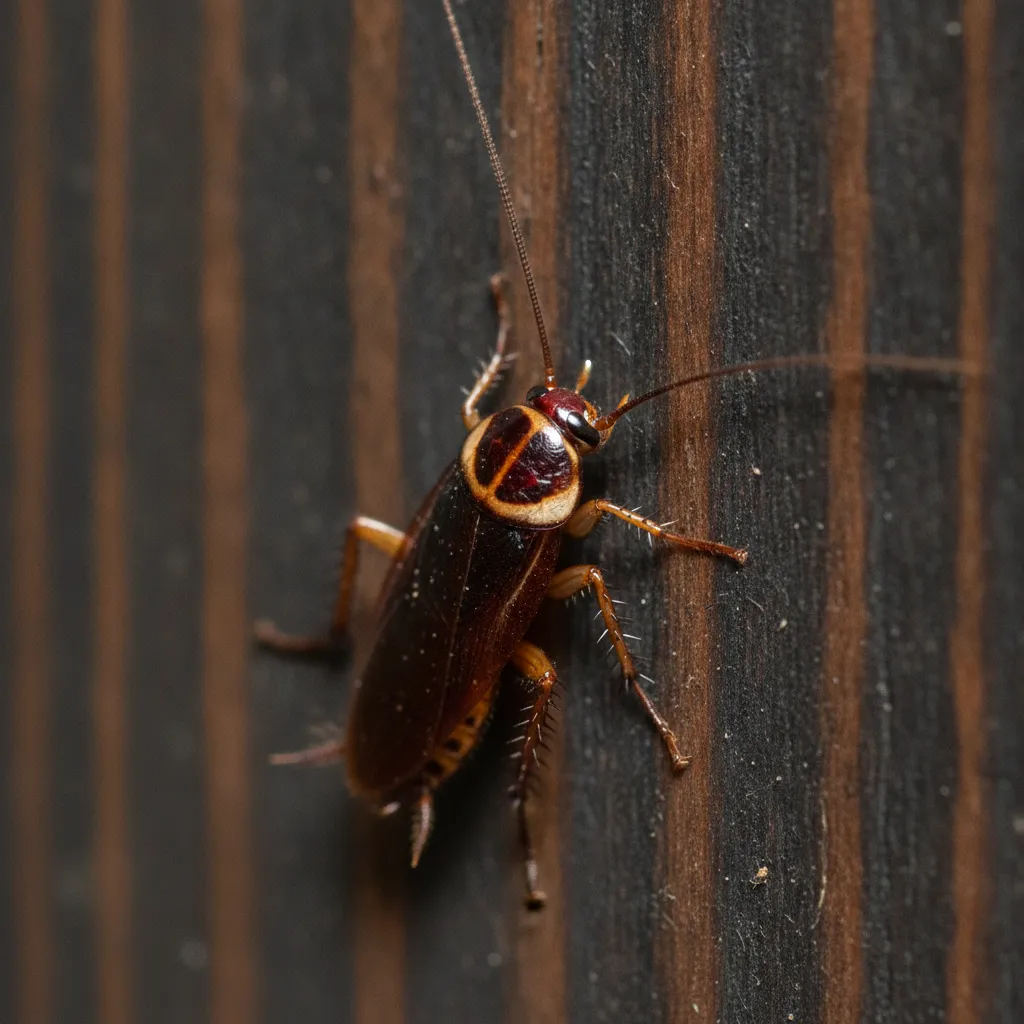
Cockroaches and ants are far more than mere household nuisances. They act as highly efficient mechanical vectors for dangerous pathogens and harmful bacteria. Research confirms that cockroaches frequently transport gastrointestinal parasites, including Ascaris lumbricoides and Salmonella, directly onto food preparation surfaces.
Ignoring a minor pest sighting often leads to deeply entrenched infestations that threaten public health. Furthermore, roach droppings and shed skins are notorious triggers for severe asthma and allergic reactions, particularly in young children. Swift, decisive intervention is absolutely critical to protecting your indoor air quality and overall well-being.
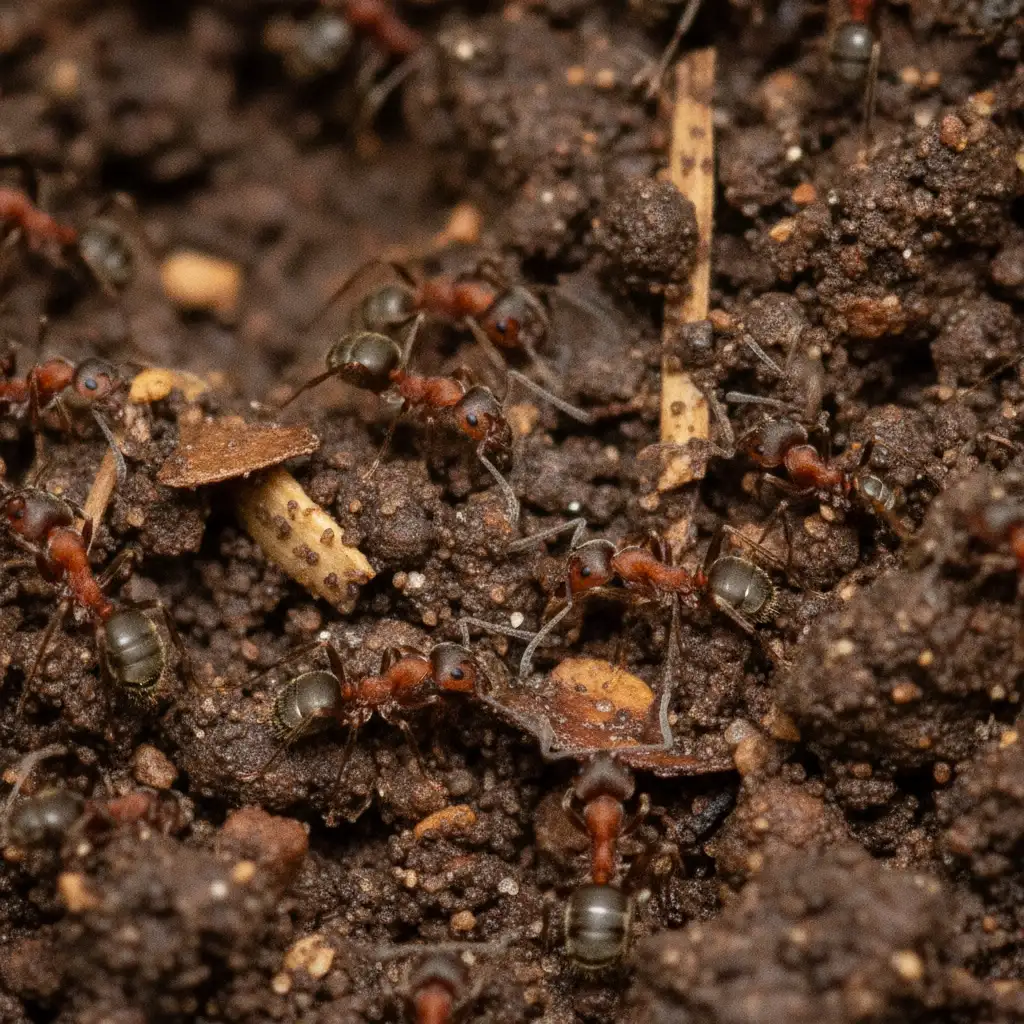
Ants present an equally destructive, albeit different, set of challenges. Invasive species, such as the Red Imported Fire Ant, establish massive supercolonies that dominate landscapes and pose significant stinging hazards. Certain ant varieties can even undermine soil stability and chew through electrical wiring, creating severe fire risks.
Biological Behaviors Driving Infestations
Understanding the unique biology of these pests is the foundational step in effective Ant & Cockroach Control. Cockroaches are nocturnal scavengers that instinctively seek out warm, damp micro-environments, such as the voids behind kitchen appliances. They can survive for extended periods on microscopic amounts of organic matter.
This remarkable resilience makes it incredibly difficult to starve a cockroach population out of a building. They reproduce via protective egg cases called oothecae, which are highly resistant to standard over-the-counter chemical sprays. Extermination requires breaking this rapid reproductive cycle entirely.
Ants operate through a complex, highly organized caste system driven by chemical pheromone trails. When a single scout ant discovers a viable food source, it immediately alerts the entire colony, summoning thousands of workers. This highly coordinated behavior explains why a spotless kitchen can suddenly be overrun by ants overnight.
Targeted Elimination and Preventative Barrier Treatments
Precision Baiting and Chemical Extermination
Modern extermination methodology relies heavily on strategic, science-backed treatments rather than indiscriminate spraying. Professionals utilize advanced, slow-acting gel baits that target the very heart of the insect colony. When foraging pests consume the bait, they do not die immediately.
Instead, they carry the active ingredients back to their hidden nesting sites, sharing the compound with the rest of the population. This transfer effect ensures that the entire colony, including the reclusive queens, is completely eradicated. It is a cornerstone technique for achieving permanent results.
Using generic aerosol bug sprays can cause ant colonies to undergo a process called ‘budding,’ where the colony fractures and splits into multiple new nests, ultimately worsening the infestation.
Establishing Long-Term Perimeter Defenses
Once the interior pest population is neutralized, the focus immediately shifts to keeping new invaders out. Preventative barrier treatments involve applying specialized, micro-encapsulated formulas around the exterior foundation of the property. This invisible shield strongly binds to porous surfaces like brick, concrete, and soil.
The micro-capsules break down slowly over time, providing a sustained residual effect that lasts for months. Any crawling insect that crosses this treated zone absorbs the compound and perishes long before breaching the building’s interior. Regular reapplication of these barriers is vital for adapting to seasonal pest pressures.
Common Entry Points to Secure
To maximize the efficacy of chemical barriers, physical exclusion methods must also be rigorously employed. Pests can easily squeeze through structural gaps as thin as a standard credit card.
- Weep holes in brickwork and gaps around utility pipe penetrations.
- Damaged or missing weatherstripping beneath exterior doors and ground-floor windows.
- Cracks in the foundation or deteriorating expansion joints in concrete slabs.
- Overhanging tree branches that provide a direct, untreated bridge to the roofline.
Why Choose Professional Yard Services
Beyond Surface-Level DIY Methods
Many property owners attempt to tackle outdoor infestations using basic hardware store granular treatments or liquid drenches. Unfortunately, these consumer-grade products often lack the potency and stability required to penetrate deep soil nests. They frequently wash away during the first heavy rainfall.
Professional yard services utilize commercial-grade formulations specifically designed for maximum environmental stability and deep root-zone penetration. Investing in expert Ant & Cockroach Control for your exterior spaces stops the breeding cycle at its absolute source. Professionals can accurately identify the specific species and apply targeted insect growth regulators (IGRs).
You can significantly reduce outdoor pest populations by eliminating standing water, repairing leaking garden hoses, and ensuring gutters drain properly away from the foundation.
Integrated Pest Management (IPM) in Outdoor Spaces
Integrated Pest Management (IPM) is a holistic approach that balances precise chemical treatments with strategic environmental modifications. It focuses heavily on long-term prevention by altering the habitat to make it less hospitable to crawling insects. This includes managing mulch depth and trimming vegetation away from structural walls.
By addressing the root causes of pest attraction, IPM dramatically reduces the reliance on heavy, broad-spectrum pesticide applications. This eco-conscious strategy protects beneficial pollinating insects while effectively neutralizing targeted threats. It represents the highest standard of modern property care.
Key Metrics & Essential Standards
Industry Growth and Efficacy Rates
The global demand for reliable, professional pest management is surging rapidly due to increased urbanization and shifting climate patterns. In 2024, the global pest control market was valued at approximately USD 24.6 billion. By 2033, industry forecasts project this value to reach nearly USD 41.8 billion, reflecting a strong compound annual growth rate of 6.1%.
This rapid economic expansion is driven by the increasing need for advanced, sustainable pest solutions across both residential and commercial sectors. Property owners are increasingly recognizing that professional intervention is the most cost-effective way to achieve guaranteed efficacy rates against resilient urban pests.
Regulatory Compliance and Safety
Modern pest control operators are strictly bound by comprehensive environmental and public health regulations. All approved chemical formulations undergo rigorous laboratory testing to ensure they are safe for use around humans and domestic pets when applied correctly. Safety is never compromised for the sake of convenience.
Technicians receive extensive training in precise dosage calculations and strategic product placement to minimize any non-target exposure. Adhering to these essential industry standards guarantees that treatments are both highly effective and environmentally responsible.
| Feature | DIY Methods | Professional Control |
|---|---|---|
| Efficacy | Low to Moderate | High (Guaranteed Elimination) |
| Cost Over Time | Low initial, High long-term | Moderate initial, Low long-term |
| Safety Profile | High risk of misapplication | Strict regulatory compliance |
| Duration of Relief | Short-term suppression | Long-term barrier protection |
Service Bookings & Quotations
How to Evaluate a Pest Control Quote
When seeking out effective Ant & Cockroach Control, comparing service quotations requires careful attention to the finer details. A comprehensive, professional quote should clearly outline the exact pest species targeted, the proposed treatment methodology, and the specific commercial products being utilized.
Transparency is a fundamental hallmark of a reputable pest management provider. Be inherently wary of exceptionally low estimates, as they often indicate the use of generic, diluted chemicals or rushed, incomplete labor. A quality quotation will always factor in the size of the property and the severity of the infestation.
Always check if the quotation includes a service warranty. Reputable providers will offer free re-treatments if the targeted pests return within a specified timeframe.
Navigating Scheduling and Ongoing Maintenance
Eradicating a severe insect infestation is rarely a simple, one-time event. Pests have complex, multi-stage life cycles, and dormant eggs can hatch weeks after the initial treatment has been applied. Ongoing maintenance plans are absolutely essential to disrupt this cycle permanently.
Scheduling quarterly or bi-annual barrier treatments ensures that your property’s defensive perimeter remains intact year-round. Consistent monitoring allows trained technicians to identify and neutralize new pest pressures before they have the chance to escalate into full-blown structural infestations.
Prior to your scheduled service, ensure all food items are sealed, floors are thoroughly vacuumed, and clutter is removed to allow technicians unrestricted access to skirting boards and corners.