Small and medium enterprises face a silent, multi-billion-dollar threat that can destroy inventory and ruin reputations overnight. In the United States alone, businesses suffer approximately $6.8 billion in costs from pest damage annually.
Furthermore, rodent infestations contribute to a staggering $19 billion economic burden across the broader economy. Implementing a robust strategy for SME Pest Maintenance is no longer just an optional precaution; it is a critical operational requirement.
Research indicates that nearly 90% of all businesses will experience some form of pest infestation within a five-year span. From supply chain delays to temporary closures, the fallout from a single pest sighting can be devastating in today’s digital review culture. Proactive management is the only reliable defense against these persistent biological threats.
Key Takeaways
SME Pest Maintenance requires scheduled, proactive treatments to protect commercial inventory, ensure strict regulatory compliance, and prevent costly operational downtime. By implementing professional exterior grounds management and tracking key hygiene metrics, small businesses can cost-effectively safeguard their reputation and avoid severe financial penalties.
The Financial Reality of Commercial Infestations
Understanding the financial impact of pests is the first step toward effective facility management. Reactive pest control is inherently more expensive than proactive maintenance because it only addresses the problem after structural or inventory damage has already occurred.
When pests infiltrate a commercial space, the direct costs include damaged goods, contaminated food supplies, and urgent structural repairs. Indirect costs are often much more severe, encompassing wasted workdays, supply chain delays, and catastrophic damage to brand reputation.
Small businesses operate on tight financial margins, meaning a sudden closure for emergency fumigation can completely derail quarterly revenue targets. Investing in scheduled maintenance acts as a vital insurance policy against these unpredictable financial shocks.
Cost-Effective Scheduled Pest Control for Small to Medium Businesses
A foundational pillar of effective SME Pest Maintenance involves shifting from a reactive mindset to a scheduled, preventative approach. Scheduled services create a predictable operational expense rather than a sudden, catastrophic capital drain.
By implementing recurring inspections, trained technicians can identify early warning signs before a full-blown infestation takes root. This allows for localized, low-toxicity treatments that do not disrupt daily business operations or endanger staff health.
Modern commercial pest control relies heavily on Integrated Pest Management (IPM) principles. This methodology prioritizes environmental modifications, strict sanitation, and routine monitoring over the blanket application of chemical pesticides.
Closing your business for just two days to address a severe infestation can cost more in lost revenue than an entire year of scheduled preventative pest maintenance.
Implementing a scheduled maintenance plan provides several distinct advantages for growing businesses. These benefits extend far beyond simply keeping insects and rodents out of the building.
- Predictable budgeting with fixed monthly or quarterly service costs.
- Continuous compliance with local health codes and industry safety regulations.
- Enhanced employee morale by providing a safe, sanitary work environment.
- Protection of physical assets, including wiring, insulation, and stored inventory.
Common Pests Threatening Commercial Facilities
Different industries face unique biological threats, but certain pests universally plague commercial facilities across the globe. Rodents, for instance, are notorious for gnawing through electrical wiring, creating severe fire hazards in warehouses and offices.
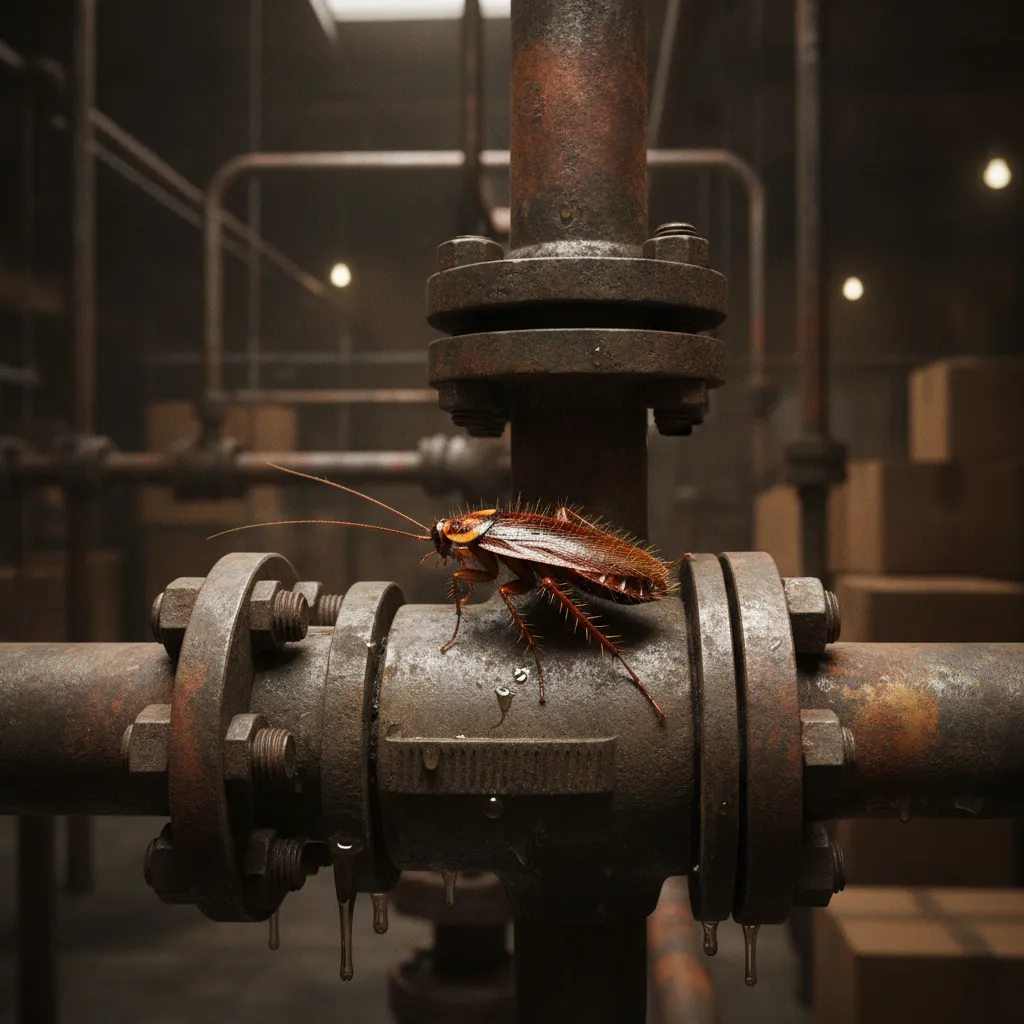
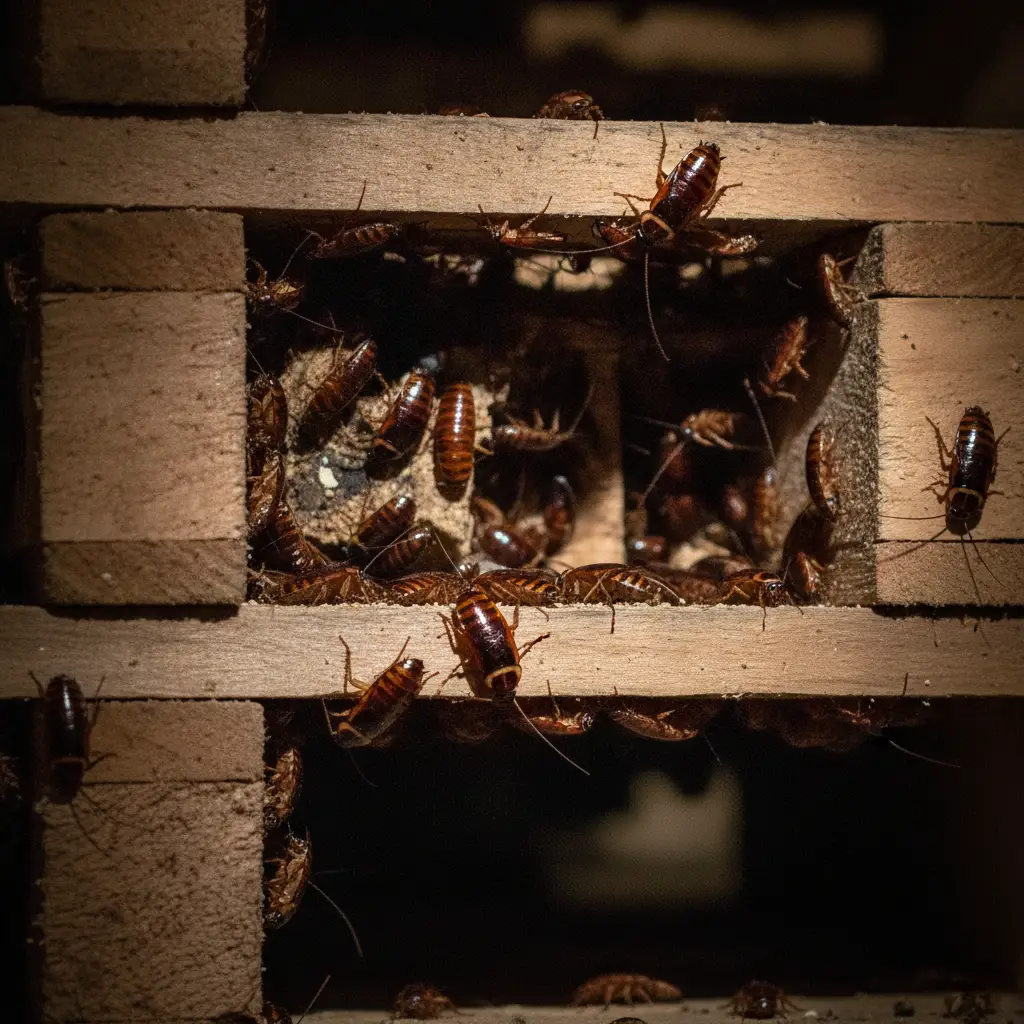
Cockroaches pose a massive threat to the food and hospitality sectors due to their ability to spread pathogens like Salmonella and E. coli. A single sighting by a health inspector can result in immediate operational shutdowns and steep regulatory fines.
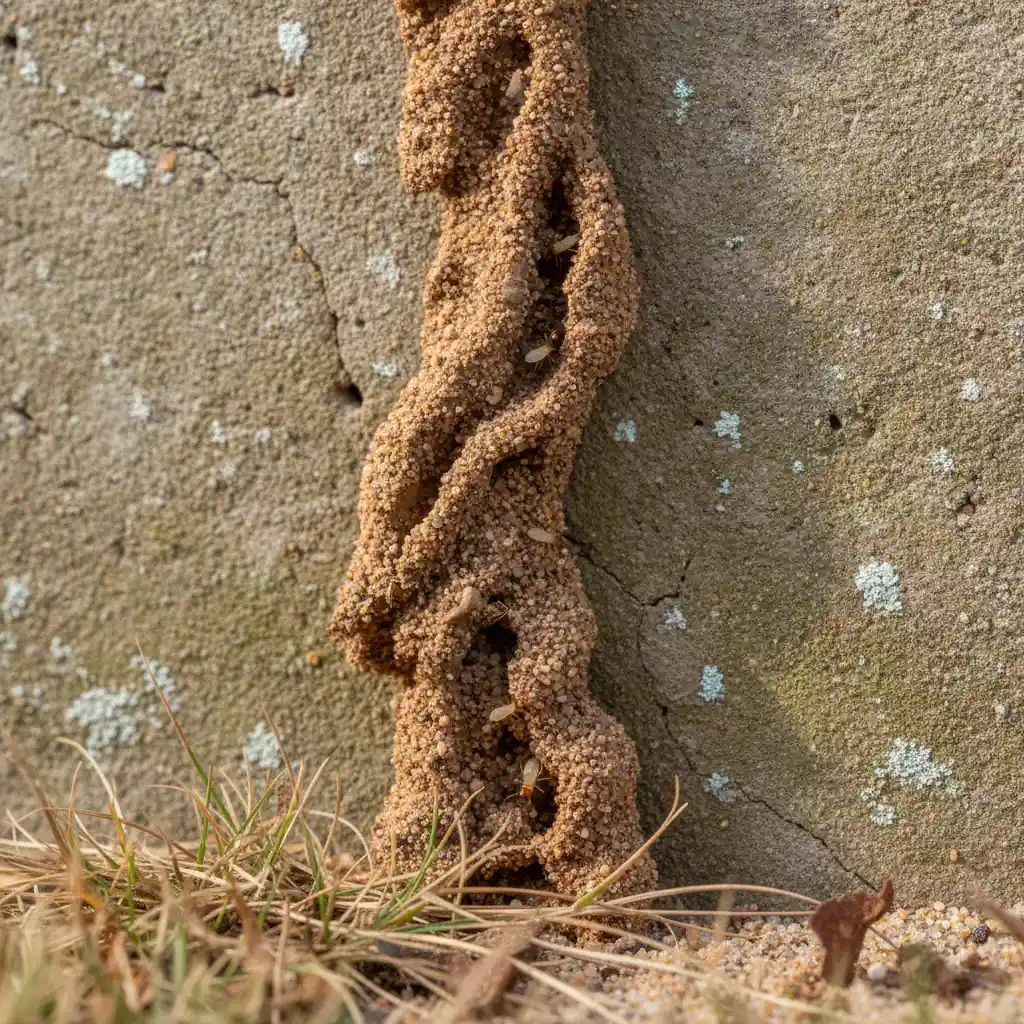
Termites represent a slower but equally destructive force, compromising the structural integrity of commercial properties over time. Left unchecked, termite colonies can cause thousands of dollars in structural depreciation before they are even detected by property owners.
Why Choose Professional Exterior and Grounds Services
When evaluating SME Pest Maintenance programs, facility managers must prioritize exterior defense protocols. The vast majority of indoor infestations originate from poorly managed exterior grounds and surrounding landscaping.
Overgrown vegetation, unsealed waste disposal areas, and standing water create ideal breeding grounds for rodents and insects. Professional exterior services focus on eliminating these conducive conditions before pests ever have the chance to breach the building envelope.
By establishing a robust perimeter defense, businesses can significantly reduce the need for indoor chemical applications. This exterior-first approach is especially crucial for facilities pursuing organic certifications or maintaining strict health standards.
Keep commercial dumpsters and recycling bins at least 50 feet away from main building entrances. Ensure all lids are tightly sealed to prevent foraging rodents and flies from establishing nearby colonies.
Landscaping choices also play a critical role in commercial pest management and overall site hygiene. Shrubs and tree branches should be trimmed at least two feet away from the building’s exterior walls to prevent pests from bypassing ground-level defenses.
Routine grounds maintenance should include the regular inspection of loading docks and delivery bays. These high-traffic areas are frequent entry points for hitchhiking pests hidden inside vendor shipments and wooden pallets.
Key Metrics & Essential Standards
Regulatory compliance is a driving force behind modern commercial pest management. Health departments and safety organizations enforce strict guidelines that businesses must follow to maintain their operational licenses and avoid legal penalties.
In the food processing and hospitality industries, zero-tolerance policies for pests are standard practice globally. Failure to meet these essential standards can result in severe product recalls, massive legal liability, and permanent business closure.
Tracking key performance metrics allows businesses to measure the efficacy of their pest control investments accurately. Important data points include pest activity trends, technician response times, and the completion rate of recommended structural repairs.
| Management Approach | Cost Predictability | Environmental Impact | Compliance Level |
|---|---|---|---|
| Reactive Extermination | Very Low (High Emergency Fees) | High (Heavy Chemical Use) | Poor (Fails Audits) |
| Scheduled IPM Maintenance | High (Fixed Monthly Costs) | Low (Targeted Treatments) | Excellent (Audit Ready) |
Maintaining detailed logs of all pest sightings, treatments applied, and safety data sheets (SDS) is legally required for compliance audits. Ensure your maintenance program includes a comprehensive digital reporting portal.
By strictly adhering to Integrated Pest Management standards, SMEs can drastically reduce their environmental footprint. This commitment to sustainability is increasingly important to modern consumers and B2B partners.
The Process of Service Bookings & Quotations
Securing professional pest management begins with a comprehensive site audit and risk assessment. Reputable providers will dispatch trained surveyors to evaluate the unique structural vulnerabilities of your commercial property.
During this initial inspection, surveyors meticulously document entry points, structural deficiencies, and existing pest pressures. This vital data is then used to formulate a customized service agreement tailored to the specific needs and budget of the SME.
The quotation process should be entirely transparent, clearly detailing the frequency of visits, the specific pests covered, and the monitoring technologies deployed. The ultimate goal of SME Pest Maintenance is to create a seamless, documented barrier of protection that scales with your business.
When reviewing a service quotation, verify that the provider includes access to a digital dashboard. Real-time logging of barcode-scanned bait stations is essential for passing rigorous third-party health inspections.
Once the service agreement is finalized, the onboarding phase involves the strategic placement of monitoring stations and bait traps. Modern programs utilize smart sensors and digital logging to provide facility managers with real-time insights into pest activity.
Regular review meetings should be scheduled to discuss ongoing trends and adjust the treatment strategy as needed. This collaborative approach ensures that the pest management program evolves alongside the growth and changing regulatory needs of the business.