Ant control in Auckland homes involves identifying specific ant species, implementing targeted elimination strategies, and applying preventative measures to protect properties. Effective solutions often combine professional pest management with diligent homeowner efforts to eradicate existing colonies and deter future infestations.
Understanding the Ant Menace in Auckland Homes
Ants are a pervasive nuisance for many Auckland homeowners, capable of contaminating food, damaging property, and creating unsightly trails. Understanding their behavior, common species, and the factors contributing to their presence is the first step towards effective control.
Why Auckland is Prone to Ant Invasions
Auckland’s temperate climate, combined with its dense urban and suburban development, creates an ideal environment for ants to thrive. The readily available food sources from human activity, coupled with numerous sheltered nesting sites in gardens, walls, and foundations, make homes particularly attractive targets for foraging ants. Seasonal changes, especially warmer, wetter periods, often trigger heightened ant activity as colonies expand and seek new resources.
Common Ant Species in Auckland
Auckland is home to several common ant species, each with unique characteristics that influence the best control methods. Identifying the specific ant invading your home is crucial for targeted treatment.
- Odorous House Ants (Tapinoma sessile): Small, dark brown to black ants that emit a rotten coconut-like smell when crushed. They often nest indoors in wall voids or under floors, and outdoors under rocks or in soil, forming distinct trails to food sources.
- Argentine Ants (Linepitheima humile): Light to dark brown ants that form massive supercolonies. They are highly aggressive, displacing native ant species, and are known for their strong trails and ability to forage far from their nests, often entering homes through tiny cracks.
- Black House Ants (Ochetellus glaber): Shiny black ants, about 2.5-3mm long. They prefer sweet foods and often nest outdoors under bark, in rotten wood, or in soil, but readily forage indoors for food and water.
- White-footed House Ants (Technomyrmex difficilis): Characterized by their dark bodies and pale ‘feet’. They are a smaller species that can form large colonies and are often found nesting in wall cavities, roof voids, and other secluded areas within homes. They are attracted to sweet substances.
For more detailed information on ant identification in New Zealand, resources like the Department of Conservation (DOC) website offer valuable insights into native and introduced species.
Signs of an Ant Infestation
Recognizing the early signs of an ant infestation can prevent it from escalating. Common indicators include:
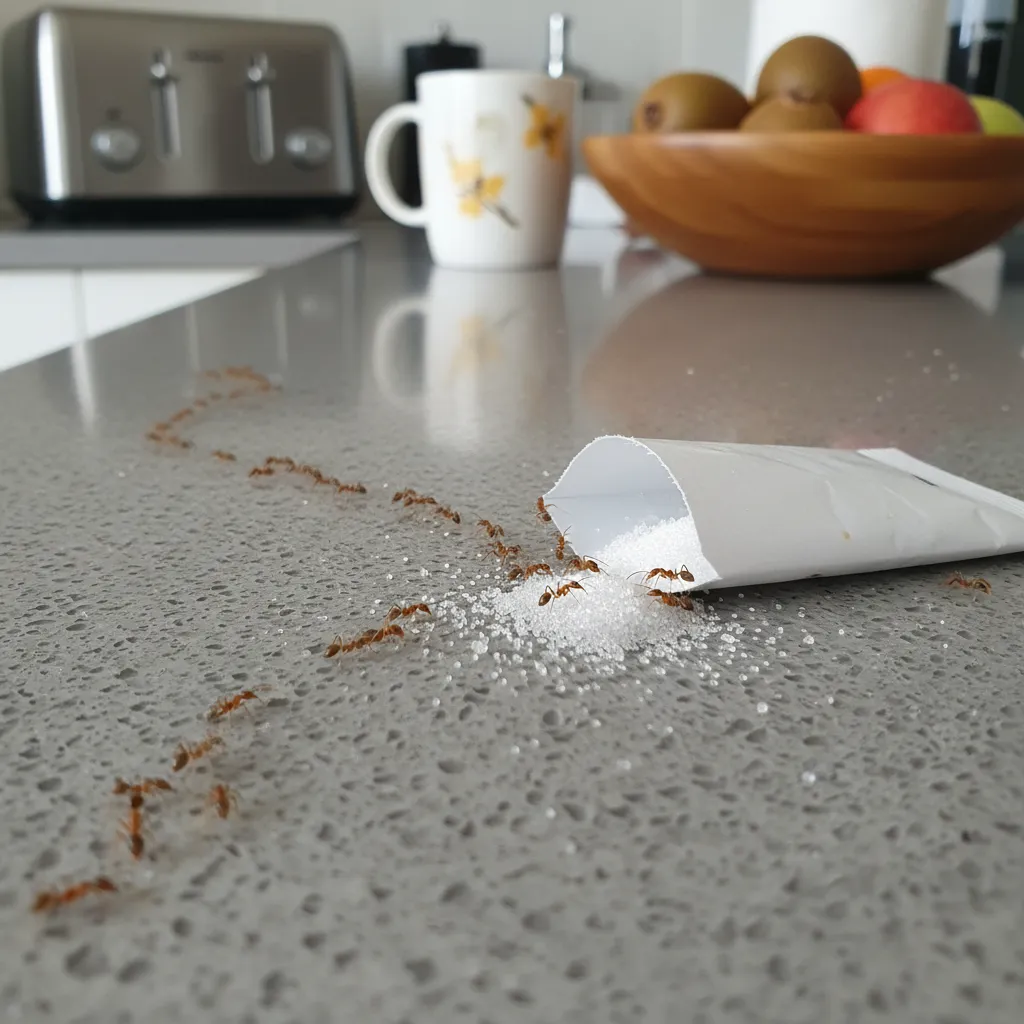
- Ant Trails: The most obvious sign is seeing lines of ants marching to and from a food source or nest. These trails often follow distinct pathways along skirting boards, benchtops, or window sills.
- Live Ants: Seeing a few ants foraging indoors is a warning sign. If you see them regularly, especially in kitchens or pantries, an infestation is likely.
- Nests: While often hidden, ant nests can sometimes be visible as small mounds of soil or debris near foundations, in potted plants, or even emerging from cracks in walls or pavement.
- Food Contamination: Ants quickly infest uncovered food items, making them unsafe for consumption.
Proactive Ant Control Strategies for Auckland Homeowners
Preventing ants from entering your home in the first place is the most effective and eco-friendly control method. A multi-faceted approach focusing on sealing entry points and eliminating attractants is crucial.
Prevention is Key: Sealing Entry Points
Ants can squeeze through incredibly small gaps. Thoroughly inspecting and sealing potential entry points around your home is vital.
- Seal Cracks and Gaps: Use caulk or appropriate sealants to fill any cracks in foundations, walls, and around windows and door frames.
- Check Screens: Repair or replace damaged window and door screens.
- Weather Stripping: Ensure all doors and windows have tight-fitting weather stripping and door sweeps.
- Utility Penetrations: Seal gaps around pipes, electrical conduits, and cables where they enter the house.
Eliminating Food and Water Sources
Ants are constantly searching for food and water. Removing these attractants makes your home far less appealing.
- Maintain Cleanliness: Wipe down benchtops, sweep floors, and clean up spills immediately. Pay extra attention to kitchen areas.
- Proper Food Storage: Store all food, including pet food, in airtight containers. Do not leave pet food bowls out overnight.
- Waste Management: Keep rubbish bins sealed and empty them regularly. Rinse recyclable containers before storing them.
- Address Moisture: Fix leaky taps, pipes, and drains. Reduce humidity in damp areas like bathrooms and laundries.
Landscaping and Garden Management
Your garden can be a major source of ant infestations. Managing your outdoor environment can significantly reduce indoor ant problems.
- Trim Vegetation: Keep tree branches and shrubs trimmed away from the house walls and roof, as these can serve as ‘bridges’ for ants.
- Remove Debris: Clear away leaf litter, woodpiles, and other garden debris near the foundation, as these provide ideal nesting sites.
- Check Outdoor Nests: If you find ant nests in your garden, treat them promptly with appropriate outdoor ant control products or call a professional.
Effective Ant Colony Elimination Techniques
When prevention measures aren’t enough, or an existing infestation is established, more direct elimination techniques are required. Focusing on the colony, rather than just the visible ants, is key to long-term control.
DIY Solutions: When They Work and When They Don’t
Many homeowners first attempt DIY ant control, with varying degrees of success.
- Ant Baits: These are generally the most effective DIY method. Baits contain a slow-acting insecticide mixed with an attractive food source (sugar or protein). Foraging ants carry the bait back to the colony, sharing it with other ants, including the queen, ultimately eliminating the entire colony. It’s crucial to identify the ants’ preferred food source (sweet vs. greasy) to select the right bait.
- Contact Sprays: Over-the-counter ant sprays kill ants on contact. While they provide immediate relief for visible ants, they do not address the source of the infestation (the nest and queen). This often leads to temporary relief, with ants reappearing shortly after.
- Natural Remedies: Vinegar, essential oils, and diatomaceous earth can act as repellents or limited contact killers. However, their effectiveness in eradicating an entire colony, especially a large one, is typically very low.
DIY solutions are often insufficient for established, large, or resilient ant colonies, particularly species like Argentine ants that form extensive supercolonies.
Professional Ant Control: The Definitive Solution
For persistent or severe ant infestations, professional pest control is the most reliable solution. Experts have the knowledge, tools, and experience to effectively eliminate ant colonies.
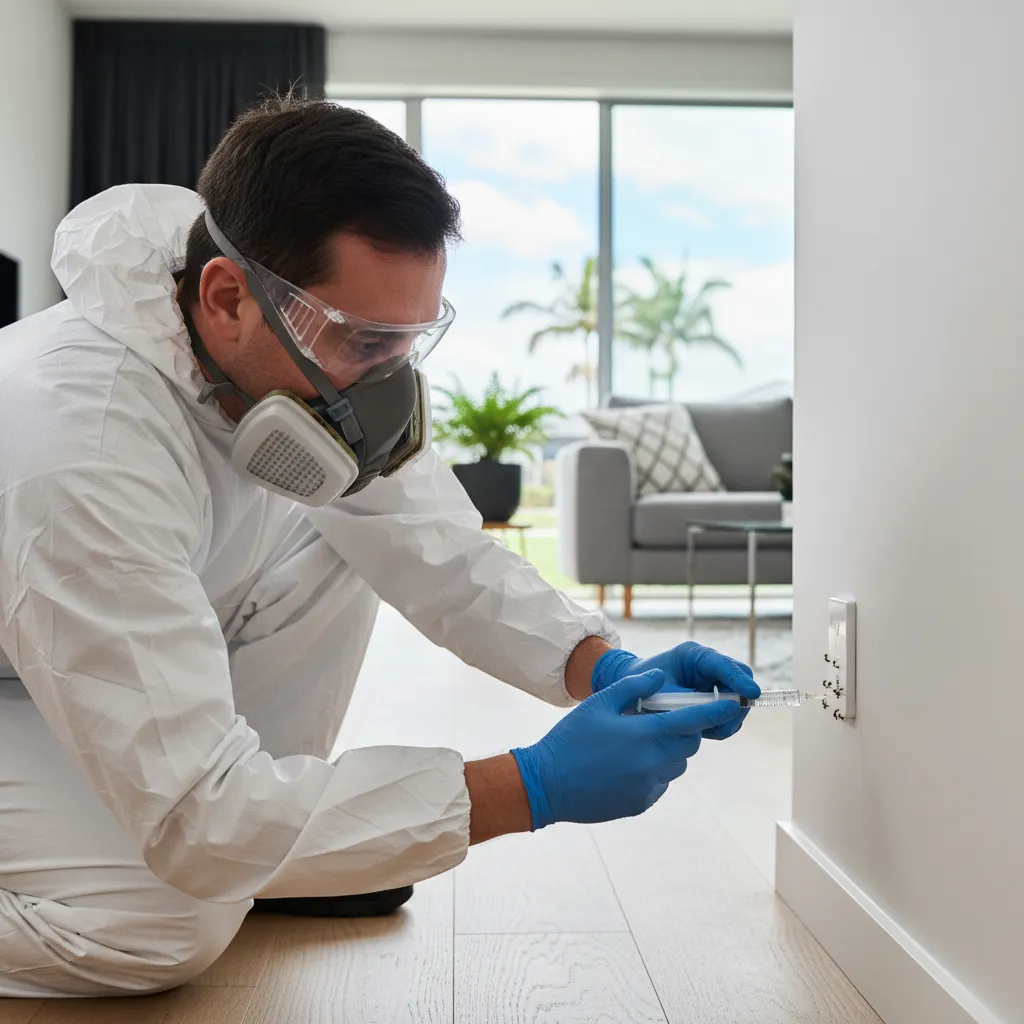
- Thorough Inspection: Professionals conduct a comprehensive inspection to identify the ant species, locate nesting sites (both indoors and outdoors), and determine entry points and food sources.
- Targeted Treatment Plans: Based on the inspection, a customized treatment plan is developed. This often involves a combination of advanced baiting systems, residual insecticides applied to perimeter barriers, and direct nest treatments.
- Advanced Baits: Pest control technicians use professional-grade baits that are highly effective and formulated to be attractive to specific ant species, ensuring the bait reaches the queen.
- Barrier Treatments: Liquid non-repellent insecticides are applied around the perimeter of the home, creating an invisible barrier that ants walk through, picking up the product and unknowingly transferring it back to the colony.
- Colony Elimination: The primary goal of professional treatment is to eliminate the entire colony, including the queen, ensuring long-term relief from infestations.
Integrated Pest Management (IPM) for Ants
Many professional pest controllers in Auckland employ Integrated Pest Management (IPM) principles. IPM is an eco-friendly approach that focuses on long-term prevention of pests through a combination of techniques, including:
- Education: Informing homeowners about ant biology and preventative measures.
- Sanitation: Emphasizing cleanliness and proper food storage.
- Exclusion: Sealing entry points to the home.
- Targeted Treatments: Using the least toxic yet most effective chemical treatments in a precise manner, only when necessary, to reduce environmental impact.
- Monitoring: Regular follow-up inspections to ensure the treatment has been successful and to identify any new pest activity.
Eco-Friendly and Pet-Safe Ant Control Options
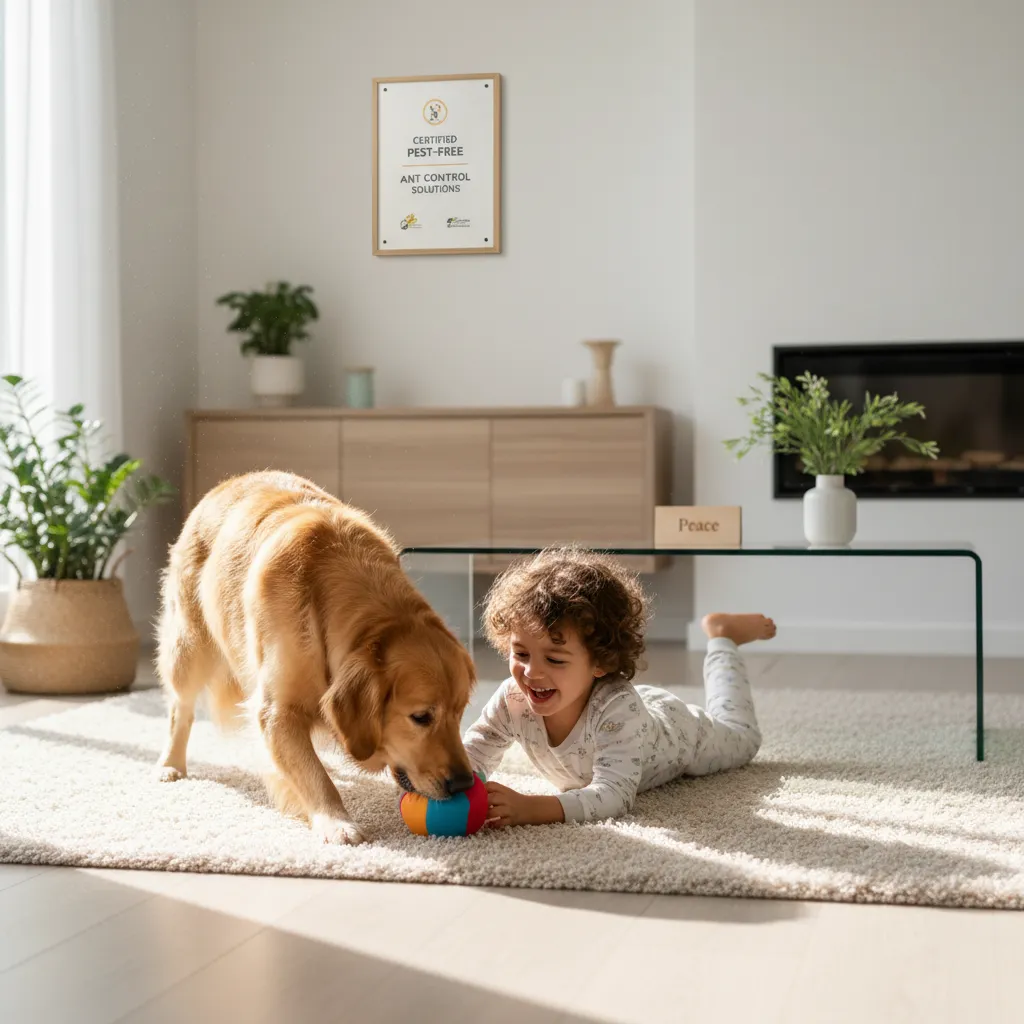
Homeowners are increasingly seeking ant control solutions that are effective yet minimally impactful on the environment, children, and pets. Modern pest control has evolved to meet these demands.
Natural Repellents and Barriers
While often not sufficient for full colony elimination, certain natural substances can help deter ants:
- Diatomaceous Earth (DE): A natural powder made from fossilized algae. It acts as a desiccant, drying out the exoskeletons of insects it comes into contact with, causing dehydration. Food-grade DE is safe around pets and children but needs to be applied dry and can be messy.
- Essential Oils: Peppermint, tea tree, and lemon essential oils can act as repellents. Ants dislike their strong scents. These can be diluted and sprayed or used on cotton balls in entryways, though they require frequent reapplication and don’t kill the colony.
- Vinegar: White vinegar mixed with water can be used as a cleaning solution to wipe away ant trails, disrupting their scent communication, but it won’t eliminate the source.
Targeted, Low-Toxicity Professional Treatments
Reputable pest control companies in Auckland prioritize safety and environmental responsibility. They use:
- Gel Baits: These are highly effective and are applied in tiny, inconspicuous spots, typically out of reach of children and pets. The active ingredients are contained within the bait matrix, minimizing exposure.
- Insect Growth Regulators (IGRs): These substances disrupt the ant’s life cycle, preventing them from maturing or reproducing, rather than killing them immediately. They are very targeted and have low toxicity to mammals.
- Non-Repellent Insecticides: Modern perimeter treatments are often non-repellent, meaning ants don’t detect them and unknowingly carry the active ingredient back to the nest, leading to colony elimination. This contrasts with older repellent sprays that merely scattered ants.
Ensuring Safety for Children and Pets
When opting for professional ant control, discussing safety concerns with your technician is paramount. A professional will:
- Explain Products: Detail the specific products being used and their safety profiles.
- Placement: Apply treatments in areas inaccessible to children and pets (e.g., inside wall voids, cracks, under appliances).
- Post-Treatment Advice: Provide clear instructions on ventilation, cleaning, and when it’s safe for children and pets to re-enter treated areas.
Always ensure any pest control products used are approved for residential use and applied according to label instructions. For general guidelines on chemical safety, resources like the US Environmental Protection Agency (EPA) provide useful information on safe pesticide use, applicable principles globally.
Choosing the Right Ant Control Service in Auckland
Selecting a reliable and effective ant control provider is critical for lasting results. Not all pest control companies are equal, so it’s important to choose wisely.
What to Look For in a Pest Control Company
- Experience and Reputation: Choose a company with a proven track record in Auckland, specifically with ant control. Look for positive customer reviews and testimonials.
- Licensing and Insurance: Ensure the company and its technicians are fully licensed and insured in New Zealand. This guarantees they meet industry standards and protects you in case of accidents.
- Guarantees: A reputable company will often offer a service guarantee or warranty, providing peace of mind that they stand by their work.
- Customer Service: Assess their responsiveness, professionalism, and willingness to answer all your questions during initial contact.
- Environmentally Conscious Practices: Inquire about their use of IPM and eco-friendly options.
The Consultation Process
A thorough consultation typically involves:
- On-Site Inspection: A technician will visit your Auckland home to conduct a detailed inspection, identifying ant species, potential entry points, and nesting sites.
- Treatment Plan Proposal: They will then outline a customized treatment plan, explaining the methods, products, and expected outcomes.
- Quotation: A transparent quote detailing all costs involved.
- Follow-Up: Discussion about follow-up visits, prevention tips, and any warranties.
By investing in professional ant control, Auckland homeowners can achieve long-term relief from these persistent pests, safeguarding their property and peace of mind.
Addressing an ant infestation in your Auckland home requires a comprehensive approach, combining vigilant prevention with effective, often professional, elimination techniques. From identifying the common species like Argentine or Odorous House Ants to implementing eco-friendly solutions and sealing entry points, every step contributes to a pest-free environment. Ultimately, partnering with a reputable Auckland pest control service ensures thorough treatment and lasting protection against these unwelcome invaders, allowing you to enjoy your home without the nuisance of ants.
People Also Ask
How do I get rid of ants permanently in my Auckland home?
Achieving permanent ant eradication in your Auckland home typically requires professional pest control. Experts can accurately identify the ant species, locate and eliminate the entire colony, including the queen, using targeted baits and barrier treatments. Combining this with diligent home maintenance, like sealing entry points and removing food sources, provides the most lasting solution.
What type of ants are common in Auckland?
Common ant species found invading Auckland homes include Odorous House Ants, Argentine Ants, Black House Ants, and White-footed House Ants. Each species has distinct characteristics and behaviors, which influence the most effective control strategies. Accurate identification is key to successful treatment.
Are ant baits safe for pets and children?
While professional-grade ant baits are generally safe when applied correctly by a licensed technician in inaccessible areas, it’s crucial to discuss this with your pest control provider. They will use targeted low-toxicity options and provide specific instructions to ensure the safety of children and pets. Always follow post-treatment guidelines carefully.
When is the best time to do ant control in Auckland?
The best time for ant control in Auckland is typically in late spring and early summer (October to January) when ant activity is increasing as colonies expand and forage more. However, if you notice an infestation at any time, it’s best to address it immediately to prevent it from growing larger and more difficult to control.
Can I prevent ants from coming back after treatment?
Preventing ants from returning after professional treatment involves ongoing vigilance. This includes maintaining excellent sanitation, sealing all cracks and entry points into your home, trimming vegetation away from the house, and addressing any moisture issues. Regular perimeter inspections can also help catch new ant activity early.
How much does professional ant control cost in Auckland?
The cost of professional ant control in Auckland varies depending on the severity of the infestation, the size of your home, the specific ant species, and the treatment methods used. A reputable pest control company will provide a detailed, obligation-free quote after an initial inspection to accurately assess your situation.