Waking up to rats in the roof is a bad time. But the real headache starts when the landlord and tenant start arguing over the invoice.
I see this play out every week across Auckland. A tenant blames the landlord for gaps in the walls, the landlord blames the tenant’s rubbish bin, and meanwhile, the rats keep chewing the wiring.
Let’s cut through the noise. Navigating Landlord’s Responsibilities for Pest Control in Rental Properties Auckland doesn’t have to be a guessing game. The law is clear if you know where to look. Here’s exactly how liability is determined, who pays, and how we fix it permanently.
Key Takeaways
Under NZ law, landlords must provide a pest-free home at the start of a tenancy and fix structural entry points. Tenants are financially liable if their poor hygiene, pets, or unmanaged rubbish directly cause the infestation. Professional inspections are the fastest way to legally determine fault.
The Baseline Law: Residential Tenancies Act 1986
The foundation of all rental disputes in New Zealand comes down to the Residential Tenancies Act 1986. This legislation outlines the basic expectations for both the property owner and the occupant. Simply put, landlords must provide a clean, habitable, and safe environment on the day the keys are handed over.
If a tenant moves in and immediately discovers a cockroach nest behind the stove, the liability falls entirely on the property owner. You cannot lease a house that is already infested. Understanding Landlord’s Responsibilities for Pest Control in Rental Properties Auckland starts with acknowledging this baseline rule.
- Providing a property that is entirely pest-free on the move-in date.
- Maintaining the structural envelope of the home to prevent pest entry.
- Addressing any infestations that occur due to natural building decay.
However, the tenant also has strict legal obligations once they take possession of the home. They must keep the property reasonably clean and tidy throughout the duration of the lease. If their actions invite pests inside, the financial burden shifts directly to them.
When the Landlord Pays: Structural Failures
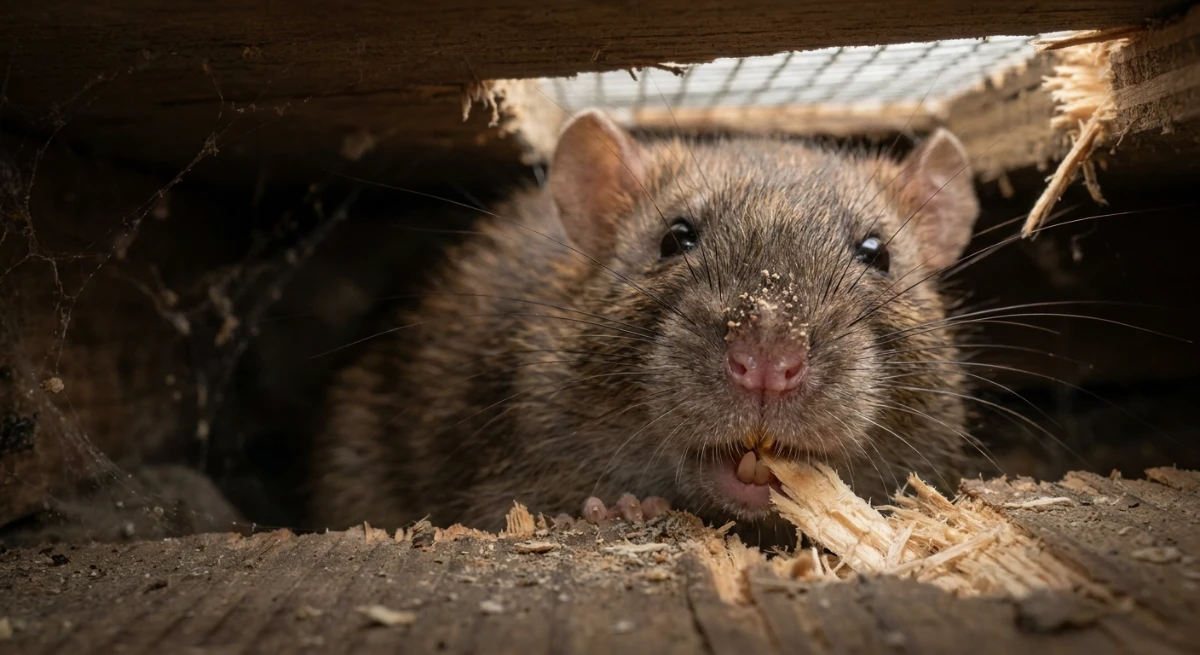
Pests do not magically teleport into a house. They exploit physical vulnerabilities in the building’s exterior to find warmth, water, and food. If rodents or insects are entering through broken subfloor vents, rotting eaves, or gaps in the cladding, the landlord must pay for the pest control.
Structural integrity is a core responsibility of the property owner under New Zealand law. We don’t just spray and walk away; we identify these exact entry points. Fixing the root cause is the only way to achieve long-term eradication and stop the cycle of recurring bills.
The Impact of Auckland’s Autumn Surge
The autumn of 2026 brought a massive surge in urban pest activity across the city. Following the late-2025 aerial 1080 drop in the HŨnua Ranges, displaced rodent populations have been actively seeking new urban territories. If your rental property has structural gaps, these rats will find them.
Failing to seal entry points makes any chemical treatment useless. Landlords who refuse to fix broken vents will face continuous re-infestations and potential Tenancy Tribunal penalties.
When the Tenant Pays: Lifestyle and Hygiene
Not every pest problem is the result of a crumbling building. In many cases, the daily habits of the occupants are the direct cause of the infestation. If a tenant leaves unmanaged rubbish piled against the back door, they are actively inviting rodents onto the property.
- Allowing rubbish or food waste to accumulate inside or outside the home.
- Failing to maintain basic kitchen hygiene, leading to cockroach breeding.
- Introducing fleas or ticks into the carpets via their domestic pets.
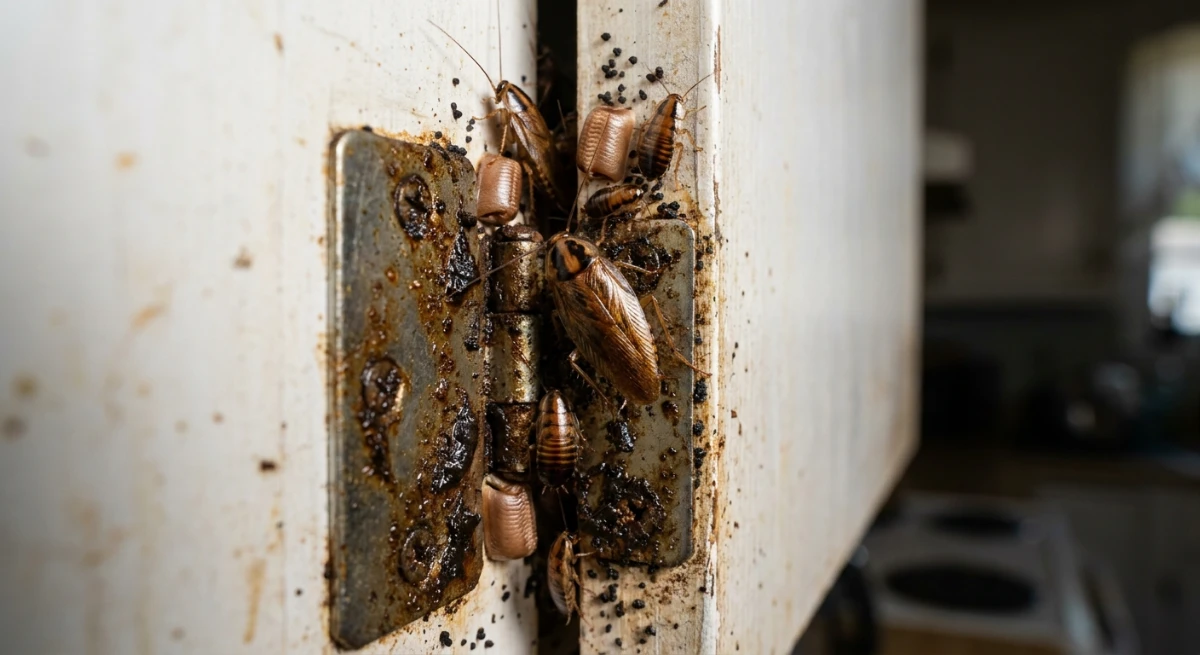
Severe German cockroach infestations are almost always linked to poor kitchen hygiene and grease buildup. When we inspect a property and find food debris caked behind appliances, the liability is clear. In these scenarios, the tenant is entirely responsible for the extermination invoice.
End of Tenancy Flea Treatments
Pet ownership is another major factor that shifts liability. If a tenant’s cat or dog introduces fleas into the carpets, the tenant must pay for a professional end-of-tenancy flea treatment. We frequently provide documentation to property managers proving that a flea issue is specifically animal-related.
Tenants should always keep receipts for professional carpet cleaning and end-of-tenancy flea treatments. Providing these to your property manager immediately prevents disputes over bond refunds.
The Grey Areas: Resolving Disputes Quickly
Sometimes, the cause of an infestation isn’t immediately obvious to an untrained eye. This is where landlord-tenant relationships often break down into bitter arguments. A tenant might claim the house is damp, while the landlord claims the tenant never opens the windows.
This is why you need a certified, independent professional to assess the situation. Our technicians hold the New Zealand Certificate in Pest Operations (Level 3) and can definitively identify the root cause of the issue. We provide a detailed, unbiased report that satisfies Tenancy Tribunal requirements.
Having formal documentation is crucial for protecting your interests. It clarifies exactly who is at fault regarding Landlord’s Responsibilities for Pest Control in Rental Properties Auckland. Honest, transparent communication backed by scientific evidence resolves disputes faster than any argument.
Auckland Pest Control Cost Breakdown (2026)
Cost is always the primary friction point in these disputes. Property owners and renters both want to know what they are on the hook for. We believe in absolute pricing transparency, bypassing the frustrating hidden quote model used by corporate giants.
Currently, standard treatments for a typical three-bedroom Auckland home range depending on the pest. Ants generally cost between $160 and $200, while more complex rodent extractions can reach $325. Bed bugs require intense, room-by-room eradication, often costing up to $265 per room.
| Pest Type | Likely Root Cause | Typical Liability |
|---|---|---|
| Rodents (Rats/Mice) | Broken vents, gaps in eaves | Landlord |
| German Cockroaches | Poor kitchen hygiene, grease buildup | Tenant |
| Fleas | Domestic pets living indoors | Tenant |
| Borer / Woodworm | Natural timber decay, dampness | Landlord |
Commercial Leases and Hospitality Rentals
The rules shift significantly when dealing with commercial real estate, especially in the hospitality sector. New Zealand’s hospitality industry hit a record $15.99 billion turnover in FY2025. With a huge portion of these businesses operating in Auckland, the stakes for hygiene are incredibly high.
Commercial leases usually place the burden of interior pest management on the business owner. Operators must maintain zero-tolerance hygiene standards enforced by the Food Act 2014 and MPI. Failing a health inspection due to a roach sighting can destroy a restaurant’s reputation overnight.
However, the building owner is still generally responsible for the structural envelope of the premises. If rats are entering a cafe through a deteriorating shared roof cavity, the commercial landlord must step in. We provide commercial biosecurity compliance auditing to ensure both parties meet their legal obligations.
Commercial hospitality businesses cannot use toxic rodenticide bait in sensitive food prep areas. We implement non-toxic monitoring and mechanical traps to ensure full MPI compliance.
Why DIY Fails (and Costs You More)
When faced with a sudden infestation, many tenants panic and run to the hardware store. They buy a handful of cheap chemical bombs, hoping to fix it before the landlord finds out. We call this the DIY cycle of despair, and it almost never works.
Surface-level sprays only kill the bugs you can see. They do absolutely nothing to address the hidden nests or the physical entry points. Amateur applications often push pests deeper into the wall cavities, making the eventual professional extraction much harder and more expensive.
The Legal Risks of Chemical Mishandling
Legally, handling serious infestations requires expertise. The EPA HPC Notice 2017 and HSNO Act 1996 strictly regulate the use of Class 9 ecotoxic substances. You need a highly certified technician to apply these zero-emission, MPI-approved treatments safely around your family and pets.
Protecting Your Investment: Annual Protection Plans
Smart property investors don’t wait for a frantic midnight phone call from a tenant. They take a proactive approach to property maintenance. Relying on reactive, toxic spray applications is an outdated strategy that ultimately costs you more money in the long run.
We highly recommend implementing an annual preventative maintenance schedule. Our Auckland Winter Defense Pack is a subscription-based protection plan designed specifically to keep your rental properties secure year-round. It stops pests before they ever cross the threshold.
By taking ownership of the situation, you completely eliminate the friction of Landlord’s Responsibilities for Pest Control in Rental Properties Auckland. You protect your valuable asset, keep your tenants happy, and ensure full compliance with the law.
Don’t wait for the tenant to complain. Book an annual preventative inspection with our certified team to secure your property before the winter pest surge hits.
People Also Ask (FAQ)

About the Author: Ronnie
Founder, Pest Control Auckland · Commercial & Residential Pest Expert · Certified Urban Pest Management Specialist
With over a decade of hands-on experience navigating the Residential Tenancies Act, Ronnie is the definitive expert on Landlord’s Responsibilities for Pest Control in Rental Properties Auckland. Having consulted for hundreds of property managers and conducted countless Tenancy Tribunal-compliant inspections, he provides straightforward, legally sound advice you can trust.