Commercial pest control in Auckland is an essential service designed to protect businesses from pest infestations, ensuring operational continuity, safeguarding public health, and maintaining regulatory compliance. It involves integrated strategies to identify, treat, and prevent pest issues specific to commercial environments, tailored to Auckland’s unique conditions.
Tailored Pest Solutions for Auckland Businesses
Auckland’s diverse commercial landscape, from bustling CBD eateries to sprawling industrial warehouses and serene healthcare facilities, presents a unique set of challenges when it comes to pest management. Unlike residential pest control, commercial pest solutions demand a much higher degree of customisation, discretion, and strategic planning. Businesses cannot afford the reputational damage, operational disruption, or health risks associated with pest outbreaks. Therefore, a one-size-fits-all approach is simply insufficient.
Expert commercial pest control in Auckland begins with a comprehensive site assessment. This initial evaluation meticulously identifies existing pest activity, potential entry points, harborage areas, and environmental factors that contribute to infestations. Understanding the specific pests – be it rodents, cockroaches, flies, ants, or more niche pests – and their lifecycle is critical for developing an effective strategy. Furthermore, the assessment considers the unique operational aspects of your business, such as operating hours, storage practices, waste management protocols, and employee movement, to ensure minimal disruption during treatment.
Understanding Common Commercial Pests in Auckland
Auckland businesses frequently encounter a range of pests, each requiring specific knowledge and treatment protocols:
- Rodents (Rats & Mice): Highly destructive, known for contaminating food, damaging property, and spreading diseases. Their presence can severely impact hygiene standards and reputation, especially in food service and hospitality.
- Cockroaches: Resilient and prolific breeders, they thrive in warm, damp environments like kitchens and food storage areas. They pose significant health risks, transmitting bacteria and allergens.
- Ants: While often perceived as a nuisance, large ant colonies can contaminate food products, damage electrical wiring, and indicate underlying structural issues.
- Flies: A major concern for food processing, hospitality, and healthcare sectors due to their ability to spread pathogens rapidly. Effective fly control requires addressing breeding sites and implementing deterrents.
- Stored Product Pests: Beetles and moths can infest stored grains, flours, and other dry goods, leading to significant product loss and economic impact for food manufacturers and retailers.
- Birds: Can cause damage to buildings, contaminate areas with droppings, and spread diseases, particularly around food loading docks and warehouses.
Developing Integrated Pest Management (IPM) Strategies
The cornerstone of effective commercial pest control in Auckland is Integrated Pest Management (IPM). IPM is an ecosystem-based strategy that focuses on long-term prevention of pests or their damage through a combination of techniques such as biological control, habitat manipulation, modification of cultural practices, and use of resistant varieties. Pesticides are used only when necessary, and only in a manner that minimises risks to human health, beneficial and non-target organisms, and the environment. This approach is not merely about eradication; it’s about sustainable management.
An IPM plan for your business would involve:
- Inspection & Monitoring: Regular checks to detect early signs of pest activity.
- Sanitation Recommendations: Advising on waste management, cleaning schedules, and structural improvements to eliminate food and water sources for pests.
- Exclusion: Sealing entry points like cracks, gaps, and poorly fitted doors/windows to prevent pests from entering.
- Mechanical & Physical Controls: Implementing traps, barriers, and other non-chemical methods.
- Targeted Chemical Applications: Using precisely chosen and applied treatments only when necessary, with a focus on low-impact products.
- Documentation & Reporting: Detailed records of all activities, findings, and recommendations for compliance and future reference.
Ultimately, a tailored pest solution provides peace of mind, allowing your business to focus on its core operations without the constant threat of pest-related disruptions.
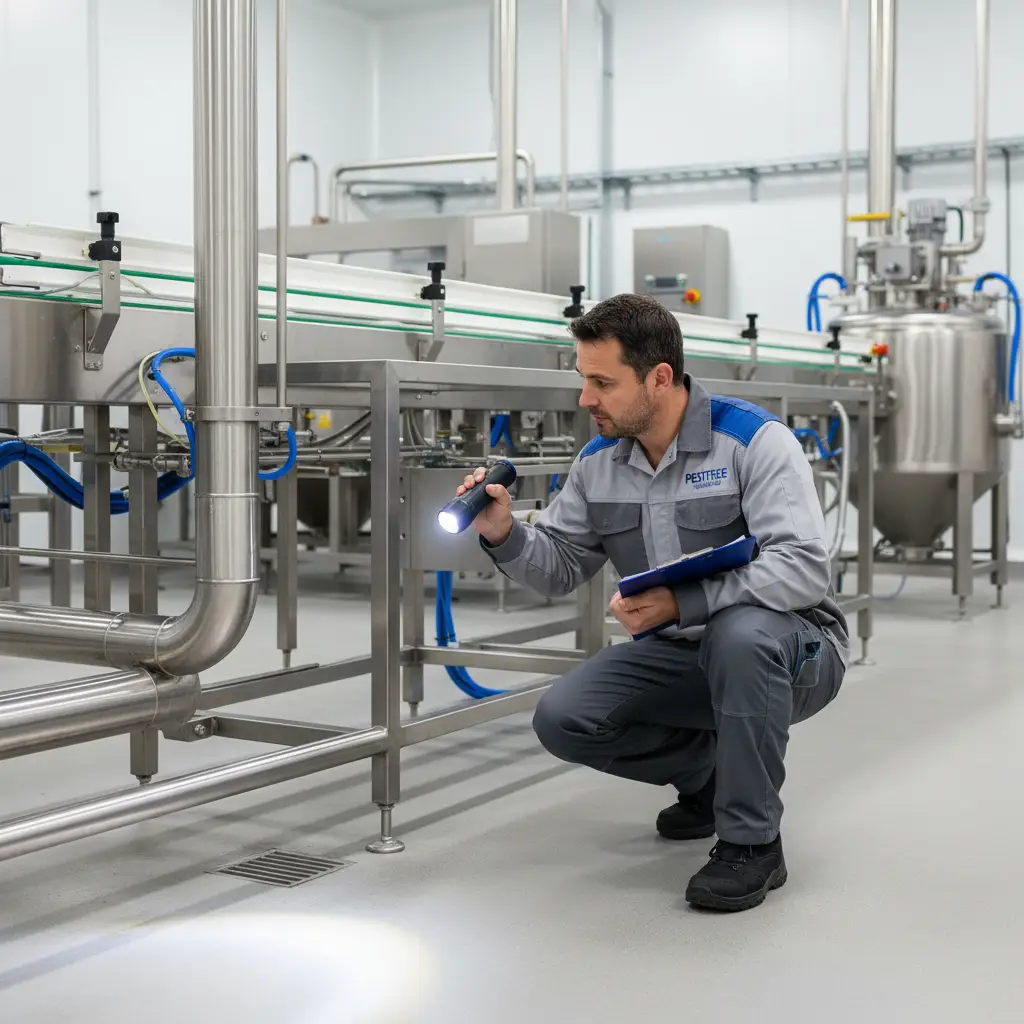
Compliance and Health Regulations in Commercial Pest Management
Operating a business in Auckland means adhering to a stringent set of local and national regulations designed to protect public health, safety, and the environment. For commercial entities, particularly those in food service, healthcare, and manufacturing, compliance with pest management standards is not just a best practice; it is a legal imperative. Failure to comply can result in significant penalties, including fines, operational shutdowns, reputational damage, and even legal action.
New Zealand’s regulatory framework for food safety and public health is robust, with key legislation such as the Food Act 2014 playing a central role. This Act places a clear responsibility on food businesses to ensure food is safe and suitable, which directly implicates effective pest control. Businesses are required to implement Food Safety Programmes (FSPs) or National Programmes (NPs) that detail how they will manage food safety risks, including pest management strategies.
Key Regulatory Bodies and Standards
- Ministry for Primary Industries (MPI): Oversees food safety standards across New Zealand, providing guidelines and regulations that all food-related businesses must follow. MPI sets the benchmarks for pest management within food production and distribution chains.
- Auckland Council: Responsible for enforcing local bylaws and health and hygiene regulations, conducting inspections, and ensuring businesses meet local public health standards. This includes ensuring premises are free from pests that could pose a risk to public health.
- Health and Safety at Work Act 2015: While not specifically about pests, this Act requires businesses to manage all workplace risks, which can include health hazards posed by pests and the safe application of pest control treatments.
- Specific Industry Standards: Beyond general regulations, many industries have their own specific compliance requirements, such as HACCP (Hazard Analysis and Critical Control Points) for food manufacturing, which heavily relies on stringent pest control measures as a prerequisite program.
Audit Readiness and Documentation
Businesses subject to regular audits (e.g., by MPI, Auckland Council, or third-party certifiers for schemes like HACCP or SQF) must demonstrate not only that they have pest control in place, but that it is effective, documented, and regularly reviewed. This necessitates meticulous record-keeping, which a professional commercial pest control service provides.
Essential documentation includes:
- Pest Management Plan: A detailed outline of the strategies, treatments, and schedules.
- Service Reports: Records of every inspection and treatment, detailing findings, actions taken, and recommendations.
- Pest Activity Logs: Data on pest sightings and captures, showing trends and efficacy of control.
- Pesticide Usage Logs: Information on type, quantity, location, and application method of any chemicals used, including safety data sheets (SDS).
- Technician Qualifications: Proof that pest control operators are certified and trained.
A professional pest management partner ensures your documentation is always up-to-date and audit-ready, providing confidence and demonstrating due diligence to regulators and clients alike. This proactive approach not only helps avoid penalties but also reinforces your business’s commitment to quality and safety.
Establishing Robust Preventative Pest Programs
While reactive pest control addresses existing infestations, the cornerstone of true business protection is a robust preventative pest program. In the commercial sphere, waiting for a pest problem to escalate before taking action is a costly mistake, leading to significant operational downtime, product loss, health risks, and severe damage to brand reputation. A well-designed preventative strategy for commercial pest control in Auckland aims to stop pests before they even become an issue, creating a fortified barrier around your business premises.
The Economic and Reputational Value of Prevention
Consider the potential costs associated with a full-blown pest infestation:
- Direct Costs: Extensive eradication treatments, repairs to damaged property, replacement of contaminated stock, and potential fines for non-compliance.
- Indirect Costs: Loss of revenue due to temporary closures, reduced customer trust, negative online reviews, staff morale issues, and diversion of management time to pest-related crises.
- Health Risks: Pests can transmit diseases, trigger allergies, and contaminate food preparation areas, posing serious health risks to employees and customers.
By investing in a preventative program, businesses are not just buying pest control; they are investing in risk mitigation, brand protection, and long-term operational stability. It’s a proactive insurance policy against unforeseen disruptions.
Key Components of an Effective Preventative Program
An effective preventative commercial pest control program is multi-faceted and tailored to the specific vulnerabilities and operational context of your Auckland business:
1. Regular Inspections and Monitoring
Consistent, scheduled inspections are vital for early detection. Technicians will regularly check for signs of pest activity, identify new entry points, and assess the effectiveness of existing control measures. Strategic placement of monitoring devices (e.g., rodent bait stations, insect traps) provides continuous data on pest pressures, allowing for swift, targeted intervention before infestations take hold.
2. Exclusion and Proofing Measures
Physical barriers are the first line of defence. This involves identifying and sealing potential entry points, such as cracks in foundations, gaps around pipes, unsealed vents, damaged screens, and poorly fitting doors and windows. Recommendations might include installing door sweeps, sealing utility openings, or repairing damaged building materials. Good pest proofing significantly reduces the likelihood of pests gaining access to your premises.
3. Sanitation and Housekeeping Protocols
Pests are primarily attracted to sources of food, water, and shelter. A preventative program includes expert advice on improving sanitation practices:
- Proper waste management, including regular emptying and sealing of bins.
- Prompt cleaning of spills and food debris.
- Elimination of standing water sources.
- Maintaining clean and organised storage areas.
- Implementing strict stock rotation policies (First-In, First-Out).
These measures remove the essential resources pests need to survive and thrive within your commercial environment.
4. Environmental Control and Landscaping Advice
The external environment around your business also plays a crucial role. Preventative measures extend to landscaping and exterior maintenance:
- Keeping grass mowed short and vegetation trimmed away from the building perimeter.
- Ensuring proper drainage to prevent standing water.
- Avoiding clutter and debris accumulation near building foundations.
- Strategically placing exterior lighting to minimise insect attraction.
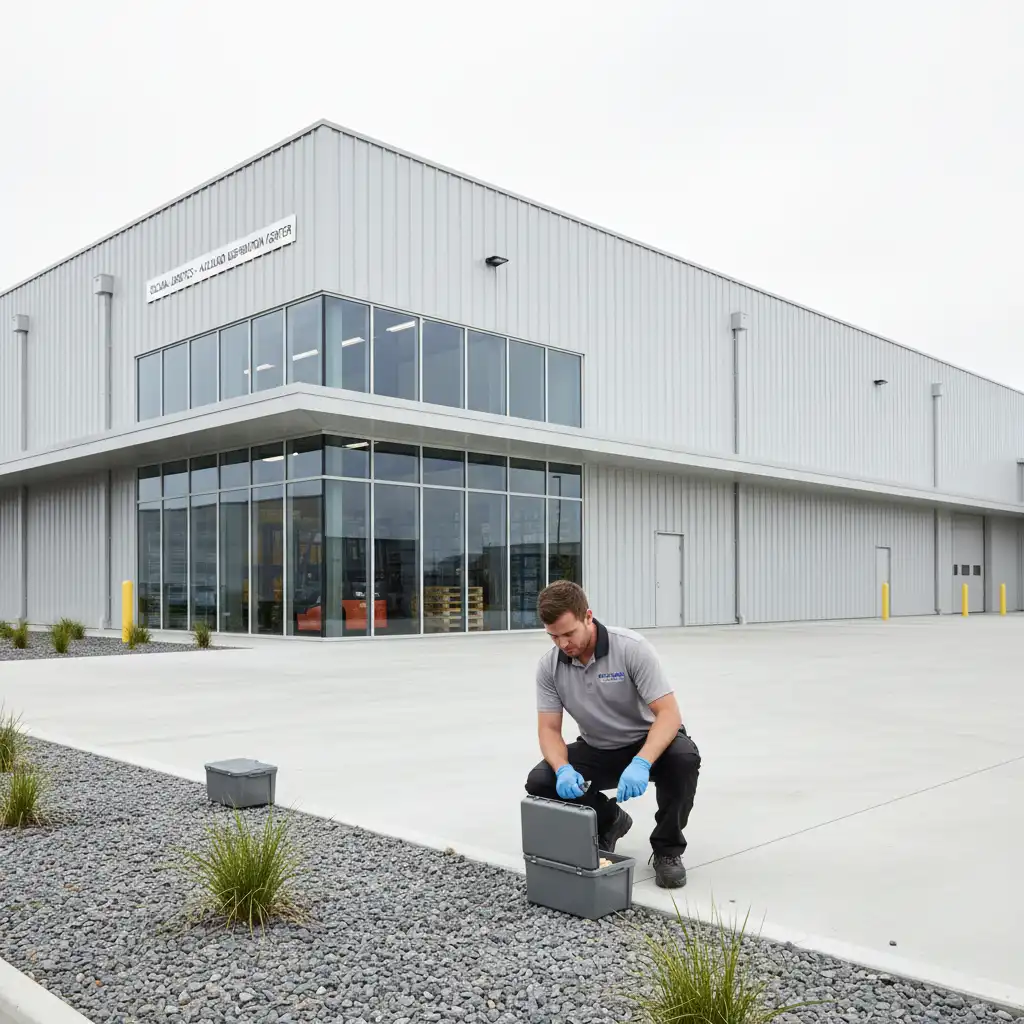
By integrating these preventative strategies, businesses in Auckland can significantly reduce their risk of pest problems, ensuring a hygienic, compliant, and uninterrupted operation.
Industries We Serve in Auckland: Sector-Specific Expertise
Effective commercial pest control in Auckland requires a deep understanding of the unique operational demands, regulatory compliance, and pest vulnerabilities inherent to different industry sectors. A ‘cookie-cutter’ approach simply won’t suffice when dealing with the nuanced requirements of a restaurant compared to a pharmaceutical plant, or a retail store versus a healthcare facility. Specialised expertise ensures that pest management strategies are not only effective but also seamlessly integrated into your business operations without causing disruption or violating industry-specific protocols.
Food Service & Hospitality
From fine dining restaurants and cafes to hotels, catering companies, and food courts, the food service and hospitality sector in Auckland is under constant scrutiny regarding hygiene. Pests like cockroaches, rodents, flies, and ants are not only a health hazard but also a direct threat to reputation and compliance with MPI and Auckland Council health regulations. Our services include:
- Discreet, scheduled treatments during off-peak hours.
- Integrated pest management (IPM) focused on kitchen sanitation, waste management, and exclusion.
- Thorough documentation for health inspections and audits.
- Specialised treatments for specific areas like grease traps, dry storage, and dining areas.
Retail & Supermarkets
Retail environments, including supermarkets, clothing stores, and shopping centres, face challenges from pests that can damage merchandise, contaminate food products, and deter customers. Rodents, birds, and various insects are common threats. We provide:
- Programs designed to protect inventory and maintain a clean shopping environment.
- Monitoring solutions to detect pests in storage areas, display aisles, and loading docks.
- Emphasis on discreet services to avoid alarming customers.
- Rapid response to ensure minimal disruption to sales and operations.
Healthcare & Aged Care Facilities
Hospitals, clinics, and aged care homes demand the highest level of hygiene and discretion. Pests here pose severe health risks to vulnerable patients and can compromise sterile environments. Pest control in these settings requires extreme care, using non-toxic or low-toxicity methods where appropriate, and strict adherence to health protocols. Our services focus on:
- Ultra-discreet and sensitive pest management to avoid patient disturbance.
- Strict adherence to infection control protocols.
- Comprehensive reporting for accreditation and compliance.
- Focus on preventing pests that can transmit diseases or trigger allergies.
Warehousing & Logistics
Large warehouses and logistics hubs are susceptible to a wide range of pests, including rodents, birds, stored product insects, and cockroaches, which can contaminate goods, damage infrastructure, and disrupt supply chains. Effective pest control is crucial for protecting inventory and ensuring compliance with supply chain integrity. We offer:
- Large-scale pest management solutions for expansive facilities.
- Regular monitoring and baiting programs tailored to warehouse layouts.
- Bird control solutions for internal and external areas.
- Strategies to protect incoming and outgoing goods from contamination.
Education & Childcare
Schools, universities, and childcare centres require pest management that prioritises the safety of children and students. Pest control solutions must be child-friendly, non-toxic, and implemented with minimal disruption to learning environments. Common pests include ants, cockroaches, and rodents. Our services include:
- Safe and compliant pest management strategies, often utilising non-chemical methods first.
- Scheduled services during school holidays or off-hours.
- Advice on maintaining hygienic environments to deter pests.
- Prompt response to address pest concerns quickly and discreetly.
Food Processing & Manufacturing
This sector faces the most rigorous compliance demands, with zero tolerance for pests that can contaminate products, halt production, and lead to costly recalls. Adherence to standards like HACCP, MPI requirements, and various global food safety initiatives is paramount. Our specialised approach involves:
- Integrated pest management strategies focused on prevention and early detection.
- Intensive monitoring systems throughout production lines, storage, and packaging areas.
- Detailed audit-ready documentation and reporting.
- Expertise in managing specific pests relevant to food manufacturing, such as stored product insects.
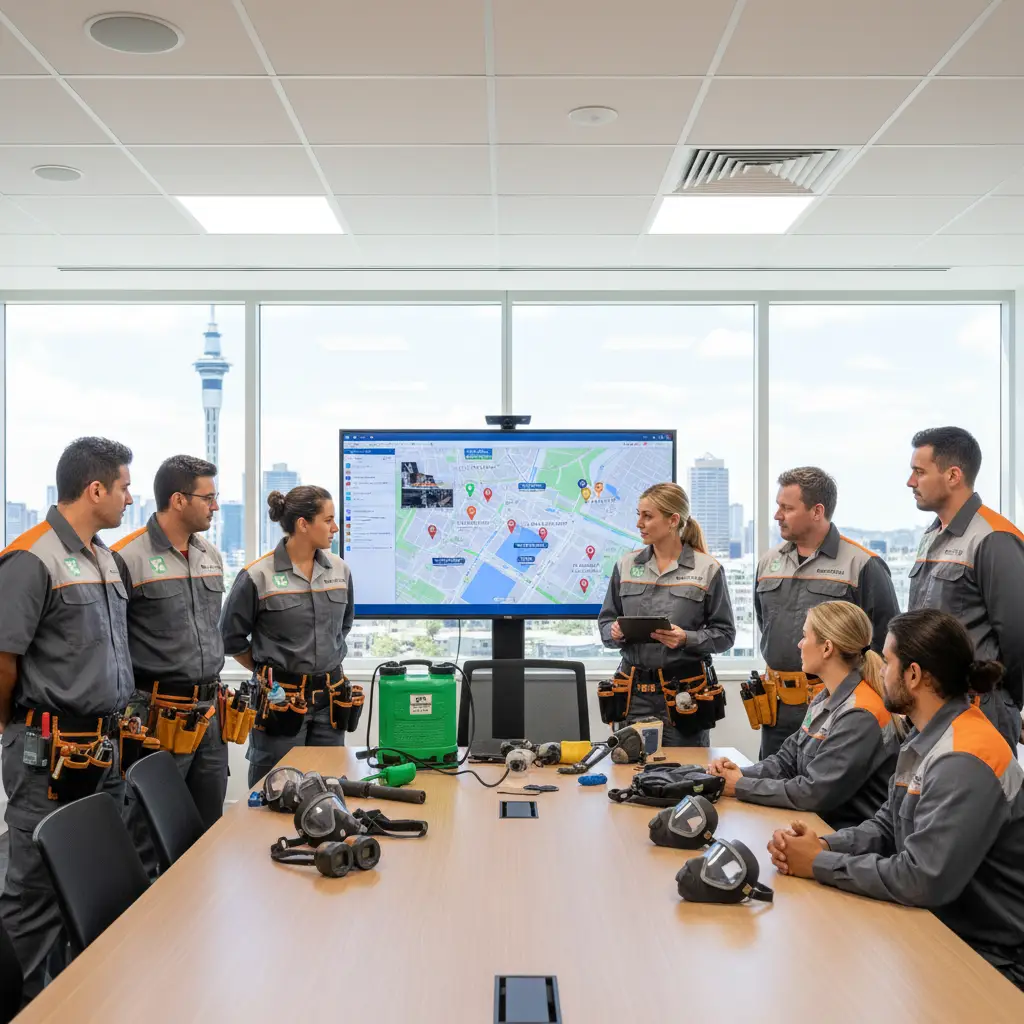
By understanding the unique challenges and regulatory frameworks of each sector, our commercial pest control services in Auckland provide targeted, effective, and compliant solutions that protect your business, your reputation, and your customers.
Conclusion: Protecting Your Auckland Business with Expert Pest Management
In Auckland’s dynamic business environment, effective commercial pest control is far more than a reactive service; it is a critical component of risk management, operational continuity, and brand protection. From ensuring public health and safety to maintaining strict regulatory compliance and safeguarding your valuable assets, a professional pest management strategy is an indispensable investment for any commercial enterprise.
We understand that every business is unique, facing distinct challenges and operating within specific industry parameters. That is why our approach to commercial pest control in Auckland is deeply rooted in customisation, integrating comprehensive assessments, robust preventative programs, and sector-specific expertise. By partnering with a world-class pest management provider, you gain access to an Integrated Pest Management (IPM) strategy that minimises disruption, optimises hygiene, and guarantees peace of mind.
Don’t let pests compromise your business’s integrity or profitability. Embrace a proactive, expert-driven pest management solution tailored to your Auckland operation. Secure your business, protect your reputation, and ensure a compliant, healthy environment for your staff and customers today.
People Also Ask
What is the average cost of commercial pest control in Auckland?
The cost of commercial pest control in Auckland varies significantly based on several factors, including the type and size of your business premises, the severity of the infestation, the specific pests involved, and the frequency of service visits (e.g., monthly, quarterly). A small cafe with a preventative program will cost less than a large food processing plant requiring extensive monitoring and multiple treatments. Most reputable providers offer a customised quote after a thorough on-site inspection, ensuring transparency and tailored solutions.
How often should a commercial property in Auckland get pest control?
The ideal frequency for commercial pest control in Auckland depends heavily on the industry, regulatory requirements, and the level of pest pressure. Businesses in highly sensitive sectors like food service, healthcare, or food manufacturing often require monthly or bi-monthly inspections and treatments to maintain compliance and prevent outbreaks. Other commercial properties might benefit from quarterly or even bi-annual preventative visits. A professional pest management provider will assess your business’s unique needs and recommend an optimal service schedule.
What types of businesses require commercial pest control in Auckland?
Virtually all types of businesses in Auckland can benefit from commercial pest control. However, it is particularly critical for sectors where hygiene, public health, or product integrity are paramount. This includes restaurants, cafes, hotels, food processing plants, supermarkets, retail stores, healthcare facilities (hospitals, clinics, aged care), warehouses, schools, and office buildings. Any business that stores food, processes goods, hosts clients, or has a public-facing presence needs robust pest management.
What is Integrated Pest Management (IPM) in a commercial setting?
Integrated Pest Management (IPM) in a commercial setting is a holistic, long-term strategy for pest control that prioritises prevention and minimal environmental impact. It involves a combination of techniques, including thorough inspections, sanitation recommendations, physical exclusion (proofing), monitoring, and targeted chemical applications only when necessary. The goal is not just to eradicate pests but to manage the environment to make it inhospitable for future infestations, ensuring sustainable and effective pest control.
How do I choose the best commercial pest control service in Auckland?
When choosing a commercial pest control service in Auckland, look for providers with proven experience in your specific industry. Key factors include their licensing and certifications, adherence to New Zealand’s health and safety regulations, use of Integrated Pest Management (IPM) strategies, comprehensive reporting and documentation capabilities, discreet service options, and clear communication. Always request references and ensure they offer customised solutions rather than generic packages.
Can pests affect my business’s reputation or legal standing in Auckland?
Absolutely. Pests can severely damage a business’s reputation through negative customer experiences, poor online reviews, and visible infestations. Legally, businesses in Auckland, particularly those handling food, are subject to strict regulations (e.g., Food Act 2014, Health and Safety at Work Act 2015). Failure to maintain a pest-free environment can lead to significant fines, operational shutdowns by Auckland Council or MPI, product recalls, and even legal action, severely impacting profitability and long-term viability.