Suspect termites are eating your home’s framing? We conduct a full structural assessment to identify the species, report any exotic invaders to the Ministry for Primary Industries (MPI), and implement targeted treatments to eradicate the colony before repairing the timber. That is the plain reality of dealing with a termite infestation in Auckland.
Most people panic when they hear the word “termite.” I get it. But before you start tearing down walls, you need facts. New Zealand has three native termite species that rarely cause severe structural damage. The real threat comes from invasive species like the Australian subterranean termite.
If you are dealing with the latter, standard pest sprays will not save your house. You need a certified Termite Damage Assessment and Repair Auckland specialist to map the colony and deploy systemic baits. We assess the damage, kill the colony, and help you rebuild.
Key Takeaways
A professional Termite Damage Assessment and Repair in Auckland identifies whether you have harmless native species or highly destructive invasive termites. Eradication requires structural thermal imaging, MPI-approved baiting systems, and certified technicians. Never disturb the nest yourself; always get a structural assessment first.
The Auckland Termite Reality: Native vs. Invasive
Auckland’s mild, humid climate is a breeding ground for timber pests. But not all termites are created equal. New Zealand is home to three native termite species, including the New Zealand drywood termite (Kalotermes brouni) and two dampwood species.
Native termites generally prefer rotting logs in the Waitakere Ranges over your living room walls. They do not form massive, highly destructive colonies. If we find them in your home, it usually points to a severe moisture problem, like a leaking roof or plumbing failure.
The real nightmare is invasive exotic termites. The Australian subterranean termite (Coptotermes acinaciformis) and the West Indian drywood termite have repeatedly breached New Zealand’s borders. In 2021, several residential homes in Auckland were found infested with Australian subterranean termites.
These invaders act fast. They can hollow out structural framing, flooring, and roof trusses in a matter of months. Because they are classed as an unwanted biosecurity threat, dealing with them requires strict adherence to government protocols.
If we identify an invasive exotic termite species on your property, we are legally obligated to report it to Biosecurity New Zealand (MPI) via their 0800 80 99 66 hotline. Do not disturb the nest or spray them with hardware store chemicals, as this causes the colony to scatter and makes eradication much harder.
Crucial Signs You Need a Structural Assessment
Termites are cryptic. They eat wood from the inside out, leaving the exterior paint or timber surface completely intact. By the time you see them, the internal damage is usually extensive.
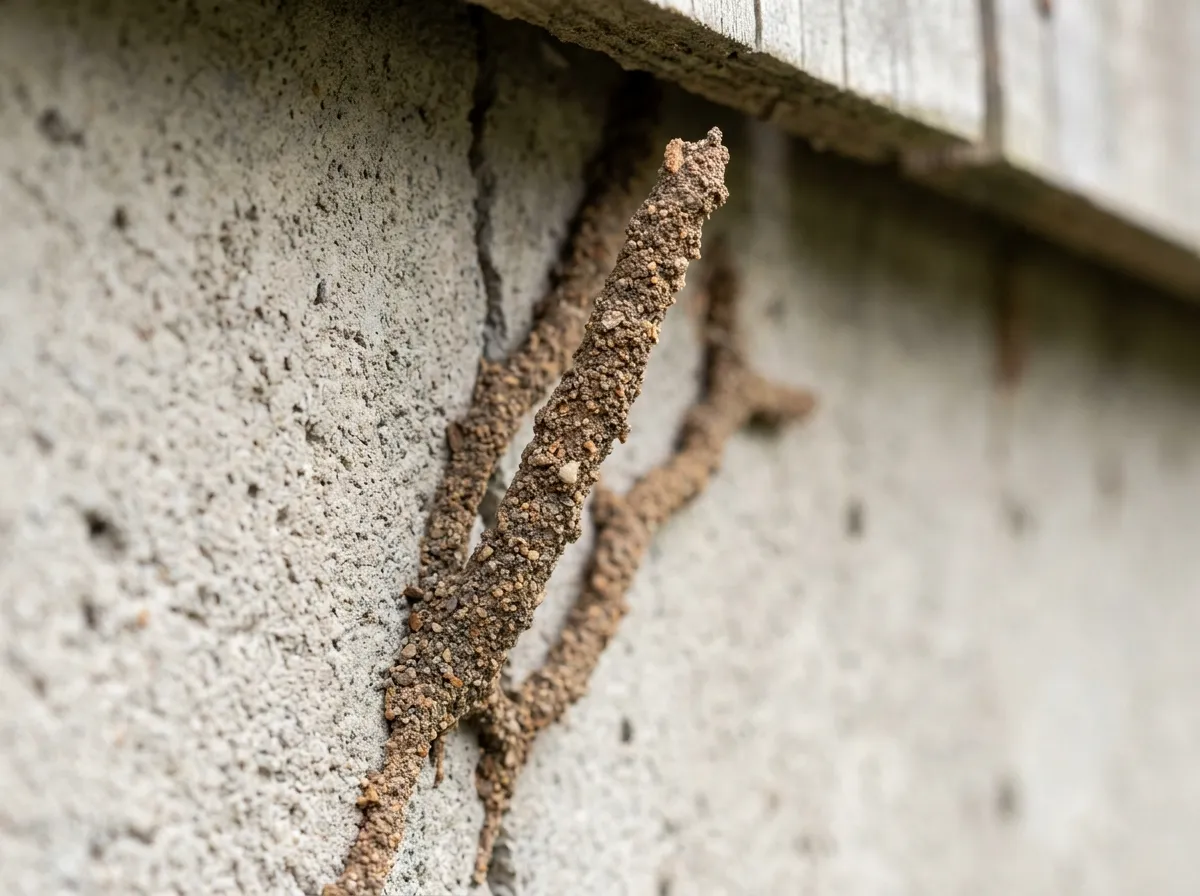
You need to know what to look for before the structural integrity of your home is compromised. One of the most obvious signs is mud tubes. Subterranean termites build pencil-sized mud tunnels along concrete foundations to safely travel from the soil to your timber framing.
Another red flag is frass. Drywood termites push their faecal pellets out of tiny kick-out holes in the wood. This often looks like small piles of sawdust or coffee grounds accumulating on your floorboards or windowsills.
Finally, tap your walls. If solid timber framing sounds hollow or papery, you have a problem. Sagging floors, doors that suddenly stick, or bubbling paint can also indicate that termites have compromised the wood behind the plasterboard.
How We Conduct a Termite Damage Assessment
When you call us for a termite assessment, we do not just shine a torch in your roof cavity and guess. We use a highly scientific, evidence-based approach to map the exact extent of the infestation.
First, we conduct a visual perimeter inspection. We look for mud tubes, moisture pooling around the foundation, and timber-to-soil contact. We also check subfloors and roof voids, where damp conditions create the perfect microclimate for termite colonies.
Next, we use advanced diagnostic tools. Thermal imaging cameras allow us to see the heat signatures of massive termite colonies hidden behind your plasterboard. Moisture meters help us pinpoint the damp areas drawing the termites in.
Once we locate the activity, we carefully extract a sample. Identifying the exact species is critical. The treatment protocol for a native dampwood termite is vastly different from an invasive subterranean species.
Termites thrive on moisture. Before any repair work begins, you must fix the underlying water issue. Repair leaking downpipes, improve subfloor ventilation, and ensure soil is graded away from your foundation. Dry timber is far less attractive to pests.
Treatment Protocols and Eradication
You cannot kill a termite colony by spraying the workers you see. The queen will simply produce thousands more to replace them. Eradication requires systemic treatments that destroy the colony at its source.
For subterranean termites, we utilize advanced termite baiting systems. We install tamper-proof bait stations around the perimeter of your Auckland property. The worker termites feed on the bait, which contains an insect growth regulator, and carry it back to the nest.
This bait prevents the termites from molting, eventually leading to a complete colony collapse. It is highly targeted, meaning it is safe for your family and pets, but absolutely lethal to the termite colony.
In cases involving imported timber or localized drywood termite infestations, MPI has recently utilized thermal remediation (heat treatment). This involves sealing the area and raising the temperature to a level that denatures the termites’ proteins, killing them without toxic fumigants.
Under the EPA HPC Notice 2017 and HSNO Act 1996, operators handling advanced pest management substances must hold a Level 3 New Zealand Certificate in Pest Operations. Do not let an unqualified tradesperson handle a termite infestation.
Structural Repair and Rebuilding
Once the colony is officially declared eradicated, the repair phase begins. Do not attempt to repair or replace timber while the colony is still active, as they will simply eat the new wood.
Our assessment report details exactly which load-bearing timbers have been compromised. We work alongside licensed builders in West Auckland to ensure that all compromised framing is safely removed and replaced with treated timber.
We also implement structural pest exclusion tactics. This means installing physical termite barriers, improving subfloor airflow, and ensuring no untreated timber makes direct contact with the soil.
The goal is not just to fix the current damage, but to future-proof your home against any subsequent infestations. Predictive Integrated Pest Management (IPM) is the only way to protect your biggest asset.

The 2026 Auckland Pest Surge and Climate Impact
Auckland is currently experiencing an unprecedented autumn pest surge in 2026. A mild winter followed by a scorching summer has created the perfect storm for urban pests, including swarming termite alates.
With Auckland preparing to host the FAOPMA Pest Summit in July 2026, the focus on Predictive Integrated Pest Management (IPM) has never been higher. We are moving away from reactive spraying toward smart, climate-driven pest solutions.
Understanding the threat level is crucial for Auckland homeowners. We have compiled a data-driven comparison to illustrate why invasive species trigger an immediate biosecurity response compared to our native variants.
Landlord vs. Tenant: Who Pays for Termite Damage?
Under the Residential Tenancies Act, the responsibility for pest control often causes severe friction. When it comes to termites, the law is generally clear.
Because termites cause structural damage and are not brought in by a tenant’s lifestyle (unlike fleas or bed bugs), the landlord is almost always responsible for the eradication and repair costs.
Property managers need a reliable partner to handle these disputes. We provide clear, legally compliant documentation that satisfies Tenancy Tribunal requirements, taking the stress off both owners and tenants.
Cost of Termite Assessment and Repair in Auckland
Homeowners always want to know the bottom line. The truth is, the cost varies wildly depending on the species, the extent of the damage, and the size of your property.
Transparency is key. We do not believe in hidden fees or bait-and-switch pricing. Below is a breakdown of what you can expect during the different phases of termite management in Auckland.
| Service Phase | Description | Estimated Timeline |
|---|---|---|
| Phase 1: Structural Assessment | Thermal imaging, moisture mapping, and species identification. | 1 to 2 Hours |
| Phase 2: Eradication (Invasive) | Baiting systems or thermal remediation (often managed by MPI). | 3 to 12 Weeks |
| Phase 3: Timber Repair | Removing compromised framing and replacing with treated timber. | Varies by Damage |
Remember, if the infestation is an invasive exotic species, Biosecurity New Zealand (MPI) often takes the lead on eradication at no direct cost to the homeowner. However, you will still be responsible for the structural repairs once eradication is complete.
Do not wait for your floorboards to collapse. If you notice frass, mud tubes, or hollow timber, contact us immediately for a comprehensive termite assessment. Early detection saves thousands in structural repairs.
Why DIY Termite Control is a Disaster
Aucklanders love a good DIY project, but termite eradication is not one of them. The cycle of despair usually starts with a homeowner buying a cheap bug bomb or surface spray from the hardware store.
When you spray a termite mud tube with a repellent chemical, the termites do not die. They simply retreat, seal off that tunnel, and find another route into your home. You have just made the colony harder to track and eradicate.
Furthermore, applying chemicals incorrectly poses a massive health risk to your family and pets. Professional termite treatments require precise calculations, specialized equipment, and a deep understanding of entomology.
Leave the eradication to the experts. We use non-repellent termiticides and targeted baits that the termites cannot detect. They carry the active ingredient back to the queen, ensuring the entire colony is wiped out.
People Also Ask (FAQ)

About the Author: Ronnie
Founder, Pest Control Auckland · Commercial & Residential Pest Expert · Certified Urban Pest Management Specialist
With years of experience in structural pest exclusion across West Auckland, Ronnie is the definitive expert on Termite Damage Assessment and Repair Auckland. Having consulted on major biosecurity interventions and residential timber restorations, he ensures every property is safely eradicated of invasive pests and fortified against future structural damage.