Wasp nest identification in Auckland is crucial for homeowner safety and effective pest management, particularly with prevalent species like German and common wasps. These pests pose significant health risks due to their painful stings, necessitating careful identification of their nests to ensure safe and prompt removal by qualified professionals.
Identifying Common Wasp Species and Their Nests in Auckland
Auckland’s temperate climate makes it an ideal environment for several wasp species, primarily the German wasp (Vespula germanica) and the common wasp (Vespula vulgaris). While visually similar, understanding their distinct nesting habits and appearances is vital for accurate identification and safe intervention. Both species are invasive in New Zealand, having a significant impact on native ecosystems and posing a nuisance and danger to residents.
German Wasps (Vespula germanica) in Auckland
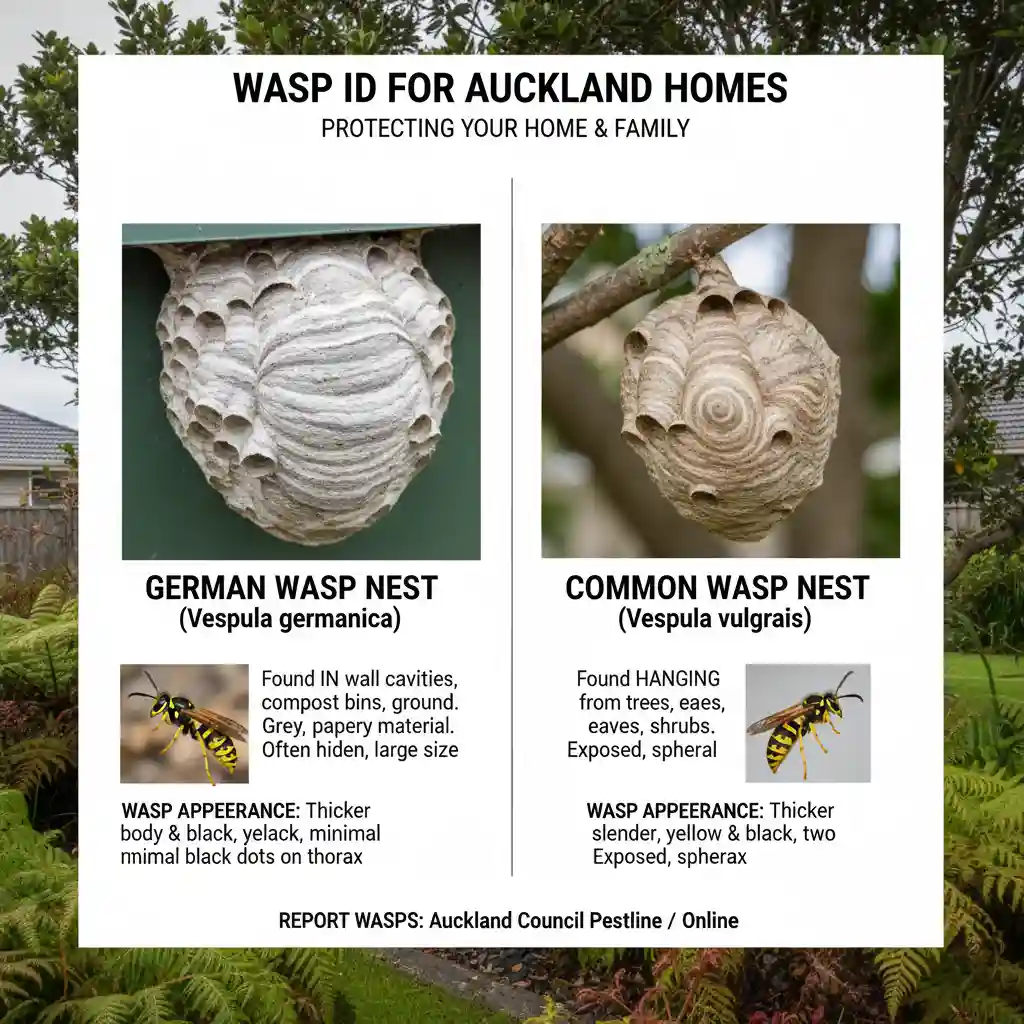
German wasps are one of the most common and aggressive wasp species found in Auckland. They are easily distinguished by their bright yellow and black striped bodies, with distinct black triangular markings down their abdomen. Their nests are typically large, greyish, and made from chewed wood fibre, giving them a papery appearance. These nests are often found in sheltered, hidden locations.
- Nest Location: German wasps prefer to build their nests underground in old rodent burrows, tree hollows, wall cavities, roof spaces, and dense shrubs. Their nests can grow to be very large, sometimes the size of a suitcase or even a small car, containing tens of thousands of individuals.
- Nest Appearance: The exterior of a German wasp nest often appears as a smooth, grey, papery shell. If built underground, you might only see a small entrance hole, but the activity around it will be high. Above ground, they can be spherical or irregular in shape, conforming to the cavity they inhabit.
- Wasp Appearance: They are robust, about 12-15mm long, with short antennae and two pairs of wings. Their defining features are the yellow and black bands and the triangular black marks on their abdomen.
Common Wasps (Vespula vulgaris) in Auckland
Common wasps share many similarities with German wasps, making visual identification challenging for the untrained eye. They also have yellow and black markings but typically feature a black anchor-shaped mark on their face and more irregular black markings on their abdomen, rather than the distinct triangles of the German wasp. Their nests are also constructed from chewed wood pulp.
- Nest Location: Like German wasps, common wasps frequently build nests underground in similar burrows or cavities. They are also found in wall voids, attics, sheds, and other sheltered spaces. Their nests can also reach considerable sizes, though often slightly smaller than German wasp nests.
- Nest Appearance: Common wasp nests are also grey and papery. Distinguishing them from German wasp nests solely by appearance can be difficult without observing the wasps themselves. They are typically spherical if unconstrained by space.
- Wasp Appearance: Slightly smaller than German wasps, around 10-14mm. Their facial markings are a key differentiator – look for the anchor shape.
Assessing the Risk and Danger of a Wasp Nest on Your Auckland Property
Discovering a wasp nest near your Auckland home or business can be alarming, and for good reason. Wasps are notoriously aggressive, especially when their nest is disturbed or threatened. Unlike bees, which can only sting once, wasps can sting multiple times, delivering venom that causes pain, swelling, and itching. For some individuals, wasp stings can trigger severe allergic reactions, known as anaphylaxis, which can be life-threatening.
The level of danger posed by a wasp nest depends on several factors:
- Proximity to human activity: Nests located near doors, windows, pathways, or children’s play areas present a higher risk.
- Nest size and activity level: Larger nests typically house more wasps, increasing the likelihood of encounters and potential mass attacks if disturbed. High levels of wasp traffic in and out of a specific area indicate an active and potentially large nest.
- Type of wasp: While both German and common wasps are aggressive, their general temperament can vary. German wasps are often perceived as slightly more aggressive and persistent in foraging and defending their nests.
- Individual sensitivity: People with known allergies to wasp stings face a significantly higher risk. Even for those without allergies, multiple stings can be dangerous, especially for children, the elderly, or those with compromised immune systems.
It’s crucial to observe a nest from a safe distance and avoid any actions that might provoke the wasps. Never poke, spray, or attempt to block the entrance to a nest yourself, as this is when wasps are most likely to attack in large numbers. The urgency of removal increases with the proximity to humans and the activity level of the nest.
When to Consider Professional Wasp Nest Removal in Auckland
While DIY pest control might seem appealing for minor issues, wasp nest removal is a task best left to professionals, especially in a dense urban environment like Auckland where large, aggressive nests are common. The decision to call a professional pest control service should be made immediately upon discovering a nest, particularly if it’s large, actively buzzing with wasps, or located in a high-traffic area.
Here are compelling reasons to opt for professional wasp removal:
- Safety: Professionals are equipped with specialized protective gear (full suits, gloves, veils) and the right tools and insecticides to safely approach and treat a nest without endangering themselves or others. Attempting DIY removal without proper protection can lead to painful stings and potentially serious allergic reactions.
- Effectiveness: Professional pest controllers have access to industrial-strength insecticides and application methods that are far more effective than over-the-counter products. They know exactly where to apply treatments to eradicate the entire colony, including the queen, ensuring the nest is permanently neutralized.
- Expertise: Experienced technicians can accurately identify the wasp species and nest location, even if hidden, which is crucial for successful removal. They understand wasp behaviour and lifecycle, allowing them to implement the most appropriate and humane removal strategy. For detailed information on invasive species in New Zealand, including wasps, consult the Department of Conservation website.
- Prevention of recurrence: A professional service often includes advice on how to prevent future wasp infestations, such as sealing entry points and eliminating attractants.
- Guaranteed results: Reputable Auckland pest control companies often offer guarantees on their wasp nest removal services, providing peace of mind that the problem will be resolved effectively.
The Process of Professional Wasp Nest Removal in Auckland
When you contact a professional pest control service in Auckland for wasp nest removal, you can expect a structured and safety-focused approach to eliminate the threat. This process ensures effective eradication while minimizing risks to residents and the environment.
Typically, the process involves several key steps:
- Initial Assessment and Identification: Upon arrival, the technician will first identify the wasp species and precisely locate the nest. This might involve observing wasp flight paths, listening for buzzing sounds within walls, or inspecting suspected entry points. Accurate identification informs the most effective treatment strategy.
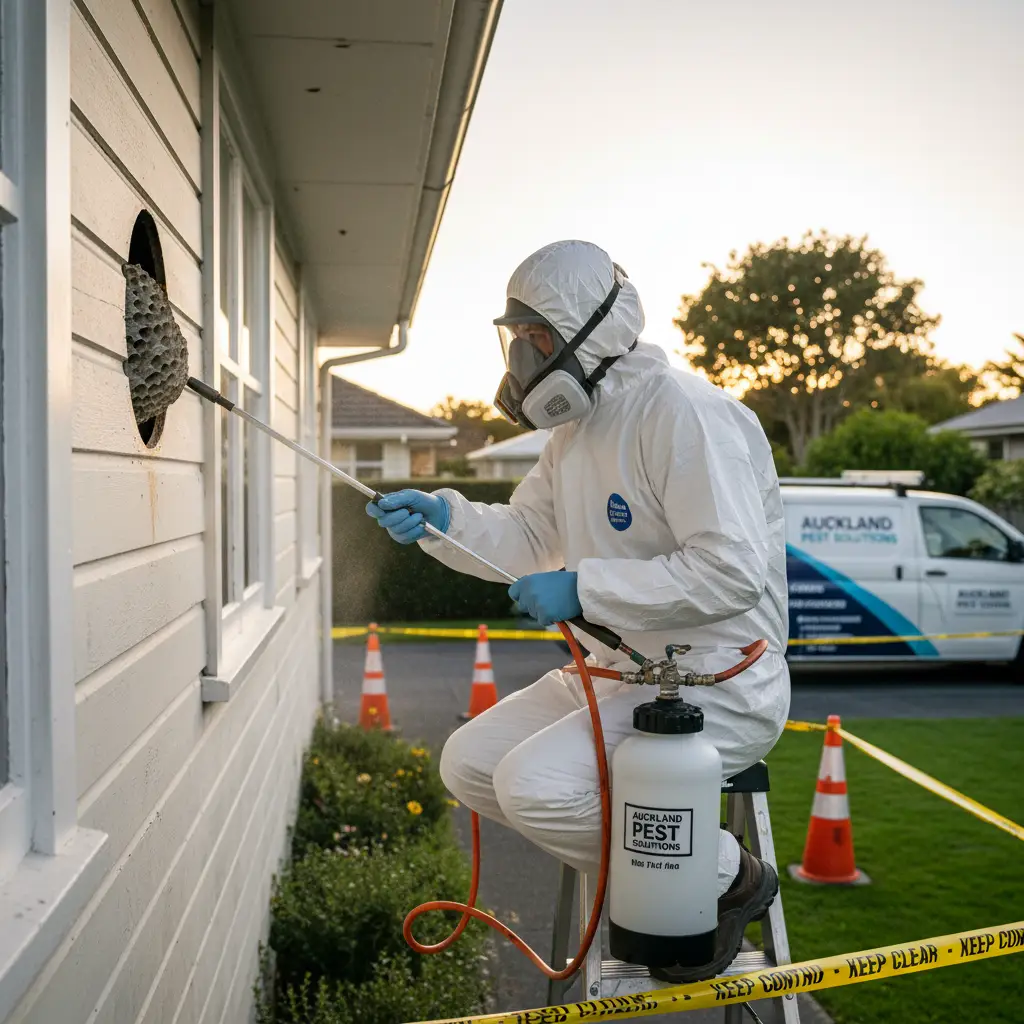
- Safety Protocols: Before any treatment begins, the technician will establish a safe working perimeter and advise occupants on necessary precautions, such as keeping pets and children indoors and away from the treatment area. They will don full protective gear to prevent stings.
- Application of Insecticide: The primary method for nest eradication involves applying a professional-grade insecticide directly into the nest. This is often in the form of a dust or liquid spray, chosen for its rapid action and ability to penetrate the nest’s structure and affect all wasps, including those not present at the time of application (as they will carry the insecticide into the nest upon return).
- Treatment Techniques: For visible or accessible nests (e.g., in sheds, under eaves), direct application is straightforward. For hidden nests (e.g., in wall cavities, underground), specialized equipment like extension lances or dust applicators are used to reach the nest through small openings or by drilling a tiny hole if necessary.
- Post-Treatment Guidance: After the treatment, the technician will provide clear instructions on what to expect. Wasp activity around the nest entrance might initially increase as disturbed wasps react, but this should subside within a few hours to a day as the insecticide takes effect. They will advise on when it’s safe to resume normal activities around the treated area.
- Nest Removal (Optional and Situational): In many cases, once the colony is dead, removing the physical nest is not strictly necessary, especially if it’s in an inaccessible location like a wall cavity. The dead nest poses no further threat. However, if the nest is accessible and poses a potential hygiene issue or attracts other pests, the technician might offer to remove it after ensuring all wasps are eliminated.
- Follow-up and Prevention Advice: Some services include a follow-up visit to ensure complete eradication. Additionally, professionals will offer advice on sealing potential entry points, trimming vegetation, and other preventative measures to reduce the likelihood of future infestations.
It’s important to choose a reputable Auckland pest control service that adheres to safety standards and environmental regulations for insecticide use. New Zealand’s Environmental Protection Authority (EPA) provides guidelines for pesticide use, ensuring responsible pest management practices.
Choosing the Right Wasp Removal Service in Auckland
Selecting a reliable and effective wasp removal service in Auckland is paramount for your safety and peace of mind. Not all pest control companies are equal, so it’s essential to do your due diligence before hiring. Here are key factors to consider:
- Experience and Specialization: Look for companies with extensive experience specifically in wasp nest removal in Auckland. They should be familiar with the local wasp species and their unique challenges.
- Licensing and Certification: Ensure the technicians are fully licensed, certified, and trained in pest control and the safe handling of insecticides. This guarantees they meet industry standards and adhere to safety regulations.
- Safety Protocols: Inquire about their safety procedures, especially regarding the use of protective gear and how they protect your family and pets during treatment.
- Treatment Methods and Products: A reputable company will be transparent about the insecticides they use, explaining their effectiveness and safety profile. They should use professional-grade products that are effective yet minimize environmental impact.
- Guarantees and Warranties: A strong indicator of confidence in their service is a guarantee. Many companies offer a warranty period during which they will re-treat the nest if wasp activity persists.
- Reputation and Reviews: Check online reviews, testimonials, and ask for recommendations. A company with a consistent track record of positive customer feedback is a good sign.
- Pricing: Obtain clear, upfront quotes. While cost shouldn’t be the only factor, comparing prices from several reputable providers can help ensure you’re getting a fair deal. Beware of exceptionally low prices, which might indicate substandard service or products.
- Emergency Service: Given the urgent nature of some wasp infestations, inquire if they offer emergency or same-day service, particularly during peak wasp season (late summer to autumn).
- Insurance: Verify that the company carries appropriate insurance, protecting both their technicians and your property in case of any unforeseen incidents.
By carefully evaluating these aspects, you can confidently choose a professional wasp removal service in Auckland that will effectively and safely eliminate your wasp problem.
Preventative Measures to Deter Wasps in Auckland
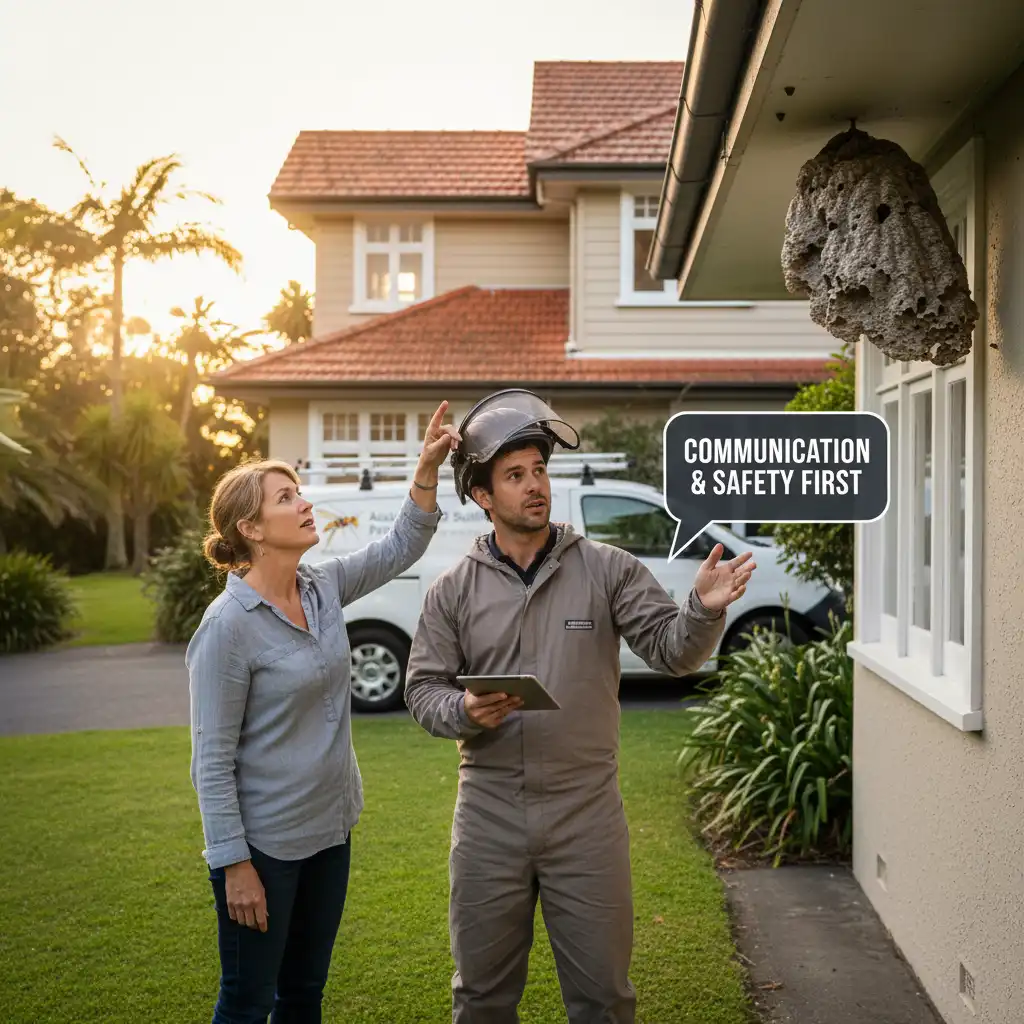
While professional removal is essential for existing nests, implementing preventative measures can significantly reduce the likelihood of wasps establishing nests on your Auckland property in the first place. A proactive approach is always the best defense against these aggressive pests.
- Seal Entry Points: Regularly inspect your home for cracks, gaps, and holes in walls, eaves, fascias, and around utility pipes. Seal these openings with caulk, expanding foam, or mesh to prevent wasps from gaining access to internal cavities where they often build nests. Pay particular attention to soffits, attic vents, and loose siding.
- Repair and Maintain Structures: Fix any broken screens on windows and doors. Ensure all door and window seals are intact. Repair damaged shed walls or rooflines promptly. Preventing access to sheltered, undisturbed spaces is key.
- Manage Food and Water Sources: Wasps are attracted to sugary foods and proteins. Keep outdoor bins tightly sealed and clean them regularly. Avoid leaving pet food or sugary drinks outdoors. If dining outside, cover food and clear dishes promptly. Promptly collect fallen fruit from trees.
- Trim Vegetation: Keep trees and shrubs trimmed away from your house, especially around windows and entryways. Dense vegetation can provide ideal, sheltered locations for wasps to build nests.
- Avoid Scented Products Outdoors: Strong floral or fruity scents from perfumes, lotions, or even some plants can attract wasps. When spending time outdoors, consider using unscented products.
- Install Wasp Traps (Strategically): While not a solution for an existing nest, strategically placed wasp traps (baited with sugary liquid) early in the season can catch foraging wasps and potentially reduce the local population before they establish nests. Ensure traps are placed away from high-traffic areas.
- Maintain a Clean Garden: Remove any piles of debris, old logs, or unused garden equipment that could provide nesting sites. Fill in old rodent burrows or other ground holes.
- Be Vigilant During Peak Season: During late summer and autumn, when wasp populations are at their peak and queens are seeking overwintering sites or new nesting locations, be extra vigilant. Regularly check common nesting areas like under eaves, in sheds, and around secluded parts of your garden for early signs of wasp activity.
By adopting these preventative strategies, Auckland homeowners can significantly reduce the risk of troublesome wasp infestations, contributing to a safer and more enjoyable outdoor environment.
People Also Ask About Wasp Nests in Auckland
How can I tell the difference between a bee nest and a wasp nest in Auckland?
Wasp nests in Auckland, typically from German or common wasps, are made of papery, chewed wood pulp and are greyish. They can be found underground, in wall cavities, or sheltered outdoor spaces. Wasps have distinct yellow and black stripes with a narrow waist and can sting repeatedly. Bee nests, on the other hand, are often made of wax honeycomb and usually found in tree hollows, chimneys, or sometimes underground. Bees are hairier, rounder, and typically less aggressive unless their nest is directly threatened, and only sting once.
What should I do if I find a wasp nest on my Auckland property?
If you find a wasp nest in Auckland, the most important step is to keep a safe distance and avoid disturbing it. Do not attempt to remove it yourself, especially if it’s large or active, due to the risk of multiple stings. Contact a professional pest control service in Auckland immediately. They have the expertise, equipment, and protective gear to safely and effectively remove the nest.
Are wasps protected in New Zealand, similar to bees?
No, unlike native bees and honey bees, which are protected due to their ecological importance, common and German wasps are introduced invasive species in New Zealand. They are considered pests because they prey on native insects, birds, and compete for food sources, causing significant environmental damage. There are no protections for these wasp species, and their eradication is encouraged.
When is wasp season in Auckland, and when are nests most active?
Wasp season in Auckland typically begins in late spring, with activity increasing through summer and peaking in late summer to autumn (January to April). During this peak period, nests can grow to their largest sizes, housing tens of thousands of wasps, and foraging activity is at its highest. This is when nests are most noticeable and pose the greatest risk.
Can a wasp nest be left alone if it’s not bothering anyone?
It is generally not advisable to leave a wasp nest alone, particularly in Auckland. Even if it seems undisturbed, wasp nests can grow rapidly, and the colony’s aggressiveness increases as numbers rise. A small disturbance could provoke a large swarm, posing a risk to residents, pets, and neighbours. Furthermore, wasps pose a significant threat to New Zealand’s native ecology. Professional removal is recommended for safety and environmental protection.
How much does professional wasp nest removal cost in Auckland?
The cost of professional wasp nest removal in Auckland can vary depending on several factors, including the size and location of the nest, the ease of access, and the specific pest control company. Most services offer a fixed price per nest, often ranging from $150 to $300 or more for complex removals. It’s always best to get a specific quote from a reputable local pest control service after they assess the situation.