Common pests in Auckland encompass a range of insects and rodents that thrive in its subtropical climate and urban environment, posing significant challenges to homeowners and businesses alike. These unwelcome visitors include rodents, cockroaches, ants, spiders, and borers, each presenting unique risks and requiring specific identification and targeted solutions to maintain a healthy and safe living or working space.
Understanding Common Pests in Auckland: An Overview
Auckland’s unique geography, temperate climate, and bustling urban landscape create an ideal breeding ground for a diverse array of pests. From the humid, warm summers to the mild, wet winters, conditions often favour the proliferation of insects and rodents seeking shelter, food, and water within our homes and businesses. Understanding the prevalent species, their habits, and the threats they pose is the first crucial step in effective pest management. This definitive guide aims to equip Auckland residents with the knowledge to identify common intruders and implement both preventative measures and appropriate solutions.
The impact of pests extends beyond mere annoyance. They can contaminate food, damage property, spread diseases, and even cause significant stress. For instance, rats and mice are notorious for spreading pathogens and gnawing through electrical wiring, posing fire hazards. Cockroaches can trigger allergies and asthma, while certain spiders, though mostly harmless, can cause anxiety. Effective pest control is therefore not just about eradication; it’s about safeguarding health, property, and peace of mind.
This guide will delve into the specifics of Auckland’s most common pests, providing detailed identification cues, outlining the tell-tale signs of an infestation, and offering insights into their behaviour and lifecycle. Furthermore, we will explore practical solutions, emphasizing both do-it-yourself prevention tactics and the critical juncture at which professional intervention becomes indispensable. By the end of this resource, you will possess a comprehensive understanding necessary to protect your Auckland property from these persistent invaders.
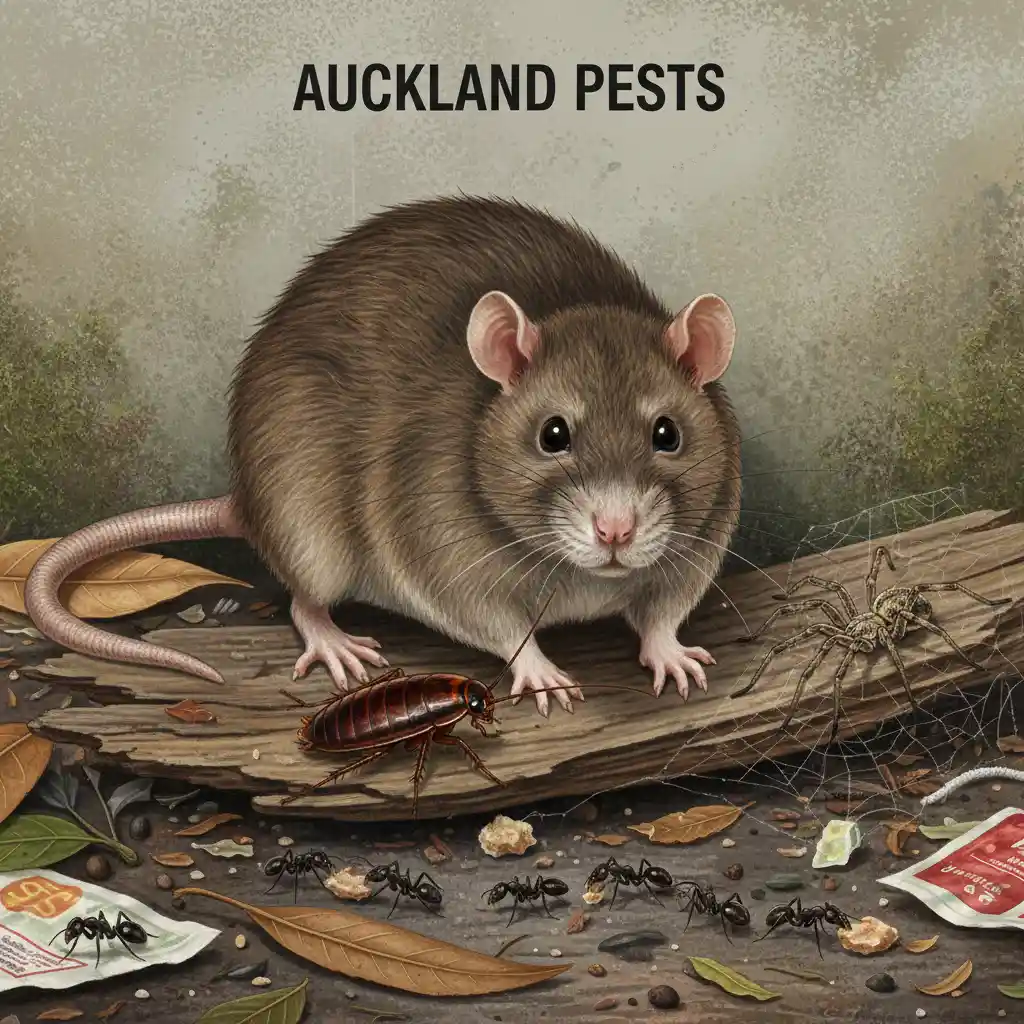
Visual Guide to Auckland’s Most Common Pests
Identifying the specific pest causing trouble is paramount to effective treatment. Different pests respond to different strategies, and a misdiagnosis can lead to wasted effort and continued infestation. Here’s a closer look at the key characteristics and habits of Auckland’s most frequently encountered pests.
Rodents: Rats & Mice
Auckland is home to several common rodent species, primarily the Norway Rat (Rattus norvegicus), Ship Rat (Rattus rattus), and House Mouse (Mus musculus). These creatures are highly adaptable and are often found in urban environments. They are known for their rapid breeding cycles and their ability to squeeze through incredibly small openings.
- Norway Rat (Sewer Rat): Large, heavy-set, blunt snout, short ears. Primarily ground dwellers, often found in sewers, basements, and lower floors.
- Ship Rat (Roof Rat): Slender body, pointed snout, large ears. Excellent climbers, frequently found in attics, roof spaces, and trees.
- House Mouse: Smallest of the three, slender body, relatively large ears. Can be found anywhere indoors, often in hidden, undisturbed areas.
All rodents are vectors for numerous diseases, including Leptospirosis, Salmonellosis, and Hantavirus. Their incessant gnawing can also cause significant structural damage to homes and businesses, including electrical fires from damaged wiring.
Cockroaches: German, American & Oriental
Cockroaches are resilient and notoriously difficult to eliminate once established. Auckland typically experiences infestations from three main species:
- German Cockroach: Light brown, 1-1.5 cm long, two dark stripes behind the head. Prefers warm, humid environments, often found in kitchens and bathrooms. Highly prolific breeders.
- American Cockroach: Reddish-brown, 3.5-5 cm long, yellowish figure-eight pattern behind the head. Prefers warm, damp, dark places like basements, drains, and sewers. Can fly short distances.
- Oriental Cockroach: Dark brown/black, 2.5-3 cm long. Slower and less agile, often found in cool, damp places like basements, drains, and under sinks. Has a strong, unpleasant odour.
Cockroaches can contaminate food preparation surfaces, spread bacteria like E. coli and Salmonella, and trigger allergies or asthma, particularly in children.
Ants: Argentine, Black House & White-footed House Ant
Ants are common household invaders, particularly during warmer months or after heavy rain. They are primarily a nuisance, but some can bite, and they can contaminate food.
- Argentine Ant: Small (2-3mm), dark brown. Form large, complex colonies with multiple queens. Leave strong scent trails.
- Black House Ant: Small (2.5-3mm), shiny black. Often found trailing inside homes, seeking sweets.
- White-footed House Ant: Small (2.5-3mm), dark body with light-coloured feet/lower legs. Similar habits to Black House Ants, often foraging for sugary substances.
Ants rarely pose a direct health threat but can be incredibly persistent in their search for food and water, infesting pantries and food storage areas.
Spiders: White-tailed, Katipo & Common House Spiders
While many spiders are harmless and even beneficial for controlling other insects, some can inflict painful or medically significant bites.
- White-tailed Spider: Dark grey/black, cigar-shaped body, distinctive white tip on the tail. Known for painful bites, sometimes associated with skin irritation. Often found indoors, especially in bedding and clothing.
- Katipo Spider: Critically endangered native New Zealand spider, related to the Redback. Black with a distinctive red stripe on its back (female). Its bite is venomous. Typically found in coastal dunes, rarely indoors.
- Common House Spider: Brown/grey, often with variegated patterns. Builds messy, irregular webs in corners and sheltered spots. Bites are generally harmless.
Most spider bites are not dangerous, but caution should be exercised, especially with unknown species or if symptoms persist.
Wood Borer (Anobium punctatum)
Often mistaken for termites (which are less common in New Zealand homes but exist), wood borers are a significant pest that damages timber structures, furniture, and flooring.
- Identification: Small (2-4mm), dark brown beetle. The larvae (grubs) are the damaging stage, tunneling through wood. Signs include small, circular exit holes (1-3mm diameter) on timber surfaces, and fine, powdery dust (frass) around the holes or beneath affected timber.
Borer infestations can severely weaken wooden structures over time, compromising the integrity of floors, beams, and antique furniture. Early detection is key to preventing extensive damage.
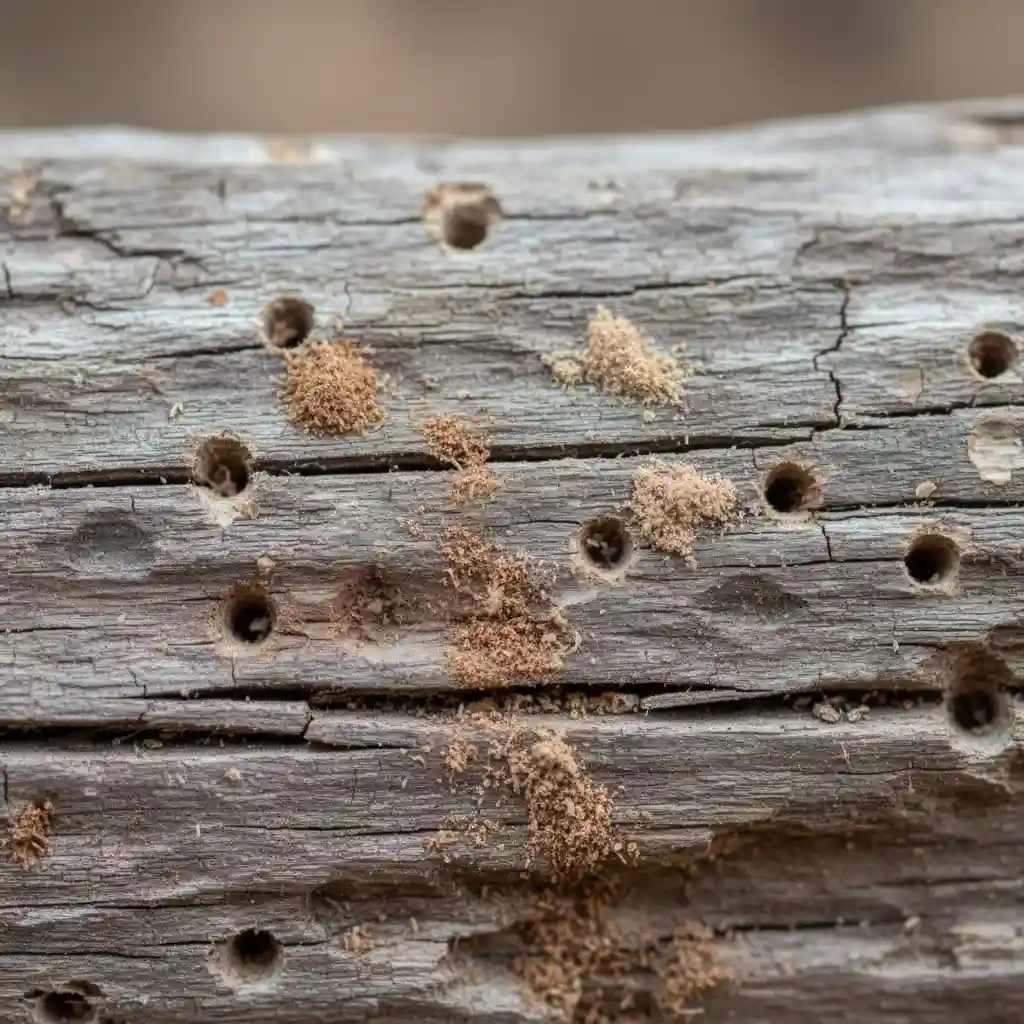
Signs of Different Pest Infestations
Early detection of a pest problem is crucial for effective and less costly intervention. Knowing what to look for can help you identify an infestation before it becomes severe. Here are common signs associated with Auckland’s prevalent pests:
General Signs of Rodent Infestation
- Droppings: Small, dark pellets found along walls, in cupboards, or near food sources. Mouse droppings are grain-sized; rat droppings are larger, capsule-shaped.
- Gnaw Marks: Scratches or chew marks on skirting boards, furniture, food packaging, electrical wires, or pipes.
- Noises: Scurrying, scratching, or squeaking sounds, especially at night, often from walls, ceilings, or attics.
- Nests: Piles of shredded paper, fabric, or other soft materials in secluded areas.
- Runways: Grease marks or rub marks along walls and skirting boards where rodents frequently travel.
Indications of Cockroach Presence
- Live Sightings: Cockroaches are nocturnal. Seeing one during the day often indicates a large infestation. Check dark, warm, humid areas like under sinks, behind appliances, and in pantries.
- Droppings: Small, black or brown speckles (like coffee grounds or black pepper) or cylindrical droppings.
- Smear Marks: Dark, irregular stains on horizontal surfaces or wall-floor junctions where cockroaches have been active.
- Egg Cases (Oothecae): Small, brown, capsule-like cases, often found in hidden crevices.
- Unpleasant Odour: A distinct, musty odour, especially noticeable in severe infestations.
Evidence of Ant Activity
- Ant Trails: Lines of ants marching to and from a food source, typically along walls, benchtops, or outdoor pathways.
- Nests: Small piles of dirt or sand, or cracks in pavements or foundations where ants emerge. Indoors, nests can be hidden in walls, under floors, or behind appliances.
- Food Contamination: Ants discovered in food containers or pantry items.
Detecting Spider Infestations
- Webs: The most obvious sign. Different spiders build different types of webs (e.g., messy, tangled webs for house spiders; funnel webs for others).
- Egg Sacs: Small, silken balls attached to webs or hidden in crevices.
- Live Sightings: Spiders themselves, often found in quiet, undisturbed areas like corners, basements, or attics.
Spotting Wood Borer Damage
- Exit Holes: Small (1-3mm) perfectly circular holes on the surface of wooden items, furniture, floorboards, or structural timbers. These indicate adult beetles have emerged.
- Frass (Wood Dust): Fine, powdery sawdust or gritty material found directly below exit holes or within the tunnels. This is the bore dust produced by feeding larvae.
- Weakened Timber: In severe cases, probing the timber around exit holes may reveal soft, crumbly wood just beneath the surface.
Pest Lifecycle and Behaviour: Understanding the Enemy
A deeper understanding of pest lifecycles and behaviour is not just academic; it’s a critical tool in developing effective long-term control strategies. Knowing how pests reproduce, what attracts them, and their preferred habitats allows for targeted prevention and treatment.
Rodent Lifecycle and Habits
Rats and mice are prodigious breeders. A single female mouse can produce 5-10 litters per year, with 5-6 pups per litter, reaching sexual maturity in just 6-8 weeks. Rats have similar impressive reproductive rates. This rapid multiplication means a small initial problem can quickly spiral out of control. They are primarily nocturnal, incredibly wary, and adept at finding food and shelter. They prefer to stay close to walls and objects, using their whiskers to navigate, and are constantly exploring for new food sources or entry points into buildings. Their gnawing is not just for food; it’s also to keep their incisors, which grow continuously, at a manageable length.
Cockroach Lifecycle and Resilience
Cockroaches undergo incomplete metamorphosis (egg, nymph, adult). German cockroaches are particularly problematic due to their short reproductive cycle and high number of offspring. A female German cockroach can produce 4-8 egg capsules (oothecae) in her lifetime, each containing 30-40 eggs. The entire cycle from egg to adult can take as little as 50 days. They are omnivorous scavengers, thriving on decaying organic matter, food scraps, and even glue or soap. Their ability to hide in tiny crevices, combined with their rapid breeding and resistance to some pesticides, makes them notoriously difficult to eradicate.
Ant Colony Structure and Foraging
Ants live in highly organised colonies with a queen, workers, and sometimes soldiers. The workers are the ants you typically see foraging for food and water. They follow pheromone trails laid by other ants, which is why you often see them in lines. Understanding their foraging patterns and where their colony is located is key. For species like the Argentine ant, which have multiple queens and can form supercolonies, standard baiting methods might be insufficient if not applied broadly enough. They are often attracted to sweet and fatty foods and are excellent at exploiting small cracks and openings to enter structures.
Spider Habits and Web Construction
Spiders are predatory arthropods, and their behaviour is largely dictated by their hunting strategy. Web-building spiders create elaborate traps to catch prey, while ‘hunting’ spiders (like the White-tailed spider) actively stalk their prey. Most spiders are solitary and non-aggressive, only biting when they feel threatened. Understanding their preferred habitats – dark, undisturbed corners for web-builders, or areas with other insects for hunters – can help in targeted control. The presence of numerous webs or increasing sightings of spiders can indicate a robust local insect population, which in turn attracts spiders.
Wood Borer Metamorphosis and Damage
The common furniture beetle (Anobium punctatum), or wood borer, has a complete metamorphosis (egg, larva, pupa, adult). The adult beetle lays eggs in cracks or old exit holes in timber. The larvae (grubs) then hatch and burrow into the wood, feeding on cellulose for 2-5 years (or even longer in unfavourable conditions). This is the stage that causes significant damage, as the larvae create extensive tunnels internally. The adult beetle then emerges, leaving the characteristic exit hole. The cycle then repeats. This long larval stage means that damage can accumulate over many years before being noticed, making regular inspections of timber crucial, particularly in older properties.
Proactive Pest Prevention & When to Call a Professional
Effective pest management in Auckland starts with prevention. By taking proactive steps, you can significantly reduce the likelihood of an infestation. However, for established or severe problems, professional pest control is often the safest and most efficient solution.
Key Preventative Measures
Prevention focuses on eliminating access points, food sources, and harborage areas:
- Seal Entry Points: Inspect your home’s exterior for cracks, gaps, and holes in foundations, walls, and around utility pipes. Seal these with appropriate fillers. Ensure doors and windows have tight-fitting screens and sweeps. Pay particular attention to gaps under garage doors.
- Maintain Sanitation: Keep your home clean and tidy. Wipe up food spills immediately, store food in airtight containers, and take out rubbish regularly. Don’t leave pet food out overnight. Wash dishes promptly.
- Manage Moisture: Repair leaky pipes, taps, and drains. Ensure good ventilation in bathrooms and kitchens to reduce humidity. Clear blocked gutters and ensure proper drainage around your home’s foundation. Pests, especially cockroaches and mosquitoes, thrive in damp environments.
- Declutter: Remove clutter from attics, basements, garages, and sheds. Pests love hiding in undisturbed piles of boxes, old newspapers, and stored items. Regularly clear vegetation and debris from around your home’s perimeter.
- Yard Maintenance: Keep your lawn mowed, trim shrubs and trees away from the house, and remove leaf litter. Don’t let branches touch your roof, as they can provide pest access.
- Inspect Deliveries: Before bringing in groceries, packages, or second-hand items, inspect them for signs of pests.
Implementing these measures consistently can make your home far less attractive to common pests.
When to Call a Professional Pest Controller
While DIY prevention and minor pest issues can be managed, there are critical times when professional intervention is not just recommended, but essential:
- Persistent Infestations: If you’ve tried DIY methods and the pests keep returning or the problem isn’t getting better, it’s time to call in the experts. Professionals have access to stronger, more targeted treatments and a deeper understanding of pest biology.
- Dangerous Pests: For venomous spiders, aggressive wasps, or large rodent infestations, personal safety is paramount. Professional pest controllers have the equipment and expertise to handle these threats safely.
- Property Damage: If you suspect wood borers, termites (though rare, they do exist in NZ), or significant rodent damage, a professional can assess the extent of the damage and implement a treatment plan that protects your property’s structural integrity.
- Health Risks: Pests like cockroaches and rodents can spread diseases and trigger allergies. If you have vulnerable individuals (children, elderly, immune-compromised) in your home, it’s wise to engage professionals immediately.
- Large-Scale Problems: Businesses, especially those in hospitality or food service, cannot afford pest problems. Commercial pest control services are tailored to meet stringent health and safety regulations.
- Identification Challenges: If you can’t identify the pest or its source, a professional can conduct a thorough inspection to pinpoint the problem and recommend the correct treatment.
Professional pest controllers in Auckland possess the necessary licences, training, and specialized equipment to effectively and safely manage a wide range of pest issues. They can also offer ongoing monitoring and preventative advice to ensure long-term pest freedom. For expert advice and comprehensive solutions, consider consulting the Ministry for Primary Industries (MPI) or a reputable local pest control service. MPI provides valuable information on biosecurity and pest management specific to New Zealand, offering a foundational understanding of official approaches to pest control.
People Also Ask About Auckland Pests
What is the most common pest in Auckland?
The most common pests in Auckland vary by season and location, but generally include various species of ants, cockroaches (especially German cockroaches), and rodents (rats and mice). These pests are highly adaptable to urban environments and can be found year-round.
How do I get rid of rats in my ceiling in Auckland?
To get rid of rats in your ceiling, first identify entry points and seal them. Use snap traps or bait stations strategically placed in the ceiling void, following product instructions carefully. For persistent or large infestations, professional pest control is highly recommended due to the health risks and potential damage rats can cause.
Are there dangerous spiders in Auckland?
While most spiders in Auckland are harmless, the White-tailed spider is known to deliver a painful bite, sometimes associated with localized skin irritation. The Katipo spider, a critically endangered native species with a venomous bite, is rarely found indoors and typically inhabits coastal dunes. For any concerning spider bites, seek medical advice.
What are the best DIY pest prevention tips for Auckland homes?
Best DIY pest prevention tips for Auckland homes include sealing all cracks and gaps in your home’s foundation and around pipes, maintaining excellent sanitation by cleaning up food spills and storing food in airtight containers, repairing leaky plumbing, reducing clutter, and keeping your yard well-maintained by trimming vegetation away from the house.
How often should I get professional pest control in Auckland?
The frequency of professional pest control in Auckland depends on your property’s vulnerability and previous pest history. For general prevention, an annual or bi-annual treatment can be effective. If you have recurring issues or live in a high-risk area, quarterly treatments might be more appropriate. A professional can assess your specific needs.
What kind of damage can wood borers cause in Auckland homes?
Wood borers, particularly the common furniture beetle, can cause significant damage to wooden structures, furniture, and flooring in Auckland homes. Their larvae tunnel through timber, weakening its structural integrity over time. Signs include small, circular exit holes and powdery wood dust (frass), which indicate active infestation and potential long-term damage.