Have you ever woken up in the middle of the night to the unmistakable sound of scratching in your ceiling? If you live in Aotearoa, you are certainly not alone. Our beautiful, lush environment makes this country a paradise for humans, but it also creates the perfect breeding ground for unwanted guests.
From the humid summers in the North Island to the cooler winters down south, pests are constantly seeking shelter and food inside our homes. Managing these invaders can sometimes feel like a never-ending chore for homeowners and property managers alike.
That is where professional Pest Control in New Zealand comes in. It is not just about randomly spraying chemicals; it is about understanding local climates, housing structures, and pest behaviours to keep your family safe and comfortable.
Key Takeaways
Effective Pest Control New Zealand relies on understanding our unique climate and pest behaviours. The most common invaders include ants, rodents, and cockroaches. Following the July 2025 Healthy Homes deadline, proper ventilation and moisture control are critical first steps. Always choose certified, family-safe professional treatments over temporary DIY fixes.
The Unique Challenge of Pest Control in New Zealand
New Zealand features a beautifully temperate climate that is fantastic for our native flora. However, this also means that many common pests do not experience a harsh winter die-off like they do in colder countries.
Instead, insects and rodents simply move indoors when the weather turns chilly or wet. Many of our older homes, particularly those built before modern building codes, feature unsealed subfloors and wooden weatherboards.
These architectural quirks provide very easy entry points for mice, rats, and crawling insects looking for a cosy place to settle down.
Once inside, pests look for three basic things: food, water, and warmth. Eliminating these basic needs is the foundation of effective Pest Control New Zealand strategies.
Furthermore, New Zealand has unique conservation goals, such as the incredible Predator Free 2050 initiative. This means that while we fiercely protect our native birds and wildlife, we must be equally proactive in managing invasive predators in our urban spaces.

The Most Common Pests Invading Kiwi Homes
Understanding exactly what you are up against is the first step in reclaiming your home. While we are lucky not to worry about venomous snakes or large predators, our urban pests can still cause frustration and property issues.
Rodents (Rats and Mice)
Rats and mice are incredibly common, especially as autumn approaches and they seek warmth. They can sometimes chew through electrical wiring, which is why it is best to address them quickly to keep your home safe.
Beyond physical damage, rodents can easily contaminate your pantry in a matter of days. If you spot one mouse darting across the kitchen floor, there is a high probability that a nest is hidden nearby.
Ants and Cockroaches
Ants are highly active during our warm, humid summers, often marching straight into kitchens in search of sugary or protein-rich foods. Once a single scout ant leaves a pheromone trail, thousands more will quickly follow.
Cockroaches, on the other hand, thrive in dark, damp environments like bathrooms, under sinks, and inside wall cavities. They are known carriers of bacteria, so keeping them out of your food preparation areas is very important.
Spiders and Wasps
While most New Zealand spiders are harmless and actually help catch flies, species like the White Tail can deliver a painful bite. Spiders generally follow their food source, so a spider problem often indicates a broader insect issue in the house.
Wasps become highly active and easily agitated in late summer. Because a single nest can house thousands of wasps, we always recommend professional removal to keep your family and pets completely safe from stings.
Seasonal Pest Cycles in New Zealand
Just like the changing of the leaves, pest activity in New Zealand follows a very distinct seasonal pattern. Anticipating these changes is the secret to keeping your home peaceful and pest-free all year round.
During spring, warming temperatures trigger a massive breeding cycle for insects. Ants begin their relentless search for food, and wasps start building their papery nests in eaves and garden sheds.
Summer is the peak season for crawling and flying insects. Cockroaches thrive in the humid heat, while flies and mosquitoes become a daily nuisance, especially around outdoor dining areas and standing water.
As autumn rolls in and temperatures drop, the focus shifts entirely to rodents. Rats and mice desperately seek warm, dry shelter to survive the winter, making your roof cavity and subfloor their primary targets.
By winter, insect activity slows down significantly, but rodents become highly active indoors. This is the critical time to ensure your home is fully sealed and any existing rodent issues are handled before they multiply.
How the 2025 Healthy Homes Standards Impact Pests
A significant milestone for Pest Control in New Zealand occurred on July 1, 2025. As of this date, all private rental properties are legally required to comply with the government’s Healthy Homes standards.
These standards mandate proper heating, ceiling and underfloor insulation, and adequate ventilation in rental homes. While designed primarily to keep tenants warm and dry, these rules have a massive secondary benefit: natural pest reduction.
Pests like cockroaches, silverfish, and dust mites thrive in damp environments. By installing extractor fans and proper heating, you are actively removing the moisture that these pests need to survive.
For property managers and landlords, ensuring compliance is not just about following the law. It actively protects the property from long-term pest damage, keeping tenants happy and maintenance costs down.
Comparing DIY Methods vs. Professional Pest Control
When faced with an infestation, many Kiwis head straight to the local hardware store for a quick fix. While DIY sprays and traps might catch a few visible bugs, they rarely solve the root cause of the problem.
Professional pest managers use targeted, high-quality solutions that are highly effective yet completely safe for your family and pets. They also possess the trained eye needed to locate hidden nests that the average homeowner might easily miss.
| Feature | DIY Pest Control | Professional Pest Control |
|---|---|---|
| Upfront Cost | Low (Store-bought sprays/traps) | Moderate to High (Depends on service) |
| Effectiveness | Temporary relief, often misses the nest | Long-term eradication of the entire colony |
| Safety Profile | Risk of misapplication or toxic residue | Certified safe for families, pets, and pregnancy |
| Prevention Advice | None provided | Customized advice on sealing entry points |
Store-bought pest bombs (foggers) can sometimes just push pests deeper into your walls. They can also leave unwanted residues on your kitchen surfaces, which means extra cleaning for you.
Commercial vs. Residential Pest Management
Pest control is certainly not a one-size-fits-all service. The gentle approach required for a family home is vastly different from what is needed for a bustling Auckland restaurant or retail store.
For residential properties, the absolute focus is on family safety, pet-friendly treatments, and clear communication. Technicians take the time to explain the process, ensuring parents feel completely comfortable.
Commercial businesses, however, face strict health and safety compliance regulations. A single pest sighting can unfairly ruin a cafe’s reputation or result in a stressful health inspection.
Because of this, commercial Pest Control New Zealand relies heavily on discreet, ongoing monthly maintenance plans. This proactive approach stops infestations before they ever reach the customer-facing areas.
2026 Trends in the NZ Pest Control Industry
The pest control industry has evolved beautifully over the last few years. Moving through 2025 and into 2026, the focus has shifted heavily towards sustainability and smarter, kinder technology.
Integrated Pest Management (IPM) is now the gold standard across the country. This holistic approach combines preventative maintenance, environmental monitoring, and targeted biological controls, rather than just blanket-spraying chemicals.
Customers are increasingly requesting eco-friendly solutions. Modern botanical treatments provide excellent results while keeping New Zealand’s delicate native ecosystems perfectly safe.
Additionally, smart traps equipped with digital sensors are becoming very popular. These clever devices alert technicians the moment a rodent is caught, allowing for a rapid, hygienic response.
What to Expect from a Professional Treatment
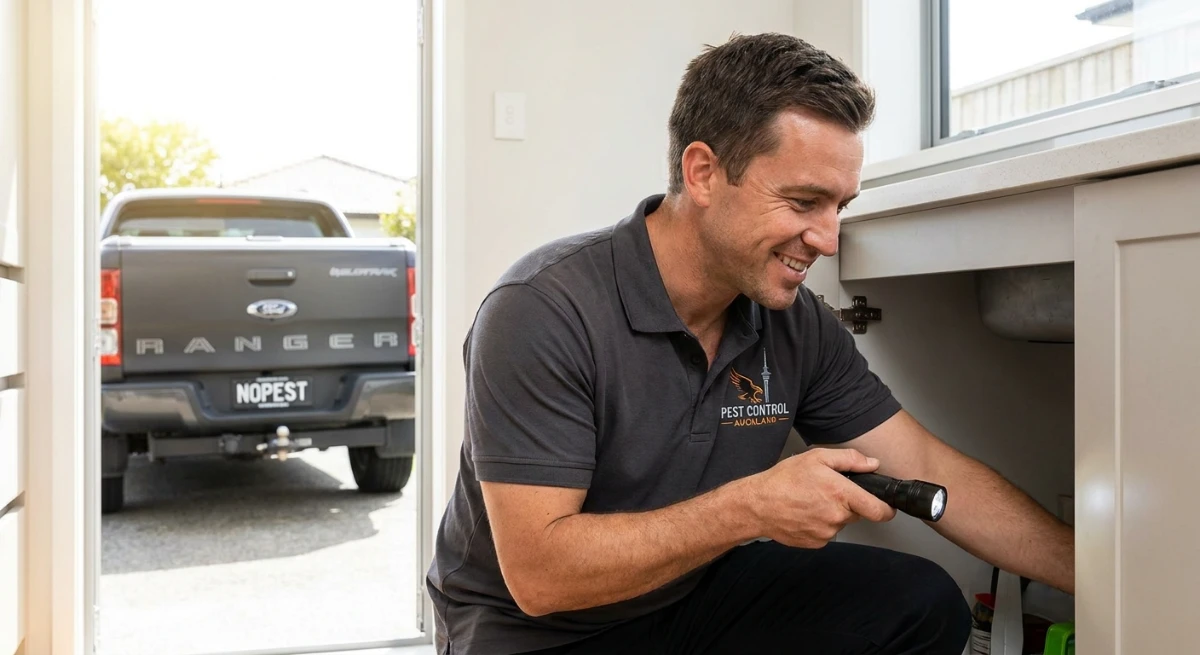
If you have never hired a pest control expert before, you might be wondering how the whole process actually works. A reputable, friendly technician will never just walk in, spray, and hand you a bill.
First, they will conduct a thorough, careful inspection of your property to identify the specific pest species and locate their nesting areas. This step is crucial for determining the safest treatment plan for your home.
Next, the targeted treatment is applied. For crawling insects, this usually involves safe, low-toxicity barrier sprays around skirting boards. For rodents, secure, lockable bait stations are strategically placed well out of reach of children and pets.
Finally, the technician will provide you with practical, down-to-earth prevention advice. This might include simple tips like sealing up specific gaps or improving your subfloor ventilation.
How to Choose a Trusted Local Exterminator
Not all pest control companies operate to the same high standards. When searching for reliable Pest Control in New Zealand, it is vital to look for specific trust signals and proper qualifications.
Always ensure the company uses technicians who hold official Urban Pest Management qualifications. This guarantees they understand the safe handling of products and local pest biology.
Look for a business that offers clear, upfront pricing without any confusing hidden fees. A trustworthy expert will be happy to explain exactly what you are paying for and provide a solid guarantee on their work.
Finally, check local reviews and ask about their follow-up policies. A good pest controller genuinely cares about long-term results and will happily stand by their service to ensure you feel calm and safe.