I have been under enough Auckland houses and inspected enough commercial kitchens out West to know how this usually starts. You spot a single cockroach under the espresso machine or hear a faint scratching in the roof cavity at 2 AM. Your first instinct is to grab a cheap bug bomb from the hardware store, assuming it is just a minor issue.
But here in May 2026, following last year’s mild winter and hot summer, the autumn pest surge is catching everyone off guard. What looks like a small problem is usually the tip of a very large, deeply entrenched nest. People constantly ask me, DIY Pest Control for Minor Infestations: When is it Safe?
The straight answer? It is only safe if you are dealing with a genuinely isolated insect in a low-risk residential setting. If you are running a hospitality business, managing a rental property, or dealing with breeding rodents, DIY is a massive liability. Let us cut through the marketing hype and look at what happens when you try to handle Auckland’s urban pests on your own.
Key Takeaways
DIY Pest Control for Minor Infestations: When is it Safe? It is only safe for isolated, non-breeding pests in low-risk residential homes. For commercial hospitality venues, DIY is never safe due to strict Food Act 2014 compliance. Effective control requires structural exclusion, non-toxic monitoring, and certified root-cause eradication.
The 2026 Auckland Pest Surge
Auckland is currently experiencing a massive spike in urban pests. The combination of a mild winter and a scorching summer last year created the perfect breeding ground. Now that autumn temperatures have dropped, rodents and insects are aggressively seeking warmth and food indoors.
We are seeing unprecedented numbers of German cockroaches infiltrating commercial kitchens and rats chewing through residential roof wiring. When faced with this sudden influx, property owners naturally look for a quick fix. They want to know if DIY pest control in Auckland is a viable option.
The problem is that urban pests have evolved. They are highly resilient to off-the-shelf domestic sprays. Relying on outdated methods during a major seasonal surge is a recipe for disaster.
The Reality of Minor Infestations
In my experience, a “minor infestation” is usually a myth. Pests like German cockroaches and mice are masters of concealment. By the time you actually see one walking across your floor in broad daylight, the nest behind your walls is already at capacity.
Hardware store bug bombs and surface sprays might kill the bugs you can see, but they do absolutely nothing to address the root cause. In fact, these surface-level repellents often trigger a defense mechanism in insect colonies. The survivors scatter, pushing the infestation deeper into your building’s structural voids.
This creates what I call the “DIY Cycle of Despair.” You spend fifty bucks on bait, feel good for a week, and then the pests return in double the numbers. You are treating the symptom, not the source.

Before reaching for a chemical spray, grab a tube of silicone sealant. Blocking entry points around plumbing pipes, weep holes, and skirting boards is the most effective long-term pest prevention strategy.
The Hospitality Trap: Why Businesses Cannot DIY
If you run a cafe, restaurant, or warehousing facility in Auckland, DIY pest control is completely off the table. New Zealand’s hospitality sector generated over $15.99 billion in revenues in FY2025. With that kind of money on the line, the Ministry for Primary Industries (MPI) does not mess around with hygiene standards.
Under the Food Act 2014, commercial food premises are strictly prohibited from using toxic rodenticide baits in sensitive food preparation areas. You cannot just throw hardware store rat bait behind the deep fryer and hope for the best. You need non-toxic monitoring stations, mechanical traps, and a detailed site map of all pest devices.
Failing a health inspection because of improper pest control for commercial hospitality will cost you far more than a professional treatment plan. You risk massive fines, brand damage, and forced closures. Auditors look for proactive Hazard Analysis Critical Control Points (HACCP) compliance, not a can of fly spray in the cupboard.
The Legal Risks of DIY Trapping
Most people do not realize that pest control in New Zealand is heavily regulated. You cannot just set any trap you want and forget about it. The Animal Welfare Act 1999 has strict rules in place to prevent unnecessary suffering of both target and non-target species.
If you decide to use a live-capture trap for a rat or a feral cat, the law requires you to manually inspect that trap within 12 hours after sunrise every single day. If you set a trap at your bach on Waiheke and leave it for the weekend, you are committing a prosecutable offence.
Furthermore, the Auckland Regional Pest Management Plan (RPMP) 2020-2030 enforces strict pathway management rules. Moving certain pests or contaminated materials across the Hauraki Gulf Controlled Area can result in severe penalties. Ignorance of the law will not save you from a council fine.
Under Section 36 of the Animal Welfare Act 1999, any live-capture trap must be manually inspected within 12 hours after sunrise on each day the trap remains set. Failing to do so is a prosecutable offence.
Landlord vs. Tenant: Who Pays for Failure?
When a DIY pest treatment fails in a rental property, the situation usually escalates to the Tenancy Tribunal. Under Section 45(1)(a) of the Residential Tenancies Act 1986, landlords must provide the premises in a reasonable state of cleanliness. This means if the pests were there before the tenant moved in, the landlord pays.
If structural issues, like gaps in the subfloor or unsealed roof cavities, are letting rodents inside, that is also the landlord’s responsibility to fix. However, tenants are not off the hook. If an infestation of ants or cockroaches is directly caused by poor tenant hygiene or leaving food out, the tenant must foot the bill.
Trying to resolve these disputes with a cheap supermarket spray only prolongs the argument. A professional technician provides an independent, written report identifying the root cause and the entry points. This documentation is crucial for resolving liability disputes quickly and legally.
Hardware Store vs. Professional Costs
People lean toward DIY because they think it saves money upfront. Let us look at the actual numbers. A standard hardware store bug bomb costs about $15, and you usually need three or four to cover an average house.
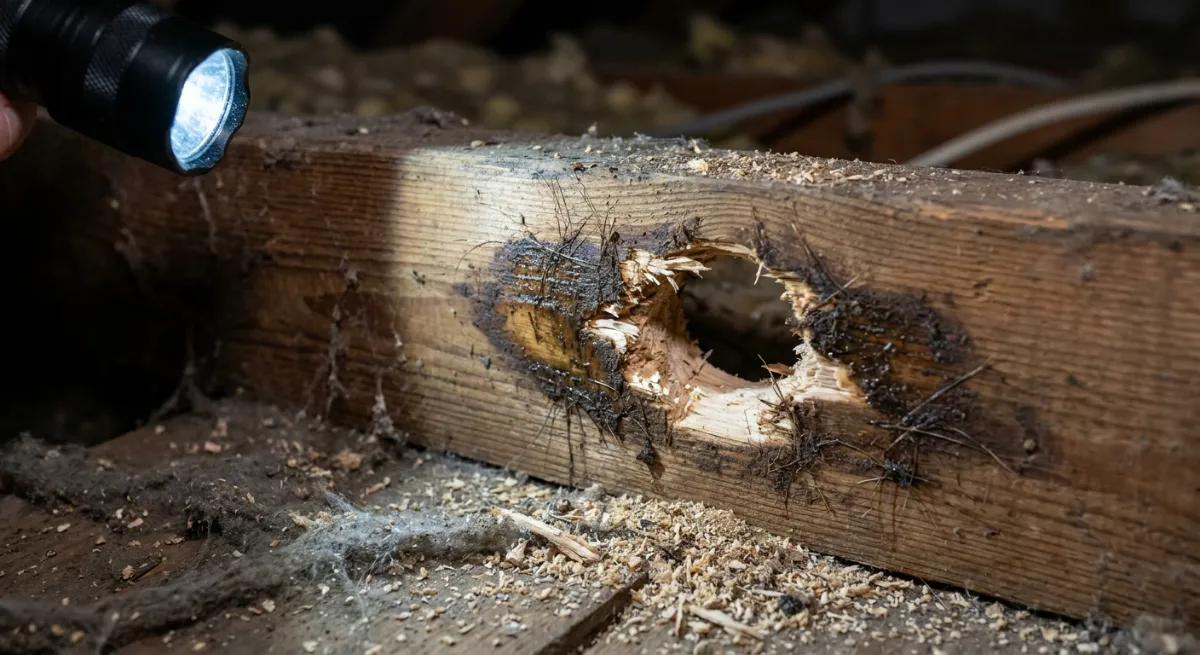
When those inevitably fail, you buy expensive gel baits and snap traps. Before you know it, you have spent $150 and you still have rodents chewing through your expensive electrical wiring. Below is a breakdown of what you actually face in the current 2026 market.
| Pest Type | DIY Hardware Store Cost (Est.) | Professional Eradication (2026 Avg) | The Real Cost of DIY Failure |
|---|---|---|---|
| Cockroaches | $45 – $80 (Bombs & Baits) | $265 – $325 | Pushed deeper into walls, colony multiplies rapidly. |
| Ants | $30 – $60 (Sprays & Gels) | $160 – $200 | Colony budding; one nest splits into multiple satellite nests. |
| Rodents | $50 – $100 (Traps & Toxic Bait) | $155 – $325 | Dead rats in inaccessible wall voids causing severe odor and flies. |
Handling Class 9 ecotoxic substances in New Zealand requires a Level 3 Urban Pest Management qualification. Always ask to see your technician’s certification before allowing them to apply treatments.
When to Call the Pros (The Root-Cause Approach)
Professional pest control is not about spraying toxic chemicals everywhere. It is about entomology and structural exclusion. We find exactly where the pests are entering—whether it is a cracked weep hole or a chewed roof flashing—and we shut it down.
The industry is evolving fast. In July 2026, Auckland is hosting the FAOPMA Pest Summit at the NZICC, focused on “Smarter Pest Solutions for a Rapidly Changing World”. The future of pest management relies entirely on Predictive Integrated Pest Management (IPM) and zero-emission treatments, not outdated DIY chemicals.
We use MPI-approved, highly targeted applications that are safe for your family, pets, and customers. We do not guess; we eradicate. If you are tired of wasting weekends fighting a losing battle, it is time to get the problem fixed properly.
When we treat your property, we back our work with the Silver Bullet Guarantee. We target the root cause, fix the entry points, and ensure the problem is eradicated permanently.
Frequently Asked Questions

About the Author: Ronnie
Founder, Pest Control Auckland · Commercial & Residential Pest Expert · Certified Urban Pest Management Specialist
With over a decade of hands-on experience navigating Auckland’s strict biosecurity laws, Ronnie is the definitive expert to explain DIY Pest Control for Minor Infestations: When is it Safe? Having consulted for top hospitality venues and rectified countless failed DIY attempts, he brings a science-backed, no-nonsense approach to urban pest management.