There’s a sound every Aucklander dreads hearing at 2 AM. It’s that unmistakable, frantic scratching coming from the ceiling space. After the mild winter and scorching summer we had in 2025, the autumn 2026 pest surge has sent rats and mice scrambling indoors looking for a warm bed and a free feed.
Most folks panic and grab a hardware store spray bomb or a handful of toxic bait. But here’s the honest truth: if you don’t stop them getting in, you’re just renting a temporary fix. That’s why sealing entry points is the only guaranteed way to reclaim your home.
We’ve seen it all across the Auckland region, from Pukekohe to the Hibiscus Coast. The old “spray and pray” method is dead, and the future is all about Predictive Integrated Pest Management (IPM). Let’s talk about the structural exclusion techniques for pests that actually work, keeping your family safe and your sanity intact.
Key Takeaways
Sealing entry points is the most effective method for long-term pest management. By utilizing structural exclusion techniques for pests—such as installing wire mesh in sub-floors, sealing roof voids, and applying weather stripping—you block access entirely, eliminating the need for constant toxic chemical treatments.
Why Exclusion Beats “Spray and Pray”
If you pour water into a leaky bucket, you’re going to be pouring forever. The same logic applies to pest control. Chucking bait in the roof without sealing entry points just invites a fresh batch of rodents next week.
Auckland is preparing to host the FAOPMA Pest Summit in July 2026, and the entire industry is shifting toward smarter, predictive solutions. We are moving away from heavy chemical reliance and focusing strictly on structural integrity. It is better for your health, better for the environment, and much harder on the pests.
The Commercial Reality in 2026
For commercial businesses, proper exclusion isn’t just a nice idea—it’s the law. New Zealand’s hospitality sector reached a staggering $15.99 billion turnover in FY2025. With that kind of money on the line, the Food Act 2014 and Ministry for Primary Industries (MPI) enforce strict regulations that can shut down a non-compliant business overnight.
Failing an MPI audit due to a rodent infestation can shut your doors immediately. Commercial kitchens must use non-toxic monitoring and mechanical traps alongside strict structural exclusion methods.
The Most Common Pest Entry Points in Auckland Homes
Most houses have more holes in them than a block of Swiss cheese. You might not see them, but a hungry rat can squeeze through a gap the size of your thumb. Mice only need a hole the width of a ballpoint pen to get inside.
We spend a lot of time crawling under houses and climbing into roof voids across Auckland. The usual suspects are always the same. Uncapped weep holes, broken sub-floor vents, and gaps around plumbing pipes are basically open doors for pests.
Roof Voids and Broken Tiles
Your roof is the primary target for rats, especially when the temperature drops. Broken roof tiles, gaps under the eaves, and unsealed fascia boards provide easy access. Once they are in the roof void, they will tear up your insulation to build nests.
Sub-floor Vents and Foundation Cracks
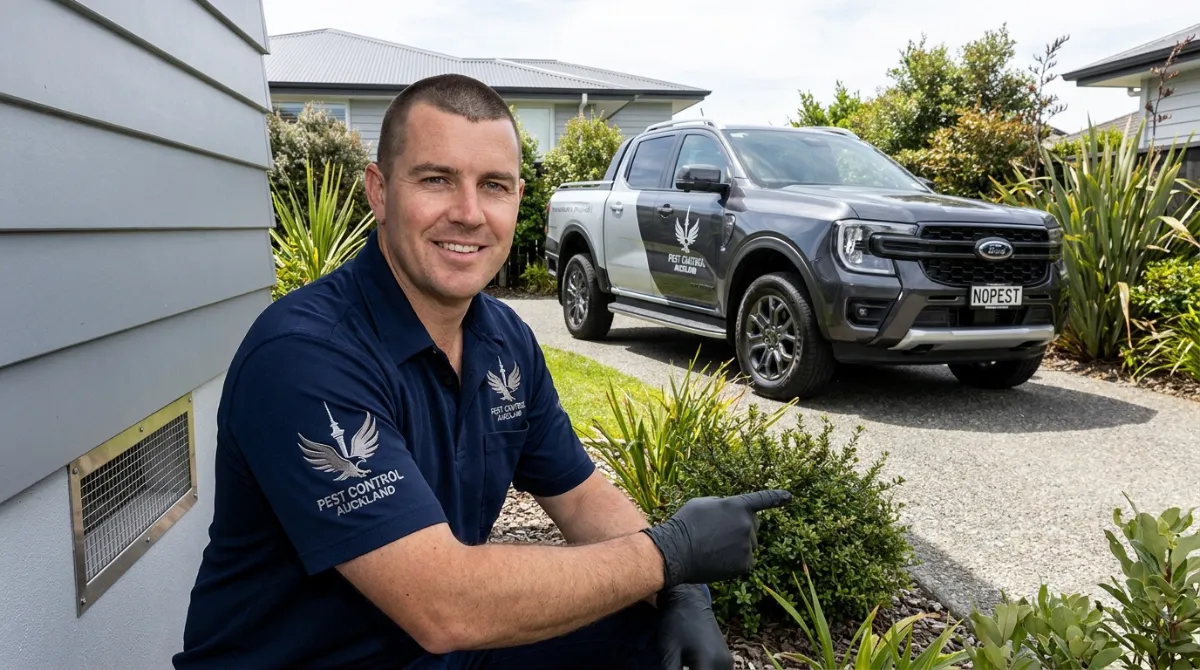
Older villas in places like Ponsonby or Devonport often have deteriorating sub-floor vents. When the original wire mesh rusts away, rodents and stray cats move right in. Sealing entry points around the foundation is the first line of defence for any older property.
Top Exclusion Techniques for Pests
So, how do we lock them out for good? The secret is using the right materials. Rodents have teeth strong enough to chew through lead pipes and cinderblocks, so a quick squirt of cheap expanding foam simply won’t cut it.
When we talk about professional exclusion techniques for pests, we are talking about heavy-duty, permanent modifications. It takes a bit of hard yakka, but the results speak for themselves.
Rodent Proofing with Steel and Sealant
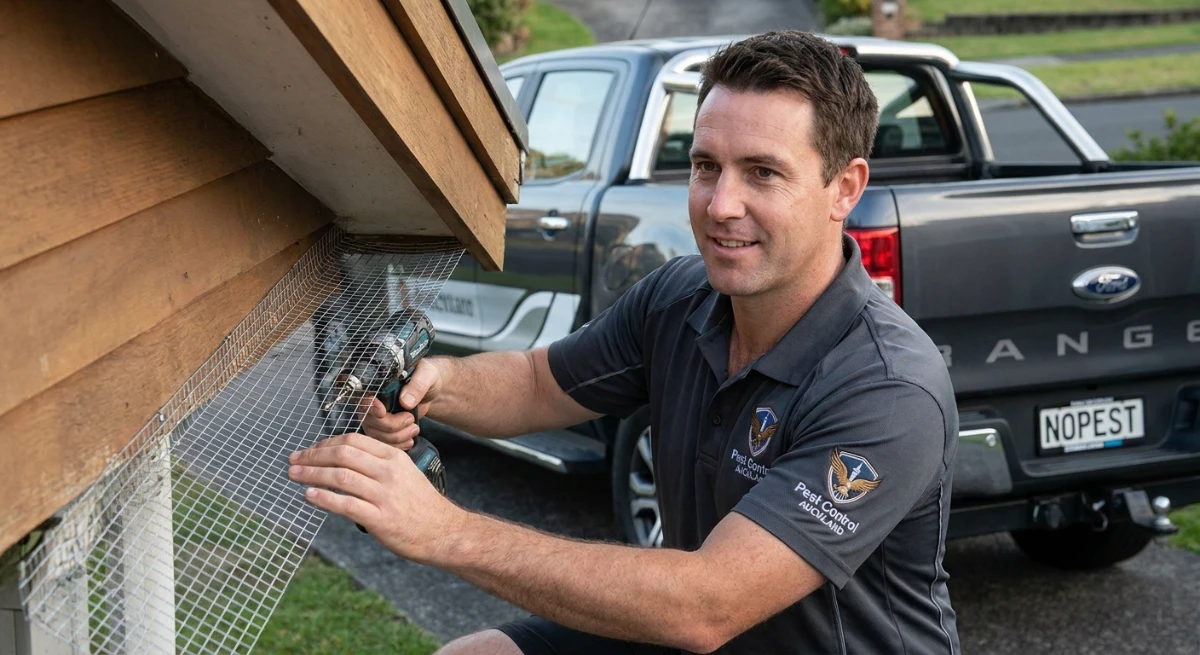
One of the most reliable exclusion techniques for pests is combining galvanized steel mesh with a heavy-duty sealant. The steel mesh stops the physical chewing, while the sealant blocks the drafts and insect pheromone trails.
We custom-cut mesh to fit over air vents, weep holes, and pipe penetrations. This ensures maximum airflow for your home while keeping the unwanted visitors out in the cold.
When sealing gaps around plumbing pipes under the sink, stuff the hole tightly with coarse steel wool before applying silicone over the top. Mice hate chewing through steel wool.
Insect Proofing and Micro-Gap Sealing
For crawling insects like Argentine ants and cockroaches, it’s all about the micro-gaps. Weather stripping around doors, silicone sealant along baseboards, and tight-fitting screens on windows are your best mates here.
Ants leave invisible pheromone trails for their colony to follow. By thoroughly cleaning and then sealing these microscopic entry points, you cut off the highway directly into your kitchen.
Legal Boundaries and Animal Welfare in NZ
Pest control in New Zealand isn’t the Wild West. We have strict rules to follow, and rightly so. In New Zealand, trap use is regulated by the Animal Welfare Act 1999. This legislation dictates exactly how we can and cannot manage invasive species.
If you’re setting live-capture traps, the law mandates they must be physically inspected within 12 hours after sunrise every single day. You can’t just set a trap in your roof and forget about it for a week.
Glue boards for rodents are heavily restricted and completely illegal in most residential contexts. Always rely on humane, approved mechanical traps or professional exclusion.
EPA and Class 9 Ecotoxic Substances
When you hire a pro, you want someone holding a Level 3 New Zealand Certificate in Pest Operations. Under the EPA HPC Notice 2017, only qualified contractors should be handling Class 9 ecotoxic substances.
This is why we focus so heavily on sealing entry points. By physically blocking the pests, we drastically reduce the need to deploy toxic chemicals around your family and pets.
Cost vs. Value: The Economics of Sealing Entry Points
Let’s talk dollars and cents. A lot of folks baulk at the upfront cost of professional pest exclusion. But let me tell you, the ‘DIY Cycle of Despair’ costs a whole lot more in the long run.
Buying cheap hardware store bombs every month adds up fast. Not to mention the cost of replacing chewed electrical wires, ruined insulation, or contaminated food. Doing it right the first time is the smart money move.
| Method | Initial Cost | Long-Term Value | Compliance & Safety |
|---|---|---|---|
| DIY Bait & Sprays | Low ($20 – $50) | Poor (Requires constant repeat purchases) | High risk to pets and children if misused |
| Professional Exclusion & Sealing | Moderate ($155 – $325+) | Excellent (Permanent structural fix) | 100% compliant, zero-emission, pet safe |
The Silver Bullet Guarantee
At Pest Control Auckland, we don’t just treat the symptoms. We find the root cause. If you’re dealing with an infestation, our certified technicians will track down exactly how they’re getting in.
Proper exclusion techniques for pests take time, effort, and a bit of elbow grease. But the result is a safe, quiet home where you can finally get a good night’s sleep. That’s what we call our Silver Bullet Guarantee.
Walk around your property today and check your sub-floor vents. If they are cracked or missing, give us a call to get them professionally replaced and sealed.