To seal pest entry points in Auckland means to proactively identify and block any gaps, cracks, or openings in your home’s structure that pests might use to gain access. This crucial pest-proofing strategy creates a barrier against common invaders, significantly reducing the likelihood of infestations and maintaining a healthier, more secure living environment.
The Critical Importance of Sealing Pest Entry Points in Auckland
Auckland’s unique climate and urban-meets-suburban landscape make it a prime location for various pests seeking shelter, food, and water. From the damp, temperate conditions that favour slugs, snails, and mould-loving insects, to the bustling urban centres attracting rodents and cockroaches, homes across the supercity are constantly at risk. Proactive sealing of entry points is not just a recommendation; it’s a fundamental aspect of effective pest management, preventing issues before they take root.
By preventing pests from entering, you safeguard your property from potential structural damage, contamination of food and surfaces, and health risks associated with allergens and diseases carried by pests. For Auckland residents, this means protecting investments, ensuring hygiene, and maintaining peace of mind against the likes of common invaders such as mice, rats, cockroaches, ants, spiders, and even the occasional unwelcome gecko seeking warmth indoors. Ignoring small cracks or gaps can quickly lead to a full-blown infestation, which is significantly more difficult and costly to resolve.

Identifying Common Pest Entry Points
Pests are masters of exploiting even the smallest vulnerabilities in your home’s exterior. A thorough inspection is the first step in creating an impenetrable barrier. Understanding where to look is key to comprehensive pest-proofing.
Windows and Doors
These are among the most frequently used entry points for pests. Look for:
- Gaps around frames: Over time, houses settle, and wood can shrink or expand, creating tiny gaps between window/door frames and the surrounding wall.
- Worn weatherstripping: Old, cracked, or missing weatherstripping around doors and windows allows air (and pests) to pass through.
- Damaged screens: Tears, holes, or ill-fitting screens on windows and doors provide direct access.
- Pet doors: Unless perfectly sealed when not in use, pet doors are an open invitation for pests.
Foundations and Basements
The base of your home is a common pathway for many ground-dwelling pests:
- Cracks in the foundation: Even hairline cracks can be entry points for insects and small rodents. Larger cracks allow even more significant infestations.
- Gaps around utility penetrations: Pipes, wires, and cables entering the home through the foundation often leave unsealed spaces.
- Vents: Unscreened or damaged foundation vents are direct routes into crawl spaces and basements.
- Basement windows: Similar to ground-level windows, these often suffer from poor sealing or damaged screens.
Roofs and Attics
High-up areas are often overlooked but are prime entry points for rodents, birds, and insects:
- Damaged or loose shingles: Provide access to the roof cavity.
- Gaps in fascia and soffit boards: These areas, especially where they meet, are common weak points.
- Roof vents and chimneys: Unscreened or poorly maintained vents, and gaps around chimney flashing, are significant vulnerabilities.
- Attic fans: If not properly screened, these are open doors.
Utility Lines and Pipes
Every point where a utility line enters your home is a potential breach:
- Gaps around water pipes: Beneath sinks, behind toilets, and where pipes enter walls from outside.
- Electrical conduits and cables: Gaps where these enter the home’s exterior or interior walls.
- HVAC lines: Unsealed areas where air conditioning or heating lines pass through walls.
Garages and Sheds
Often less sealed than the main house, these areas can act as staging grounds for pests:
- Gaps under garage doors: Worn or damaged rubber seals at the bottom of garage doors.
- Cracks in walls or around windows: Similar to the main house, but often less maintained.
- Unsealed entry doors: Gaps around service doors to the garage.
Essential Materials and Tools for Effective Sealing
Choosing the right materials and having the necessary tools is critical for a durable and effective pest-proofing job. The market offers a variety of options, each suited for specific applications.
Caulking and Sealants
These are your primary weapons against small cracks and gaps.
- Silicone Caulk: Excellent for outdoor use due to its flexibility, durability, and water resistance. Ideal for windows, doors, and bathroom fixtures. Not paintable.
- Acrylic Latex Caulk (Painter’s Caulk): Easy to apply and clean up, and most importantly, paintable. Best for indoor use or where aesthetics matter, but less durable for exterior exposure.
- Polyurethane Caulk: Extremely durable, flexible, and adhesive, making it suitable for larger gaps and high-movement areas outdoors. Can be more challenging to work with.
- Expanding Foam Sealant: For larger, irregular gaps in foundations, around pipes, or in attics. It expands to fill voids, providing an effective barrier. Be cautious as it can be messy and over-expand.
Weatherstripping
Designed to seal moving components like doors and windows.
- Self-Adhesive Foam: Easy to install, good for light to medium-traffic areas.
- V-Seal (Tension Seal): Durable plastic or metal strips that spring back into shape, ideal for window sashes and door frames.
- Door Sweeps/Bottom Seals: Attached to the bottom of doors to seal gaps with the threshold. Various materials like rubber, vinyl, or brushes are available.
Hardware Cloth and Mesh
For larger openings that need ventilation but require pest exclusion.
- Hardware Cloth: Galvanized or stainless steel mesh (typically 1/4-inch or 1/8-inch weave) is ideal for sealing vents, crawl space openings, and larger foundation gaps. Rodent-proof and durable.
- Screen Mesh: Finer mesh for windows and doors, typically aluminum or fibreglass.
Repair Materials
For structural damage that creates larger entry points.
- Mortar/Concrete Patch: For repairing cracks in foundations, brickwork, or concrete slabs.
- Wood Putty/Filler: For repairing holes or gaps in wooden frames or siding.
Tools You’ll Need
- Caulk Gun: Essential for applying caulk smoothly and efficiently.
- Utility Knife/Putty Knife: For scraping old caulk, opening sealant tubes, and shaping materials.
- Wire Cutters/Tin Snips: For cutting hardware cloth.
- Gloves: Protect your hands from sealants and rough surfaces.
- Safety Glasses: Essential for protecting eyes, especially when cutting or working overhead.
- Cleaning Supplies: Rags, brushes, denatured alcohol, or soap and water to clean surfaces before sealing for optimal adhesion.
DIY Sealing Tips for Auckland Homeowners
With the right tools and a methodical approach, many pest-proofing tasks can be tackled by a diligent homeowner. Here’s how to get started on your Auckland property.
Pre-Sealing Preparations
- Thorough Inspection: Walk around your home, inside and out, from top to bottom. Use a flashlight to check dark corners, behind appliances, and inside cabinets. Document every crack, gap, or opening you find. A good tip is to do this at night with a light inside, looking for light escaping from the outside – this indicates a gap.
- Clean Surfaces: Before applying any sealant, ensure the surface is clean, dry, and free of dust, grease, or loose debris. Use a stiff brush, scraper, and appropriate cleaning solution. This ensures proper adhesion and longevity of your seal.
- Remove Old Caulk/Weatherstripping: If replacing existing seals, meticulously remove all old material. A utility knife or specific caulk removal tool can make this easier.
Step-by-Step Guide for Common Areas
- Windows and Doors:
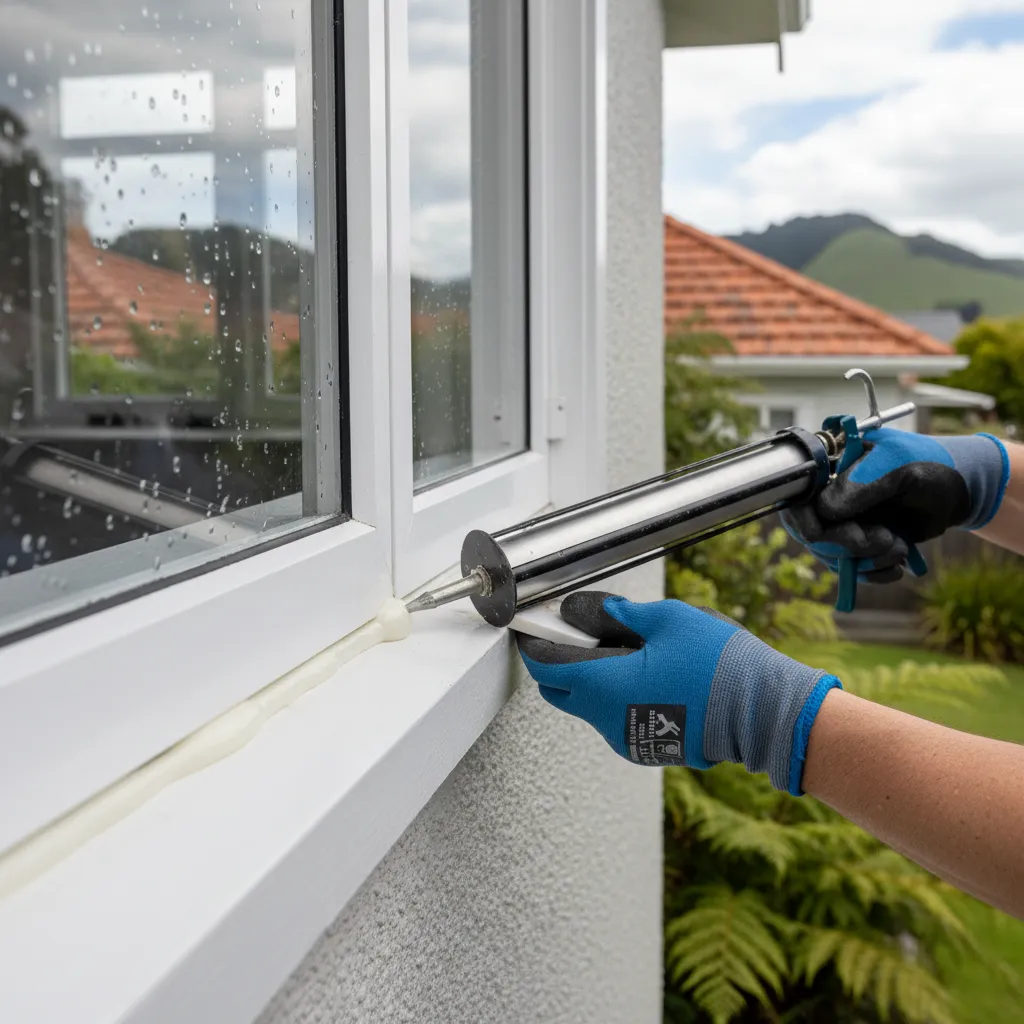
– For gaps around frames, apply a bead of appropriate caulk. Cut the caulk tube nozzle at a 45-degree angle, making a hole slightly smaller than the gap. Apply steady pressure as you move the gun, then smooth the bead with a wet finger or tool.
– Replace worn weatherstripping. Measure and cut new strips to fit, then press firmly into place. For door sweeps, screw them into the bottom of the door, ensuring a snug fit with the threshold without impeding door function. - Foundations and Basements:
– For foundation cracks, clean the crack thoroughly. For hairline cracks, use a concrete sealant. For larger cracks, you might need hydraulic cement or an epoxy injection kit. Follow product instructions carefully.
– Seal around utility penetrations with expanding foam or high-quality silicone caulk. For larger holes, stuff with steel wool first (rodent deterrent), then seal. - Vents:
– For crawl space or attic vents, measure and cut hardware cloth to fit. Secure it over the vent opening using screws or heavy-duty staples. Ensure it’s tight and leaves no gaps around the edges. - Garage Doors:
– Replace the rubber seal along the bottom edge of the garage door. These are typically slide-in or screw-on. Ensure the new seal creates a tight barrier when the door is closed.
Safety Precautions
- Read Product Labels: Always read and follow the manufacturer’s instructions for any sealant, foam, or chemical product you use.
- Ventilation: Work in well-ventilated areas, especially when using expanding foam or strong-smelling sealants.
- Protective Gear: Wear gloves and safety glasses to protect your hands and eyes from chemicals and debris.
- Ladder Safety: When working at heights (e.g., around roofs, high windows), use a stable ladder and follow ladder safety guidelines.
When to Call Professional Pest Control in Auckland
While DIY pest-proofing is effective for many situations, there are times when professional intervention becomes essential. Auckland’s varied housing types, from historic villas to modern apartments, can present unique challenges that are best handled by experts.
Signs of Extensive Infestation
If you’re already experiencing a significant pest problem, sealing alone won’t solve it. Sealing an active infestation can trap pests inside, exacerbating the issue. Professionals can accurately identify the type of pest, locate nests, and apply targeted treatments before sealing. Look for: extensive droppings, gnaw marks, strong odours, visible large numbers of pests, or signs of structural damage from pests.
Difficult-to-Reach or High-Risk Areas
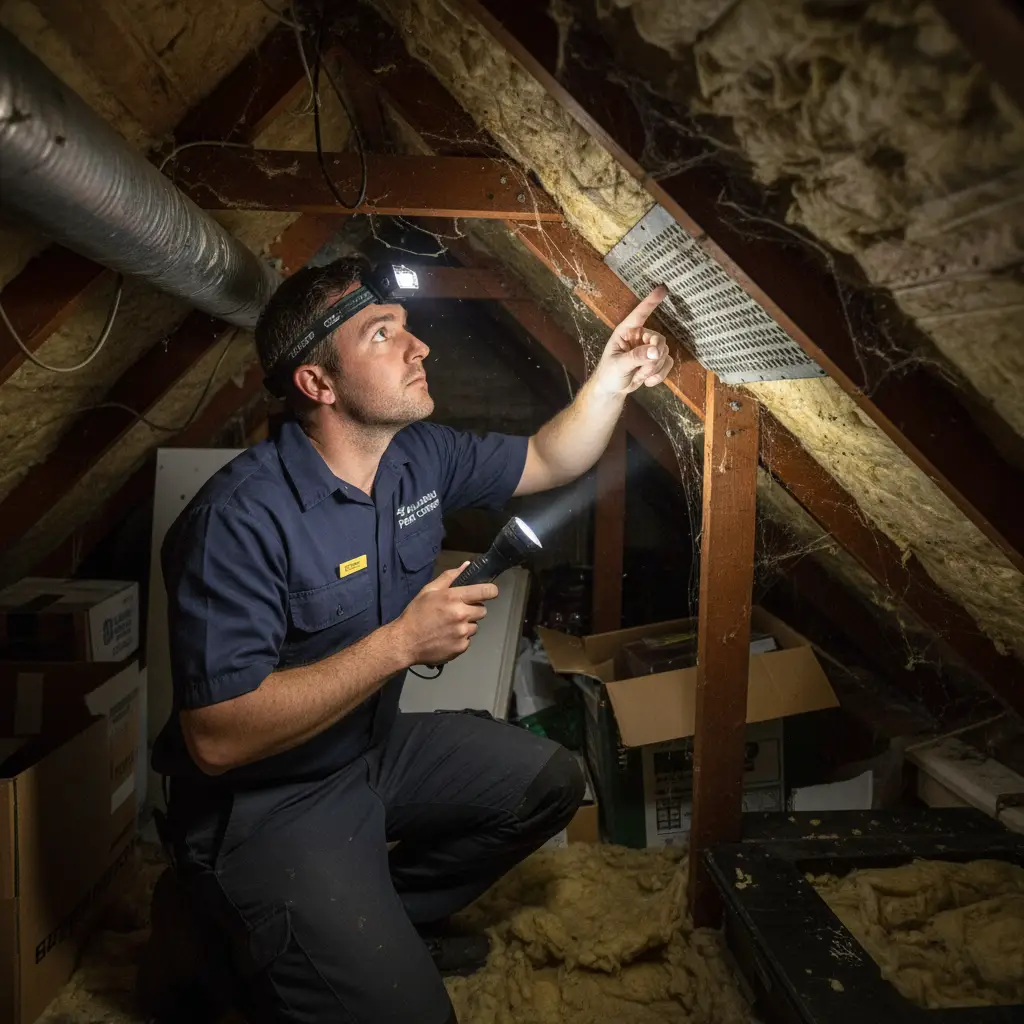
Some parts of your home are simply too challenging or dangerous for DIY work. This includes high-pitched roofs, cramped crawl spaces, or areas requiring specialized equipment. Pest control technicians are trained to safely access and effectively seal these tricky spots.
Specialized Pest Challenges
Certain pests, like termites, borer, or persistent rodent populations, require more than just sealing. Termites, for example, can tunnel through wood and even concrete, making conventional sealing ineffective without prior treatment. A professional pest controller understands the biology and behaviour of specific pests, allowing them to recommend and implement the most effective long-term solutions, often integrating sealing with other control methods. Information on common pests in New Zealand can be found on reputable sites like the Ministry for Primary Industries (MPI) website.
Benefits of Professional Inspection and Sealing
- Expertise: Professionals have an in-depth understanding of pest behaviour and common entry points specific to Auckland’s building types and climate.
- Thoroughness: They conduct comprehensive inspections, identifying subtle vulnerabilities that might be missed by an untrained eye.
- Specialized Tools and Materials: Access to commercial-grade sealants, tools, and techniques for maximum effectiveness and durability.
- Integrated Pest Management (IPM): Professionals offer a holistic approach, combining sealing with other preventative and control measures.
- Long-Term Protection: Professional services often come with guarantees, providing peace of mind and long-term protection against future infestations.
Ultimately, a professional pest control service in Auckland offers not just sealing, but a complete solution to pest-proofing, ensuring your home remains secure and pest-free for years to come. For more detailed information on preventing pests in a residential setting, resources from the U.S. Environmental Protection Agency (EPA) offer valuable insights into integrated pest management principles applicable worldwide.
Maintaining Your Pest-Proofed Home
Sealing your home is an investment, and like any investment, it requires ongoing maintenance to ensure its longevity and effectiveness. A proactive approach to upkeep will ensure your Auckland home remains a fortress against pests.
Regular Inspections
Make it a habit to perform seasonal checks. After harsh weather, or at least twice a year (spring and autumn), walk around your property, both inside and out. Look for:
- Cracks and Deterioration: Check existing caulking and weatherstripping for signs of cracking, peeling, or shrinking.
- New Gaps: Houses settle, and materials expand and contract. New gaps can appear over time, especially after significant temperature changes.
- Damaged Screens: Ensure window and door screens remain intact and securely fitted.
- Unusual Activity: Any signs of pest activity, even minor, should prompt a more thorough inspection of that area.
Seasonal Checks
- Spring: Focus on exterior checks as pests become more active. Inspect foundations, around decks, and garden areas.
- Autumn: Prioritize sealing before pests seek winter shelter indoors. Pay close attention to attics, basements, and areas where utilities enter the home.
Landscaping Considerations
Your garden and yard can significantly impact your home’s vulnerability to pests. Maintain a pest-resistant landscape by:
- Trimming Vegetation: Keep trees, shrubs, and vines trimmed back from your house. Overhanging branches or dense bushes provide bridges and hiding spots for pests to reach your home.
- Clearing Debris: Remove leaf litter, woodpiles, and other organic debris from around your foundation. These create ideal harborage areas for insects and rodents.
- Managing Moisture: Ensure good drainage around your foundation. Fix leaky outdoor faucets and downspouts that discharge too close to the house, as excess moisture attracts many pests.
- Storing Firewood: If you store firewood, keep it elevated off the ground and at least 6 metres (20 feet) away from your home.
Conclusion
Sealing pest entry points is the cornerstone of effective pest management in Auckland. By diligently identifying and sealing vulnerabilities in your home’s structure, you create a robust defence against unwanted invaders. Whether you undertake the task yourself with careful DIY methods or enlist the expertise of a professional pest control service, this proactive approach not only prevents infestations but also contributes to a healthier, safer, and more comfortable living environment. Regular maintenance and a keen eye will ensure your home remains pest-free, protecting your property and peace of mind for years to come.
People Also Ask (PAA)
What is the most common pest entry point in Auckland homes?
The most common pest entry points in Auckland homes are often around windows and doors, especially due to worn weatherstripping or small gaps in the frames. Foundations, particularly small cracks or unsealed utility penetrations, are also frequent access points for ground-dwelling pests.
How often should I inspect my home for pest entry points?
It is recommended to inspect your home for pest entry points at least twice a year, ideally in spring before pests become highly active and in autumn before they seek winter shelter. Additional checks should be performed after severe weather events or if any new pest activity is noticed.
What kind of sealant is best for outdoor pest-proofing?
For outdoor pest-proofing, silicone or polyurethane caulk are generally recommended due to their excellent durability, flexibility, and water-resistant properties. Expanding foam sealants are also effective for larger, irregular gaps around pipes or foundations.
Can sealing entry points completely prevent all pests?
While sealing entry points significantly reduces the risk of pest infestations and is a crucial preventative measure, it may not completely eliminate all pests, especially flying insects like mosquitoes. It should be part of a comprehensive pest management strategy that includes proper sanitation and landscaping maintenance.
When should I hire a professional for pest entry point sealing in Auckland?
You should consider hiring a professional for pest entry point sealing in Auckland if you have an existing significant infestation, if the entry points are in hard-to-reach or dangerous areas, or if you are dealing with specialized pests like termites or rodents that require targeted treatment in conjunction with sealing.
Is steel wool effective for blocking pest entry points?
Yes, steel wool can be very effective for temporarily blocking larger entry points, especially against rodents like mice and rats, because they cannot chew through it. It’s often used as a filler before applying a more permanent sealant like caulk or expanding foam. However, it can rust over time if exposed to moisture, so it’s best used in conjunction with a weatherproof sealant.