Restaurant pest control in Auckland is an essential service dedicated to safeguarding food establishments from the myriad threats posed by pests. It encompasses a range of strategies and treatments designed to prevent infestations, eliminate existing pest problems, and ensure compliance with stringent hygiene standards, ultimately protecting public health and business reputation.
The Urgent Need for Restaurant Pest Control in Auckland
Auckland’s vibrant culinary scene, from bustling downtown eateries to suburban cafes, faces a constant battle against unwelcome guests: pests. For any food service establishment, maintaining impeccable hygiene is not merely a preference; it’s a legal requirement and a cornerstone of customer trust. The presence of pests like rodents, cockroaches, flies, and ants can decimate a restaurant’s reputation, lead to costly health code violations, and, most critically, pose severe health risks through food contamination. In a competitive market like Auckland, even a single pest sighting can have far-reaching negative consequences, impacting online reviews, customer loyalty, and ultimately, profitability.
Understanding the unique vulnerabilities of a restaurant or cafe environment is the first step towards effective pest management. Food preparation areas, storage rooms, waste disposal zones, and dining spaces all present attractive opportunities for pests seeking food, water, and shelter. Furthermore, Auckland’s temperate climate provides year-round conditions conducive to pest breeding and activity, making continuous vigilance and professional intervention indispensable for any serious food business owner.
The Silent Threat: How Pests Damage Your Business
Pests are not just an unsightly nuisance; they are carriers of disease, destroyers of property, and saboteurs of reputation. A cockroach scurrying across a dining room floor, a mouse dropping found near food packaging, or flies buzzing around the kitchen can instantly erode customer confidence and trigger immediate health inspector attention. Beyond the visible impact, pests can contaminate food preparation surfaces and ingredients, spread bacteria and viruses such as Salmonella and E. coli, and cause structural damage by gnawing through wires, pipes, and packaging. The financial implications extend from potential fines and forced closures to loss of stock, increased cleaning costs, and a significant drop in revenue due as negative publicity spreads.
Common Pests Targeting Auckland Food Establishments
Auckland’s food service industry is particularly susceptible to several common pest species, each requiring specific control strategies:
- Rodents (Rats & Mice): Highly adaptable and prolific breeders, rodents contaminate food with urine and faeces, gnaw through structures, and carry diseases. Their presence is a serious health hazard.
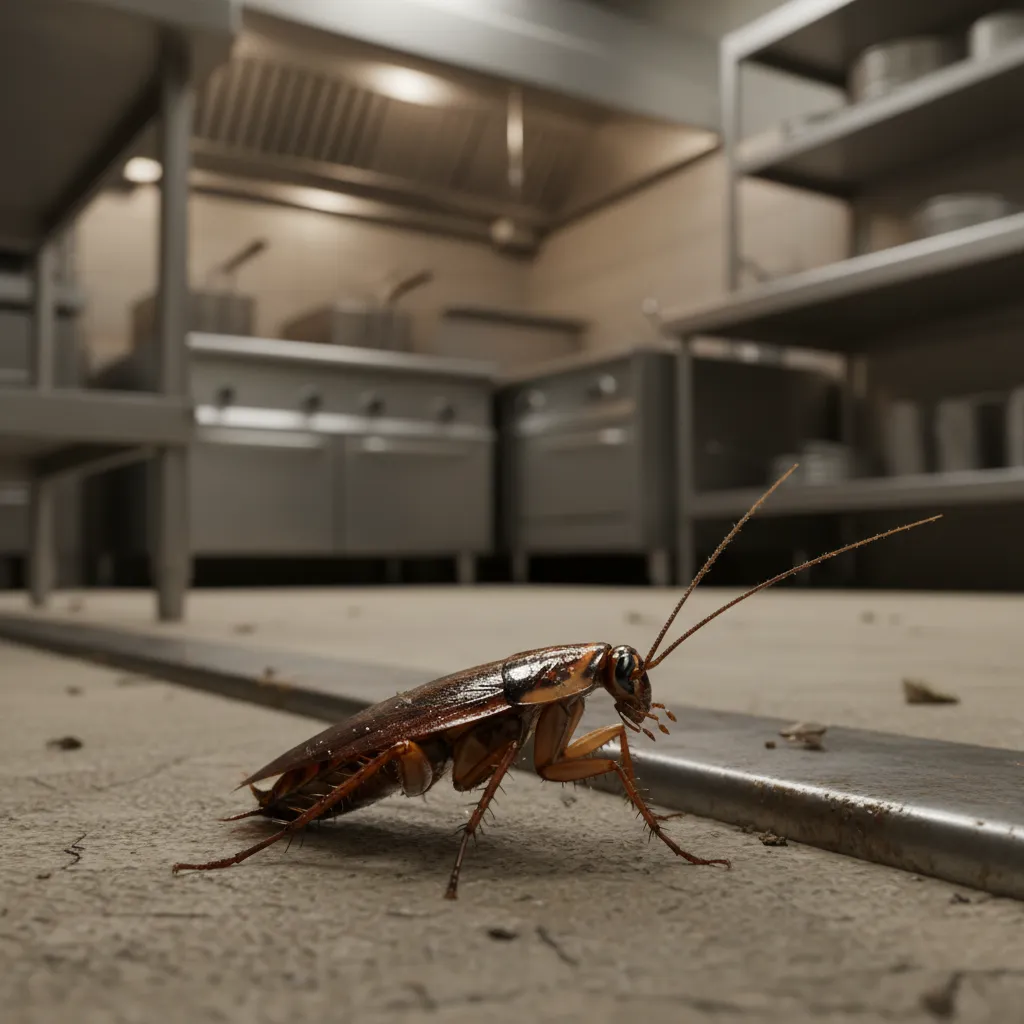
- Cockroaches: Masters of survival, cockroaches thrive in warm, moist environments like commercial kitchens. They carry pathogens, trigger allergies, and emit unpleasant odours.
- Flies: Attracted to food waste and odours, flies are rapid breeders and significant carriers of bacteria, transferring pathogens from unsanitary surfaces to food.
- Ants: While often seen as less dangerous, ant infestations can be widespread and contaminate food items, making them a persistent nuisance in kitchens and storage areas.
- Stored Product Pests: Beetles and moths can infest dry goods like flour, grains, and spices, leading to product loss and damage to reputation.
Pest Risks in Food Service: Beyond the Obvious
While the immediate threats of visible pests are clear, the deeper ramifications for food service businesses in Auckland extend into various critical areas. Addressing these risks proactively is paramount for long-term success and sustainability.
Health Risks and Food Contamination
The primary concern with pests in a food environment is their role in disease transmission. Pests like rodents and cockroaches are notorious for carrying a multitude of bacteria, viruses, and parasites that can cause severe foodborne illnesses in humans. For instance, rats and mice are linked to Salmonellosis, Leptospirosis, and Hantavirus, while cockroaches can spread E. coli and Staphylococcus. Flies, moving between decaying matter and food surfaces, act as vectors for various pathogens. Contamination can occur directly through contact with pest droppings, urine, or body parts, or indirectly when pathogens are tracked across food preparation areas. This not only endangers customers but also staff, leading to sick days and potential legal liabilities for the business.
Reputational Damage and Financial Fallout
In the age of online reviews and social media, a single pest sighting can trigger a cascade of negative publicity that is incredibly difficult to reverse. A poor health inspection report due to pest activity, or worse, a customer’s public complaint, can instantly erode years of brand building. The financial consequences are multi-faceted: loss of customers, decreased sales, fines from regulatory bodies, potential lawsuits, wasted contaminated inventory, and increased costs for emergency pest eradication and intensive cleaning. In severe cases, a business might even face temporary or permanent closure, illustrating the critical importance of a robust pest management strategy. The long-term impact on goodwill and public perception can be devastating, far outweighing the cost of preventative pest control services.
Integrated Pest Management (IPM) for Hospitality in Auckland
Integrated Pest Management (IPM) is not just a reactive measure; it’s a holistic, proactive, and sustainable approach to pest control that prioritizes prevention and long-term solutions over quick fixes. For Auckland’s hospitality sector, IPM is the gold standard, combining biological, cultural, physical, and chemical tools in a way that minimises economic, health, and environmental risks. It’s about understanding the pest, its environment, and applying targeted strategies to achieve effective and lasting control.
Inspection and Assessment: The First Step
Every effective IPM program begins with a thorough inspection. A professional pest control technician will meticulously examine the entire premises, including kitchens, dining areas, storage facilities, waste zones, and exterior perimeters. This initial assessment aims to identify existing pest activity, potential entry points, harborage areas, and conducive conditions. Understanding the specific pest species present and the extent of their infestation is crucial for developing a tailored and effective treatment plan. This step often involves using monitoring devices and detailed mapping of pest hotspots.
Sanitation and Exclusion: The Foundation of Prevention
Sanitation and exclusion are the cornerstones of IPM. Without these, even the most aggressive chemical treatments will offer only temporary relief. Sanitation involves implementing rigorous cleaning protocols to eliminate food debris, spills, and standing water – primary attractants for pests. This includes regular deep cleaning of kitchens, proper waste management with sealed bins, and clear-ups of food spills immediately. Exclusion focuses on physically preventing pests from entering the building. This can involve sealing cracks and crevices in walls, floors, and foundations, installing door sweeps and screens on windows, repairing damaged pipes to eliminate water sources, and ensuring all external doors are kept shut when not in use. These physical barriers are often the most effective long-term pest prevention measures.
Targeted Treatments and Monitoring
When pests are identified, IPM advocates for targeted treatments that are specific to the pest species and its lifecycle. This means using the least toxic yet most effective methods available. This could involve bait stations for rodents, insect growth regulators for cockroaches, or traps. Chemical applications, if necessary, are applied judiciously and precisely to minimise exposure to non-target organisms and humans. Crucially, IPM includes ongoing monitoring to assess the effectiveness of treatments, identify new pest activity early, and make necessary adjustments to the program. Regular follow-up visits and detailed record-keeping are vital components of this phase.
Staff Training: Your First Line of Defence
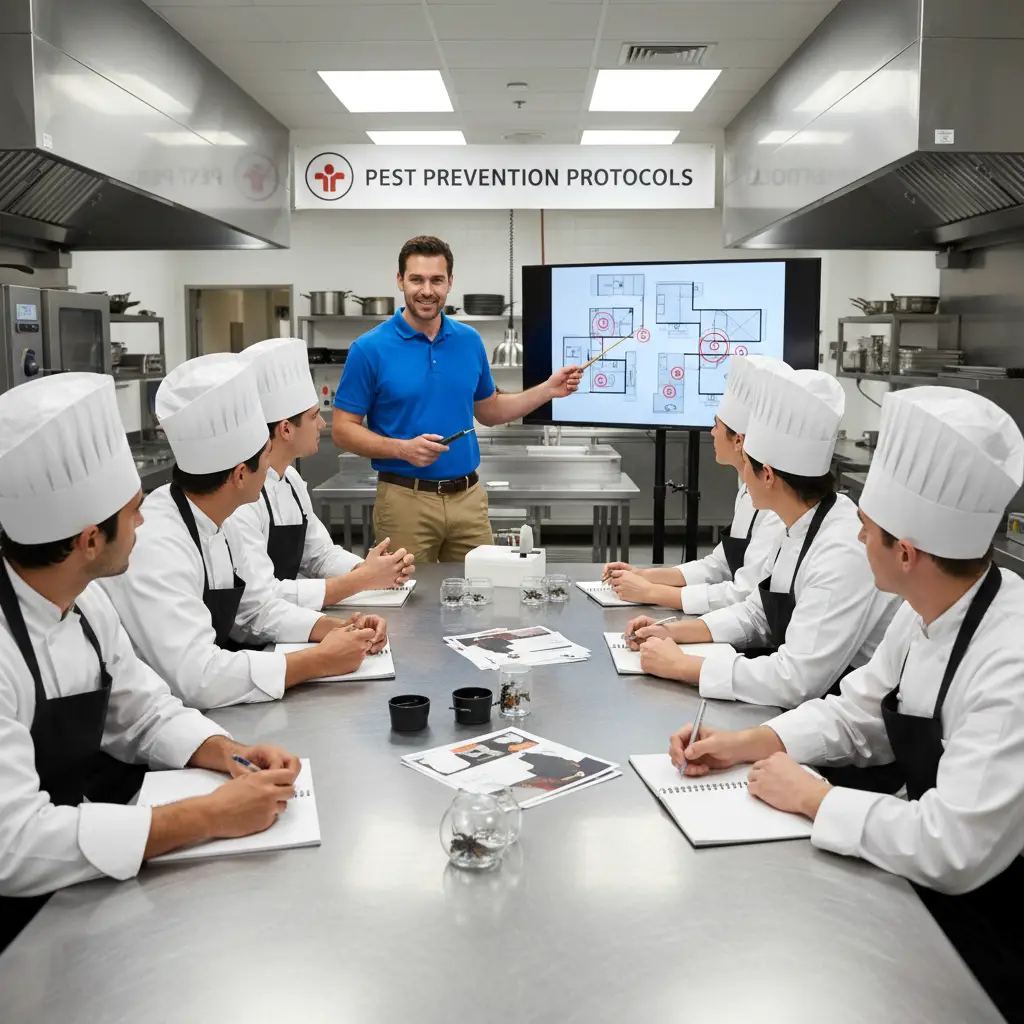
Your staff are your eyes and ears on the ground, and their involvement is critical to the success of any IPM program. Training staff on basic pest identification, the importance of prompt reporting of pest sightings, proper sanitation practices, and exclusion techniques (e.g., keeping doors closed, not leaving food out) empowers them to be active participants in pest prevention. A well-informed team can significantly reduce the likelihood of infestations and help maintain a pest-free environment between professional service visits. This collaborative approach fosters a culture of hygiene and vigilance.
Choosing the Right Auckland Pest Control Partner
Selecting a reputable and experienced pest control provider in Auckland is perhaps the most critical decision for your restaurant. Look for companies that:
- Specialize in commercial and food service pest management.
- Have a proven track record and local references.
- Employ licensed, certified, and well-trained technicians.
- Offer comprehensive IPM programs, not just one-off treatments.
- Are familiar with Auckland Council’s health and safety regulations.
- Provide detailed reports and documentation of services.
- Are responsive and offer emergency services if needed.
A true partner will not just treat pests but will work with you to understand your specific challenges and implement a sustainable prevention plan. For additional insights on maintaining hygiene standards, resources like the New Zealand Ministry for Primary Industries (MPI) offer valuable guidelines for food businesses.
Navigating Health Inspection Compliance in Auckland
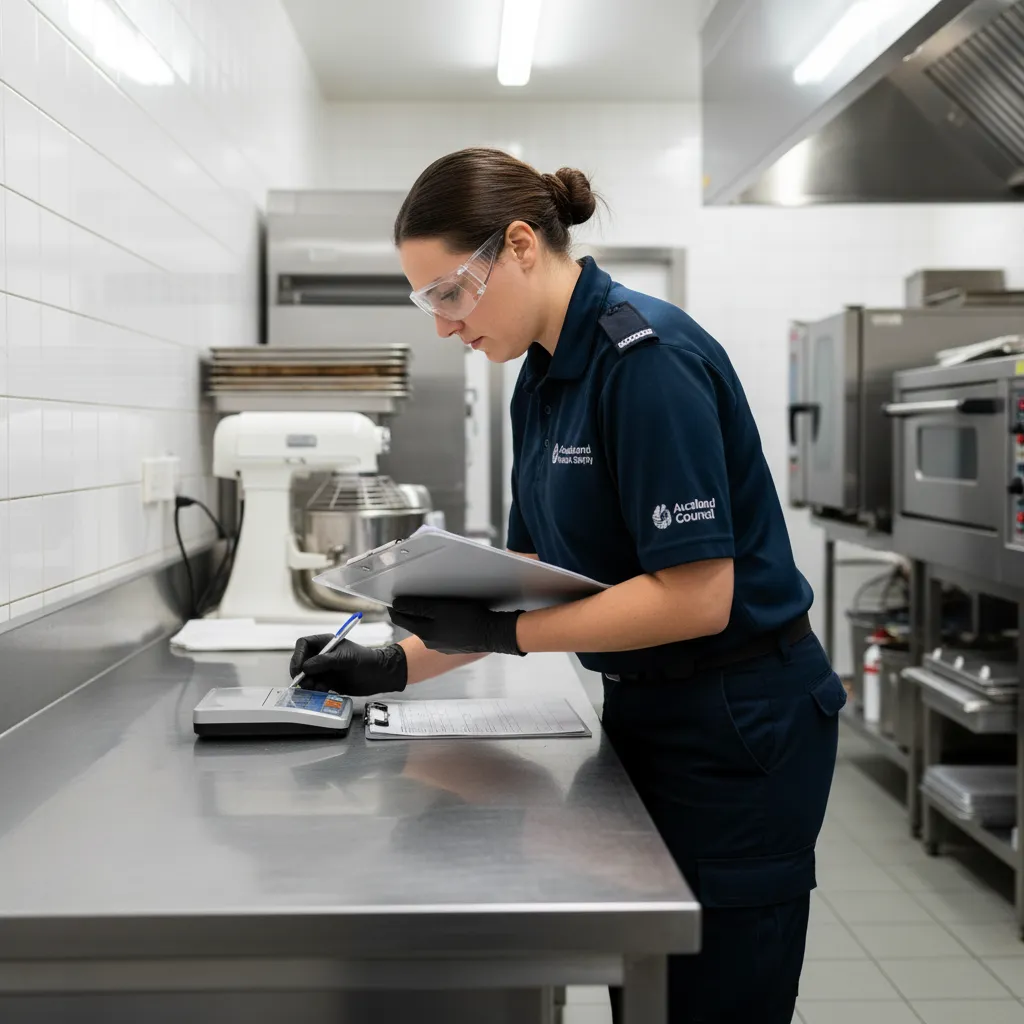
For every restaurant and cafe in Auckland, passing health inspections is non-negotiable. These inspections, conducted by Auckland Council, assess adherence to strict food safety standards, with pest control being a critical component. A robust pest management strategy is not just about keeping pests out; it’s about demonstrating due diligence and a commitment to public health, which directly impacts your business’s rating and operational longevity.
Understanding Auckland’s Food Safety Regulations
Auckland Council’s environmental health officers follow national food safety legislation, including the Food Act 2014 and associated regulations. These mandates require food businesses to implement effective measures to prevent pests from contaminating food or food premises. This includes maintaining clean premises, storing food appropriately, and having a documented pest control program in place. Businesses are typically graded, and a poor score due to pest issues can lead to public disclosure, immediate rectification orders, fines, or even closure. Familiarity with these specific local requirements is vital for ongoing compliance and helps prevent unwelcome surprises during an inspection.
Documentation and Reporting: Proving Your Due Diligence
During a health inspection, merely stating you have a pest control program is insufficient. You must be able to demonstrate it through comprehensive documentation. A professional pest control provider will supply detailed service reports that include:
- Date and time of service.
- Areas inspected and treated.
- Pest activity observed and identified.
- Methods and products used.
- Recommendations for improving sanitation or exclusion.
- Technician’s notes and observations.
These records serve as tangible proof of your ongoing commitment to pest management and are invaluable during an audit. Maintaining a clear, organised log of all pest control activities, including any staff training, shows a proactive and responsible approach to food safety. This level of transparency assures inspectors that your establishment prioritises hygiene and consumer protection.
Proactive Measures for Inspection Readiness
To ensure your restaurant is always ready for an unexpected health inspection, integrate pest control into your daily and weekly operational routines. Beyond regular professional pest services, this involves:
- Daily Checks: Inspecting high-risk areas for signs of pest activity (droppings, gnaw marks, odours).
- Consistent Cleaning: Adhering to a strict cleaning schedule for all kitchen and dining areas.
- Waste Management: Ensuring rubbish bins are emptied frequently, cleaned, and kept sealed, especially overnight.
- Stock Rotation: Implementing a ‘first-in, first-out’ (FIFO) system to prevent old stock from attracting pests.
- Maintenance: Promptly repairing any structural damage, leaky pipes, or faulty screens.
By embedding these practices, you create an environment that is consistently inhospitable to pests, significantly reducing the risk of an infestation and ensuring you can confidently face any health inspection. For further detailed information on New Zealand’s food safety standards, the New Zealand Food Safety website is an excellent resource.
Securing Your Restaurant’s Future with Expert Pest Control
In Auckland’s competitive hospitality landscape, the success and longevity of your restaurant or cafe hinge significantly on maintaining impeccable hygiene and a stellar reputation. Pest infestations pose an existential threat to both, making expert restaurant pest control not just a service, but a strategic investment. By adopting a comprehensive Integrated Pest Management (IPM) approach, tailored specifically for the unique challenges of the food service industry, you can proactively safeguard your business against the health risks, reputational damage, and financial losses associated with pests.
Partnering with a professional and experienced Auckland pest control provider ensures that your establishment remains compliant with stringent health regulations, passes inspections with flying colours, and, most importantly, provides a safe, clean, and enjoyable dining experience for your valued customers. Don’t wait for a pest problem to escalate; proactive prevention and ongoing vigilance are the keys to a thriving, pest-free future for your Auckland food business.
People Also Ask About Restaurant and Cafe Pest Control in Auckland
What are the most common pests in Auckland restaurants?
In Auckland, the most common pests found in restaurants and cafes include rodents (rats and mice), cockroaches (especially German cockroaches), flies, and ants. Stored product pests like beetles and moths can also be an issue in pantries and dry storage areas.
How often should a restaurant in Auckland have pest control?
The frequency of pest control services for an Auckland restaurant depends on several factors, including its location, size, past pest history, and the type of food prepared. Generally, monthly inspections and treatments are recommended for most food service establishments to maintain ongoing protection and compliance, with more frequent visits in high-risk areas or during peak pest seasons.
What are the legal requirements for pest control in Auckland food businesses?
Auckland food businesses must comply with the New Zealand Food Act 2014 and local Auckland Council bylaws. These require premises to be free from pests, implement effective pest prevention measures, and maintain appropriate documentation of pest control activities. Failure to comply can result in fines, forced closures, and a negative impact on your food safety grade.
Can I handle restaurant pest control myself?
While minor issues can sometimes be managed with basic hygiene, professional restaurant pest control in Auckland is highly recommended. Commercial-grade infestations require expert knowledge of pest biology, access to specialised treatments, and an understanding of food safety regulations. DIY methods are often ineffective in the long term and can violate health codes if not performed correctly.
What is Integrated Pest Management (IPM) and why is it important for cafes?
Integrated Pest Management (IPM) is a comprehensive, environmentally sensitive approach to pest control. For cafes, it’s crucial because it focuses on long-term prevention through a combination of sanitation, exclusion (sealing entry points), targeted treatments, and ongoing monitoring. IPM minimises reliance on chemicals, making it safer for food environments and more sustainable in the long run.
How can I prevent pests from entering my Auckland cafe?
Preventing pests in your Auckland cafe involves several key strategies: maintaining rigorous cleanliness, sealing all cracks and crevices in walls and floors, installing door sweeps and screens on windows, ensuring all doors remain closed when not in use, storing food in airtight containers, regularly emptying and cleaning waste bins, and implementing a robust waste management system.