Spider control in Auckland is an essential aspect of home maintenance, addressing both the nuisance of common house spiders and the rare but concerning presence of potentially harmful species. Effective strategies involve a multi-faceted approach, combining proactive prevention methods, targeted DIY solutions, and professional pest management services to ensure a safe and comfortable living environment free from unwanted arachnid visitors.
Common Spiders in Auckland Houses: Identification and Concerns
Auckland’s temperate climate and lush environment make it a natural habitat for a wide array of spider species, many of which can find their way into our homes. While most are harmless and play a vital role in local ecosystems by controlling insect populations, their presence can be unsettling for residents. Understanding the types of spiders you might encounter and their characteristics is the first step towards effective control and prevention.
Harmless but Annoying: Common House Spiders
Many spiders found indoors are generally not a threat to humans, though their webs can be unsightly and their presence unwelcome. These often include:
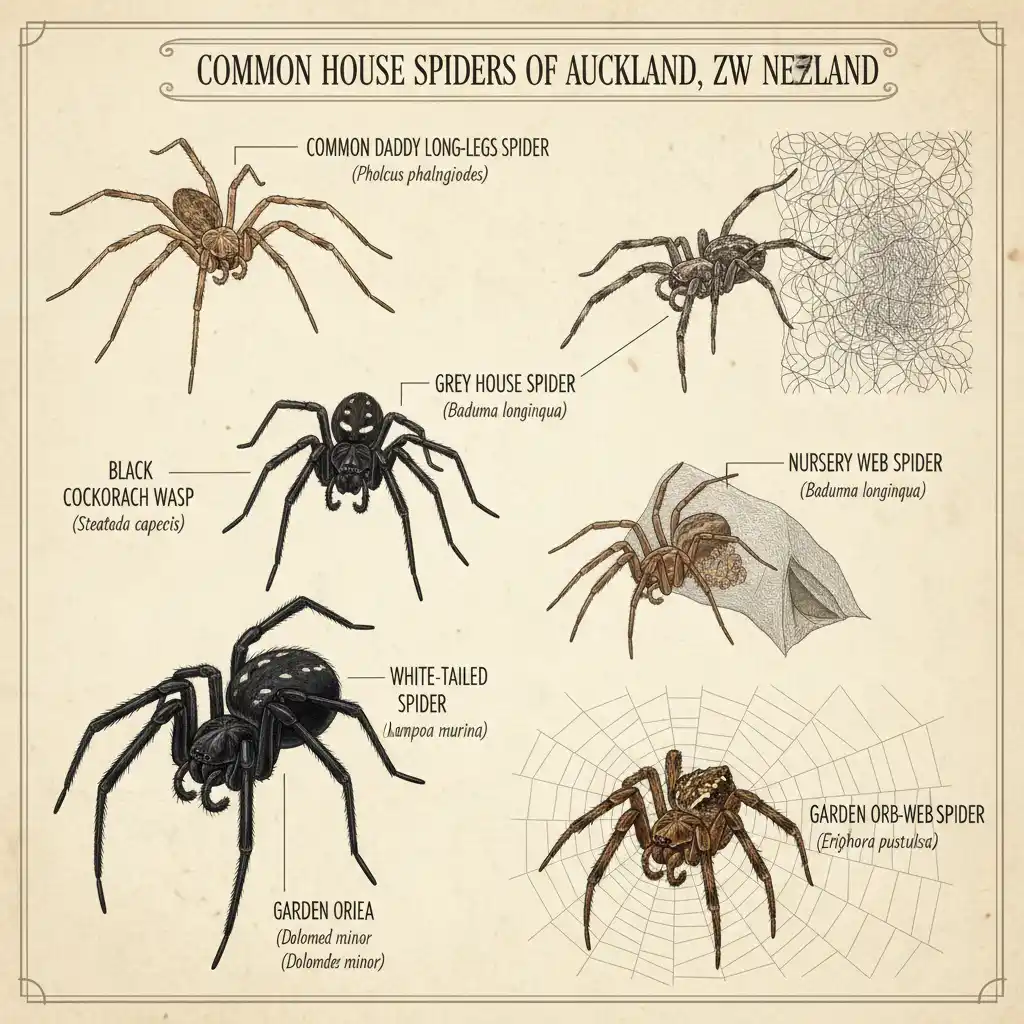
- Daddy Long-Legs (Pholcus phalangioides): Characterized by their extremely long, thin legs and small bodies, these spiders are common in corners and sheltered spots. They are predators of other spiders and insects and are completely harmless to humans.
- House Spiders (Badumna insignis or related species): These are often responsible for the messy, tangled webs found in corners, under eaves, and around windows. They are typically dark-coloured and robust. While they can deliver a minor bite, it’s rarely more significant than a mosquito bite.
- Orb Weavers: Often found outdoors, their large, intricate circular webs can sometimes be built close to houses, making them noticeable. They are beneficial for catching flying insects and are non-aggressive.
Spiders of Concern: White-tailed Spiders and Others
While truly dangerous spiders are rare in Auckland, some species can deliver more painful bites or cause localized reactions. The most commonly cited ‘spider of concern’ in New Zealand is the White-tailed spider.
- White-tailed Spider (Lampona cylindrata): These spiders are identifiable by their cylindrical, dark grey bodies and a distinct white spot or stripe on the tip of their abdomen. They are active hunters, preferring to roam rather than build webs, often found indoors, especially in laundry areas, bathrooms, or bedrooms, seeking shelter and prey. Bites are often described as initially painful, followed by localized redness, swelling, and itching. In rare cases, some individuals may experience more severe reactions or secondary infections, though the extent of tissue necrosis attributed to their bites has been largely debunked by scientific research. For more detailed information, reputable sources like Te Papa’s guide on White-tailed spiders in New Zealand can provide clarity.
- Katipō (Latrodectus katipo): New Zealand’s only native venomous spider, the Katipō is rare and protected. It’s identifiable by a distinctive red stripe on its glossy black abdomen. It prefers coastal sand dunes and is highly unlikely to be found in Auckland homes. Bites are serious but extremely rare.
- Redback Spider (Latrodectus hasselti): An introduced species related to the Katipō, the Redback is occasionally found in Auckland, usually in sheltered outdoor areas like sheds or under outdoor furniture. Like the Katipō, it has a red stripe on its back. Its bite can be medically significant but is also uncommon indoors.
Identifying a Spider Infestation
Recognising signs of spider activity can help determine the extent of a problem:
- Visible Webs: An increase in cobwebs, particularly in undisturbed areas, corners, and around windows/doors, indicates active spiders.
- Sightings: Regularly seeing live spiders crawling on walls, floors, or ceilings, especially at night.
- Egg Sacs: Small, silken sacs, often round or pear-shaped, can indicate breeding activity. These are typically attached to webs or hidden in sheltered spots.
- Prey Remains: Accumulations of dead insects wrapped in silk can indicate a spider’s feeding area.
Effective Spider Treatment Options for Auckland Homes
Once you’ve identified spider activity, choosing the right treatment approach is crucial. Options range from simple DIY methods for minor issues to professional pest control for more significant infestations or recurring problems. The goal is to safely reduce spider populations without harming your family, pets, or the environment.
DIY Approaches: Initial Steps for Homeowners
For small-scale spider issues, homeowners can implement several effective DIY strategies:
- Thorough Cleaning: Regular and thorough cleaning is your first line of defence. Vacuuming spider webs, egg sacs, and spiders themselves can significantly reduce their numbers. Pay close attention to corners, under furniture, behind curtains, and in seldom-used areas like basements or attics.
- Decluttering: Spiders love clutter as it provides ample hiding spots. Reduce clutter in and around your home, both indoors and outdoors.
- Sealing Entry Points: Inspect your home for cracks, gaps, and openings around windows, doors, pipes, and foundations. Seal these with caulk, weatherstripping, or fine mesh screens to block entry points.
- Natural Repellents: Some natural substances are believed to deter spiders. Peppermint oil, eucalyptus oil, and citrus peels can be placed in cotton balls in problem areas. Diatomaceous earth (food-grade) can also be lightly sprinkled in cracks and crevices, acting as a natural desiccant to dehydrate spiders and insects.
- Outdoor Lighting Adjustment: Spiders are attracted to areas with high insect populations. Many insects are drawn to bright outdoor lights. Use yellow or sodium vapour bulbs, which are less attractive to insects, or turn off unnecessary outdoor lights at night.
When to Call the Experts: Professional Spider Control in Auckland
While DIY methods can be effective for minor issues, a professional pest control service is often the best solution for persistent problems, large infestations, or if you’re dealing with potentially concerning spider species. Here’s when to consider professional help:
- Persistent Problem: If despite your best efforts, spiders continue to be a nuisance, a professional treatment can provide a more lasting solution.
- Large Infestation: A visible increase in spider numbers, especially multiple egg sacs, indicates a significant infestation that requires expert intervention.
- Identification Concerns: If you are unsure about the type of spider or suspect you have White-tailed spiders or other potentially problematic species, professionals can accurately identify and treat them.
- Peace of Mind: For many, the peace of mind that comes from knowing their home has been thoroughly inspected and treated by qualified experts is invaluable.
Safe and Eco-Friendly Treatment Methods
Reputable pest control companies in Auckland prioritize safety and efficacy. Modern spider control often involves a combination of methods:
- Perimeter Sprays: Professional-grade insecticides are applied to the exterior perimeter of your home, creating a barrier that deters spiders from entering. These products are formulated for long-lasting residual effects.
- Interior Spot Treatments: Targeted applications may be made to specific indoor harborage areas, cracks, and crevices where spiders hide, using products with low toxicity to humans and pets once dry.
- Web Removal: Technicians will often remove existing webs and egg sacs, which is crucial for immediate relief and preventing future generations.
- Integrated Pest Management (IPM): Many companies employ an IPM approach, which combines chemical treatments with advice on environmental modifications and preventative measures, aiming for sustainable control and reduced reliance on chemicals. For those concerned about environmental impact, inquire about eco-friendly and low-toxicity options. Organizations like the World Health Organization (WHO) advocate for IPM strategies as a sustainable approach to pest management.

Comprehensive Spider Prevention Strategies for Auckland Residences
Effective spider control isn’t just about reacting to an infestation; it’s about implementing ongoing prevention strategies. By making your Auckland home less appealing and accessible to spiders, you can significantly reduce their presence over the long term. A proactive approach is always the most sustainable and cost-effective method.
Exterior Home Maintenance and Landscaping
The exterior of your home and surrounding landscaping play a critical role in spider prevention:
- Seal and Repair: Regularly inspect your home’s exterior for any cracks in the foundation, gaps around utility penetrations (pipes, wires), loose siding, or damaged screens. Seal all openings with appropriate materials like caulk, weatherstripping, or expanding foam. Ensure doors and windows close tightly.
- Trim Vegetation: Keep trees, shrubs, and other vegetation trimmed back from the sides of your house. Branches and leaves touching the house provide bridges for spiders (and other pests) to access your home. Aim for at least 1-2 feet of clearance.
- Clear Debris: Remove piles of wood, rocks, compost, garden bags, and other debris from around your home’s foundation. These provide excellent hiding spots for spiders and their insect prey.
- Manage Outdoor Lighting: As mentioned, bright outdoor lights attract insects, which in turn attract spiders. Use yellow ‘bug lights’ or motion-sensor lights that only activate when needed. Position lights away from entry points.
- Gutter Maintenance: Keep gutters clean and free of leaves and debris. Clogged gutters can create moist, sheltered environments attractive to spiders and insects.
Interior Decluttering and Cleaning Routines
What happens inside your home is just as important as what happens outside:
- Regular Vacuuming and Dusting: Make routine vacuuming of floors, carpets, and upholstery a habit. Use attachments to reach corners, ceiling lines, under furniture, and behind appliances where spiders love to hide and build webs. Regularly dust all surfaces.
- Reduce Clutter: Spiders seek shelter in undisturbed areas. Minimize clutter in storage rooms, basements, attics, and garages. Store items in sealed plastic containers rather than cardboard boxes, which spiders can easily enter.
- Check Seldom-Used Areas: Periodically check and clean areas that aren’t frequently disturbed, such as under beds, behind large pieces of furniture, in closets, and in laundry rooms.
- Seal Food Containers: While spiders don’t eat human food, they are attracted to the insects that do. Storing food in airtight containers helps reduce insect populations, thereby reducing a spider’s food source.
Natural Deterrents and Barriers
Beyond physical exclusion and cleaning, certain natural elements can act as deterrents:
- Cedar Blocks/Chips: Spiders are believed to dislike the scent of cedar. Placing cedar blocks or chips in closets, attics, or storage areas may help deter them.
- Eucalyptus and Peppermint Oil: As mentioned, these essential oils, when diluted and sprayed or dabbed on cotton balls, can be placed near entry points or known spider hotspots. Refresh regularly.
- Sticky Traps: Non-toxic sticky traps can be placed along baseboards, in corners, or near doorways to catch spiders and other crawling insects. These are particularly useful for monitoring spider activity and catching wanderers.

By diligently applying these comprehensive prevention strategies, Auckland homeowners can create an environment that is far less hospitable to spiders. Combining these ongoing efforts with targeted treatments when necessary, whether DIY or professional, ensures a long-term solution for keeping your home spider-free and comfortable.
People Also Ask
What is the best way to get rid of spiders in Auckland?
The best way to get rid of spiders in Auckland typically involves a multi-pronged approach: thorough cleaning and decluttering to remove webs and hiding spots, sealing entry points like cracks and gaps, and using natural deterrents. For persistent or severe infestations, professional pest control services offer targeted treatments and long-term prevention strategies, including perimeter sprays and integrated pest management.
Are White-tailed spiders common in Auckland homes?
Yes, White-tailed spiders are relatively common in Auckland homes, particularly during warmer months when they are more active and seek shelter indoors. They are active hunters, often found in bedrooms, bathrooms, and laundry areas. While their bites can be painful, serious long-term health issues are rare and largely disproven, though localized reactions may occur.
How can I prevent spiders from entering my house?
To prevent spiders from entering your house, focus on sealing all cracks and gaps around windows, doors, and foundations with caulk or weatherstripping. Ensure screens are intact. Trim back vegetation (trees, shrubs) from the house, remove outdoor clutter (woodpiles, rocks), and use appropriate outdoor lighting (yellow bug lights) to reduce insect attraction.
Are there any dangerous spiders in Auckland?
While most spiders in Auckland are harmless, the White-tailed spider is the most commonly encountered spider of concern, capable of delivering a painful bite. New Zealand’s native Katipō spider is venomous but extremely rare and protected, found primarily in coastal dunes. The introduced Redback spider is also venomous but uncommon in homes, typically found in sheltered outdoor areas.
How often should I get professional spider control in Auckland?
The frequency of professional spider control in Auckland depends on your home’s susceptibility, the severity of past infestations, and your comfort level. For general prevention, an annual or bi-annual treatment is often recommended. If you live in an area prone to spiders or have recurring issues, more frequent treatments (e.g., quarterly) might be beneficial.
What are some natural ways to deter spiders?
Natural ways to deter spiders include using essential oils like peppermint or eucalyptus oil, diluted and sprayed or placed on cotton balls in problem areas. Cedar blocks or chips can also be placed in closets. Maintaining a clean, clutter-free home and yard, and sealing entry points are also highly effective natural prevention methods.