Rodent behavior in Auckland encompasses the adaptive and often elusive actions of rats and mice as they interact with the urban and suburban environments across the region. Understanding these intricate patterns, from their nocturnal foraging habits to their nesting preferences and social structures, is crucial for effective identification, prevention, and control of infestations in homes and businesses.
Understanding the Primary Rodent Species in Auckland
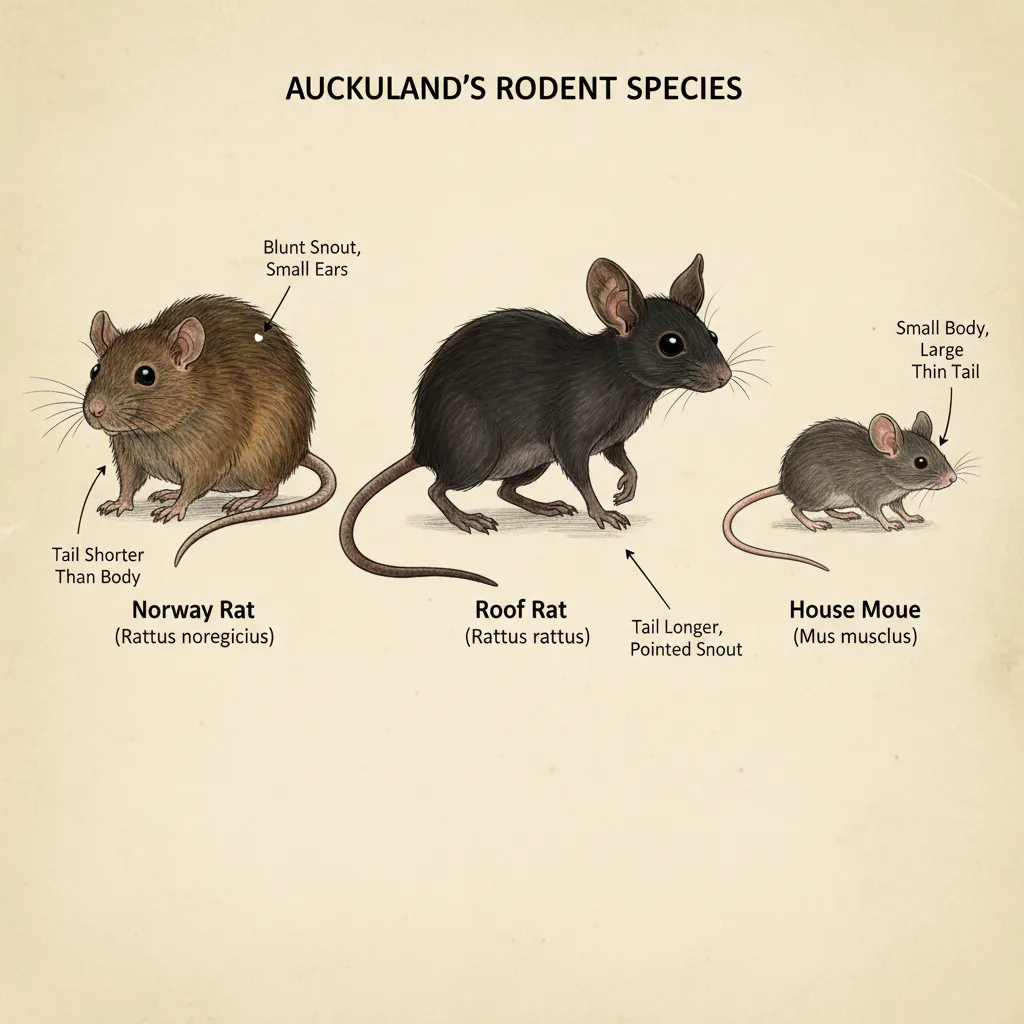
Auckland is home to several common rodent species, each with distinct characteristics and behaviors that influence how they interact with human environments. Identifying the specific species present is often the first step in devising an effective control strategy, as their habits dictate their vulnerabilities and preferred entry points. These highly adaptable creatures have successfully integrated into New Zealand’s largest city, thriving on readily available food sources and ample shelter.
The Norway Rat (Rattus norvegicus)
Also known as the brown rat, sewer rat, or common rat, the Norway rat is typically larger and stockier than its roof rat counterpart. These formidable rodents are ground-dwellers, preferring to nest in burrows in soil, sewers, and under buildings. In Auckland, they are often found in basements, warehouses, and the lower levels of structures. Their behavior is characterized by powerful gnawing and a strong preference for fresh food, often hoarding it. They are less agile climbers than roof rats but excellent swimmers, capable of traversing drain systems. Norway rats are highly cautious, exhibiting neophobia (fear of new objects), which can make trapping challenging.
The Roof Rat (Rattus rattus)
In contrast, the roof rat, or black rat, is slenderer with a longer tail and larger ears. True to their name, they are adept climbers, frequently nesting in elevated locations such as attics, walls, trees, and dense vegetation. In Auckland’s residential areas, they are a common sight in ceiling voids and upper stories, gaining access through roofs, branches, and utility lines. Their diet is more varied, often including fruits, vegetables, and seeds, making gardens and orchards attractive targets. Roof rats are also neophobic but tend to be more adventurous in their exploration of elevated spaces, often creating runways along beams and wires.
The House Mouse (Mus musculus)
The smallest of Auckland’s common pest rodents, the house mouse is highly inquisitive and adaptable. They require very little space to enter structures, often squeezing through openings as small as 6mm. House mice typically nest within wall voids, cabinets, and stored items, often close to food sources. Their behavior is characterized by frequent, small foraging trips and a tendency to establish multiple small nests rather than one large colony. Unlike rats, mice are highly curious and less neophobic, making them somewhat easier to trap initially. However, their rapid breeding cycle and ability to hide in tiny spaces make complete eradication a persistent challenge. Their droppings are smaller than those of rats, often resembling rice grains.
Habits and Behavioral Patterns of Auckland’s Rodents
Understanding the intricate habits and behavioral patterns of rats and mice in Auckland is paramount for effective pest management. These behaviors dictate where rodents will seek shelter, what they will eat, and how they will navigate their environment, offering critical insights for prevention and control.
Nocturnal Activity and Foraging
Auckland’s rodents are predominantly nocturnal, meaning they are most active between dusk and dawn. This crepuscular nature is a survival mechanism, allowing them to avoid predators and human interaction. During these hours, they emerge from their nests to forage for food, water, and nesting materials. Their movements are often predictable, following established runways along walls, pipes, and electrical conduits. While predominantly active at night, sightings during the day, particularly of rats, often indicate a significant infestation or a scarcity of food sources forcing them to take greater risks.
Nesting and Harborage Preferences
Rodents seek harborage that offers shelter from predators, protection from elements, and proximity to food and water. Norway rats prefer burrows in the ground, under concrete slabs, or in dense vegetation. Roof rats, being arboreal, favor elevated spaces like attics, wall voids, tree cavities, and thick shrubbery. House mice are opportunistic nesters, utilizing almost any secluded spot – inside furniture, behind appliances, in cluttered storage areas, or within wall voids. The availability of suitable nesting sites, often exacerbated by cluttered environments or overgrown gardens, is a major factor in rodent population growth in Auckland.
Social Structures and Colonies
Rats and mice exhibit varying degrees of social complexity. Norway rats typically live in structured colonies with established hierarchies, often defending territories aggressively. Roof rats tend to be more communal, often sharing nests. House mice, while not forming large, structured colonies like Norway rats, often live in family groups with multiple generations occupying a shared territory, leading to numerous small, satellite nests. The presence of a dominant male or female can influence the foraging patterns and breeding success within these groups. Understanding these social dynamics is vital for baiting and trapping strategies, as it impacts how bait is accepted or rejected by the population.
Reproductive Cycles and Population Growth
One of the most challenging aspects of rodent control is their astonishing reproductive capacity. House mice can reach sexual maturity in as little as 6 weeks, producing litters of 5-6 pups up to 5-10 times a year. Rats mature slightly slower but still breed rapidly, with Norway rats having 4-7 litters annually, each with 8-12 young. Roof rats produce fewer litters but still average 6-8 young per litter. This rapid turnover means that a small initial infestation can quickly escalate into a severe problem, especially when environmental conditions in Auckland are favorable, providing warmth, shelter, and abundant food. A single pair of mice can theoretically produce thousands of offspring in a year under ideal conditions.
Rodent Intelligence and Adaptability
Rodents, particularly rats, are remarkably intelligent and adaptable creatures. They quickly learn to navigate complex environments, remember pathways, and even learn from the experiences of other rodents. This intelligence can manifest as “bait shyness” or “trap shyness” where individuals avoid new food sources or traps if previous attempts by others were unsuccessful. Their ability to adapt to changing environments, exploit new food sources, and overcome obstacles is a key factor in their survival success in urban landscapes like Auckland. This adaptability necessitates varied and persistent pest control efforts.
Recognizing the Signs of Rodent Activity in Your Auckland Property
Early detection of a rodent infestation is crucial for mitigating damage and health risks. Auckland property owners should be vigilant for specific signs that indicate the presence of rats or mice. Recognizing these indicators promptly can allow for quicker intervention and prevent a minor issue from becoming a major problem.
Droppings and Urine Trails
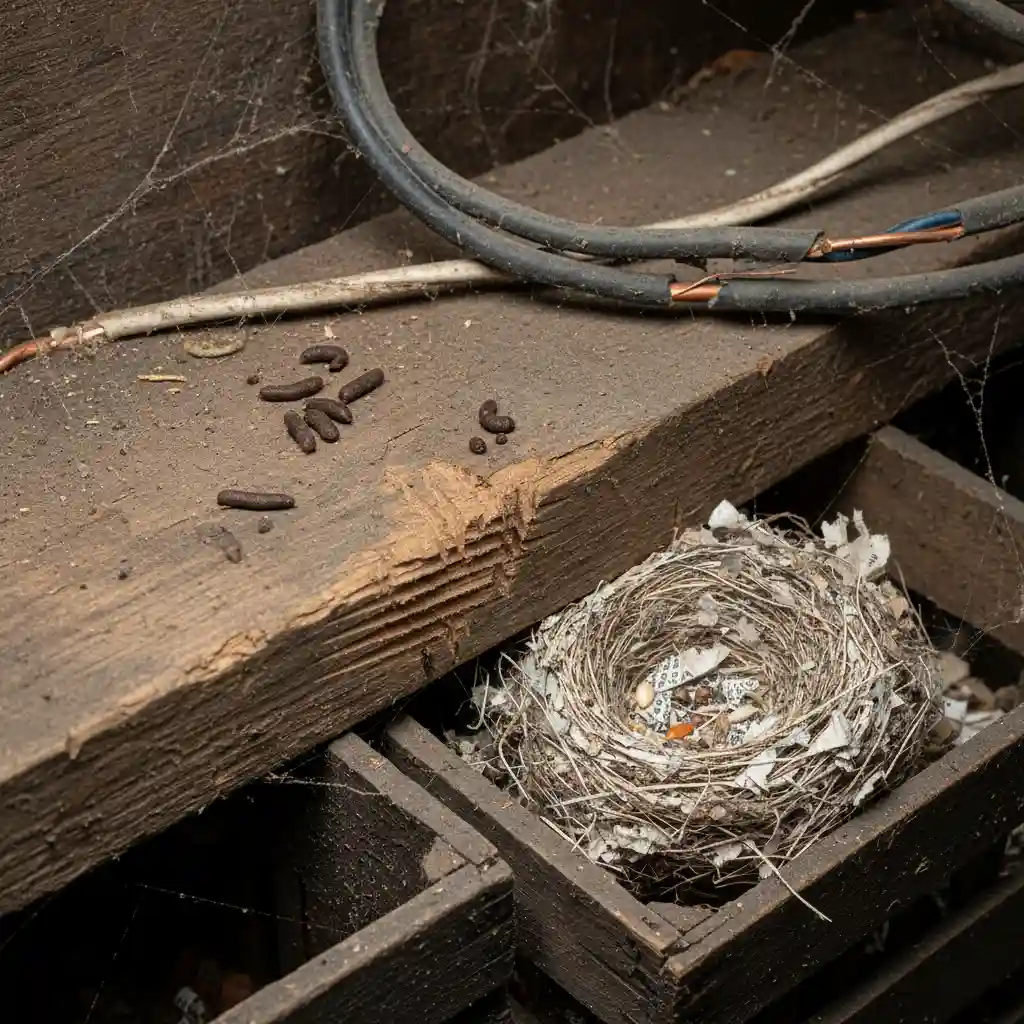
One of the most definitive signs of rodent activity is the presence of droppings. Rat droppings are typically capsule-shaped, dark, and about 12-18mm long (Norway rats) or spindle-shaped and 6-12mm long (Roof rats). Mouse droppings are much smaller, resembling dark grains of rice, usually 3-6mm long. Fresh droppings are soft and moist, while older ones are hard and brittle. Rodents also leave behind urine, often creating “urine pillars” – small mounds of grease, dirt, and urine that harden over time, indicating a long-standing infestation in secluded areas.
Gnaw Marks and Damage
Rodents continuously gnaw to keep their incisors from overgrowing and to gain access to food or shelter. Fresh gnaw marks on wood, plastic, electrical wires, pipes, and food packaging are clear indicators. Rat gnaw marks are larger and coarser than those left by mice. On wood, rat marks appear as rough indentations, while mouse marks are finer and more delicate. Pay close attention to corners of walls, doorframes, utility lines, and food containers.
Nests and Burrows
Discovering actual nests or burrows confirms rodent presence. Rat burrows are typically found outdoors, along foundations, under sheds, or in dense vegetation. Indoors, Norway rats may burrow into stored items or beneath appliances. Roof rats will build nests in attics, wall voids, or suspended ceilings using shredded paper, fabric, and insulation. Mouse nests are often compact and made from similar materials, found in secluded spots within cabinets, drawers, or behind appliances. The presence of nesting materials like shredded paper or fabric is a strong sign.
Rub Marks and Runways
As rodents travel along established paths, the oils and dirt from their fur leave dark, greasy smudges called rub marks. These are often visible along baseboards, pipes, and beams, especially in areas with heavy traffic. These “runways” indicate active travel routes and can help identify points of entry or harborage. Fresh rub marks will smear if touched, while older ones will be dry and flaky. These are more common with rats than mice due to their larger size and more consistent routes.
Unusual Noises and Odors
In quiet periods, particularly at night, scratching, scurrying, or gnawing sounds emanating from walls, ceilings, or under floors are strong indicators of rodent activity. A persistent, musky odor, especially in enclosed spaces like cupboards or attics, can also signal a significant mouse infestation, as their urine has a distinct, strong smell. Rat odors are less distinct but can still be noticeable in heavily infested areas.
Pet Behavior and Sightings
Pets, especially cats and dogs, may exhibit unusual behavior if rodents are present. They might become agitated, stare intently at walls or specific areas, or scratch at places where rodents are hiding. While direct sightings of rodents are undeniable proof, their elusive nature means this is often one of the last signs observed, typically indicating a substantial population.
The Extensive Damage Caused by Rodent Infestations
Beyond the immediate discomfort and unsanitary conditions, rodent infestations in Auckland can lead to significant and costly damage to properties and possessions. Their persistent gnawing and nesting habits can compromise structural integrity, destroy personal property, and pose serious safety hazards.
Structural Damage to Homes and Businesses
Rodents will chew through almost anything to create pathways, access food, or find nesting materials. This includes wood beams, insulation, plasterboard, and even soft concrete or PVC pipes. Their burrows can undermine foundations, and their constant activity can weaken wooden structures. In businesses, this structural damage can lead to costly repairs and even operational disruptions, particularly in food establishments or warehouses where strict hygiene is paramount.
Contamination of Food and Surfaces
Perhaps one of the most immediate and widespread forms of damage is the contamination of food and food preparation surfaces. Rodents carry bacteria, viruses, and parasites on their bodies and in their droppings and urine. They will contaminate stored food, pantry items, and kitchen countertops, rendering them unsafe for human consumption. This contamination is not limited to food; it extends to utensils, dishes, and any surface they traverse, creating a significant hygiene risk for families and businesses.
Electrical Hazards and Fire Risks
One of the most dangerous consequences of rodent gnawing is the damage to electrical wiring. Rodents often chew through the plastic insulation around electrical cables, exposing live wires. This can lead to short circuits, power outages, and significantly increase the risk of electrical fires. Such fires can cause extensive property damage and pose a severe threat to life. Businesses in Auckland, particularly those with complex electrical systems, are especially vulnerable to this type of damage.
Garden and Crop Destruction
In Auckland’s many suburban homes and rural-urban fringes, rodents can cause considerable damage to gardens, vegetable patches, and even small orchards. Rats and mice will feed on fruits, vegetables, seeds, and bulbs, often destroying more than they consume. They can also burrow into garden beds, disturbing roots and compromising plant health. This can be particularly frustrating for keen gardeners and small-scale growers.
Health Risks Associated with Rodents in Auckland
The presence of rodents in any environment poses serious health risks to humans and pets. Rodents are known carriers of numerous pathogens, capable of transmitting diseases directly and indirectly, contributing to a range of ailments from mild discomfort to severe, life-threatening conditions. Protecting public health is a primary driver for rodent control efforts in Auckland and globally. According to the World Health Organization, rodents are vectors for over 35 diseases worldwide.
Direct Transmission of Diseases
Rodents can directly transmit diseases through their bites, urine, faeces, or saliva. Some of the most common directly transmitted diseases associated with rodents globally include Leptospirosis, Salmonellosis, and Hantavirus. In New Zealand, Leptospirosis is a particular concern, often linked to exposure to contaminated water or soil where rodent urine is present. Salmonellosis, causing severe gastroenteritis, can be spread when rodents contaminate food or food preparation surfaces with their faeces. While Hantavirus is less prevalent in New Zealand, the risk of transmission exists, particularly in enclosed spaces with accumulated rodent droppings and urine, where airborne particles can be inhaled.
Indirect Transmission via Parasites
Rodents often carry external parasites such as fleas, ticks, and mites. These parasites can then infest homes and transmit diseases to humans and pets. For instance, rodent fleas can transmit diseases like murine typhus, though this is rare in New Zealand. Ticks carried by rodents can transmit Lyme disease, which, while not endemic to New Zealand, could theoretically be introduced. Mites can cause skin irritations and allergic reactions. The presence of rodents often leads to a secondary infestation of these parasites, compounding the health risks and making eradication more complex.
Allergic Reactions and Asthma Triggers
Even without direct disease transmission, rodent infestations can significantly impact respiratory health. Rodent hair, dander, and dried urine and faeces can become airborne allergens, triggering allergic reactions and exacerbating asthma symptoms in sensitive individuals. Long-term exposure to these allergens, especially in poorly ventilated spaces like attics or wall voids where rodents nest, can lead to chronic respiratory issues, particularly in children and individuals with pre-existing conditions. Poor indoor air quality due to rodent presence is a silent but significant health hazard.
Effective Rodent Prevention and Control Strategies for Aucklanders
Managing rodent populations in Auckland requires a multi-faceted approach combining proactive prevention with targeted control methods. For lasting results, an integrated pest management (IPM) strategy is often the most effective, focusing on understanding rodent behavior to exploit their weaknesses.
Exclusion: Sealing Entry Points
The most fundamental prevention strategy is exclusion – physically blocking rodents from entering your property. This involves inspecting your home or business for potential entry points and sealing them with rodent-proof materials. Look for gaps around pipes, utility lines, vents, and eaves. Seal cracks in foundations and walls. Use steel wool, hardware cloth (mesh), cement, or metal flashing to block openings. Remember that mice can squeeze through gaps as small as 6mm (pencil thickness), and rats through openings as small as 12mm.
Sanitation: Eliminating Food and Water Sources
Rodents are attracted to readily available food and water. Maintaining strict sanitation practices is critical. Store all food in airtight, rodent-proof containers. Clean up food spills immediately. Keep rubbish bins tightly sealed and away from the building. Address any leaky pipes or standing water sources, as rodents need water to survive. Regularly clear clutter from inside and outside your property, as this can provide both food (e.g., forgotten pet food, fallen fruit) and harborage.
Habitat Modification: Reducing Shelter
Reducing suitable nesting and hiding places makes your property less attractive to rodents. Keep outdoor areas tidy: trim overgrown shrubs and trees away from the building, stack firewood neatly and away from the house, and clear away debris or unused items that could provide shelter. Inside, reduce clutter in attics, basements, and garages. Organise storage spaces to minimise hiding spots and make detection easier. Eliminate access to void spaces in walls and ceilings where possible.
Professional Pest Control Interventions
When an infestation is established, professional pest control services are often necessary. In Auckland, experienced pest controllers understand local rodent behaviors and employ a range of techniques, including trapping, baiting, and monitoring. They can safely deploy commercial-grade baits and traps, which are often more effective and safer than DIY solutions, especially when dealing with large or persistent infestations. Professionals also conduct thorough inspections to identify all entry points and harborage areas, providing comprehensive solutions that go beyond merely treating symptoms.
Understanding rodent behavior in Auckland is not just about identifying a problem; it’s about anticipating it, preventing it, and ultimately, safeguarding your property and health. By being vigilant and employing a combination of exclusion, sanitation, habitat modification, and professional intervention, Aucklanders can effectively manage the challenges posed by these highly adaptable pests. Taking proactive steps ensures a safer, cleaner, and healthier environment for everyone.
People Also Ask About Rodent Behavior in Auckland
What types of rodents are most common in Auckland?
In Auckland, the most common rodent species encountered are the Norway rat (brown rat), the roof rat (black rat), and the house mouse. Each species has distinct physical characteristics and behaviors, influencing their preferred habitats and the types of damage they cause in urban and suburban environments.
How can I tell if I have rats or mice in my Auckland home?
To determine if you have rats or mice, look for specific signs. Rats leave larger droppings (12-18mm for Norway, 6-12mm for roof rats) and bigger gnaw marks. Mice leave smaller, rice-grain sized droppings (3-6mm) and finer gnaw marks. Both may leave rub marks, make scratching noises at night, and build nests with shredded materials. Sightings are a direct indicator, though often rarer than indirect signs.
What attracts rodents to Auckland properties?
Rodents are primarily attracted to properties in Auckland by three essential needs: food, water, and shelter. Unsecured food sources (pet food, rubbish, garden produce), leaky pipes or standing water, and abundant harborage (clutter, overgrown vegetation, unsealed entry points) provide ideal conditions for rodents to thrive and establish infestations.
Are rodents in Auckland dangerous to human health?
Yes, rodents in Auckland pose significant health risks. They can directly transmit diseases like Leptospirosis and Salmonellosis through their urine, faeces, or bites. Indirectly, they can carry fleas, ticks, and mites that may transmit other pathogens. Furthermore, their dander and droppings can trigger allergic reactions and exacerbate asthma symptoms.
What time of day are Auckland rodents most active?
Auckland rodents are predominantly nocturnal, meaning they are most active during the night, typically between dusk and dawn. This behavior helps them avoid predators and human interaction while foraging for food and water. Daytime sightings often suggest a large or persistent infestation or a severe shortage of resources.
What are the best ways to prevent rodents from entering my Auckland home?
The best prevention methods involve exclusion, sanitation, and habitat modification. Seal all potential entry points (gaps, cracks, vents) with rodent-proof materials. Maintain strict hygiene by storing food in airtight containers and securing rubbish. Reduce harborage by decluttering, trimming vegetation, and keeping outdoor areas tidy. Professional pest control can also provide preventative solutions.