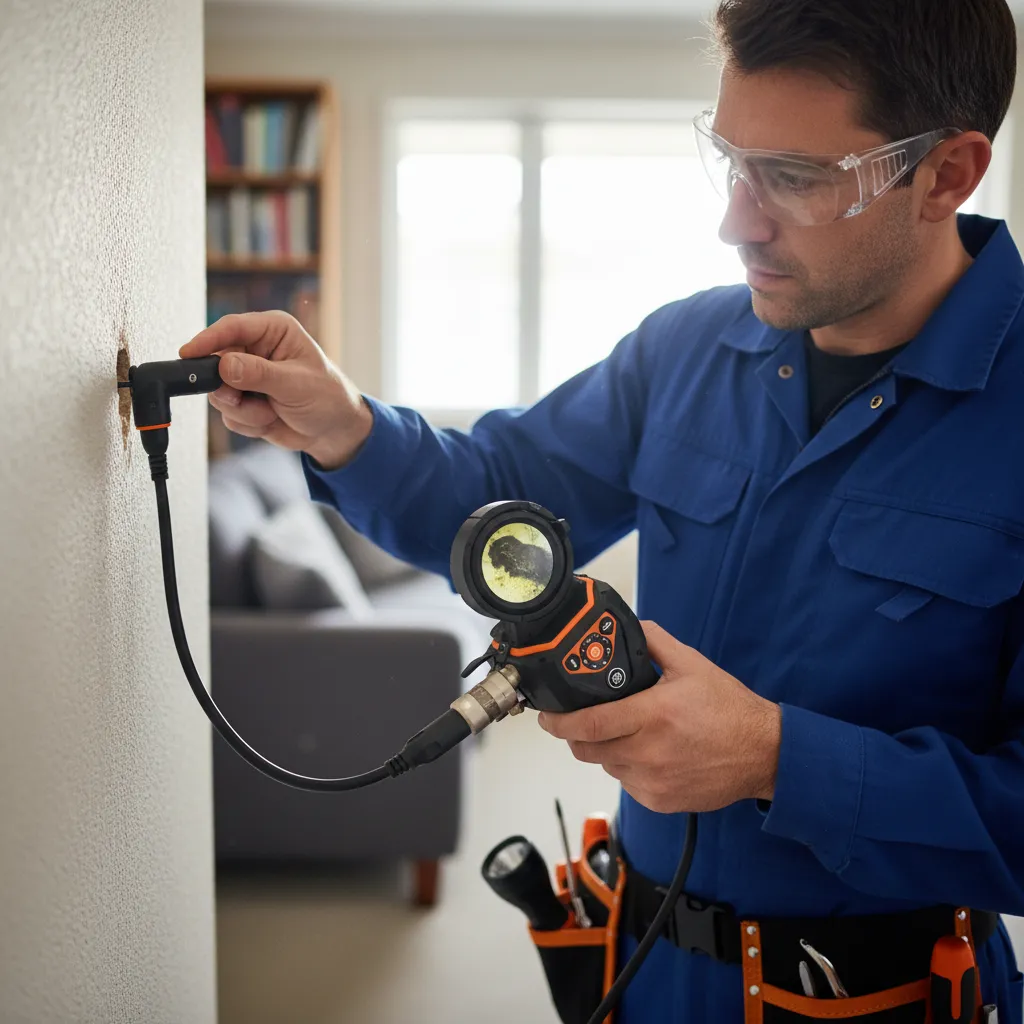
Commercial rat control is the strategic process of preventing, monitoring, and eliminating rat infestations in business premises, crucial for protecting health, property, and brand reputation. It involves implementing targeted strategies like exclusion, sanitation, baiting, and advanced digital monitoring to ensure environments, especially in Auckland’s diverse commercial sectors, remain free from rodent threats and compliant with strict health and safety standards.
Understanding the Threat: Why Commercial Rat Control is Non-Negotiable
Rats and other rodents pose a significant and often underestimated threat to commercial establishments. Beyond the visible damage to property and stock, their presence can lead to severe health risks, significant financial losses, and irreparable damage to a company’s reputation. For businesses operating in Auckland, especially those within the food sector, hospitality, or warehousing, failing to implement robust commercial rat control measures is not an option; it’s a critical aspect of operational integrity and legal compliance.
The Dangers Rodents Pose to Businesses
Rodents, particularly rats, are known carriers of numerous diseases, including Leptospirosis, Salmonellosis, and Hantavirus. Their droppings, urine, and saliva can contaminate food preparation surfaces, stored goods, and public areas, posing a direct health hazard to employees and customers. Beyond health concerns, rats cause extensive physical damage by gnawing through electrical wiring, plumbing, insulation, and building structures. This can lead to costly repairs, fire hazards due to damaged wiring, and operational disruptions. Furthermore, the discovery of rodents by customers or health inspectors can result in significant fines, business closure, and a devastating loss of public trust.
The Auckland Imperative: Protecting Businesses from Rodents
Auckland, as New Zealand’s largest city and economic hub, presents unique challenges for commercial rodent control. Its dense urban environment, bustling ports, diverse industrial areas, and extensive food and hospitality sectors create ample opportunities for rodent populations to thrive and spread. The city’s climate, with mild winters, also allows for year-round breeding, making continuous vigilance essential.
Specific Challenges for Auckland Businesses
- Urban Density: Close proximity of buildings and varied commercial activities provide rats with abundant food sources and shelter, facilitating easy movement between premises.
- Port & Logistics Hub: Auckland’s port and extensive logistics network mean goods constantly move in and out, creating potential entry points for rodents hitchhiking on shipments.
- Food & Hospitality Sector: The city’s vibrant dining scene, cafes, restaurants, and food manufacturing plants are prime targets for rodents attracted to food waste and stored ingredients.
- Older Infrastructure: Many commercial buildings, especially in established areas, have older infrastructure with cracks, gaps, and worn seals that provide easy access for rats.
Effective commercial rat control in Auckland therefore requires a tailored, proactive approach that understands these local dynamics and implements solutions designed for resilience and long-term efficacy.

Integrated Pest Management (IPM): The Foundation of Effective Rodent Control
Integrated Pest Management (IPM) is not just a method; it’s a comprehensive philosophy for managing pests that prioritises long-term prevention over quick fixes. For commercial rat control, IPM means combining various strategies to minimise rodent populations while reducing reliance on chemical treatments, thereby enhancing safety and sustainability. This holistic approach is essential for any Auckland business committed to maintaining a pest-free environment.
Key Pillars of Commercial IPM for Rodents
- Inspection and Assessment: A thorough initial inspection by expert pest control technicians identifies the species, severity of infestation, entry points, harborage areas, and contributing environmental factors. This informs a customised strategy.
- Exclusion: Sealing gaps, cracks, and holes in walls, floors, and foundations, repairing damaged doors and windows, and installing rodent-proof screens are vital steps to prevent entry.
- Sanitation: Implementing strict waste management protocols, ensuring proper food storage, promptly cleaning spills, and eliminating clutter remove essential food, water, and shelter sources for rodents.
- Monitoring: Regular monitoring using traps, bait stations, and digital sensors provides ongoing data on rodent activity, allowing for timely intervention and adjustment of strategies.
- Treatment: When necessary, targeted treatments such as baiting or trapping are deployed. With IPM, the focus is on strategic placement and using the least toxic yet effective solutions, often in tamper-resistant stations.
- Documentation & Reporting: Detailed record-keeping of findings, actions taken, and efficacy is crucial for compliance and continuous improvement.
Rodent Control for Food Manufacturing and Retail: Tailored Strategies
Businesses involved in food manufacturing, processing, storage, and retail face some of the most stringent regulations and highest risks when it comes to rodent infestations. The presence of rats in these environments can lead to product contamination, significant financial penalties, brand damage, and even forced closure. Therefore, commercial rat control in these sectors demands specialised knowledge and a zero-tolerance approach.
Unique Challenges and Solutions
- High-Risk Environment: Food premises offer abundant food sources, water, and shelter, making them highly attractive to rodents. Control strategies must be robust and proactive.
- Strict Regulatory Compliance: New Zealand’s food safety laws, overseen by the Ministry for Primary Industries (MPI), mandate rigorous pest control programmes. Compliance is non-negotiable.
- Product Contamination: Rodent droppings, urine, and hair can directly contaminate food products, leading to recalls, waste, and health risks.
Solutions include comprehensive site mapping for bait station placement, intensive monitoring, rapid response protocols, and strict adherence to HACCP principles for pest management. Specialist technicians understand the nuances of working within sensitive environments, minimising disruption while maximising efficacy.
Tamper-Resistant Bait Stations: A Cornerstone of Safety and Efficacy
In any commercial environment, especially those with public access, children, or pets, the safe and responsible use of rodenticides is paramount. Tamper-resistant bait stations are an indispensable tool in modern commercial rat control, providing a secure method for deploying rodenticides while protecting non-target species.
Benefits of Tamper-Resistant Bait Stations
- Safety: Designed with secure locking mechanisms, these stations prevent unauthorised access to bait by people, pets, and wildlife, significantly reducing the risk of accidental poisoning.
- Discretion: Their robust, often low-profile design allows for discreet placement in commercial settings, maintaining a professional appearance without drawing unwanted attention.
- Effectiveness: The stations provide a sheltered feeding environment for rodents, encouraging them to enter and consume the bait without disturbance, thus increasing the efficacy of the treatment.
- Durability: Constructed from tough, weather-resistant materials, they withstand harsh environmental conditions and tampering attempts, ensuring long-term protection.
- Compliance: Use of tamper-resistant stations is often a requirement for compliance with health and safety regulations, particularly in food-handling establishments.
Proper placement and regular servicing of these stations by trained professionals ensure they remain effective and safe, forming a critical component of a comprehensive commercial rodent management plan. For more information on responsible rodenticide use, consult resources from environmental protection agencies or industry bodies like the New Zealand Pest Control Association.

Digital Monitoring and Reporting: The Future of Proactive Pest Management
The landscape of commercial pest control is rapidly evolving, with digital monitoring and reporting emerging as a game-changer. These advanced systems leverage technology to provide real-time insights into rodent activity, enabling a more proactive, efficient, and transparent approach to commercial rat control.
Advantages of Digital Monitoring Systems
- Real-time Detection: Sensors placed within or near bait stations and traps can instantly detect rodent activity and transmit data to a central system. This allows for immediate alerts and rapid response, preventing infestations from escalating.
- Data-Driven Insights: The collected data provides valuable insights into rodent movement patterns, preferred entry points, and population hotspots. This intelligence helps refine strategies, optimise bait placement, and identify areas requiring improved exclusion or sanitation.
- Reduced Site Visits: While regular inspections remain vital, digital monitoring can reduce the necessity for purely observational visits, allowing technicians to focus their time on targeted interventions and strategic adjustments.
- Enhanced Transparency and Reporting: Detailed digital records offer unparalleled transparency for businesses, providing clear evidence of pest activity (or lack thereof), treatment efficacy, and compliance with regulations. This is particularly valuable during audits.
- Proactive Prevention: By identifying nascent activity early, businesses can intervene before a full-blown infestation takes hold, saving costs and mitigating risks.
For Auckland businesses seeking to elevate their pest control programmes, integrating digital monitoring offers a significant competitive advantage, demonstrating a commitment to advanced safety and operational excellence.
Compliance with NZ Food Safety Laws: Staying Ahead of Regulations
For any commercial enterprise handling food in New Zealand, compliance with the country’s stringent food safety laws is not merely good practice; it’s a legal obligation. The Ministry for Primary Industries (MPI) sets forth comprehensive standards that dictate how businesses must manage food safety, and robust pest control, particularly commercial rat control, is a critical component of these requirements.
Key Aspects of MPI Compliance Regarding Rodents
- Food Act 2014 & Regulations: Businesses must operate under a registered Food Control Plan (FCP) or National Programme, both of which require effective pest management to prevent contamination.
- Preventative Measures: MPI guidelines emphasise preventative strategies, meaning businesses must demonstrate proactive measures to keep pests out, not just react to infestations. This includes structural maintenance, sanitation, and ongoing monitoring.
- Documentation & Record-Keeping: Comprehensive records of all pest control activities, including inspections, treatments, technician reports, and monitoring data, are essential for demonstrating compliance during audits.
- Audits and Inspections: MPI and authorised verifiers conduct regular audits to ensure businesses meet food safety standards. Evidence of a robust commercial rat control programme is a key component of passing these audits. Failure to comply can result in significant penalties, including fines, warnings, and even suspension or cancellation of operating licenses.
Partnering with a professional Auckland pest control service that understands and specialises in MPI compliance is crucial. They can help establish and maintain a pest management plan that meets all regulatory requirements, safeguarding your business from legal repercussions and ensuring continued operational viability. Further details on food safety standards can be found on the MPI website.
Choosing Your Commercial Rodent Control Partner in Auckland
Selecting the right commercial rat control provider in Auckland is a decision that can significantly impact your business’s health, safety, and bottom line. It’s not just about getting rid of rats; it’s about partnering with a company that understands your unique commercial environment, regulatory obligations, and long-term needs.
Factors to Consider
- Experience and Expertise: Look for providers with a proven track record in commercial pest control, specifically with rats, and a deep understanding of the Auckland market.
- IPM Approach: Ensure they advocate and implement an Integrated Pest Management strategy that focuses on prevention, sustainability, and minimal chemical use.
- MPI Compliance Knowledge: For food-related businesses, verify their expertise in New Zealand food safety laws and their ability to provide audit-ready documentation.
- Technology and Innovation: Inquire about their use of advanced technologies, such as digital monitoring systems, for proactive and efficient service delivery.
- Customised Solutions: A reputable provider will offer tailored plans, not generic solutions, recognising that every business has unique requirements.
- Certifications & Insurance: Confirm they are fully licensed, insured, and their technicians are certified and undergo ongoing training.
- Customer Service & Responsiveness: Evaluate their communication, responsiveness to emergencies, and commitment to client satisfaction.
A strategic partnership with a world-class pest control provider is an investment in your business’s future, ensuring peace of mind and protection against the pervasive threat of commercial rat infestations.

Conclusion: Safeguarding Your Business with Professional Rodent Control
Commercial rat control is an indispensable element of responsible business operation, particularly within Auckland’s dynamic commercial landscape. The threats posed by rodents extend far beyond simple nuisance, encompassing serious health risks, substantial property damage, and severe reputational and legal consequences. By adopting a proactive, comprehensive Integrated Pest Management approach, leveraging advanced technologies like digital monitoring, and strictly adhering to New Zealand’s food safety regulations, businesses can effectively safeguard their premises, products, and people.
Partnering with an expert commercial pest control provider in Auckland is not merely a service expense; it is a strategic investment in the long-term sustainability and success of your enterprise. It ensures not only the eradication of existing infestations but also the establishment of robust preventative measures, offering unparalleled peace of mind and allowing you to focus on what you do best: running your business with confidence and integrity.
People Also Ask About Commercial Rodent Control
What are the primary signs of a commercial rat infestation?
Key signs include droppings (small, dark pellets), gnaw marks on structures or packaging, tracks or rub marks along walls, unusual scratching or scampering noises, and actual sightings of rats, especially at night. A professional inspection can confirm an infestation and identify entry points.
How often should commercial premises in Auckland be inspected for rodents?
For high-risk environments like food manufacturing or retail, monthly or bi-monthly inspections are typically recommended. Lower-risk businesses might require quarterly inspections. However, continuous digital monitoring can provide real-time data, allowing for more dynamic and responsive scheduling based on actual activity levels.
Are the chemicals used in commercial rat control safe for my business and employees?
Professional commercial pest control services prioritise safety. They use targeted applications of approved rodenticides, often within secure, tamper-resistant bait stations, to minimise exposure risks to non-target species, employees, and customers. Non-chemical methods are also a significant part of an Integrated Pest Management (IPM) strategy.
What is the difference between commercial and residential rodent control?
Commercial rodent control differs in scale, complexity, regulatory compliance, and risk. Businesses often have larger premises, more stringent health and safety requirements (especially for food), and higher potential for economic and reputational damage. Commercial solutions are typically more comprehensive, proactive, and involve detailed reporting for audits.
Can I handle commercial rat control myself to save costs?
While small residential issues might be manageable, commercial rat control is strongly advised to be handled by professionals. It requires specialised knowledge of rodent behaviour, commercial-grade products, understanding of food safety laws (like MPI in NZ), and the ability to implement comprehensive IPM strategies effectively and safely. DIY efforts often lead to ongoing infestations and potential compliance breaches.
What preventative measures can my Auckland business take to deter rodents?
Effective preventative measures include sealing all cracks and openings in your building, maintaining impeccable sanitation practices (proper waste storage, regular cleaning), keeping vegetation trimmed away from the building, storing food in sealed containers, and promptly repairing any leaks or damp areas. Regular professional inspections are also crucial for early detection and prevention.