Eco-friendly pest management in Auckland refers to sustainable strategies and non-toxic methods designed to control pests while minimizing harm to the environment, beneficial organisms, and human health. It prioritizes long-term prevention and ecological balance over immediate chemical eradication, offering Auckland residents safer and more responsible pest solutions.
Understanding Eco-Friendly Pest Management in Auckland
Auckland’s unique climate and diverse ecosystem present specific challenges and opportunities for pest control. From damp conditions inviting slugs and snails to warmer temperatures favoring mosquitoes and ants, residents often seek effective solutions. Eco-friendly pest management offers a vital alternative to traditional methods that rely heavily on synthetic pesticides, which can pollute waterways, harm pets and children, and disrupt the delicate balance of local biodiversity. This approach is not merely about using “natural” products; it’s a comprehensive philosophy focused on understanding pest biology, preventing infestations, and employing targeted, least-toxic interventions when necessary. It’s about creating a healthier living environment for families and pets, while also protecting Auckland’s stunning natural landscapes and native species.
The Core Principles of Sustainable Pest Control
Sustainable pest control in Auckland is built upon several foundational principles. Firstly, it emphasizes prevention, aiming to stop pests from becoming an issue in the first place through habitat modification, sanitation, and exclusion. Secondly, it prioritizes monitoring and accurate identification of pests, ensuring that any intervention is precisely tailored to the specific problem. Thirdly, it advocates for the least-toxic methods available, moving from mechanical and biological controls to natural or organic pesticides only when absolutely necessary, and applied with precision. Lastly, it involves ongoing evaluation and adjustment, recognizing that pest management is a dynamic process. By adhering to these principles, Aucklanders can achieve effective pest control that aligns with their values for environmental stewardship and public health.

Non-Chemical Pest Control Methods for Auckland Homes
For Auckland homeowners concerned about chemical exposure, a wide array of non-chemical pest control methods offers effective and safe alternatives. These strategies focus on physical barriers, environmental manipulation, Hot Steam Sanitation Pest Control, and direct removal, providing robust protection without synthetic substances.
Physical Exclusion and Barriers
Preventing pests from entering your home is often the most effective first line of defense. This includes sealing cracks and crevices in foundations, walls, and around utility pipes. Installing mesh screens on windows and doors, and ensuring they are in good repair, can prevent flies, mosquitoes, and other flying insects from entering. For larger pests like rodents, checking under eaves and around ventilation points for potential entryways is crucial. Even simple measures like door sweeps can make a significant difference in keeping crawling insects out. Regularly inspecting your home’s exterior for new access points, especially after heavy rains or seasonal changes common in Auckland, can preempt many pest problems.
Mechanical Traps and Lures
Mechanical traps provide a direct and chemical-free way to manage specific pests. For rodents, snap traps or live traps (to be released far away from homes) are effective. Sticky traps can be useful for monitoring insect populations, though their use should be considered carefully due to potential harm to beneficial insects or small animals. Pheromone traps can specifically target certain insect species, disrupting their breeding cycles without affecting other wildlife. For slugs and snails, beer traps or copper barriers are simple yet effective solutions often used in Auckland gardens. The key is strategic placement and regular checking and emptying of these traps to maintain their effectiveness and hygiene.
Habitat Modification and Sanitation
Many pests are attracted to specific environmental conditions or food sources. By modifying these factors, you can make your home and garden less appealing. This involves diligent sanitation: regularly cleaning up food spills, storing food in airtight containers, and promptly disposing of rubbish. Outdoors, removing standing water eliminates breeding grounds for mosquitoes. Trimming back overgrown vegetation around your house reduces hiding spots for spiders, rodents, and other pests, and improves air circulation, which can deter damp-loving insects. Clearing leaf litter, woodpiles, and general clutter further minimizes harborage for a variety of pests. In Auckland’s often moist climate, managing drainage and reducing humidity indoors can also be crucial in preventing mould mites and silverfish.
Integrated Pest Management (IPM): A Holistic Approach
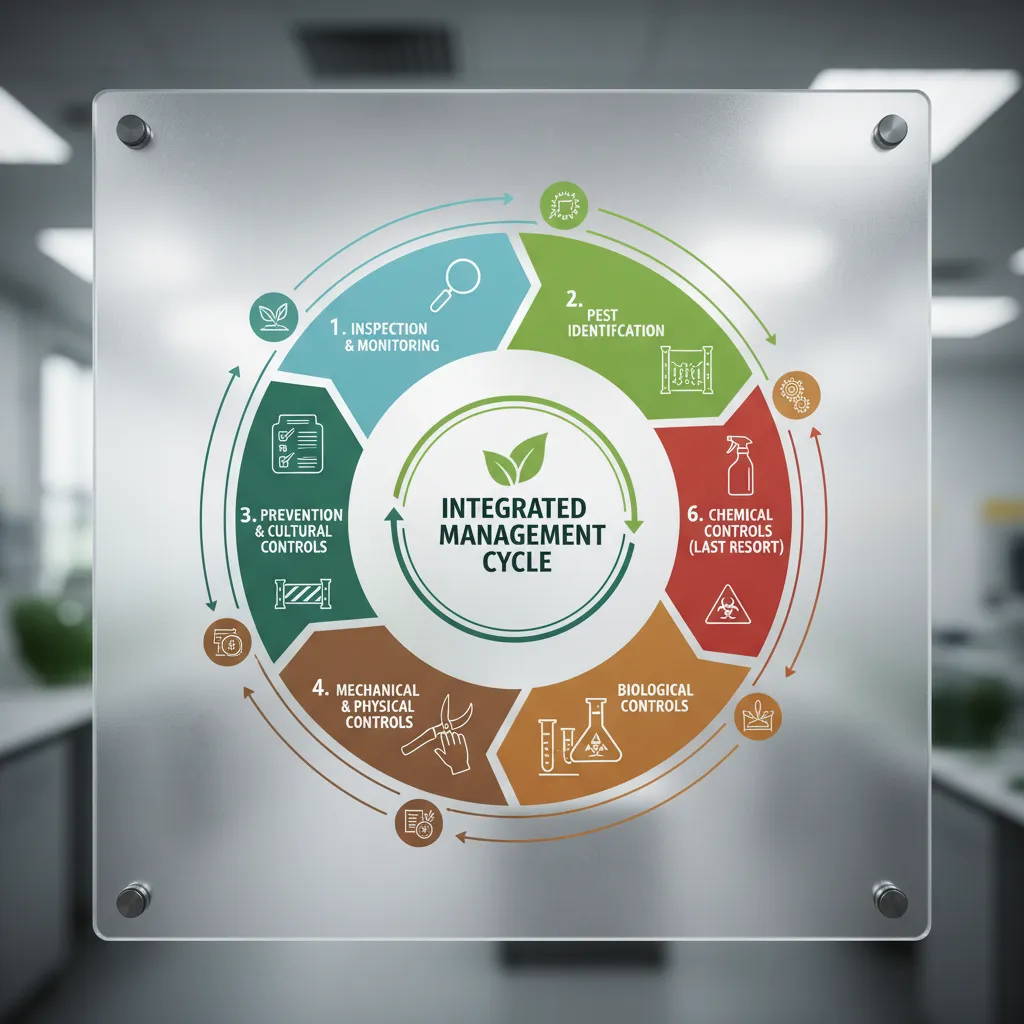
Integrated Pest Management (IPM) is a comprehensive, science-based strategy that focuses on long-term prevention of pests or their damage through a combination of techniques, such as biological control, habitat manipulation, modification of cultural practices, and use of resistant varieties. Pesticides are used only after monitoring indicates they are needed according to established guidelines, and treatments are made with the goal of removing only the target organism. This approach is particularly well-suited for Auckland, offering a responsible and effective way to manage pests while preserving the region’s unique environment.
The Pillars of IPM
IPM operates on several key pillars that work in synergy to create a robust pest management system:
- Inspection & Monitoring: Regular and thorough inspection to identify pests, assess their population levels, and pinpoint potential entry points or breeding grounds. This step is crucial for understanding the specific problem.
- Identification: Accurate identification of the pest species is vital. Knowing the pest’s biology, life cycle, and behaviour allows for the selection of the most effective and least-toxic control methods.
- Action Thresholds: Establishing a level at which pest populations or environmental conditions indicate that pest control action must be taken. Not every pest sighting requires immediate intervention; IPM aims to tolerate manageable populations.
- Prevention: Implementing proactive measures to prevent pest infestations from occurring or becoming severe. This includes sanitation, exclusion, habitat modification, and using pest-resistant plant varieties.
- Control Methods: Employing a range of control tactics, starting with the least invasive. This hierarchy typically moves from cultural and mechanical methods to biological controls, and finally, targeted use of approved, least-toxic pesticides as a last resort.
Implementing IPM in Auckland Residential Settings
For Auckland homes and gardens, IPM means adopting a proactive stance. For instance, rather than immediately spraying for aphids, an IPM approach might first involve encouraging natural predators like ladybugs, or washing them off plants with water. For ants, it would mean sealing entry points and removing food sources before considering bait traps. In a garden, companion planting can deter pests naturally, while proper pruning improves plant health, making them more resilient. When professional intervention is required, an IPM-focused pest control service will prioritize methods that pose the lowest risk to human health and the environment, often using gel baits or targeted spot treatments instead of widespread spraying. They will also educate homeowners on best practices for ongoing prevention, fostering a collaborative approach to pest management. This holistic view ensures effective, long-term pest reduction with minimal ecological footprint.
Organic Pest Solutions for a Healthier Auckland Home and Garden
For those committed to an entirely chemical-free environment, organic pest solutions offer powerful and effective alternatives derived from natural sources. These methods harness the power of nature to deter, repel, or eliminate pests, ensuring a healthier space for families, pets, and local wildlife. The focus is on materials and practices that are biodegradable, non-toxic, and sustainable.
Natural Insecticides and Repellents
A range of natural substances can act as effective insecticides or repellents. Neem oil, derived from the neem tree, is a popular organic choice known for disrupting insect feeding and growth cycles. It’s effective against a broad spectrum of garden pests like aphids, mites, and whiteflies. Essential oils such as peppermint, eucalyptus, and citrus oil can deter spiders, ants, and mosquitoes. Diatomaceous earth, a natural powdery substance made from fossilized algae, works by dehydrating insects upon contact, making it useful for crawling insects like ants, fleas, and bed bugs. Insecticidal soaps, another organic option, work by breaking down the waxy cuticle of soft-bodied insects, leading to dehydration. When using these products, it’s still important to follow instructions carefully, as even natural substances can impact beneficial insects if misused. Always consider the environmental conditions in Auckland, such as rain, which can wash away topical treatments.
Beneficial Insects and Biological Controls
Introducing beneficial insects is a cornerstone of organic pest management, particularly in gardens. Ladybugs, for example, are voracious predators of aphids, while lacewings prey on a variety of soft-bodied pests. Parasitic wasps can target specific pest larvae. This form of biological control works by re-establishing a natural predator-prey balance, reducing the need for any direct intervention. For indoor plants, nematodes can be used to control fungus gnat larvae in soil. Understanding the life cycles of both pests and beneficials is crucial for successful implementation. Local Auckland nurseries or horticultural suppliers can often provide guidance on which beneficial insects are best suited for specific pest problems and the local climate. This strategy contributes significantly to biodiversity and ecosystem health.
Companion Planting and Garden Design
Thoughtful garden design and companion planting can naturally deter pests and promote plant health. Certain plants release compounds that repel pests or attract beneficial insects. Marigolds are known to deter nematodes and other garden pests, while basil can repel flies and mosquitoes. Rosemary and mint are excellent for deterring various insects. By strategically planting these companions alongside vulnerable crops, gardeners can create a natural defense system. A diverse garden ecosystem, featuring a variety of plants, also makes it harder for specific pests to establish large populations. Crop rotation, improving soil health, and ensuring proper plant spacing are additional organic gardening practices that contribute to a resilient and pest-resistant environment. This approach is particularly relevant in Auckland, where many residents enjoy gardening and seek to cultivate their green spaces organically. For further reading on organic gardening techniques and their benefits, sources like the Wikipedia article on Organic Farming offer a comprehensive overview.
Choosing the Right Eco-Friendly Pest Control Service in Auckland
When deciding to outsource your pest control, selecting a provider that genuinely commits to eco-friendly practices is paramount. Not all companies claiming to be “green” truly adhere to sustainable principles. Auckland residents need to know what to look for to ensure they are making an informed and responsible choice, prioritizing certified Zero-Emission Pest Control Auckland solutions.
Key Questions to Ask Potential Providers
Before hiring any pest control service, ask specific questions about their methods and philosophy:
- Do you offer Integrated Pest Management (IPM)? This indicates a systematic, preventative approach rather than just reactive spraying.
- What non-chemical methods do you employ first? A truly eco-friendly service will prioritize exclusion, sanitation, and trapping before chemical applications.
- Can you specify the chemicals you use and their safety profiles? They should be transparent about ingredients and explain why certain products are chosen as a last resort, emphasizing low-toxicity options.
- Are your technicians trained in eco-friendly practices? Look for evidence of ongoing training in sustainable methods and environmental safety.
- Do you provide advice on long-term prevention? A good service empowers homeowners to maintain a pest-free environment themselves.
- What are your guarantees? Understand their commitment to resolving the issue while adhering to eco-friendly principles.
Certifications and Professional Affiliations
While specific “eco-friendly” certifications for pest control can vary, look for companies that are members of reputable industry associations in New Zealand. These affiliations often imply adherence to certain standards of professionalism and ethical practice. Some companies might have internal “green” initiatives or use products certified by environmental bodies. Always request references or read reviews, specifically looking for feedback on their environmental responsibility and the long-term effectiveness of their solutions. A service that is transparent about its methods, prioritizes education, and customizes solutions based on your specific needs and the unique challenges of Auckland’s environment is likely a reliable partner in sustainable pest management.
For more information on general pest control practices and regulations in New Zealand, you might find resources from the Ministry for Primary Industries (MPI) useful, though they focus more broadly on national pest management rather than specifically eco-friendly urban solutions.
Long-Term Benefits of Sustainable Pest Management in Auckland
Adopting eco-friendly pest management practices in Auckland offers a multitude of benefits that extend far beyond simply eliminating immediate pest problems. These advantages contribute to healthier homes, a cleaner environment, and even potential economic savings over time.
Enhanced Health and Safety
The most immediate and significant benefit is the reduction of exposure to harmful chemicals. Traditional pesticides can pose risks to children, pets, and individuals with sensitivities, contributing to indoor air pollution and potential health issues. Eco-friendly methods minimize these risks, creating a safer living environment. This is particularly crucial in residential areas where families spend a significant amount of time. By avoiding harsh chemicals, you protect your family from potential respiratory problems, skin irritations, and other long-term health concerns, aligning with a holistic approach to wellness.
Environmental Preservation
Auckland is renowned for its natural beauty and diverse ecosystems. Sustainable pest management plays a critical role in preserving this. By reducing the use of synthetic pesticides, we prevent harmful runoff into local waterways, protecting aquatic life and overall water quality. It also safeguards beneficial insects, such as pollinators (bees, butterflies) and natural pest predators (ladybugs, spiders), which are vital for a healthy ecosystem. This approach supports biodiversity, helping to maintain the delicate balance of Auckland’s urban and natural environments, contributing to a greener and more sustainable future for the entire region.
Cost-Effectiveness and Long-Term Prevention
While some eco-friendly solutions might initially seem to have a higher upfront cost, their long-term benefits often translate into significant savings. By focusing on prevention, habitat modification, and integrated strategies, the frequency and intensity of future pest interventions can be drastically reduced. Addressing the root cause of infestations rather than just treating symptoms leads to more sustainable results. Furthermore, avoiding property damage caused by pests (e.g., rodents chewing wires, termites damaging wood) and reducing healthcare costs associated with chemical exposure contribute to overall economic benefits for homeowners and the community. Eco-friendly pest management builds resilience, making homes naturally more resistant to future pest pressures.
People Also Ask About Eco-Friendly Pest Control in Auckland
What makes a pest control method “eco-friendly” in Auckland?
Eco-friendly pest control methods in Auckland prioritize the use of non-toxic, natural, or biological solutions that minimize harm to humans, pets, beneficial insects, and the wider environment. This includes strategies like Integrated Pest Management (IPM), physical barriers, sanitation, and the targeted use of natural or organic pesticides, focusing on prevention over reactive chemical treatments.
Are eco-friendly pest solutions as effective as traditional chemical methods?
Yes, when implemented correctly, eco-friendly pest solutions can be highly effective, often providing more sustainable and long-term results. They focus on understanding and disrupting the pest’s life cycle and environment, leading to lasting control rather than just temporary eradication. Integrated Pest Management (IPM) combines various strategies for comprehensive efficacy.
What are common eco-friendly ways to deter ants in Auckland homes?
To deter ants in Auckland, focus on sanitation (wiping crumbs, storing food in airtight containers), sealing entry points (cracks, gaps), and using natural repellents like peppermint oil, cinnamon, or vinegar. Diatomaceous earth can also be applied in areas where ants are seen, and professional eco-friendly services can offer targeted baiting solutions.
Can I use organic pest control for my Auckland garden?
Absolutely. Organic pest control for Auckland gardens involves practices like companion planting (e.g., marigolds, basil), introducing beneficial insects (ladybugs), using natural sprays (neem oil, insecticidal soap), improving soil health, and practicing crop rotation. These methods promote a healthy ecosystem that naturally resists pests.
How often should I get eco-friendly pest control in Auckland?
The frequency depends on your home’s specific needs, location, and the type of pests. An eco-friendly pest control service in Auckland will typically recommend an initial comprehensive treatment followed by regular monitoring and preventative measures. Some homes may benefit from annual check-ups, while others might only need interventions when a specific issue arises, focusing on a proactive, as-needed approach.
Where can I find reputable eco-friendly pest control services in Auckland?
When searching for reputable eco-friendly pest control in Auckland, look for companies that explicitly state their commitment to Integrated Pest Management (IPM) and sustainable practices. Check their websites for details on methods, product transparency, and technician training. Reading local reviews and asking for recommendations from environmentally conscious neighbours can also be helpful.