Expert Cockroach and Ant Exterminator Henderson Solutions in 2026
Securing a commercial or residential property against invasive crawling insects requires precise identification and targeted chemical applications. In the Waitakere region, high humidity and aging infrastructure create ideal breeding grounds for rapidly multiplying pest populations. Addressing these infestations demands advanced non-repellent technologies that penetrate deep into structural voids to eliminate the entire colony at its source.
Have you noticed a sudden influx of trailing ants or cockroaches in your kitchen in 2026?
A sudden influx of trailing ants or cockroaches in Henderson kitchens signals an active nest within wall voids or subfloors. Argentine ants and German cockroaches exploit micro-cracks near plumbing fixtures seeking moisture and food scraps. Professional pest control intervention eliminates these infestations by targeting the hidden colonies directly, preventing rapid reproduction, foodborne illness transmission, and extensive structural contamination throughout the property.
Identifying Early Warning Signs
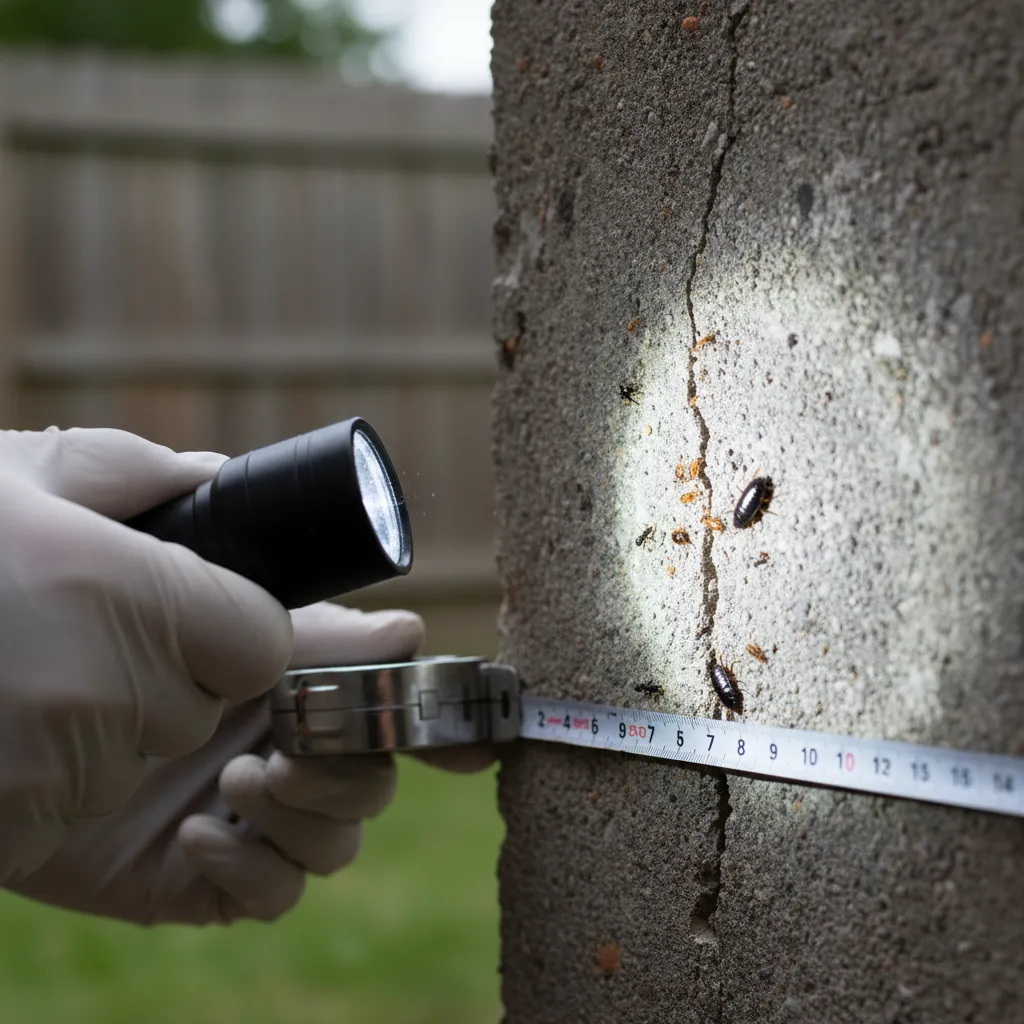
Droppings resembling black pepper, shed exoskeletons, and faint musty odors indicate established cockroach populations. Ant trails originating from electrical outlets or window frames confirm active foraging pathways requiring immediate professional assessment.
Which species of cockroaches are notoriously common in Auckland households?
Auckland households primarily battle three distinct cockroach species: the German cockroach, the Gisborne cockroach, and the American cockroach. German cockroaches dominate indoor kitchen and bathroom environments, while native Gisborne cockroaches prefer exterior bark and damp timber. American cockroaches navigate through municipal sewer systems and drainage pipes. Identifying the exact species determines the specific professional eradication methodology required for complete removal.
Structural Preferences by Species
German cockroaches require temperatures above 25°C, congregating near heat-generating appliances. Gisborne cockroaches survive in cooler 15°C environments, hiding under decaying vegetation and loose siding.
Why do over-the-counter DIY ant sprays often fail to destroy the entire colony?
Over-the-counter DIY ant sprays fail because they utilize highly repellent contact insecticides that only kill the visible foraging worker ants. This sudden worker mortality triggers a severe stress response within the hidden colony, causing the queen to accelerate egg production and split the nest into multiple new colonies. This biological defense mechanism, known as budding, exponentially worsens the original infestation.
The Danger of Colony Budding
Applying repellent sprays to Pharaoh ants or Argentine ants fractures the main colony into dozens of satellite nests. This defensive budding transforms a localized kitchen problem into a property-wide infestation requiring extensive professional remediation.
What professional-grade non-repellent gels and sprays do we use for crawling insects?
Professional exterminators utilize advanced non-repellent sprays containing Fipronil or Indoxacarb, alongside highly palatable gel baits formulated with Imidacloprid. Crawling insects cannot detect these sophisticated active ingredients, allowing them to freely carry the lethal dose directly back to their hidden harborage areas. This targeted chemical transfer effect guarantees the complete destruction of the entire breeding population, providing long-lasting protection for Henderson commercial and residential properties.
Comparing Professional vs. Retail Treatments
Professional treatments leverage slow-acting, undetectable active ingredients that exploit the social behaviors of ants and cockroaches. Retail products rely on fast-acting, highly repellent chemicals that merely scatter the infestation.
| Feature | Professional Non-Repellents | Retail DIY Sprays |
|---|---|---|
| Active Ingredients | Fipronil, Indoxacarb, Imidacloprid | Permethrin, Cypermethrin |
| Detection by Pests | Undetectable | Highly Repellent |
| Mechanism of Action | Colony Transfer (Domino Effect) | Direct Contact Kill Only |
| Residual Efficacy | 90+ Days | 7 to 14 Days |
| Eradication Rate | 99.9% Colony Destruction | 5% to 10% Forager Kill |
Frequently asked questions
How much does commercial pest control cost in Henderson?
Commercial pest control services in Henderson range from $150 for targeted localized treatments to $450+ for comprehensive quarterly maintenance programs covering large industrial facilities and food preparation areas.
Are professional pest control treatments safe for pets?
Yes, professional pest technicians apply targeted gel baits and micro-encapsulated sprays in inaccessible crevices. Once liquid treatments dry completely—typically within two hours—the treated areas are entirely safe for pets to navigate.
Do I need to empty my kitchen cupboards before an exterminator arrives?
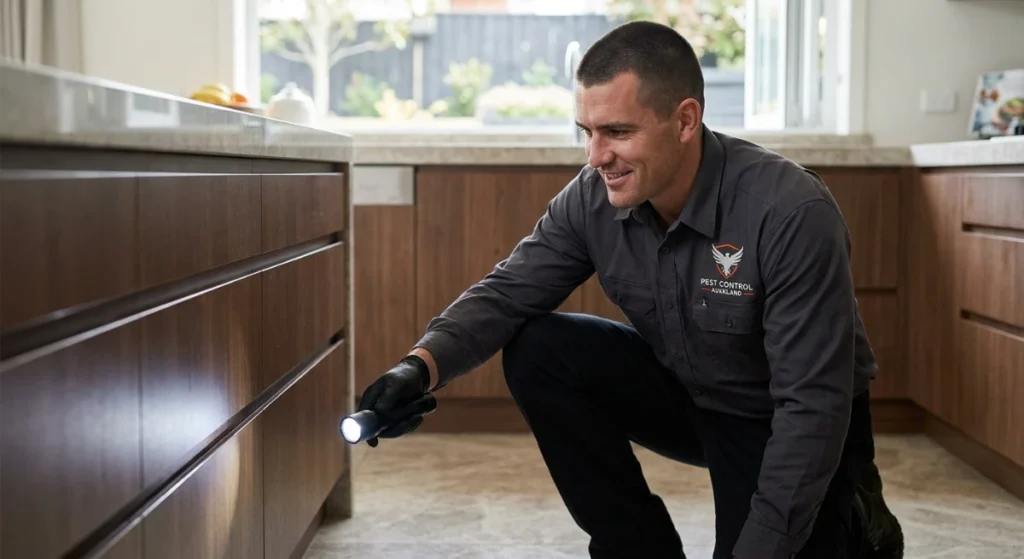
You must clear all loose food items and dishware from benchtops and lower cabinets. This preparation allows the technician unobstructed access to the structural voids and plumbing penetrations where cockroaches breed.
How often should a restaurant schedule pest control services?
Commercial food premises must schedule professional pest control inspections and preventative treatments every four to six weeks to maintain compliance with the New Zealand Food Act 2014 and prevent severe infestations.
The bottom line
Securing your commercial or residential property requires deploying targeted, non-repellent chemical solutions that eliminate hidden nests. Partnering with a certified cockroach and ant exterminator henderson ensures rapid eradication and long-term structural protection. Schedule a comprehensive site inspection today to safeguard your premises from invasive pests.