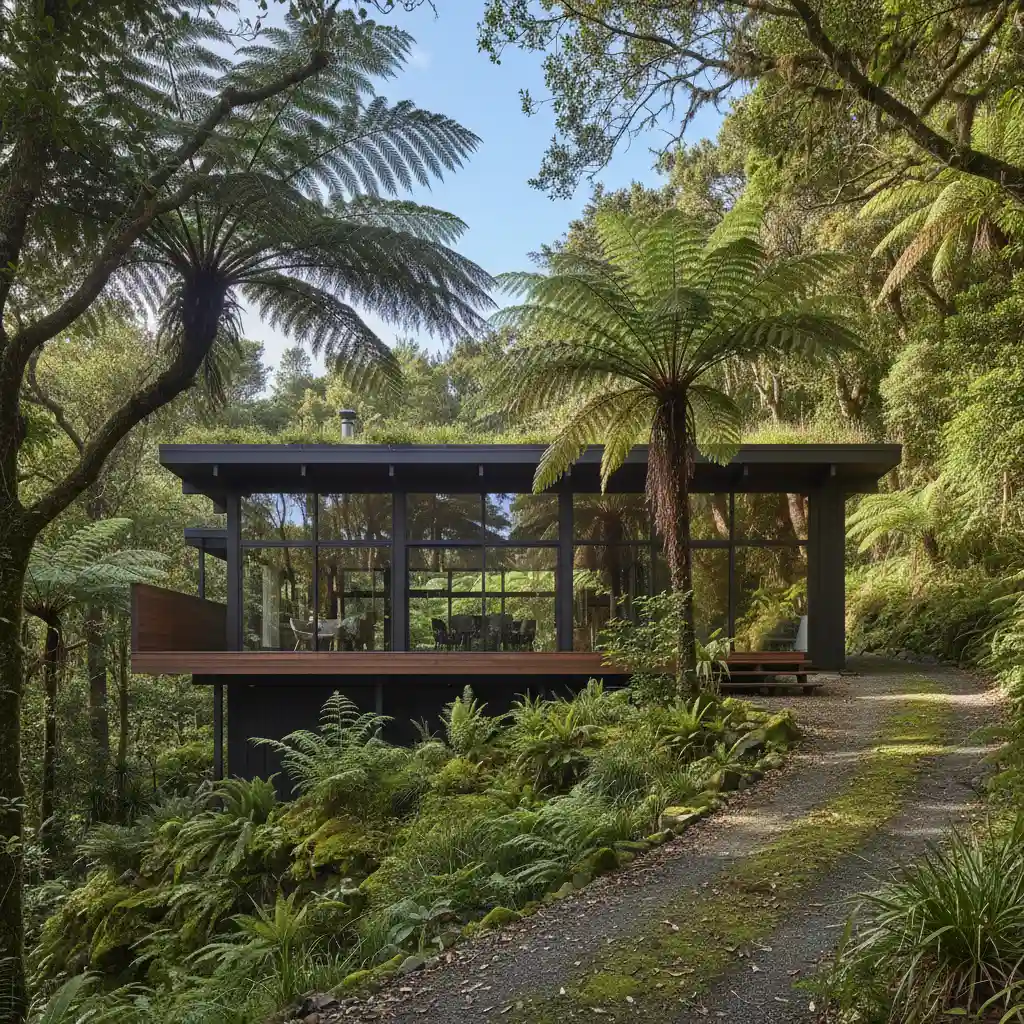
Titirangi native bush property requiring rodent control

Rodent Control Titirangi

Titirangi is renowned for its breathtaking native bush, offering residents a serene lifestyle nestled within the Waitakere Ranges. However, living in this lush canopy comes with a unique set of challenges, particularly when it comes to managing invasive pests.

In May 2026, following a mild winter and a remarkably hot summer, Auckland experienced a massive autumn pest surge. This environmental shift has driven rodents out of the bush and directly into warm, dry residential homes. Consequently, the demand for professional rodent control in Titirangi has reached unprecedented levels.

Homeowners are quickly discovering that the era of reactive, toxic spray-and-pray applications is over. As Auckland prepares to host the FAOPMA Pest Summit in July 2026, the industry has rapidly shifted toward Predictive Integrated Pest Management (IPM). This modern approach prioritizes eco-conscious interventions, digital transparency, and root-cause eradication to protect both properties and the surrounding ecosystem.

Key Takeaways

Effective rodent control Titirangi requires specialized Integrated Pest Management (IPM) to target canopy-dwelling roof rats without harming native wildlife. By using EPA-approved, eco-conscious bait stations and smart traps, professionals protect your home while supporting local conservation efforts like the Pest Free Waitākere Ranges Alliance.

Specialized Rodent Management in Titirangi

The architectural landscape of West Auckland is deeply intertwined with its natural surroundings. Homes here are often built on stilts, nestled into steep bush-clad sections, and surrounded by towering Kauri and Rimu trees. This unique topography requires a highly specialized approach to Waitakere Ranges pest control.

Generic pest control methods that work in flat, urban environments like Ponsonby or Mount Eden frequently fail in Titirangi. The dense vegetation provides endless harborage for rodents, allowing them to breed rapidly and stage incursions into residential properties. To achieve true eradication, technicians must adopt an entomological and biological approach, identifying the exact structural entry points rather than just treating the symptoms.

Titirangi native bush property requiring rodent control

The Unique Challenges of Waitakere Ranges Bush Properties

One of the most significant challenges in this region is the sheer volume of organic matter and natural food sources available to pests. Fallen seeds, fruits, and an abundance of insects create a perfect breeding ground for both Norway rats and roof rats. When temperatures drop in late autumn, these populations seek the thermal comfort of insulated walls and ceiling cavities.

Many homeowners fall into the DIY Cycle of Despair, purchasing hardware store baits and traps that ultimately prove ineffective. These over-the-counter solutions often fail because they do not address the root cause: the physical pathways rodents use to enter the home. Without sealing these entry points, new rats will simply replace the ones that were eliminated.

⚠️

Warning: The Danger of DIY Rat Baits

Hardware store rodenticides are often highly toxic and lack the safety mechanisms of professional bait stations. Improper use in bush-clad areas risks secondary poisoning of native birds and domestic pets who may consume the dying rodents.

High-Risk Zones for Roof Rats in Native Canopies

Roof rats (Rattus rattus) are aerial acrobats, making them the primary adversary for homeowners in the Waitakere Ranges. Unlike Norway rats, which prefer to burrow in the ground, roof rats live and nest in the forest canopy. Any tree branch touching or hanging over your roof acts as a direct highway into your attic space.

To effectively implement roof rat eradication, property owners must create a canopy break. This involves trimming back vegetation at least two meters from the roofline and gutters. Once the physical bridge is removed, pest control experts can focus on neutralizing the population already trapped inside the structure.

Seasonal Rodent Activity in Waitakere Ranges

Protecting Titirangi’s Native Wildlife

The Waitakere Ranges are a sanctuary for some of New Zealand’s most treasured native bird species. The presence of Kererū, Tūī, Kākā, and Ōi (grey-faced petrels) is a point of immense pride for the local community. However, these birds are highly vulnerable to the careless application of pest control products.

Professional exterminators operating in this region must balance the urgent need for pest eradication with strict environmental stewardship. This requires a deep understanding of local ecology and the use of targeted, low-emission methodologies that specifically isolate rodents while leaving non-target species unharmed.

📝

Note: Regional Eradication Successes

Following intensive, targeted pest control efforts in late 2025, rat tracking in the nearby Hūnua Ranges plummeted to just 1.3%. This proves that strategic, scientifically-backed interventions can decimate pest populations while allowing native flora and fauna to thrive.

Preventing Secondary Poisoning of Kererū and Tūī

Secondary poisoning occurs when a predator or scavenger consumes a pest that has ingested toxic bait. In Titirangi, native birds like the Morepork (Ruru) are at high risk if they hunt poisoned mice or rats. To mitigate this, modern pest control relies on advanced formulations that break down quickly or require multiple feeds, drastically reducing the toxicity in the rodent’s system at the time of death.

Furthermore, the baits used by certified professionals often incorporate specific visual and taste deterrents. For example, baits are frequently dyed blue or green and laced with cinnamon oil, which acts as a natural repellent to native birds while remaining highly palatable to rodents. This level of scientific precision is what separates professional rodent control in Titirangi from amateur attempts.

Secure eco-friendly rodent bait station in native bush

Eco-Conscious Baiting Stations and Smart Traps

The tools used in modern pest management have evolved significantly. Today, technicians utilize heavy-duty, tamper-proof bait stations that require a specialized key to open. This ensures that children, domestic pets, and curious native birds cannot access the active ingredients inside.

Additionally, the industry is seeing a surge in the adoption of IoT-enabled SMART digital traps. These devices monitor rodent activity 24/7 and send instant alerts to technicians when a trap is triggered. This not only provides real-time data on pest movements but also ensures strict compliance with the Animal Welfare Act 1999, which mandates that live-capture traps must be inspected within 12 hours of sunrise.

Community Conservation Alignment

Pest control in West Auckland is not just a private property issue; it is a community-wide conservation effort. Residents are deeply invested in restoring the ecological balance of the Waitakere Ranges, and professional pest management companies must align their services with these broader community goals.

By integrating private residential pest control with public conservation strategies, we create a unified front against invasive species. When a homeowner secures their property against rats, they are actively contributing to the survival of native seedlings and the protection of nesting birds in the adjacent reserves.

💡

Tip: Join the Local Effort

Homeowners can amplify the effects of their professional pest control treatments by joining local initiatives. Maintaining a simple, approved rat trap in your backyard helps suppress the baseline population, making your home less of a target.

Working Alongside Local Pest Free Initiatives

Organizations like the Pest Free Waitākere Ranges Alliance (PFWRA) and the South Titirangi Neighbourhood Network (STNN) are leading the charge in local conservation. Recent pilot projects involving high-density trapping grids have yielded incredible results, drastically reducing rodent numbers and allowing native bird populations to recover.

Professional pest controllers work in tandem with these groups by providing the heavy lifting for severe infestations. While community volunteers manage perimeter defense and low-density trapping, certified technicians handle complex structural infestations, hazardous roof cavity treatments, and the deployment of restricted commercial-grade solutions.

Professional pest control technician inspecting roofline for rat entry points

Operating within the Auckland pest control market requires strict adherence to New Zealand’s complex regulatory framework. Non-compliance is not merely a breach of best practices; it carries severe commercial and criminal liability. Homeowners must ensure they hire operators who are fully certified and knowledgeable about these laws.

Under the EPA HPC Notice 2017 and the HSNO Act 1996, operators handling ecotoxic substances must hold the New Zealand Certificate in Pest Operations (Level 3). This qualification guarantees that the technician understands the chemical properties of the substances they are deploying and knows how to mitigate environmental risks.

  • Animal Welfare Act 1999: Dictates strict mandates on trap usage. Glue boards are heavily restricted, and live traps must be checked daily.
  • Food Act 2014: Prohibits the use of toxic rodenticide bait in sensitive food preparation areas, requiring non-toxic monitoring instead.
  • Auckland Regional Pest Management Plan: Enforces rules on pathway management to prevent the spread of pests to sensitive areas like the Hauraki Gulf.

Check/Action: Landlord Compliance

If you are a landlord in Titirangi, ensure you hire a certified professional who provides detailed service reports. This documentation is crucial for satisfying Tenancy Tribunal requirements and proving you have met your obligations under the Healthy Homes standards.

Professional IPM vs. DIY Solutions

When facing a rodent infestation, the initial instinct for many is to visit the local hardware store. However, the true cost of DIY pest control often far exceeds the price of professional intervention. Repeatedly buying ineffective baits, replacing chewed wiring, and dealing with the stress of persistent scratching noises takes a massive toll.

Professional rodent control Titirangi services offer transparent, upfront pricing and long-term guarantees. By shifting to subscription-based annual home protection plans, homeowners can secure their properties year-round, preventing infestations before they occur and saving money in the long run.

Feature DIY Hardware Solutions Professional IPM Service
Root Cause Analysis None (Treats symptoms only) Comprehensive structural inspection
Safety for Pets & Birds High risk of secondary poisoning Tamper-proof stations & targeted baits
Long-Term Effectiveness Low (Requires constant reapplication) High (Seals entry points, breaks breeding cycle)
Average Cost (3-Bed Home) $50 – $100 (Ongoing indefinitely) $155 – $325 (Guaranteed results)

Ultimately, investing in expert intervention is an investment in the health of your family, the integrity of your property, and the preservation of the Waitakere Ranges. As the Auckland market evolves, demanding higher standards and greener solutions, certified professionals are ready to deliver peace of mind.

Frequently Asked Questions

How much does rodent control in Titirangi cost?
For a standard 3-bedroom home in Auckland, professional rodent treatments typically range from $155 to $325. This pricing usually includes a full property inspection, the deployment of secure bait stations, and a guarantee on the eradication of the current infestation.
Are the rat baits safe for my pets and native birds?
Yes, when applied by a certified professional. Experts use tamper-proof bait stations that dogs and cats cannot access. Additionally, the specific baits used are formulated to minimize the risk of secondary poisoning to native birds like the Kererū and Tūī.
Why are there so many roof rats in the Waitakere Ranges?
Roof rats thrive in the dense native canopy of the Waitakere Ranges because it provides abundant food sources (seeds, fruits, insects) and safe nesting sites off the ground. When the weather cools, they use overhanging branches to access the warm roof cavities of residential homes.
What are the legal requirements for trapping rats in Auckland?
Under the Animal Welfare Act 1999, any live-capture traps must be physically inspected within 12 hours after sunrise every day to prevent unnecessary suffering. Snap traps must be designed to kill instantly, and the use of glue boards is heavily restricted in New Zealand.
How does weather affect rodent activity in West Auckland?
Weather plays a massive role. A hot summer allows rodent populations to breed prolifically in the bush. When autumn arrives and temperatures drop, this massive population seeks shelter and warmth, leading to a sudden surge of home invasions during the cooler months.
Can I use glue boards for rats in New Zealand?
No, the use of glue boards for rodents is heavily restricted and generally prohibited for public use under New Zealand animal welfare regulations. They are considered inhumane. Professionals use instant-kill mechanical traps or highly regulated, targeted baiting systems instead.

Leave a Comment

Your email address will not be published. Required fields are marked *

Scroll to Top