Running a hospitality business in Auckland right now means competing in a massive $15.99 billion industry. But with that economic growth comes the relentless, unyielding scrutiny of an Auckland Council health inspector. I’ve walked into hundreds of commercial kitchens across this city, and I can tell you exactly where they fail. Most operators think a quick wipe down of the stainless bench at closing time is enough to pass a Ministry for Primary Industries (MPI) audit. It isn’t.
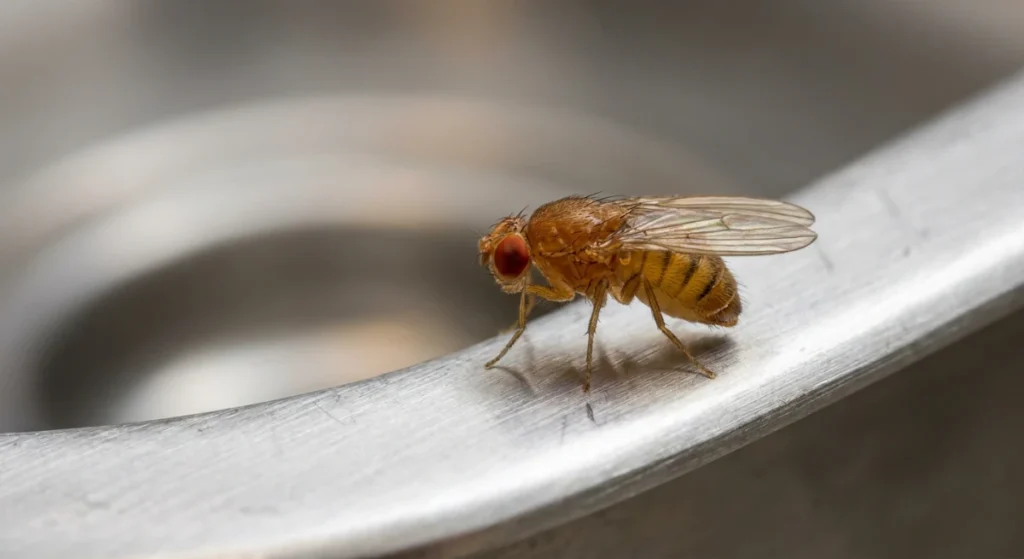
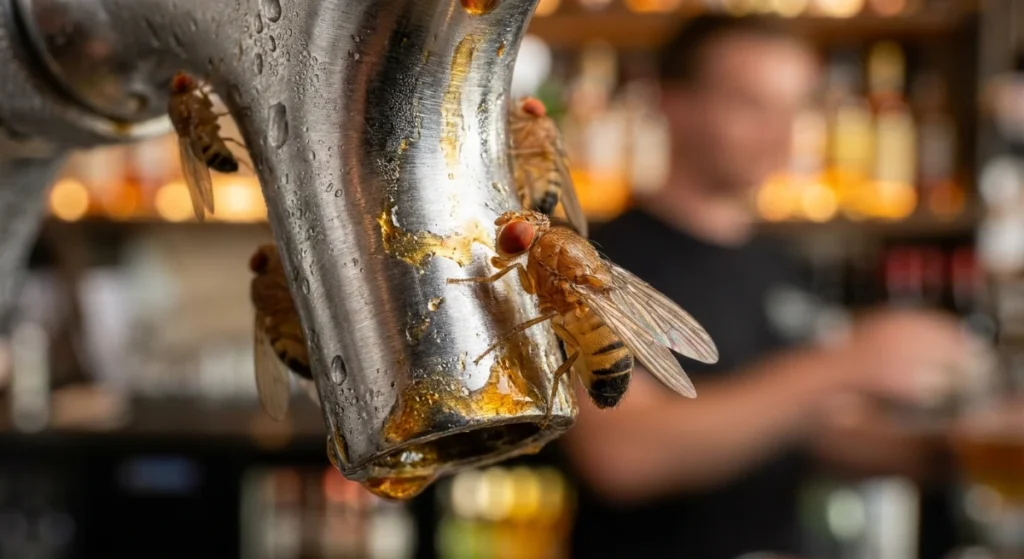
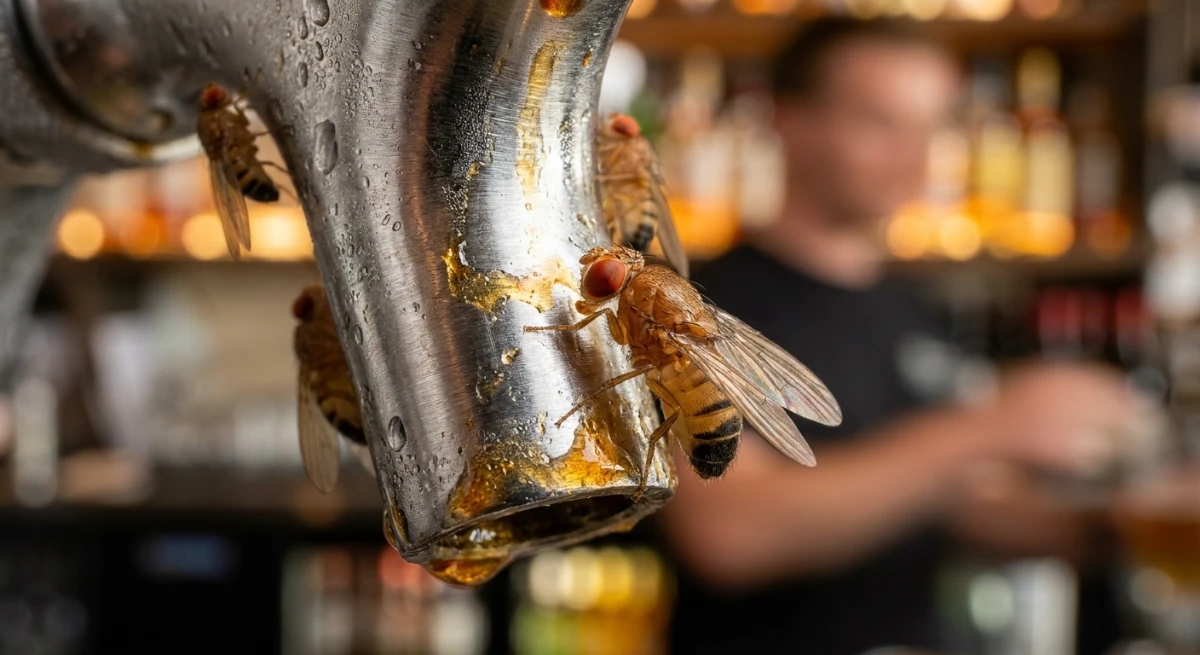
When the autumn temperatures drop, as we’re seeing right now in May 2026, pests push aggressively indoors. A single fruit fly hovering over your beer taps or espresso machine isn’t just a minor annoyance. It is a massive red flag to your customers, and it is the exact indicator an inspector looks for to dig deeper into your hygiene practices. When trying to get rid of fruit flies central auckland hospitality owners need to stop relying on cheap hardware store sprays and start looking at their plumbing.
The era of reactive, toxic “spray and pray” applications is dead. You cannot blast airborne chemicals around food preparation areas without violating the Food Act 2014. We approach this problem with an entomological mindset. We don’t just treat the symptoms; we find the root cause, destroy the breeding cycle, and future-proof your venue.
Key Takeaways
To get rid of fruit flies central auckland businesses must abandon reactive chemical sprays. True eradication requires a Level 3 certified technician to implement an Integrated Pest Management (IPM) plan, targeting organic buildup in drains and drip trays to ensure strict Food Act 2014 compliance.
Fruit Fly Eradication for Central Auckland Hospitality
The Food Act 2014 fundamentally changed how pest control operates in New Zealand’s food sector. The old days of a guy walking in with a pump sprayer and blindly dousing your kitchen are completely over. Today, commercial food sector pest control strictly prohibits the use of toxic, airborne chemicals in sensitive food preparation areas.
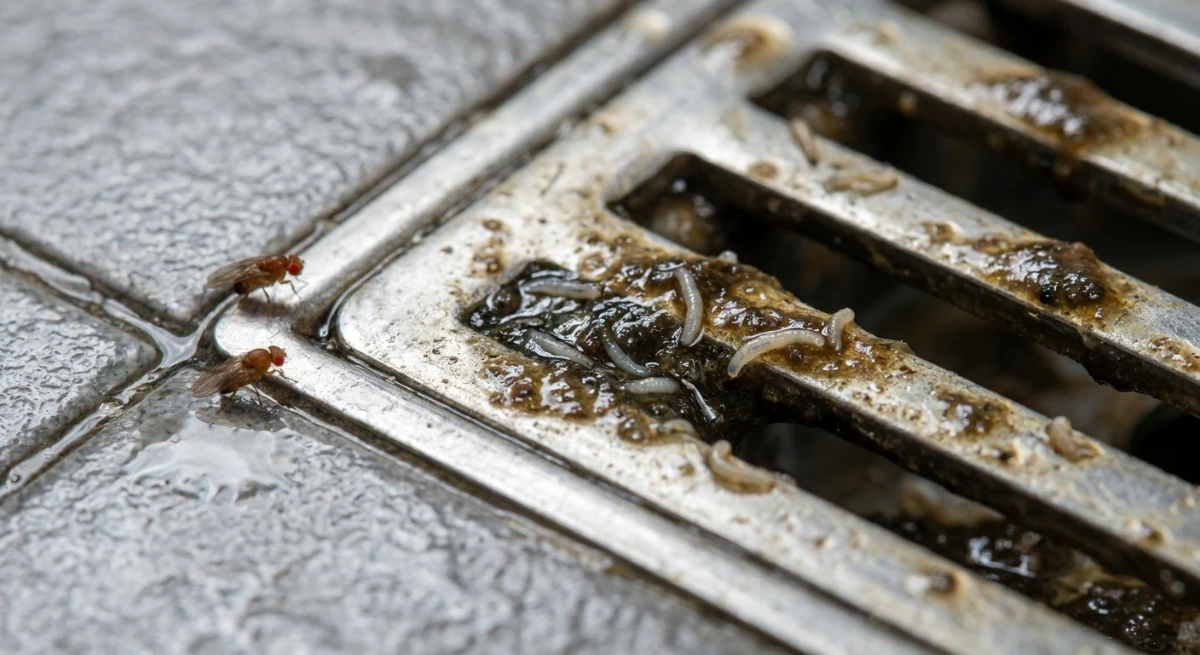
Fruit flies do not care about your surface-level cleaning routine. They breed in the microscopic amounts of fermenting sugar left inside your floor drains, mop buckets, and cracked floor grout. A single female can lay up to 500 eggs in her short lifetime, usually directly into the slimy organic biofilm that coats your plumbing.
Within seven days, those eggs hatch, pupate, and explode into a full-blown infestation that directly threatens your hygiene rating. If you are serious about needing to get rid of fruit flies central auckland health inspectors expect to see a documented, non-toxic monitoring system in place. They want proof that you are managing the structural risks, not just spraying the air.
Servicing the CBD, Ponsonby, and Newmarket
Central Auckland is a pressure cooker for hospitality operators. You are dealing with high-density buildings, shared alleyway dumpsters, and ancient, complex plumbing systems. When the cafe next door has a pest problem, it quickly becomes your problem too.
I see this constantly in Ponsonby and Newmarket. You might run a spotless kitchen, but if the shared grease trap in the basement isn’t maintained, fruit flies will find their way up your pipes. You need a defense system that accounts for your neighbors’ poor habits just as much as your own.
Pouring bleach down the sink will not solve a fruit fly problem. Bleach glides right over the protective organic biofilm where these insects lay their eggs. You are just giving them a highly sanitized breeding ground.
High-Density Challenges in Urban Bars and Cafes
Urban bars face unique challenges because of the sheer volume of sugar and yeast they handle daily. Keg rooms, soda gun holsters, and espresso drip trays are absolute magnets for these pests. Even a tiny, unnoticed syrup spill under a heavy commercial fridge can sustain a breeding colony for months.
The humidity inside a busy Auckland kitchen accelerates this life cycle. By the time you notice a few flies buzzing around the pass, there are thousands of larvae thriving in your floor drains. You have to break the cycle at the larval stage.
If an MPI auditor finds active fruit fly breeding sites or illegal toxic sprays next to your food prep areas, you are facing immediate closure and an E-grade rating. Compliance requires proactive, documented IPM by a Level 3 qualified contractor.
Discreet, After-Hours Pest Management
In the hospitality game, perception is everything. You cannot have a technician in a high-vis vest and a respirator walking through your dining room at 7:00 PM on a Friday. It kills the vibe, alarms your customers, and ruins your reputation instantly.
We understand the operational realities of Auckland’s hospitality sector. That is why we do not disrupt your service. We operate entirely in the background, working with your schedule to ensure zero friction.
Zero Disruption to Your Patrons and Operations
Our treatments are scheduled after your last patron leaves or before your morning prep crew arrives. We use zero-emission, highly targeted treatments that leave no chemical odors behind. Your staff won’t even know we were there.
By deploying our systems to get rid of fruit flies central auckland managers don’t have to worry about airing out the kitchen the next day. You just unlock your doors, turn on the coffee machine, and get back to making money without missing a beat.
Long-Term Integrated Pest Management (IPM) Subscriptions
Reactive pest control is a complete waste of your money. Calling us only when you see a swarm means the infestation has already been breeding in your walls and drains for weeks. The modern standard is Predictive Integrated Pest Management (IPM).
With the FAOPMA Pest Summit hitting Auckland in July 2026, the entire industry is shifting toward smarter, digital-first solutions. We lock down your premises with ongoing monitoring, catching the problem before it multiplies and hits your bottom line.
Monthly Drain Maintenance and Trap Monitoring
To permanently get rid of fruit flies central auckland establishments need bio-enzymatic drain treatments. Instead of harsh chemicals, we use specialized live enzymes. These enzymes literally eat the organic matter and biofilm in your pipes, destroying the breeding ground entirely.
We pair this biological approach with discreet LED insect light traps (ILTs) and food-grade attractant traps. These give us hard data on pest activity levels. We log all of this data in your compliance binder, providing absolute proof to the health inspector that you are in control.
| Method | Eradication Focus | Food Act 2014 Compliant? | Long-Term Result |
|---|---|---|---|
| Hardware Store Bug Bombs | Airborne adults only | No (Toxic residue risk) | Flies return in 7 days |
| Bleach in Drains | Surface sanitization | Yes, but ineffective for pests | Biofilm remains, breeding continues |
| Bio-Enzymatic IPM | Larvae and breeding biofilm | Yes (100% Audit Ready) | Permanent eradication |
Our “Auckland Winter Defense” subscription plans take the guesswork out of compliance. We handle the scheduling, the documentation, and the physical eradication. You focus on running your business.
Secure Your Central Auckland Business Today
Don’t let a microscopic pest threaten your multi-million dollar hospitality investment. The autumn pest surge is here, and the Auckland Council health inspectors are not cutting anyone any slack. A single bad review about bugs in your venue can cost you thousands in lost revenue.
Stop guessing and start protecting your business. We provide a full structural and entomological audit to locate every single breeding site in your venue, backed by our Silver Bullet Guarantee.
We back our work with the Silver Bullet Guarantee. We fix the root cause, we document everything for your compliance binder, and we keep your kitchen running seamlessly. Give us a call, and let’s get it sorted.
Frequently Asked Questions

About the Author: Ronnie
Founder, Pest Control Auckland · Commercial & Residential Pest Expert · Certified Urban Pest Management Specialist
With years of experience navigating the strict compliance requirements of the Food Act 2014, Ronnie is the definitive expert to write about how to Get Rid of Fruit Flies Central Auckland. Having consulted for top-tier hospitality venues across Ponsonby and the CBD, he specializes in designing zero-emission Integrated Pest Management (IPM) systems that keep commercial kitchens audit-ready and completely pest-free.