Urban sprawl is rapidly encroaching on natural habitats, forcing wildlife into our backyards, attics, and commercial spaces. As these boundaries blur, property owners face a critical choice when dealing with unexpected animal guests. The outdated approach of immediate lethal control is swiftly being replaced by more ethical, scientifically backed methods. Today, Humane Wildlife Relocation stands at the forefront of modern pest management, balancing human safety with animal welfare.
Dealing with wildlife intrusions requires more than just setting a trap and hoping for the best. It demands a deep understanding of animal biology, regional legislation, and environmental ecosystems. Property owners are increasingly seeking sustainable solutions that prevent future infestations rather than just applying a temporary fix. This shift in mindset has elevated the standards of the entire pest control industry.
Whether you are dealing with nesting birds in your eaves or nocturnal mammals in your ceiling, the methodology matters immensely. Implementing Humane Wildlife Relocation ensures that ecosystems remain balanced while protecting your property from structural damage and health risks. Let us explore the essential standards, safe trapping protocols, and professional strategies that define ethical wildlife management today.
Key Takeaways
Humane Wildlife Relocation prioritizes non-lethal trapping and safe environmental release to resolve human-wildlife conflicts. Professional yard services ensure legal compliance, minimize animal stress, and implement long-term exclusion strategies. Understanding regional laws, species-specific behaviors, and utilizing modern integrated pest management is essential for successful, ethical wildlife control.
Safe Trapping and Relocation of Wildlife
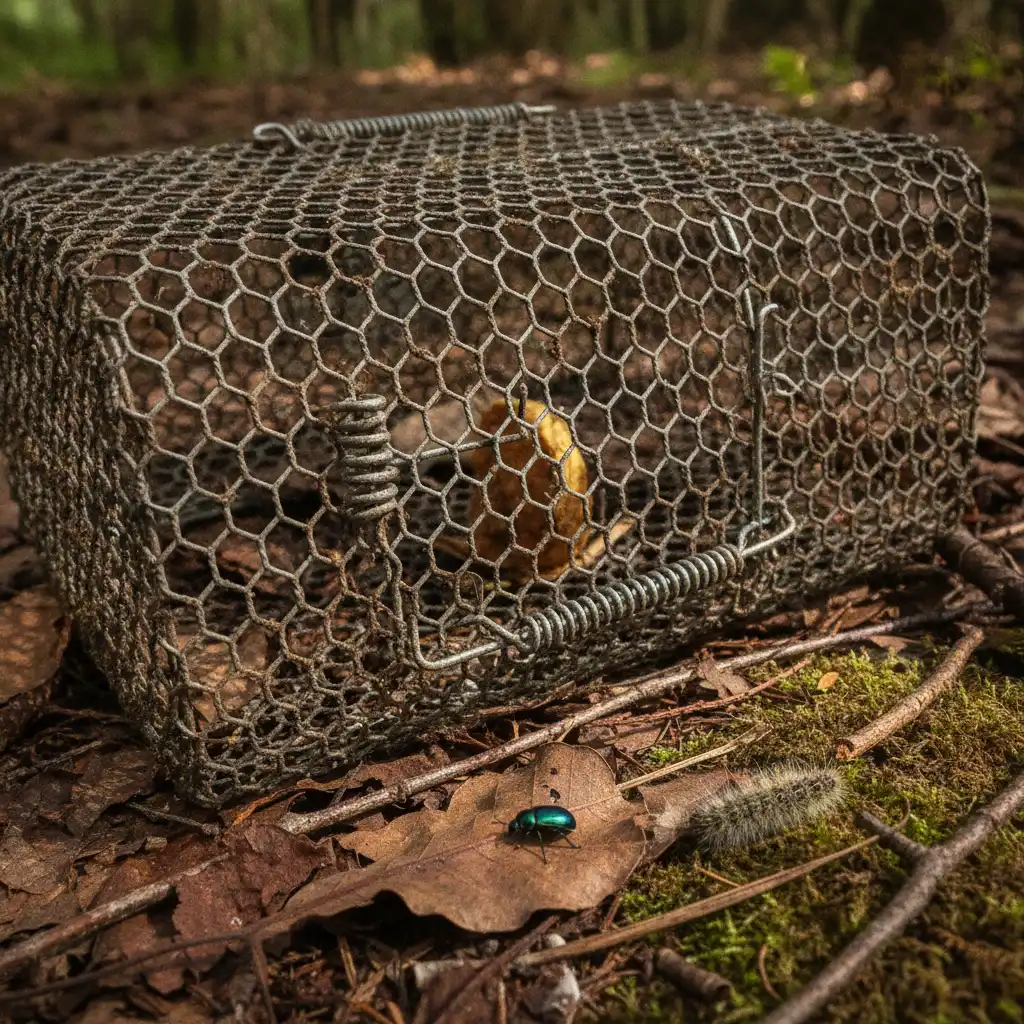
The foundation of any ethical pest management program relies heavily on the safe trapping and relocation of non-target wildlife. This process is highly intricate, requiring specialized equipment to prevent injury to the animal. Modern live-catch traps are designed with smooth interior edges and calibrated trip plates that trigger only when the target weight is reached. This precision engineering significantly reduces the risk of accidental bycatch, protecting native lizards, non-venomous snakes, and domestic pets.
Birds often present a unique challenge, particularly during nesting seasons. Many native bird species are protected under strict environmental conservation laws, meaning their nests cannot be disturbed until the fledglings have naturally departed. When intervention is legally permissible, professionals utilize soft-netting techniques and one-way exclusion doors. These tools allow birds to exit a structure safely but prevent them from re-entering, naturally encouraging them to relocate without direct physical handling.
Releasing an animal too far from its original territory can lead to starvation or territorial disputes with other wildlife. Professionals calculate the exact optimal distance for each specific species based on local regulations.
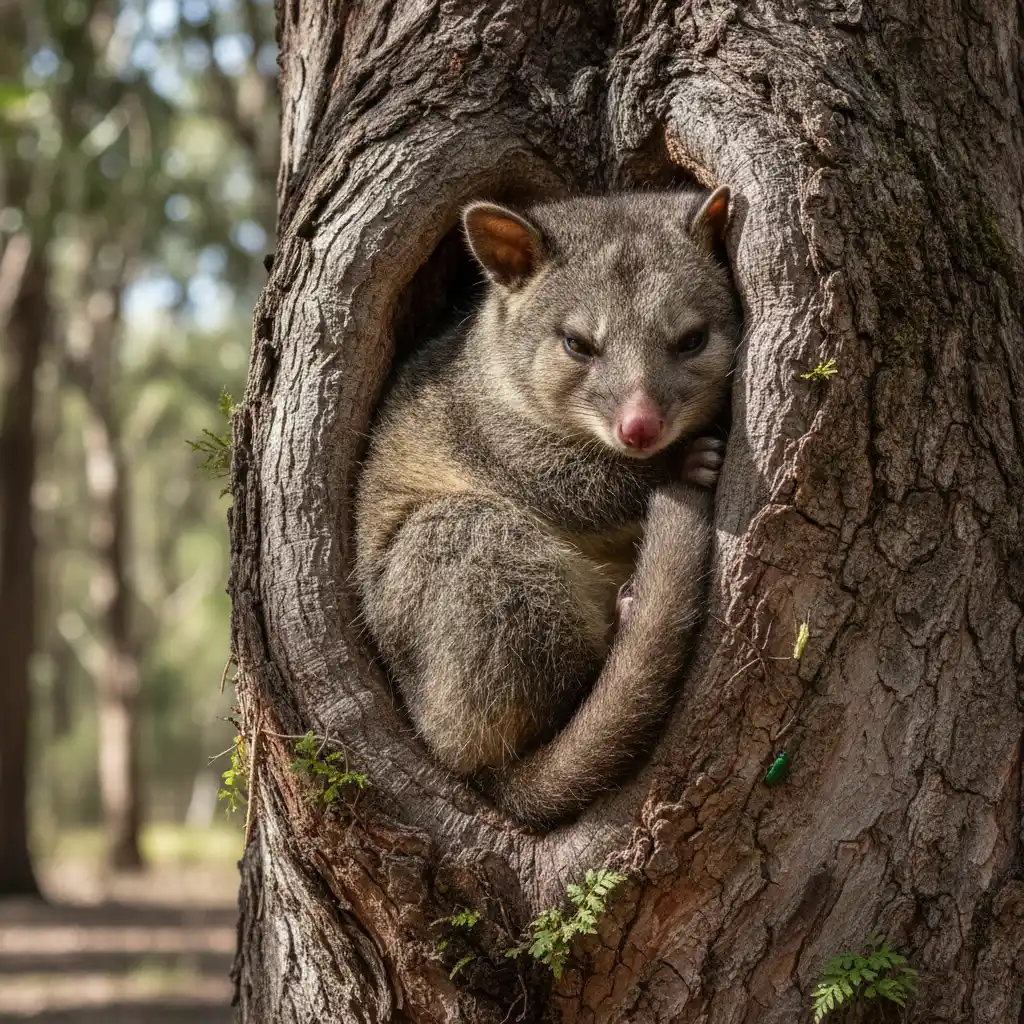
When discussing Humane Wildlife Relocation, possums present a fascinating case study in regional legislation and ecological impact. In Australia, brushtail possums are a protected native species, meaning strict laws govern their handling. Wildlife professionals in Australia must release them within a very short distance of the capture site, typically under 50 meters, to ensure they remain in their known territory and survive.
Conversely, the situation in New Zealand is drastically different. Introduced in 1837 to establish a fur trade, possums have become one of the most destructive invasive pests to native forests and birdlife. Under New Zealand law, it is illegal to possess, catch, or release a live possum. In these specific jurisdictions, humane control requires rapid, ethical euthanasia on-site rather than relocation, highlighting why local knowledge is absolutely paramount.
Always verify local environmental laws before attempting to move an animal. In many jurisdictions, relocating certain invasive species is strictly prohibited and carries heavy financial penalties.
Why Choose Our Professional Yard Services
Attempting a do-it-yourself approach to wildlife removal often results in recurring infestations and unnecessary stress for the animal. When you choose our professional yard services, you are investing in a comprehensive Integrated Pest Management (IPM) strategy. This holistic approach goes far beyond simply setting a trap in the garden. It involves a meticulous inspection of your property to identify the root causes of the wildlife intrusion, such as accessible food sources or structural vulnerabilities.
Our professional yard services utilize cutting-edge equipment, including IoT-enabled smart traps that send instant notifications upon capture. This technology ensures that animals spend the absolute minimum amount of time confined, drastically reducing the risk of capture myopathy—a fatal condition caused by extreme stress. Furthermore, our technicians are trained in advanced animal behavior, allowing them to place traps in optimal, shaded locations that protect the animal from the elements.
Trim tree branches at least three meters away from your roofline. This simple step drastically reduces the ability of agile animals to access your attic or eaves, acting as a natural deterrent.
Exclusion is the most critical phase of our professional yard services. Once the target animal has been safely removed, technicians fortify the property using heavy-duty, chew-proof materials like galvanized steel mesh and specialized sealants. This guarantees that new wildlife cannot exploit the same entry points. We also focus on environmental decontamination, safely removing biological waste that could attract secondary pests or pose respiratory risks to your family.
Ensure your chosen provider utilizes species-specific baits, offers structural exclusion repairs, and holds valid environmental permits for handling protected native wildlife.
Key Metrics & Essential Standards
The demand for Humane Wildlife Relocation is reflected in the rapid growth of the global market. Homeowners and businesses alike are recognizing the long-term value of ethical pest management over short-term lethal fixes. According to recent industry data, the global pest control market reached USD 26.8 Billion in 2025 and is projected to surge to USD 38.2 Billion by 2034. This growth is heavily driven by stricter animal welfare regulations and a rising consumer preference for eco-friendly solutions.
Success rates in wildlife management are heavily dependent on the methodology employed. Studies consistently show that properties utilizing professional exclusion and humane trapping experience a 90% lower re-infestation rate compared to those relying on DIY trapping alone. The essential standards of the industry now dictate that any relocation effort must be paired with habitat modification to be considered a permanent solution.
To understand why professional intervention is the industry standard, it is helpful to compare the outcomes of different approaches. DIY methods often lack the necessary follow-through, leading to continuous cycles of trapping. Professionals, however, adhere to strict ethical guidelines and utilize commercial-grade materials that withstand the test of time and weather.
| Feature | DIY Trapping | Professional Services |
|---|---|---|
| Legal Compliance | High risk of violating local wildlife laws | Fully permitted and legally compliant |
| Animal Welfare | Often causes stress or injury to the animal | Prioritizes low-stress, humane handling |
| Long-Term Success | Low (animals often return or are replaced) | High (includes structural exclusion) |
| Safety Risks | Risk of bites, scratches, and disease transmission | Technicians use advanced PPE and safety protocols |
Service Bookings & Quotations
Understanding how quotes are structured is vital for property owners seeking reliable wildlife management. A transparent quotation process begins with a thorough on-site inspection. During this initial phase, technicians assess the severity of the infestation, identify the specific species involved, and map out all potential entry and exit points. This detailed assessment ensures that the proposed solution is tailored exactly to your property’s unique vulnerabilities.
Pricing for professional yard services is influenced by several key factors. These include the complexity of the trapping required, the height and accessibility of the roofline, and the extent of the exclusion repairs needed. Because every property is different, flat-rate pricing is rarely applicable in ethical wildlife management. Instead, quotes are itemized to provide full transparency regarding labor, materials, and specialized equipment.
- Initial Inspection: Comprehensive property assessment to identify species and entry points.
- Trapping & Relocation: Deployment of humane, species-specific traps and legal relocation services.
- Structural Exclusion: Sealing gaps, installing one-way doors, and reinforcing vulnerable areas.
- Sanitization: Safe removal of biological waste and application of enzymatic cleaners.
Investing in professional Humane Wildlife Relocation ensures peace of mind and strict legal compliance. Reputable service providers will also offer warranties on their exclusion work, guaranteeing that the sealed entry points will remain secure against future animal intrusions. By prioritizing quality materials and expert knowledge, property owners can permanently resolve wildlife conflicts while respecting the natural environment.