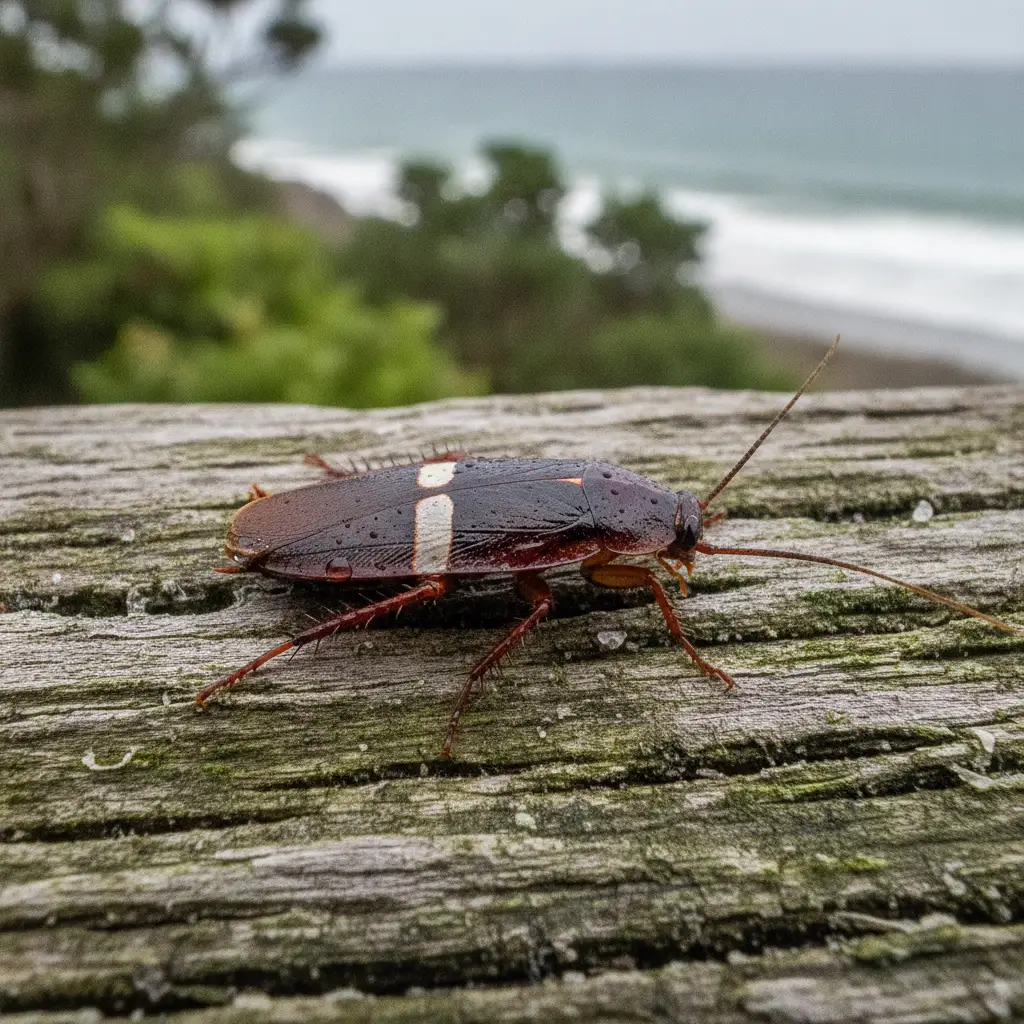
Albany has rapidly transformed into one of Auckland’s most dynamic commercial and residential hubs. This massive urban expansion brings immense economic opportunities, but it also disrupts local ecosystems and displaces native wildlife. As new housing developments and commercial parks replace natural habitats, an unexpected consequence has emerged: a significant surge in urban pest activity.
From Norway rats seeking refuge in newly built subdivisions to Argentine ants marching through modern office spaces, the local environment is shifting. Property owners are facing new challenges as these highly adaptable creatures integrate into human environments. Understanding the behavioral patterns of these invaders is the first step toward reclaiming your space.
When researching Albany pest control, property owners quickly realize that traditional, reactive measures are no longer sufficient. Modern infestations require a deep understanding of local climate trends, building structures, and integrated management techniques. A proactive approach is essential for maintaining safe, hygienic, and structurally sound properties year-round.
Key Takeaways
Effective Albany pest control requires proactive, year-round strategies rather than reactive treatments. With Auckland’s urban expansion driving pests like rodents and cockroaches indoors, property owners must prioritize exterior yard management, structural exclusion techniques, and professional inspections to protect both residential and commercial spaces.
Introduction to Albany Pest Control
New Zealand’s climate provides an ideal breeding ground for a variety of invasive species. In the North Shore region, mild winters and humid summers allow insect populations to thrive almost uninterrupted. This climatic advantage means that pests rarely experience a natural die-off during the colder months.
As a result, local ecosystems are under constant pressure from foraging rodents and colonizing insects. The construction of new commercial centers in Albany has further disturbed the soil, sending subterranean pests searching for new shelter. Consequently, nearby residential neighborhoods often bear the brunt of these migrations.
Implementing a robust defense strategy is no longer optional for property owners. Relying on outdated methods often leads to cyclical infestations, where pests return stronger and more resilient. A modernized approach focuses on biological understanding, environmental management, and targeted interventions.
Residential and Commercial Pest Management in the Albany Area
The pest pressures faced by homeowners differ significantly from those encountered by commercial enterprises. In residential settings, the primary concern is usually the health and safety of families and pets. Common invaders like house mice, German cockroaches, and argentine ants are frequently found in kitchens and wall voids.
Commercial spaces, however, face strict regulatory compliance and the risk of severe reputational damage. A single rodent sighting in an Albany restaurant or warehouse can trigger health code violations and immediate closures. Therefore, commercial management requires intensive monitoring, documentation, and zero-tolerance thresholds.
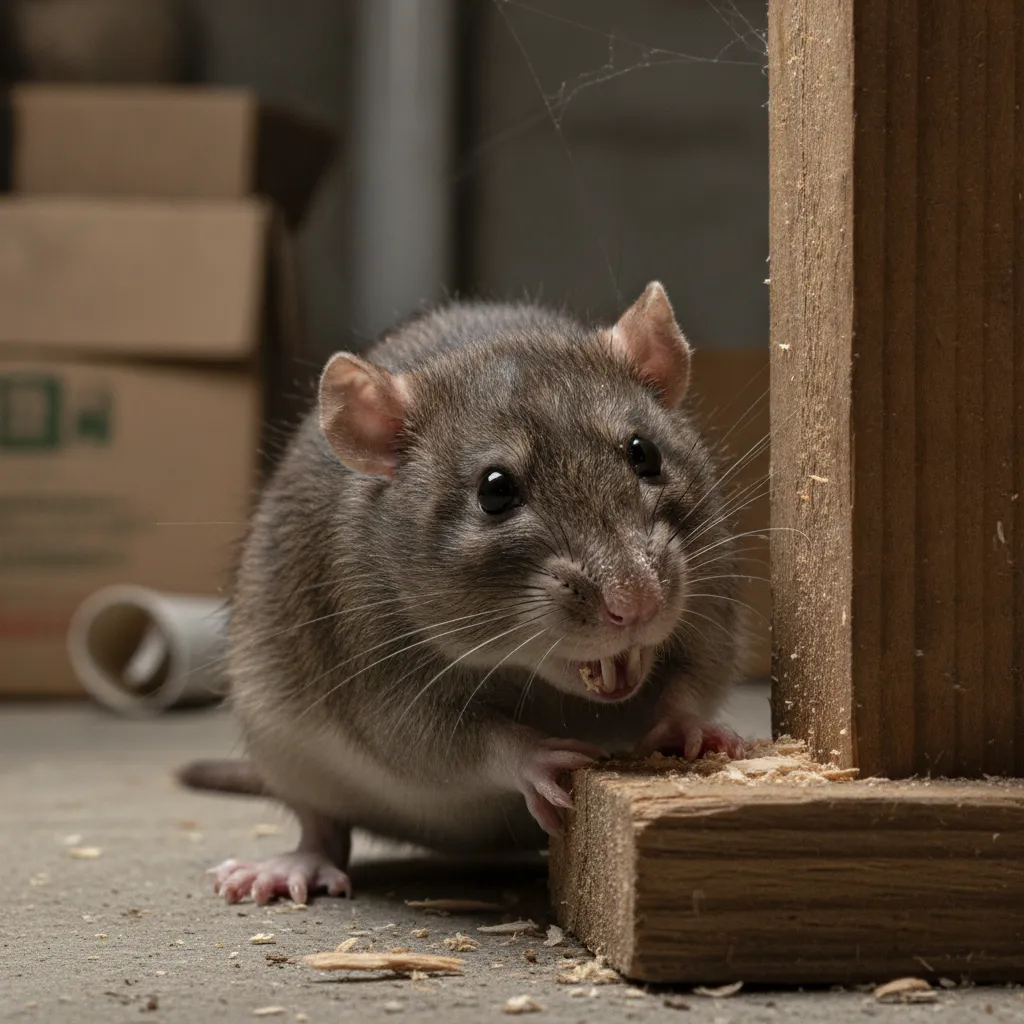
Data from recent years highlights a concerning upward trend in pest activity across the Auckland region. Warmer autumns are extending the breeding seasons for many insect species, while winter rains drive rodents indoors earlier than expected. Analyzing these trends is vital for anticipating surges and deploying preventative measures.
Both residential and commercial properties benefit immensely from Integrated Pest Management (IPM). This methodology prioritizes non-chemical solutions, such as sealing entry points and eliminating moisture sources, before applying targeted treatments. It ensures long-term efficacy while minimizing environmental impact.
Local regulations strongly encourage the use of traps over toxins in highly populated areas to reduce environmental contamination and protect non-target native species like birds and lizards.
Why Choose Professional Yard Services
Many property owners mistakenly believe that pest control begins at the front door. In reality, the exterior landscape acts as the primary staging ground for an infestation. Overgrown vegetation, unmanaged compost bins, and standing water create perfect micro-habitats for breeding.
This is why comprehensive Albany pest control strategies must include professional yard management. By addressing the perimeter of the property, you effectively push the defensive line outward. Trimming branches away from the roofline removes natural bridges that roof rats use to access attics.
Furthermore, dense ground cover and accumulated leaf litter provide ideal harborage for spiders and ants. Regular yard maintenance disrupts these nesting sites and exposes pests to natural predators and the elements. It is a critical component of environmental modification.
| Management Approach | DIY Yard Maintenance | Professional Yard & Pest Services |
|---|---|---|
| Identification | Often misidentifies pest species and nesting sites. | Accurate biological identification and habitat mapping. |
| Treatment Method | Broad-spectrum, over-the-counter sprays. | Targeted exclusion, habitat disruption, and specific baits. |
| Long-Term Efficacy | Low; pests typically return within weeks. | High; focuses on breaking the breeding cycle permanently. |
Professional technicians are trained to spot subtle signs of activity that the untrained eye misses. They understand the specific soil conditions and plant varieties that attract local pests. By combining horticultural knowledge with pest behavior science, they create an inhospitable barrier around your home.
Key Metrics & Essential Standards
The foundation of reliable Albany pest control lies in strict adherence to industry metrics and safety standards. In New Zealand, the management of hazardous substances is heavily regulated to protect public health and native biodiversity. Any application of chemical treatments must follow precise dosage and placement guidelines.
One of the most critical metrics is the reduction rate of the target population over a specific timeframe. Professionals do not simply aim to kill visible pests; they measure the decline in overall activity using tracking tunnels and bait consumption data. This empirical approach ensures that the entire colony or nest is effectively eradicated.
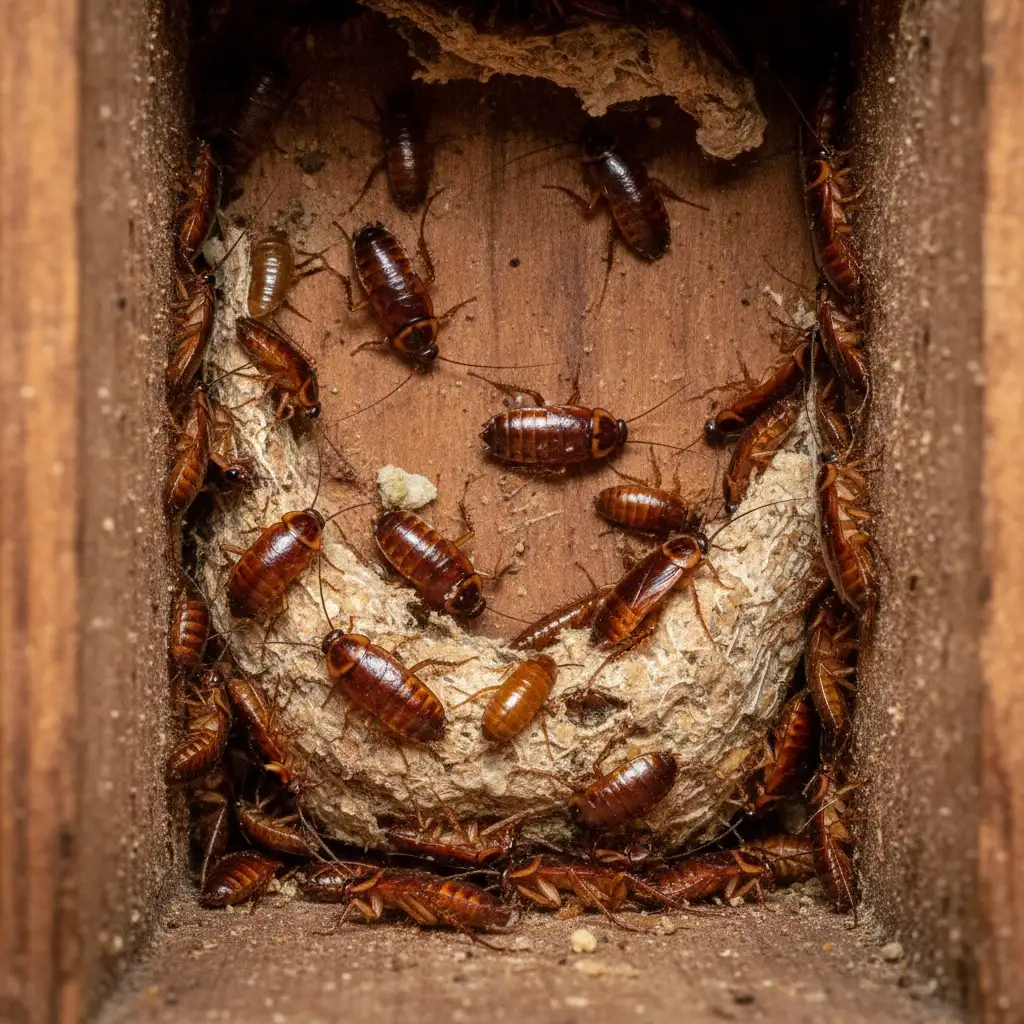
Safety Data Sheets (SDS) are another essential standard in the industry. These documents detail the chemical composition, potential hazards, and safe handling procedures for all substances used on a property. Transparency regarding these materials is a hallmark of ethical and compliant pest management.
Improper use of over-the-counter rodenticides can lead to secondary poisoning. When native birds or household pets consume a poisoned rodent, they can suffer fatal consequences. Always rely on secured, tamper-proof bait stations.
Furthermore, technicians must maintain thorough service records, documenting the exact locations of traps and the specific active ingredients deployed. This data is vital for commercial food premises that undergo strict health and safety audits. Without accurate metrics, achieving long-term compliance is impossible.
Service Bookings & Quotations
Understanding how to properly evaluate an Albany pest control quotation empowers property owners to make informed decisions. A professional service booking should be entirely transparent, leaving no ambiguity about the scope of work. Vague estimates often lead to hidden costs and incomplete treatments.
When reviewing a quotation, the first element to verify is the inclusion of a comprehensive initial inspection. Reliable providers will not quote a final price for complex infestations without first assessing the property in person. This inspection dictates the customized strategy required for your specific situation.
- Detailed Scope of Work: The quote must list the exact target species and the specific areas of the property to be treated.
- Treatment Methodology: It should clearly state whether the approach relies on physical trapping, chemical baits, or structural exclusion.
- Follow-Up Visits: Severe infestations, particularly bed bugs or German cockroaches, require multiple visits to break the egg cycle.
- Warranty and Guarantees: Look for clear terms regarding what happens if the pests return within a specified timeframe.
Additionally, property owners should assess the credentials of the technicians assigned to the booking. Certifications from recognized New Zealand authorities demonstrate a commitment to ongoing education and safety standards. An informed consumer is the best defense against substandard service.
Before accepting any quotation, ensure the provider has included a detailed breakdown of the Integrated Pest Management (IPM) steps they will take, including post-treatment exclusion advice to prevent future issues.
Finally, consider the communication style of the provider during the booking process. Professional organizations prioritize educating their clients on prevention techniques and post-treatment care. A transparent, consultative approach usually indicates a high level of operational integrity.