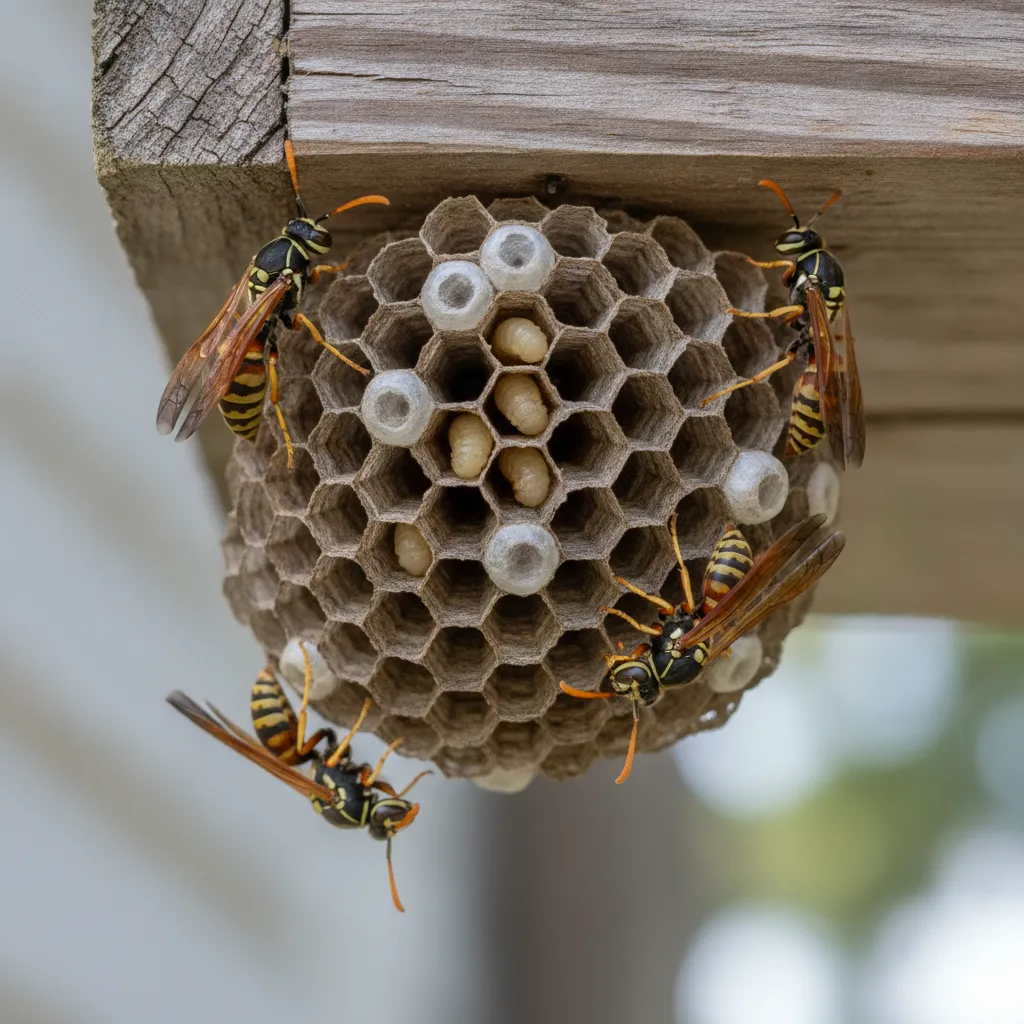
Imagine waking up to the faint, unsettling sound of scratching in your walls, or discovering a silent army of ants marching across your pristine kitchen counters. For millions of homeowners, this nightmare becomes a reality simply because they waited for a visible infestation before taking action. Pests do not operate on a convenient schedule; they are relentless, opportunistic survivors that exploit every seasonal vulnerability in your home’s exterior.
This is precisely where comprehensive Annual Protection Plans shift the dynamic from desperate reaction to impenetrable defense. By establishing a continuous, year-round barrier, you eliminate the environmental conditions that allow pest populations to thrive in the first place. Proactive management is no longer a luxury; it is a fundamental aspect of responsible property maintenance.
Key Takeaways
Annual Protection Plans offer continuous, year-round pest monitoring and prevention, stopping infestations before they start. Unlike reactive treatments, annual strategies provide seasonal perimeter defense, significant long-term cost savings, and complete peace of mind by maintaining a permanent, scientifically backed barrier around your property.
The Hidden Threat of Household Pests
According to recent nationwide surveys, over 56% of homeowners experience ant infestations, while nearly a third battle mice on a regular basis. These numbers highlight a glaring flaw in traditional, reactive pest management methodologies. When you only treat what you can visibly see, you leave the invisible breeding grounds completely undisturbed.
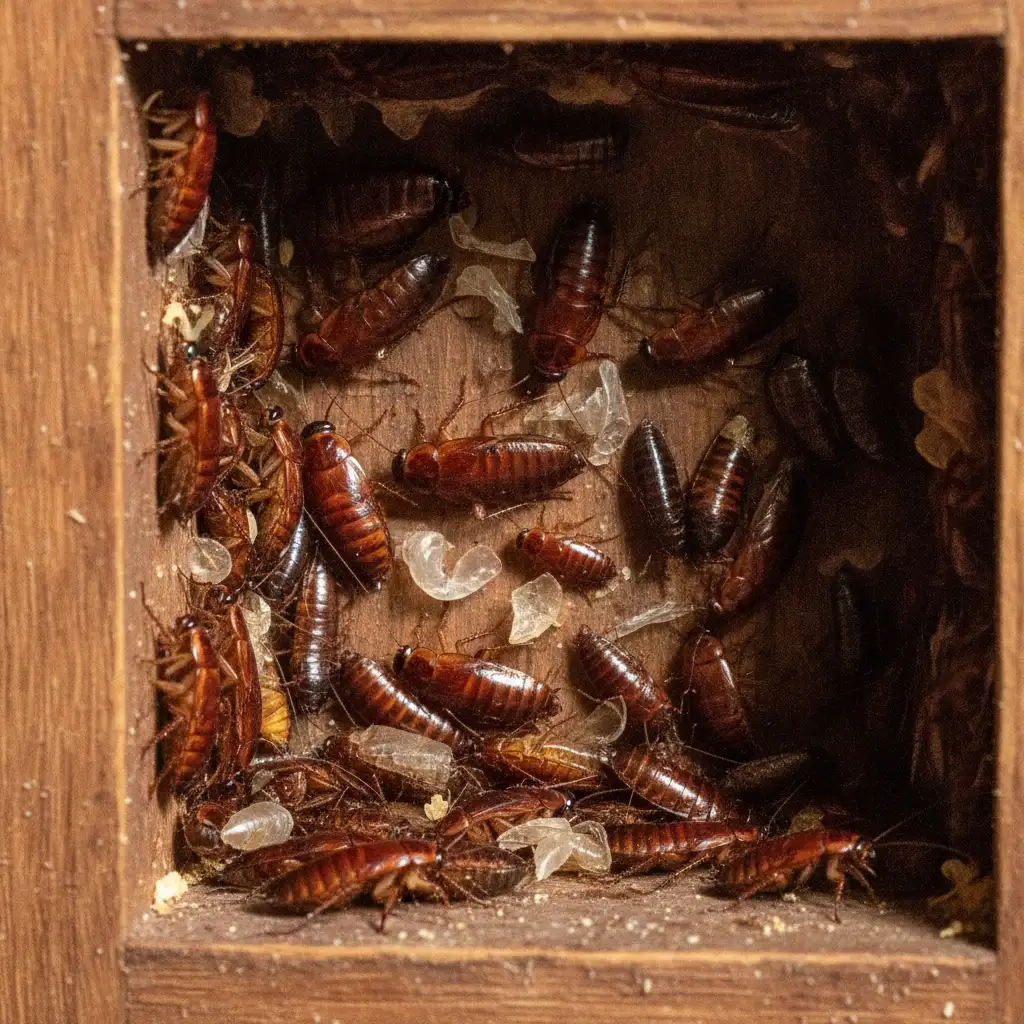
Insects and rodents are masters of evasion, often building vast networks behind drywall, under floorboards, and within attic insulation long before they are detected. By the time a homeowner notices a single cockroach or mouse, a massive colony has likely already established itself. This delayed reaction allows pests to cause significant structural damage and spread harmful pathogens throughout the living space.
Relying solely on reactive pest control often means the infestation has already caused hidden structural damage or widespread contamination before the first treatment is even applied.
Comprehensive Annual Protection Plans are specifically designed to dismantle these hidden colonies by addressing the root cause of the intrusion. Instead of waiting for an emergency, these plans utilize predictive modeling and seasonal awareness to fortify your home in advance. This proactive stance is the only reliable way to maintain a truly pest-free environment.
Year-Round Pest Monitoring and Preventative Treatments
Pests adapt their survival behaviors based on shifting seasons, making a static, one-time chemical application virtually useless over a 12-month period. A robust defense requires year-round pest monitoring to intercept these seasonal migrations before they breach your walls. Professional technicians understand the biological clocks of local pest species and time their interventions accordingly.
Spring and Summer: The Breeding Surge
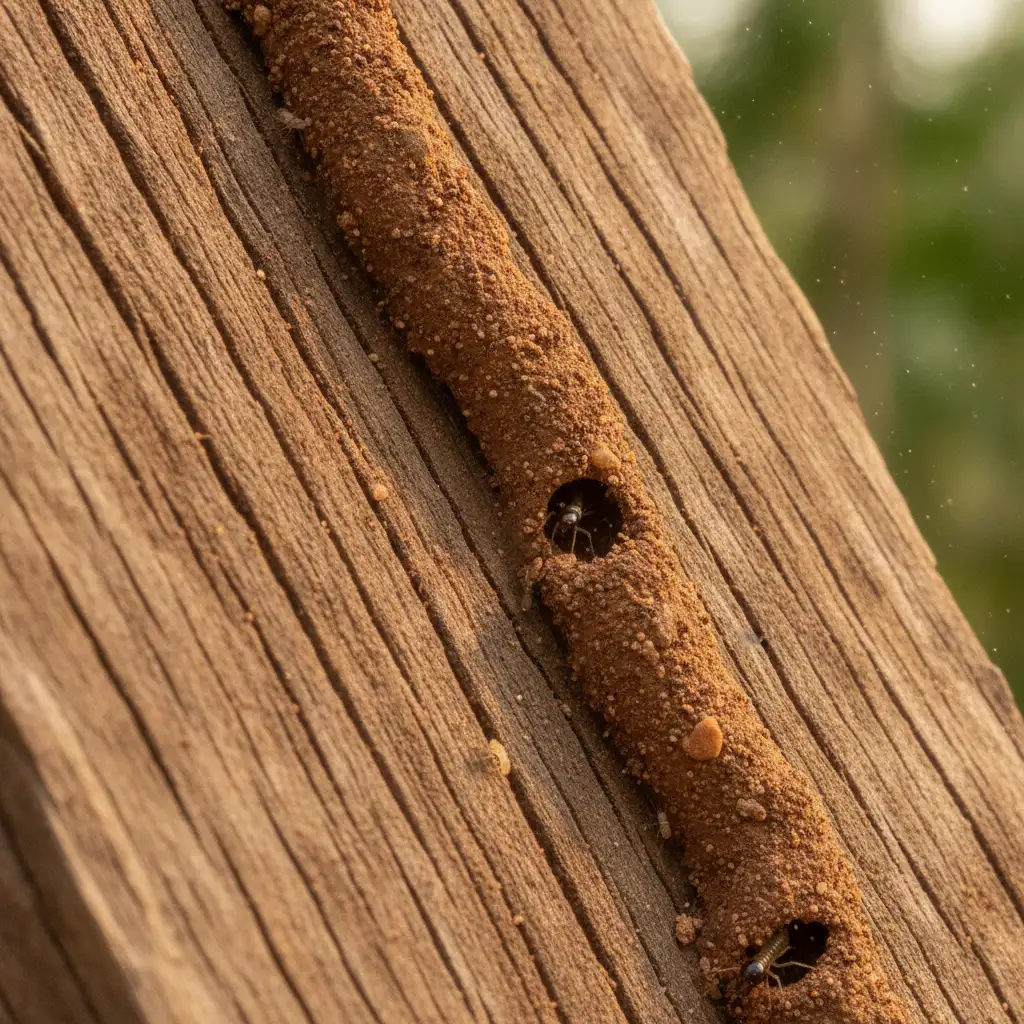
In the warmer months, insect populations explode, sending scouts to find food and moisture inside your home. Ants lay invisible pheromone trails across your kitchen, while termites begin their silent, destructive swarms. During this period, preventative treatments focus heavily on establishing strong exterior liquid barriers and granular baits.
Technicians will meticulously inspect weeping holes, foundation cracks, and utility line penetrations. By applying specialized micro-encapsulated products, they create a residual shield that remains effective through heavy spring rains and intense summer heat. This ensures that foraging insects are neutralized long before they can establish indoor satellite nests.
Autumn and Winter: The Search for Shelter
As temperatures drop, the primary threat shifts from insects to rodents and spiders seeking the warmth of your wall voids and attics. Mice can squeeze through openings as small as a dime, making exterior exclusion tactics absolutely critical during the autumn months. A comprehensive annual strategy pivots to focus on sealing these micro-entry points.
Pest behavior is heavily dictated by temperature drops. As autumn approaches, rodents instinctively seek out the ambient heat escaping from residential wall voids and roof spaces.
During winter inspections, professionals check interior monitoring stations and replenish exterior rodent bait boxes. This continuous cycle of observation and adaptation is what makes an annual plan vastly superior to a one-off extermination visit. It guarantees that your home’s defenses evolve in tandem with the changing threats outside.
Why Choose Professional Yard Services
Your yard is the staging ground for every pest that eventually breaches your home’s interior. Overgrown vegetation, pooling water, and decaying wood provide the perfect micro-environments for pests to multiply undisturbed. By integrating professional yard services into your overall protection strategy, you effectively push the battle line away from your front door.
Establishing the Perimeter Shield
A well-maintained landscape does more than improve curb appeal; it actively deters pest colonization. Technicians trained in environmental pest management will identify and neutralize harborage areas that traditional landscapers overlook. This includes treating mulch beds, aerating dense soil to reduce moisture retention, and applying targeted granules to turf.
Mosquitoes, ticks, and fleas thrive in tall grasses and shaded, damp areas of the yard. Specialized yard treatments disrupt the breeding cycles of these dangerous vectors, protecting your family and pets while they enjoy the outdoors. This holistic approach ensures that the exterior perimeter acts as a fortress wall, rather than a welcoming bridge.
Keep organic debris, firewood, and dense shrubbery at least three feet away from your home’s foundation to dramatically reduce the chances of pests bridging the gap indoors.
Key Metrics & Essential Standards
When investing in property protection, it is crucial to understand the metrics that separate amateur spraying from professional, science-based protocols. High-quality Annual Protection Plans adhere to strict environmental standards and utilize targeted, low-toxicity applications. This ensures maximum lethality to pests while maintaining absolute safety for your family and local wildlife.
Efficacy is measured not just by the immediate death of visible insects, but by the long-term reduction in overall pest pressure. Professionals track trap catch rates, bait consumption levels, and the integrity of exterior exclusion work over time. These data points allow them to refine their approach, ensuring that the protective barrier remains uncompromised year after year.
| Feature Comparison | Reactive Pest Control | Annual Protection Plans |
|---|---|---|
| Primary Focus | Eradicating visible, existing infestations. | Continuous prevention and early detection. |
| Treatment Frequency | One-time visit, usually during an emergency. | Scheduled quarterly or bi-monthly visits. |
| Long-Term Cost | High, due to structural damage and emergency fees. | Predictable, lower overall cost via prevention. |
| Peace of Mind | Low, as pests often return the following season. | High, backed by continuous monitoring guarantees. |
The Importance of Scientific Formulations
Modern pest management relies heavily on insect growth regulators (IGRs) and non-repellent transfer barriers. Unlike old-school bug sprays that kill on contact, these advanced formulations are designed to be carried back to the hidden nest. Once introduced to the colony, they disrupt the reproductive cycle, effectively collapsing the population from within.
This scientific approach is a cornerstone of reputable Annual Protection Plans. By utilizing these targeted methods, professionals can dramatically reduce the volume of chemicals introduced into your living environment. It represents a smarter, safer, and far more lethal strategy against persistent household invaders.
Service Bookings & Quotations
Securing a pest-free environment begins with a comprehensive property assessment, rather than a generic, one-size-fits-all price tag. Professional estimators analyze your property’s unique topography, age, and historical pest pressures to draft a fully customized quotation. This meticulous attention to detail ensures that you only pay for the specific preventative treatments your home actually requires.
The Initial Property Assessment
During the initial evaluation, a certified technician will walk the entire perimeter of your property, documenting vulnerabilities. They will inspect crawlspaces for moisture issues, examine rooflines for potential rodent entry points, and assess the proximity of dense vegetation to the foundation. This diagnostic phase is critical for building an effective, long-term defense strategy.
Before a technician arrives for a quotation, ensure that all access points to crawlspaces, attics, and utility meters are clear of clutter to allow for a comprehensive inspection.
Customizing Your Protection Shield
Following the thorough inspection, you will receive a detailed breakdown of the proposed Annual Protection Plans. This document outlines the frequency of service visits, the specific products to be utilized, and the exact scope of the perimeter defense. By understanding the methodology behind the quote, homeowners can make informed decisions about their property’s long-term security.
Ultimately, investing in a proactive, year-round strategy is an investment in the structural integrity of your home and the health of your family. By shifting away from reactive panic and embracing continuous, professional monitoring, you ensure that pests remain a distant memory rather than a recurring nightmare.