Pests rarely announce their arrival, but their presence is immediately felt by homeowners and business operators alike. A sudden wasp nest under the eaves or an unexpected trail of ants in the kitchen can quickly disrupt the safety and comfort of your property. In these moments of acute frustration, property owners often seek immediate, decisive action rather than signing up for lengthy, year-round maintenance contracts. This targeted approach is widely known in the industry as a One-Off Eradication.
Unlike ongoing pest management programs that focus on continuous monitoring, a single-service treatment is designed to neutralize a specific, localized threat rapidly. It relies on high-impact interventions, precise chemical or biological applications, and a thorough understanding of the target insect’s immediate life cycle. When executed correctly, this method can completely eliminate an isolated infestation in a matter of hours.
However, understanding when a single treatment is viable is crucial for long-term success. While a solitary wasp nest or a seasonal spider invasion can be effectively resolved in one visit, systemic issues like severe termite damage or deep-rooted cockroach colonies often require more complex strategies. By exploring the mechanics of fixed-price single treatments, property owners can make highly informed decisions regarding their environmental health and safety.
Key Takeaways
A One-Off Eradication provides a rapid, fixed-price solution for isolated pest infestations. It is highly effective for seasonal pests like wasps and spiders. However, success depends heavily on the pest species, the severity of the outbreak, and professional yard services that target the source of the infestation.
Fixed-Price Single Treatments for Specific Pest Issues
When dealing with a sudden infestation, transparency in pricing and scope of work is paramount. A fixed-price single treatment offers property owners a clear, upfront understanding of the costs involved to resolve their specific issue. This model eliminates the anxiety of escalating hourly rates or hidden chemical surcharges.
The residential segment currently dominates the broader pest control market, holding approximately 52% of the market share. Within this sector, single-service visits remain incredibly popular for addressing acute, localized problems. These treatments are specifically tailored to the biology and behavior of the invading species, ensuring maximum efficacy.
For instance, eliminating a localized flea infestation brought in by a family pet requires a very different protocol than removing a subterranean termite nest. A true One-Off Eradication utilizes targeted insecticides, specialized baiting systems, or thermal heat treatments to destroy the pest at every stage of its life cycle in a single, comprehensive visit.
Single treatments are most effective when you catch the infestation early. Immediate action prevents the pests from establishing secondary nesting sites within your wall voids or subfloors.
Comparing One-Off vs. Recurring Pest Control
Choosing between a single intervention and a recurring maintenance plan depends entirely on the environmental pressures surrounding your property. Some environments are naturally prone to continuous pest migration, while others only face seasonal threats.
To help clarify these distinctions, the table below outlines the primary differences between these two foundational pest management strategies. Understanding these parameters ensures you invest in the right level of protection for your home.
| Feature | One-Off Eradication | Recurring Maintenance |
|---|---|---|
| Primary Goal | Immediate elimination of a specific, acute pest problem. | Long-term prevention and population suppression. |
| Cost Structure | Fixed upfront price based on the specific pest and property size. | Amortized monthly or quarterly subscription fees. |
| Best Suited For | Wasps, seasonal spiders, localized fleas, or sudden ant trails. | German cockroaches, rodents, and heavy commercial environments. |
| Warranty Period | Typically 30 to 90 days, depending on the pest species. | Continuous coverage as long as the plan remains active. |
Why Choose Professional Yard Services
The vast majority of indoor pest problems actually originate in the exterior environment. Pests do not spontaneously generate inside your kitchen; they migrate inward searching for food, water, and shelter. This is why professional yard services are a critical component of any successful eradication effort.
By establishing a robust chemical or physical barrier around the perimeter of the property, technicians can stop insects before they ever breach your threshold. Exterior treatments focus heavily on foundation walls, window frames, and dense vegetation where pests naturally harbor. This proactive exterior defense significantly boosts the success rate of a single interior treatment.
Furthermore, yard services address the breeding grounds directly. If you only treat the ants inside your bathroom but ignore the massive satellite colony living under your driveway pavers, the infestation will inevitably return. A comprehensive One-Off Eradication must always account for the exterior source.
Targeting Seasonal Pests at the Source
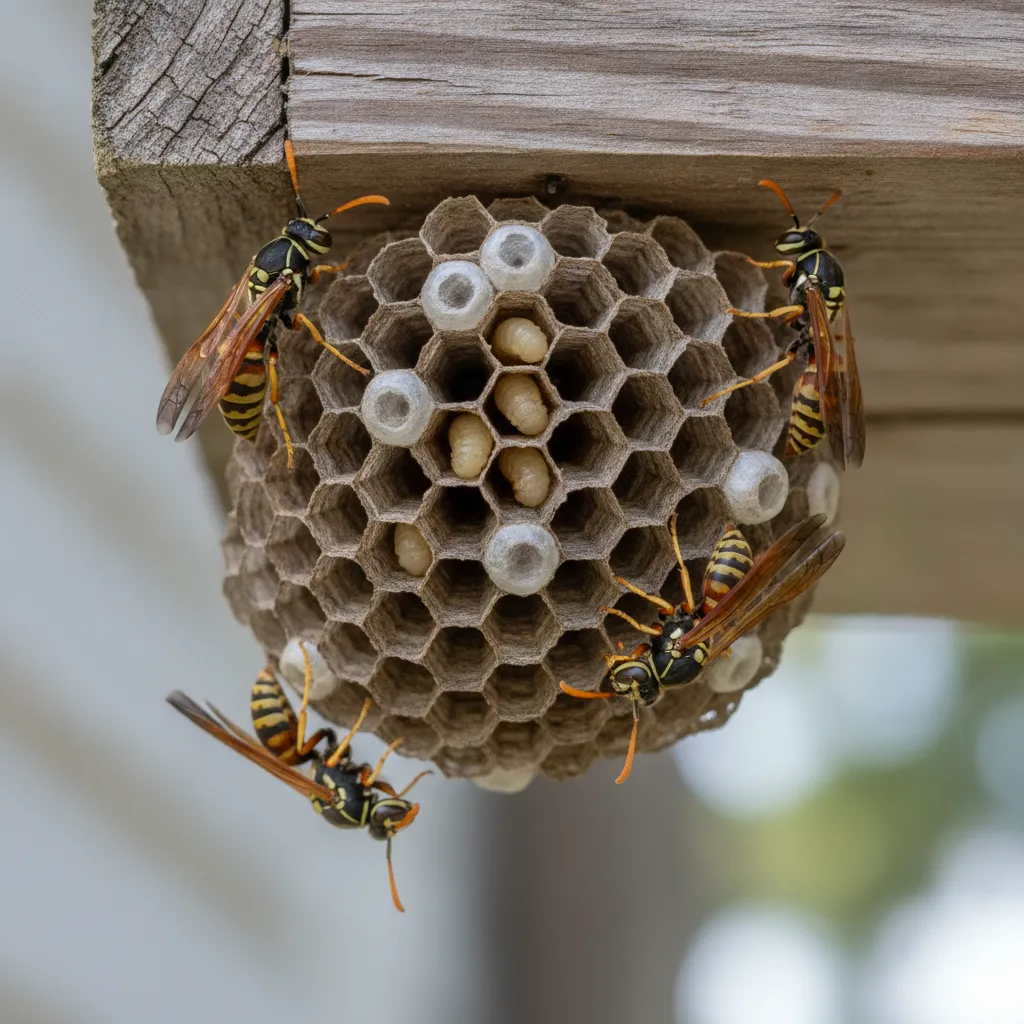
Different seasons bring entirely different pest pressures to residential and commercial yards. Spring rains trigger massive ant migrations, while the intense heat of late summer accelerates wasp and hornet breeding cycles. Professional yard services adapt their protocols to these seasonal shifts.
When executing a single-service treatment, professionals will typically perform the following exterior actions:
- Applying residual insecticidal barriers along the foundation line to deter crawling insects.
- Sweeping eaves, gutters, and soffits to physically remove spider webs and dormant wasp nests.
- Identifying and treating subterranean ant mounds hidden within mulch beds or turf.
- Applying granular baits in high-moisture areas where pests congregate before entering the structure.
Over-the-counter exterior sprays can be highly toxic to beneficial pollinators like bees and butterflies. Professional yard services utilize calibrated formulas to target specific pests while protecting the broader local ecosystem.
Key Metrics & Essential Standards
The pest control industry is heavily regulated and driven by hard data. With the U.S. structural pest control market reaching revenues of $13.4 billion in 2025, the metrics behind treatment success are constantly analyzed. Efficacy is the ultimate benchmark for any service provider.
Not all pests respond equally to a single treatment. The success rate of a One-Off Eradication is directly tied to the biological resilience and reproductive rate of the specific insect. For example, stinging insects generally have a very high single-treatment success rate, whereas cryptic pests like bed bugs are notoriously difficult to eliminate in one pass.
To illustrate these variations, we can look at the generalized industry success rates for single-visit interventions across different common household pests. This data helps set realistic expectations for property owners seeking immediate relief.
Integrated Pest Management (IPM) Protocols
Modern pest control relies heavily on Integrated Pest Management (IPM) standards. IPM is an environmentally sensitive approach that combines biological, cultural, physical, and chemical tools to minimize economic and health risks. It is the gold standard for responsible eradication.
Interestingly, recent studies evaluating IPM interventions in urban housing demonstrated that an easily replicable single IPM visit could be highly effective in reducing pest counts and associated allergens. This proves that a well-executed single treatment can yield profound, lasting results.
Essential IPM standards during a single visit include thorough crack-and-crevice sealing, targeted baiting rather than indiscriminate spraying, and educating the property owner on moisture control. By removing the environmental conditions that pests thrive in, the eradication results are significantly extended.
Service Bookings & Quotations Explained
Understanding how the pest control industry calculates quotations empowers consumers to make confident, informed decisions. Because a One-Off Eradication is a fixed-price service, the quotation process is usually straightforward and transparent. It is designed to evaluate the total scope of the required intervention.
Service providers generally do not base single-treatment quotes on hourly labor. Instead, they calculate costs based on the square footage of the property, the specific pest species targeted, and the severity of the infestation. A massive hornet nest located three stories high will naturally require different equipment and risk assessments than a standard ground-level ant treatment.
Additionally, the layout of the property plays a significant role. Homes with extensive crawlspaces, dense perimeter vegetation, or multiple outbuildings require more time and material to secure properly. These factors are all assessed during the initial evaluation phase.
What to Expect During the Inspection Phase
The foundation of any successful single treatment is the initial inspection. Without accurately identifying the pest species and locating the primary nesting sites, eradication efforts will likely fail. Professionals are trained to look beyond the obvious signs of activity.
During a standard assessment, a qualified technician will meticulously examine high-risk zones. They will inspect subfloors for moisture issues, check attic spaces for rodent droppings or wasp activity, and evaluate the exterior foundation for entry points. This diagnostic phase dictates the exact chemical or physical protocol required.
Once the inspection is complete, a formal quotation is generated. This document should explicitly detail the target pest, the exact areas to be treated, the specific products that will be applied, and the terms of the service warranty. Transparency at this stage ensures that both the service provider and the property owner share the same expectations for the final outcome.
Before a scheduled treatment, clear away clutter from baseboards, ensure all open food is sealed, and make sure pets are safely secured or relocated for the duration of the chemical application.
People Also Ask (FAQ)
Below are answers to some of the most frequently asked questions regarding single-visit pest management and eradication strategies.