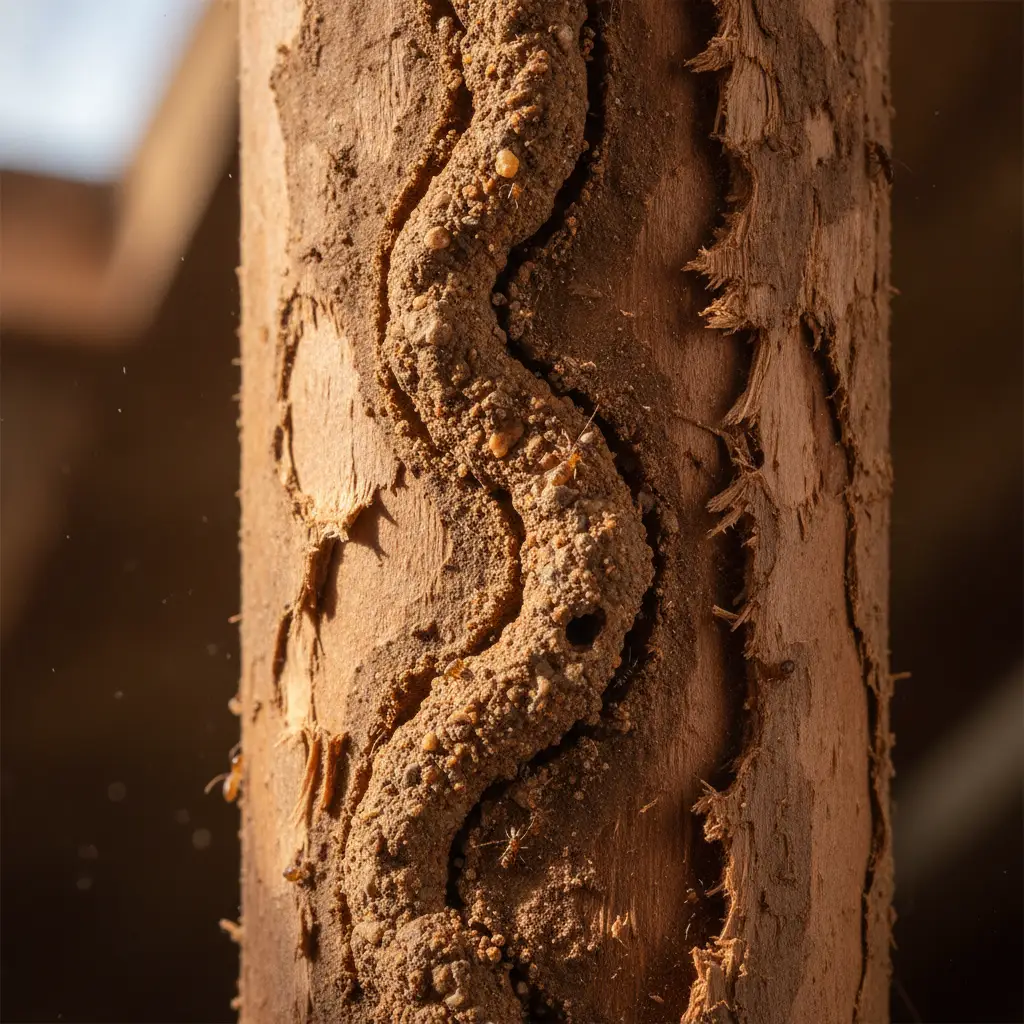
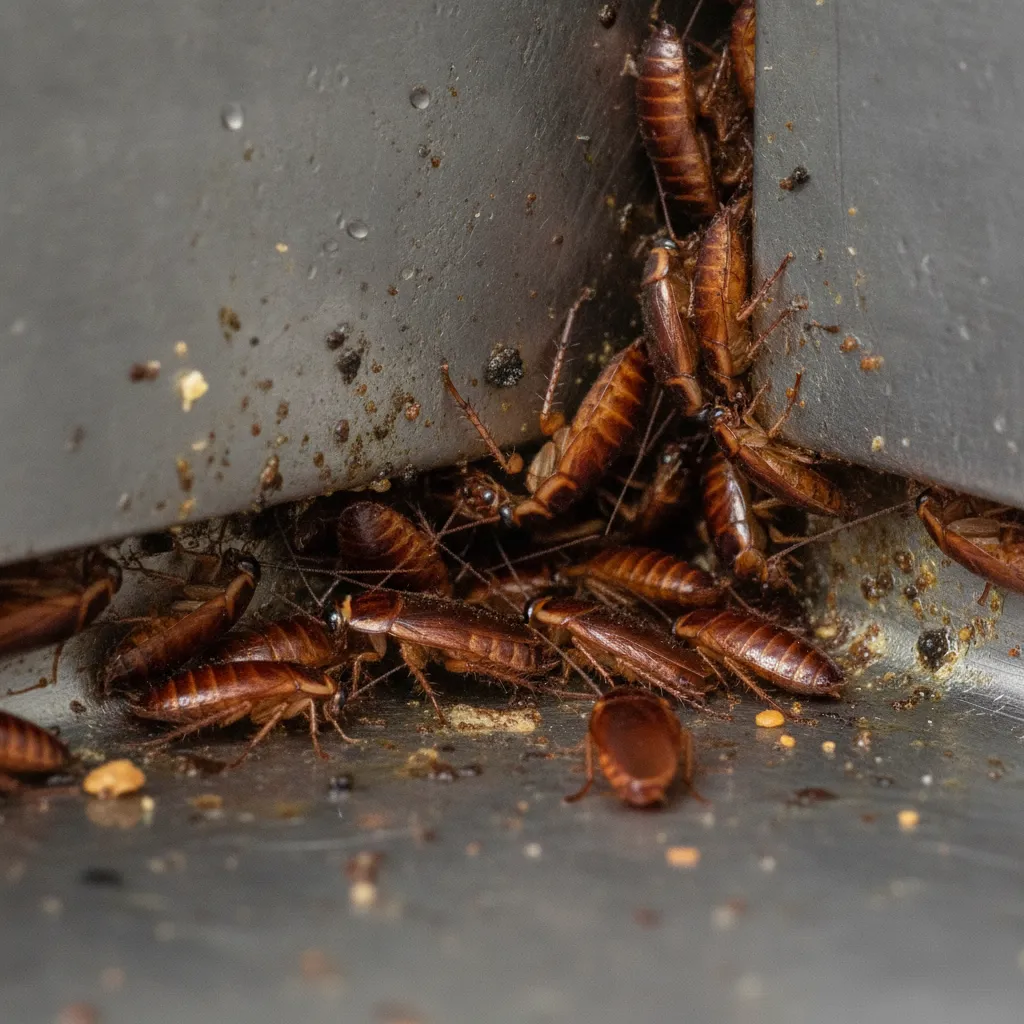
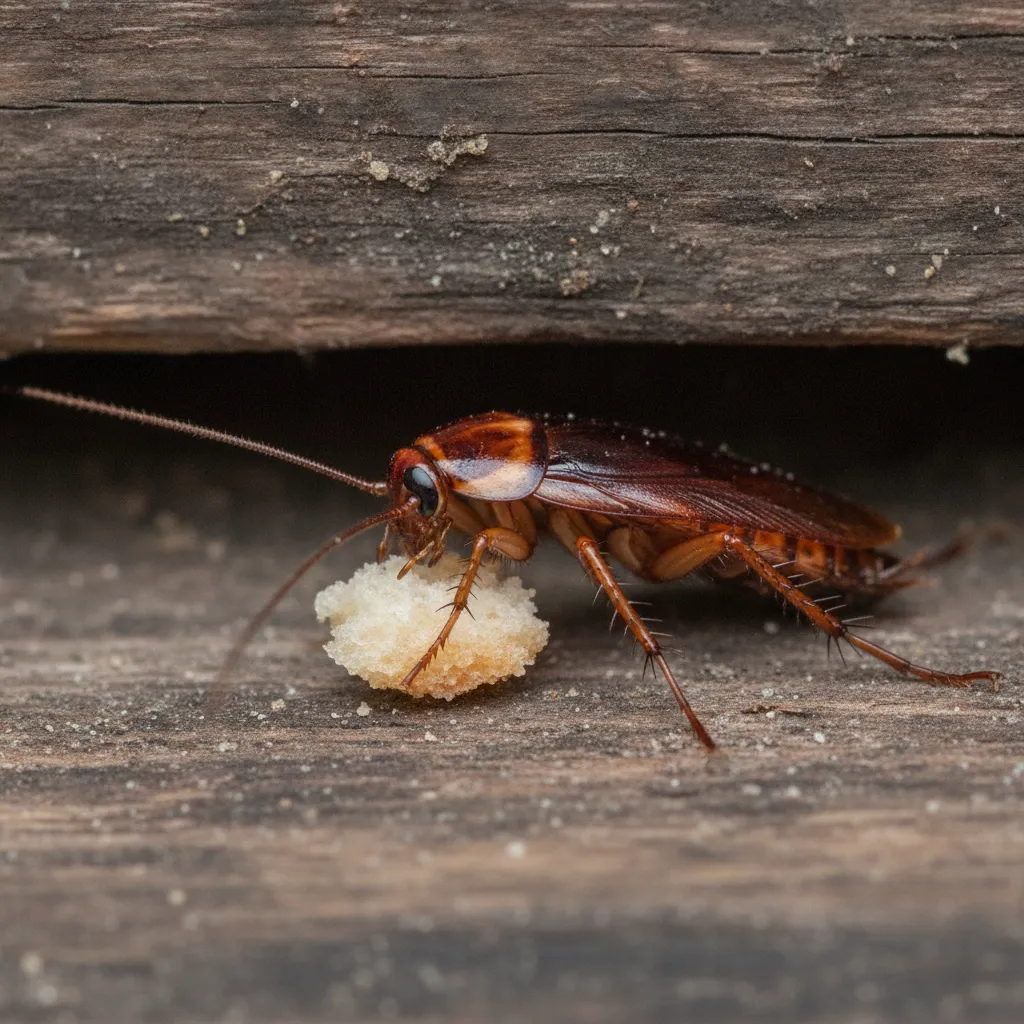
For decades, the standard approach to property infestations relied heavily on broad-spectrum chemical sprays. These conventional methods often left behind toxic residues that silently contaminated local waterways and devastated non-target species. Today, environmental awareness and stringent regulatory shifts have fundamentally transformed how we approach property care. Modern property owners are now prioritizing sustainability without sacrificing efficacy.
Implementing Eco-Friendly Pest Solutions represents a critical evolution in environmental stewardship and public health. By moving away from synthetic chemicals, we can protect our immediate living spaces while preserving the delicate balance of the surrounding ecosystem. This comprehensive guide explores the science, methodologies, and industry standards driving the green pest management revolution.
Key Takeaways
Eco-friendly pest solutions utilize non-toxic, biological, and botanical methods to eliminate infestations while protecting biodiversity. By adopting Integrated Pest Management (IPM), these sustainable alternatives prevent water contamination and safeguard non-target species. The global shift towards green pest control ensures long-term property protection and strict environmental compliance.
Introduction to Eco-Friendly Pest Solutions
The widespread reliance on traditional synthetic pesticides has historically caused profound ecological damage across both urban and agricultural landscapes. Chemical runoff from routine property applications frequently leaches into groundwater networks, directly threatening aquatic life and public drinking supplies [1]. Furthermore, these broad-spectrum chemical treatments indiscriminately kill beneficial insects, including vital pollinators like bees and natural pest predators.
The modern paradigm shift toward sustainable property management directly addresses these escalating environmental crises. By adopting Eco-Friendly Pest Solutions, property owners can effectively manage active infestations while completely eliminating their reliance on harsh, persistent chemicals. This forward-thinking approach utilizes biological, botanical, and mineral-based treatments that naturally degrade in the environment without leaving toxic footprints.
Traditional pesticides can accumulate in the bodies of small organisms and progressively concentrate up the food chain. This biomagnification leads to harmful toxin levels in local wildlife, particularly in predatory birds and mammals.
Environmentally Responsible Pest Control Utilizing Non-Toxic Methods
Sustainable pest management operates on the core principle of targeted intervention rather than blanket chemical extermination. This methodology requires a deep scientific understanding of pest biology, specific life cycles, and local environmental triggers. By manipulating these natural factors, specialists can disrupt breeding cycles without introducing toxic compounds into the soil or air.
These non-toxic interventions are highly specialized and designed to target only the invasive species causing property damage. This precision ensures that the broader ecosystem remains undisturbed, allowing native flora and fauna to thrive safely. The primary pillars of this approach include biological controls, botanical extracts, and advanced monitoring systems.
Biological Control Mechanisms
Biological control is a cornerstone of organic pest management, utilizing nature’s own predatory relationships to maintain ecological balance. This method involves introducing specific natural enemies, such as predatory insects or microscopic nematodes, to safely reduce pest populations. For example, beneficial nematodes are applied directly to the soil to actively hunt and destroy the larvae of damaging grubs and fleas.
These microscopic organisms are entirely harmless to humans, indoor pets, and landscape plants, making them an ideal component of a green strategy. Because biological controls are highly host-specific, they preserve the broader ecosystem while neutralizing the target threat. This natural precision ensures that local biodiversity remains intact, thriving, and resilient against future invasions.
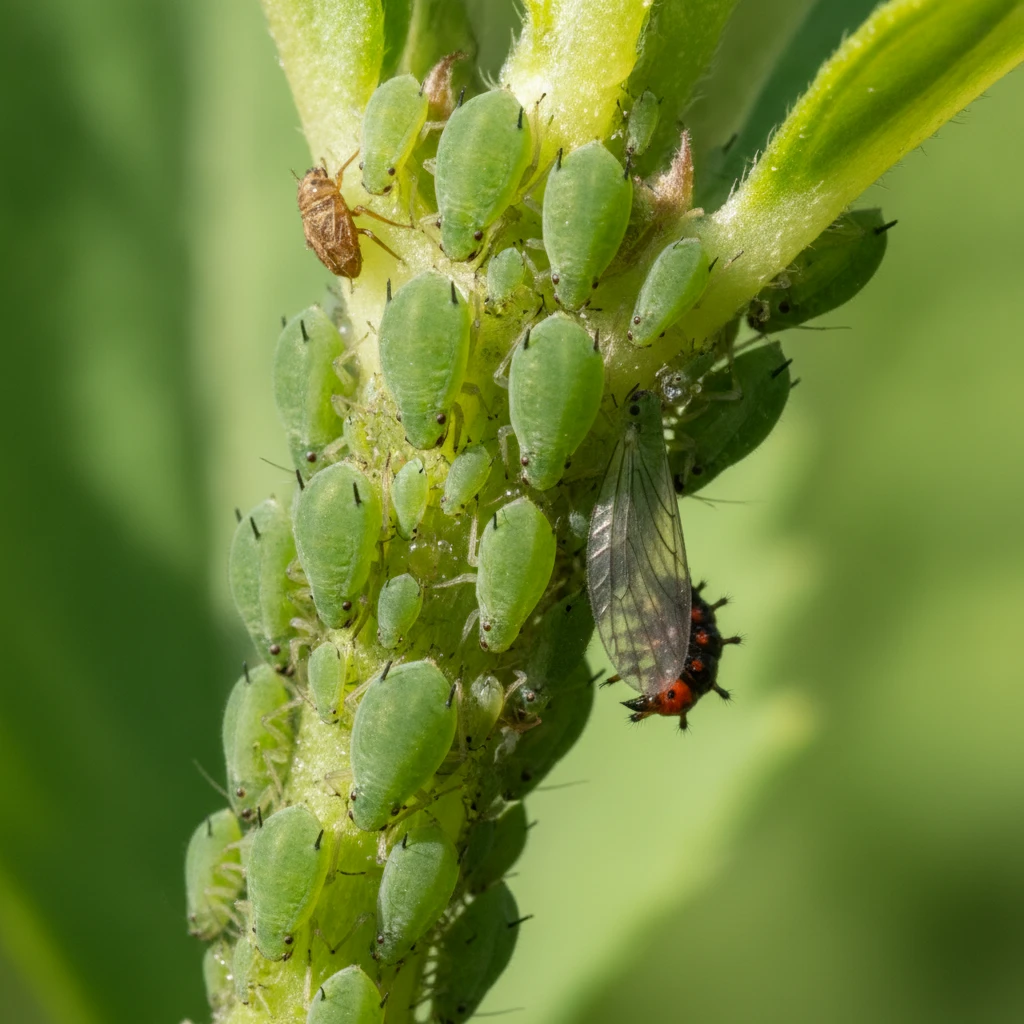
Botanical and Organic Treatments
When immediate intervention is required for severe infestations, botanical pesticides offer a powerful, naturally derived alternative to synthetic chemicals. Substances like cold-pressed neem oil, pyrethrin (derived from chrysanthemum flowers), and naturally mined diatomaceous earth provide highly effective knockdown power. Unlike synthetic variants, these organic compounds break down rapidly under natural sunlight and microbial action.
This rapid degradation is critical for environmental safety, as it prevents the long-term accumulation of residues in local soil and water tables. Botanical treatments target the nervous systems or exoskeletons of specific insects while posing minimal risk to mammals and birds. They represent the perfect balance between immediate eradication power and long-term ecological responsibility.
Diatomaceous earth is a non-toxic powder made from fossilized aquatic organisms. It works mechanically rather than chemically, absorbing the protective lipid layer of insects and causing them to naturally dehydrate.
Pheromone Traps and Smart Monitoring
Technological advancements have revolutionized how we track and capture invasive species without resorting to widespread spraying. Pheromone traps use synthesized versions of specific insect mating scents to lure pests away from valuable crops or residential living areas. This highly targeted approach captures the breeding population without dispersing any harmful aerosols into the atmosphere.
Why Choose Professional Yard and Property Services
Managing an outdoor environment requires significantly more expertise than merely applying off-the-shelf organic sprays. Professional yard services bring a wealth of ecological knowledge, ensuring that non-toxic treatments are applied at the precise moment of a pest’s vulnerability. This strategic, science-backed timing maximizes efficacy while minimizing the total volume of product required for control.
Professionals utilize Integrated Pest Management (IPM), a comprehensive framework that heavily prioritizes prevention, exclusion, and habitat modification. By altering the landscape—such as improving soil drainage or trimming overgrown vegetation—experts eliminate the damp, sheltered environments that pests desperately require to thrive. This proactive strategy successfully prevents infestations long before they can establish a permanent foothold.
Safeguarding Biodiversity and Soil Health
A thriving residential yard is a complex micro-ecosystem heavily reliant on healthy soil microbiota and beneficial surface insects. Traditional chemical drenching violently destroys this delicate balance, ultimately leading to sterile soil and a forced dependency on synthetic fertilizers. Professional Eco-Friendly Pest Solutions are specifically engineered to safeguard earthworms, beneficial fungi, and essential soil bacteria.
By preserving these critical subterranean organisms, sustainable services naturally enhance the overall health and resilience of your landscaping. Healthy, nutrient-rich soil produces stronger plants that are inherently more resistant to disease and subsequent insect attacks. This creates a self-sustaining cycle of property health that chemical treatments simply cannot replicate.
Regularly clear away decaying leaf litter, stagnant water sources, and excess wood debris from your property boundaries. Removing these natural harborage areas is the first and most effective step in an IPM strategy.
Key Metrics & Essential Standards
The global transition toward sustainable pest management is not merely a passing consumer preference; it is a rapidly accelerating economic and regulatory trend. In 2024, the global insect pest control market was valued at approximately $19.4 billion, with biological and eco-friendly sectors showing the highest momentum [2]. By 2026, intense consumer demand for non-toxic alternatives has driven unprecedented innovation within the sector.
This rapid market expansion is heavily supported by mounting scientific evidence detailing the long-term ecological damage caused by legacy chemicals. As a result, both residential homeowners and commercial agricultural enterprises are rapidly pivoting toward greener, more sustainable operational models. This shift ensures that the industry standard is permanently moving away from toxic reliance.
Global Market Growth and Adoption Rates
Current industry data indicates that the biological control services segment is expanding at an impressive compound annual growth rate (CAGR) of over 9.1%. This massive surge is fueled by increased regulatory scrutiny on synthetic chemicals and a rapidly growing public awareness of environmental health. As green technology improves, the cost-effectiveness of organic methods continues to align competitively with traditional treatments.
Regulatory Compliance and New Zealand EPA Standards
In New Zealand, the Environmental Protection Authority (EPA) strictly regulates the use of hazardous substances to protect the nation’s unique, fragile biodiversity. Recent regulatory actions, such as the mid-2026 public consultation to heavily restrict the use of the synthetic insecticide bifenthrin, highlight the government’s aggressive commitment to reducing chemical reliance [3]. These stringent environmental standards force the entire industry to innovate and rapidly adopt greener practices.
Professional operators must strictly adhere to the Hazardous Substances and New Organisms (HSNO) Act, ensuring that all applied treatments meet rigorous environmental safety profiles. By choosing certified sustainable services, property owners ensure their own compliance with these forward-thinking national standards. This strict regulatory alignment guarantees that the chosen methods are scientifically vetted for absolute ecological safety.
The EPA continually reassesses older chemical approvals as new environmental data emerges. This ongoing review process ensures that highly toxic legacy pesticides are systematically phased out of the New Zealand market.
Service Bookings & Quotations (Educational Overview)
Understanding exactly how professional services structure their proposals is crucial for property owners actively seeking sustainable, long-term options. Unlike traditional exterminators who may quickly quote a flat fee for a blanket chemical spray, eco-friendly providers focus entirely on comprehensive, long-term management. Quotations typically reflect a deep property inspection, thorough habitat analysis, and the deployment of multi-faceted IPM strategies.
This detailed approach ensures that you are paying for an actual solution to the root cause of the infestation, rather than a temporary chemical band-aid. A high-quality proposal will clearly separate the costs of initial exclusion work, biological deployments, and ongoing preventative monitoring. This transparency is a hallmark of reputable green service providers.
What to Expect in an Eco-Friendly Consultation
A reputable sustainable pest management quote begins with a meticulous property audit to identify underlying root causes, such as hidden moisture leaks or structural vulnerabilities. The resulting proposal will clearly outline specific non-toxic intervention methods, physical exclusion tactics, and ongoing monitoring schedules. This highly transparent approach ensures clients understand exactly how their property will be protected over the long term.
Providers of Eco-Friendly Pest Solutions heavily prioritize client education, often including detailed recommendations for ongoing property maintenance alongside their service fees. While the initial consultation and setup may require a slightly higher upfront investment, the long-term prevention of recurring infestations ultimately reduces overall lifecycle costs. You are investing in property resilience rather than repeated toxic treatments.
Comparing Costs: Traditional vs. Sustainable Methods
When reviewing service quotations, it is incredibly helpful to compare the distinct value metrics and long-term implications of both approaches. Traditional methods often require frequent, repeated chemical applications, leading to significant cumulative expenses and environmental degradation over time. Conversely, sustainable methods invest heavily in initial physical exclusion and biological establishment, drastically reducing the need for future emergency callouts.
| Service Metric | Traditional Chemical Control | Eco-Friendly Pest Solutions |
|---|---|---|
| Primary Methodology | Broad-spectrum synthetic sprays | Targeted IPM, biologicals, and exclusion |
| Environmental Impact | High risk of runoff and non-target harm | Minimal to zero ecological disruption |
| Long-Term Efficacy | Low (Pests build chemical resistance) | High (Focuses on permanent habitat denial) |
| Cost Structure | Lower initial cost, high recurring fees | Higher initial investment, low recurring costs |
To ensure you are receiving a genuinely sustainable service, always look for specific operational markers during the quotation phase. Legitimate providers will explicitly detail the active botanical ingredients being used, rather than hiding behind vague “green” marketing terms. They will also provide a clear, documented timeline for biological control establishment and structural exclusion repairs.
- Request full documentation of the botanical or biological products intended for use on your property.
- Ensure the quotation includes a comprehensive structural inspection for physical exclusion opportunities.
- Verify that the proposed strategy aligns with the core principles of Integrated Pest Management (IPM).
- Confirm that the service provider adheres strictly to local EPA and environmental safety regulations.