You run a commercial kitchen in the Auckland CBD or manage a block of rentals on the North Shore.
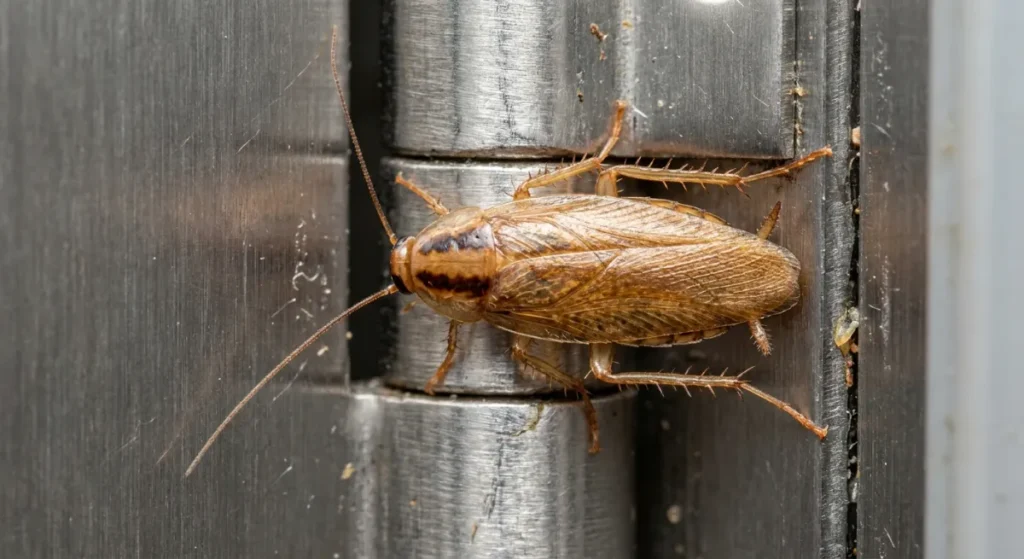
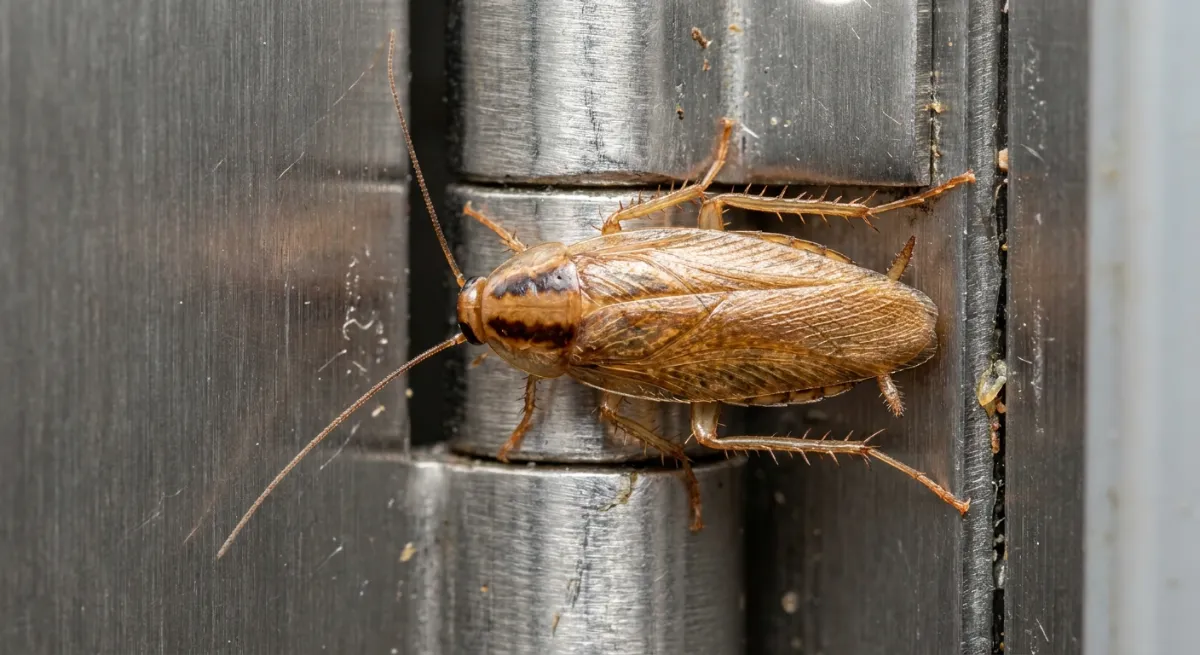
You spot a rat near the bins or German cockroaches behind the espresso machine. Most people panic and call the first guy with a ute and a spray tank.
That is a massive mistake. It is May 2026, and Auckland is dealing with a severe autumn pest surge after last year’s mild winter and hot summer.
The era of the unqualified “spray jockey” is dead. If you want the problem solved legally and permanently, you need to hire a Level 3 qualified UPM contractor in Auckland.
Key Takeaways
To legally handle Class 9 ecotoxic substances in New Zealand, you must hire a Level 3 qualified UPM contractor in Auckland. Uncertified operators put your business at risk of failing Food Act 2014 audits. Certified technicians focus on root-cause structural exclusion, ensuring child-safe, pet-safe, and MPI-compliant eradication.
What is the NZ Certificate in Pest Operations (Level 3)?
New Zealand has some of the strictest biosecurity and environmental laws on the planet. You cannot just buy commercial-grade poison and start blasting a restaurant kitchen.
Under the EPA HPC Notice 2017 and the Hazardous Substances and New Organisms (HSNO) Act 1996, handling professional-grade pesticides is heavily regulated.
Anyone applying Class 9 ecotoxic substances must be a legally Qualified UPM (Urban Pest Management) Contractor.
That means they must hold the New Zealand Certificate in Pest Operations (Level 3). This qualification proves the technician understands pest entomology, environmental impacts, and the strict safety protocols required for urban environments.
The Legal Requirement for Handling Class 9 Ecotoxic Substances
When you hire a Level 3 qualified UPM contractor in Auckland, you are paying for legal compliance and safety.
Class 9 substances are highly toxic to aquatic life and the environment if misused. An uncertified operator spraying these chemicals near stormwater drains or food preparation areas is committing a serious offence.
If a health inspector or MPI auditor catches an unqualified person applying toxic baits in your facility, you carry the liability.
We do not guess which chemical to use. We read the Safety Data Sheets (SDS) and apply targeted, zero-emission gels that are entirely MPI-approved.
Under the EPA HPC Notice 2017, allowing an uncertified worker to apply Class 9 ecotoxic substances on your commercial property makes you legally liable for environmental and health breaches.
Why Your Business Cannot Afford Uncertified Operators
Auckland’s hospitality sector hit a record $15.99 billion turnover in FY2025. With that massive economic growth comes intense regulatory scrutiny.
The Food Act 2014 strictly prohibits the use of toxic rodenticide baits in sensitive food zones. Unqualified operators often ignore this entirely, throwing cheap hardware store baits behind your fridges.
If a rat eats that bait, dies inside your wall cavity, and contaminates your prep area with blowflies, your ‘A’ Grade rating is gone overnight.
This is exactly why you must hire a Level 3 qualified UPM contractor in Auckland to protect your brand. Certified technicians use non-toxic monitoring blocks, mechanical traps, and predictive digital tracking to keep your kitchen compliant.
The Expertise of a Level 3 Urban Pest Management Technician
It is not just about knowing which chemical to use. It is about knowing exactly how pests think, breed, and move through a structure.
A standard exterminator treats the symptoms. A Level 3 technician treats the root cause.
We look for structural entry points, moisture issues, and sanitation gaps that are actively drawing pests inside your property.
We call this Predictive Integrated Pest Management (IPM), and it is the only way to achieve permanent eradication.
Stop paying for monthly surface sprays. A true professional identifies the structural entry point, fixes the moisture issue, and eliminates the nest. We call this root-cause eradication.
Advanced Entomological Knowledge and Root-Cause Analysis
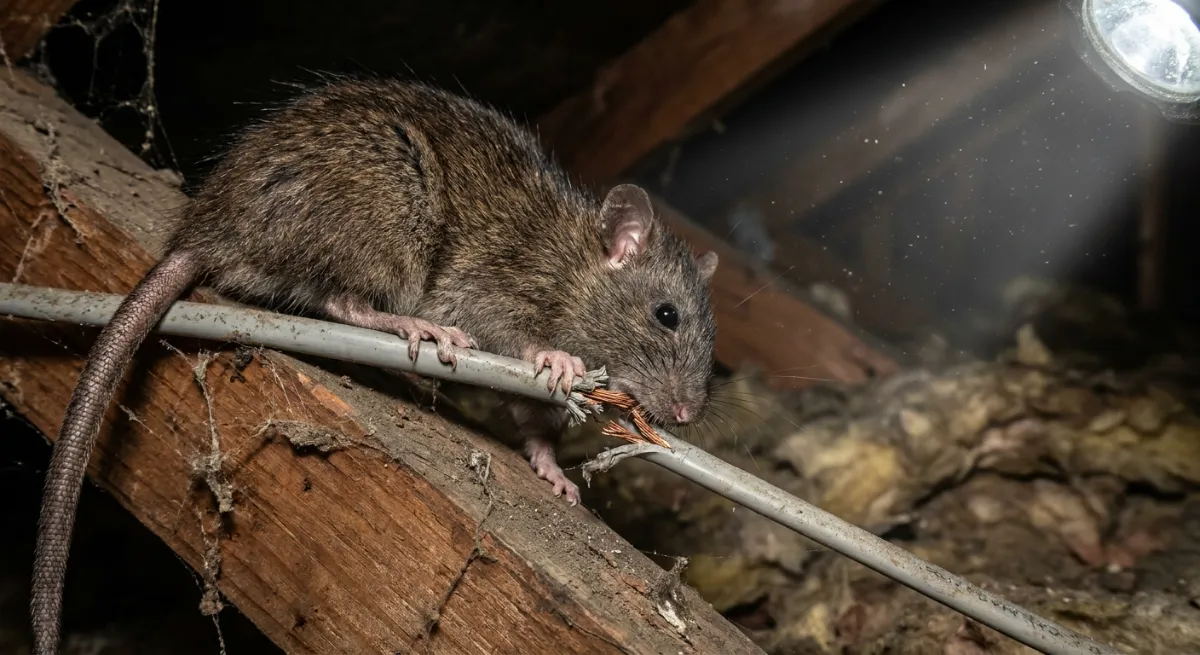
Take rodents, for example. Rats do not just magically appear in your ceiling. They climb overhanging branches, squeeze through broken vent covers, or chew through degraded weatherboards.
If we just lay bait and walk away, new rats will inevitably follow the pheromone trails left by the old ones.
We find the hole, block it, and stop the cycle completely. We have seen firsthand how effective smart strategies can be.
Just look at the recent Hūnua Ranges operation following the late-2025 aerial drops, where targeted baiting dropped rat tracking rates to an incredible 1.3%. Smart, targeted methods work.
Strict Adherence to the HSNO Act and EPA Guidelines
Animal welfare is another massive factor that cowboy operators completely ignore.
Under the Animal Welfare Act 1999, you cannot just set a live-capture trap and forget about it for a week.
The law strictly mandates that live traps must be physically inspected within 12 hours after sunrise every single day. Glue boards for rodents are also heavily restricted.
We manage all of this compliance for you, ensuring you never face a cruelty complaint or a hefty council fine.
If your current pest controller uses live-capture traps, the law mandates they must be physically inspected within 12 hours after sunrise every single day. Ensure this is in your service contract.
The Real Cost of Pest Control in Auckland (2026 Data)
People always ask me for a price over the phone before I have even seen the property. I will give it to you straight.
Transparent providers in Auckland charge between $155 and $325 for a standard three-bedroom home, depending entirely on the pest profile.
If you are paying a guy $80 cash to bomb your house, you are throwing your money away. The pests will be back in three weeks because the entry points were never fixed.
Before you sign any ongoing maintenance contract, make sure you hire a Level 3 qualified UPM contractor in Auckland to ensure you are getting actual value.
| Method / Operator | Initial Cost | Target Area | Long-Term Result |
|---|---|---|---|
| Hardware Store DIY Bombs | $30 – $80 | Surface level only | Pests return in 2-4 weeks |
| Uncertified “Spray Jockey” | $100 – $150 | Skirting boards & floors | Fails MPI audits, highly toxic |
| Level 3 Certified UPM Contractor | $160 – $325 | Deep nesting sites & entry points | Guaranteed eradication, fully compliant |
Navigating Landlord and Tenant Liabilities
Auckland’s rental market is tight, and disputes over who pays for pest control are incredibly common.
Under the Residential Tenancies Act, landlords must provide a clean, pest-free property at the start of a tenancy. If an infestation occurs later due to a structural flaw, the landlord pays.
However, if the tenant leaves rubbish piling up and attracts rats, the tenant pays.
We provide clear, unbiased documentation that satisfies the Tenancy Tribunal, taking the emotion out of the argument entirely.
- Landlord Responsibility: Fixing holes in the roof cavity, sealing degraded weatherboards, and ensuring pre-tenancy hygiene.
- Tenant Responsibility: Managing daily waste, wiping down kitchen surfaces, and reporting pest sightings immediately.
- Our Role: Providing a certified, unbiased assessment of the root cause to determine liability fairly.
Auckland is hosting the FAOPMA Pest Summit at the NZICC in July 2026. The entire industry is shifting heavily toward Predictive Integrated Pest Management (IPM) and digital monitoring over toxic chemicals.
Trust Pest Control Auckland’s Certified Team
We are a local, family-owned business based out of Orewa, servicing the entire Auckland region from the North Shore to South Auckland.
We do not hide behind a massive corporate call centre. When you call us, you get straight answers from real locals who know the area.
Our technicians are fully qualified to handle Class 9 Urban Pest Management pesticides in NZ, guaranteeing your safety.
We back our work with the “Silver Bullet Guarantee” because we know our structural exclusion methods actually work.
Book Your Certified Commercial Treatment Today
Do not wait for a health inspector to find cockroach casings in your dry store. Do not let a rat chew through your wiring and cause a fire hazard.
Step up and get the job done right the first time. The DIY cycle of despair will only cost you more money in the long run.
Contact us today to hire a Level 3 qualified UPM contractor in Auckland and secure your property for good.
People Also Ask

About the Author: Ronnie
Founder, Pest Control Auckland · Commercial & Residential Pest Expert · Certified Urban Pest Management Specialist
With years of experience handling severe commercial infestations across the Auckland region, Ronnie is the definitive expert on why you must hire a Level 3 qualified UPM contractor in Auckland. Having consulted for high-risk hospitality venues and navigated complex EPA and Food Act 2014 compliance audits, he knows exactly what it takes to deliver legal, root-cause pest eradication.