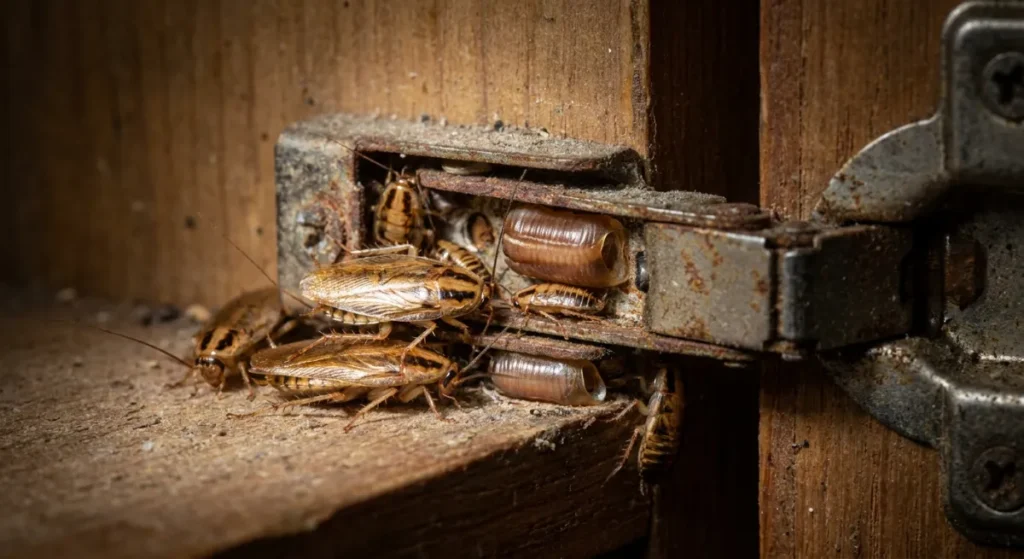
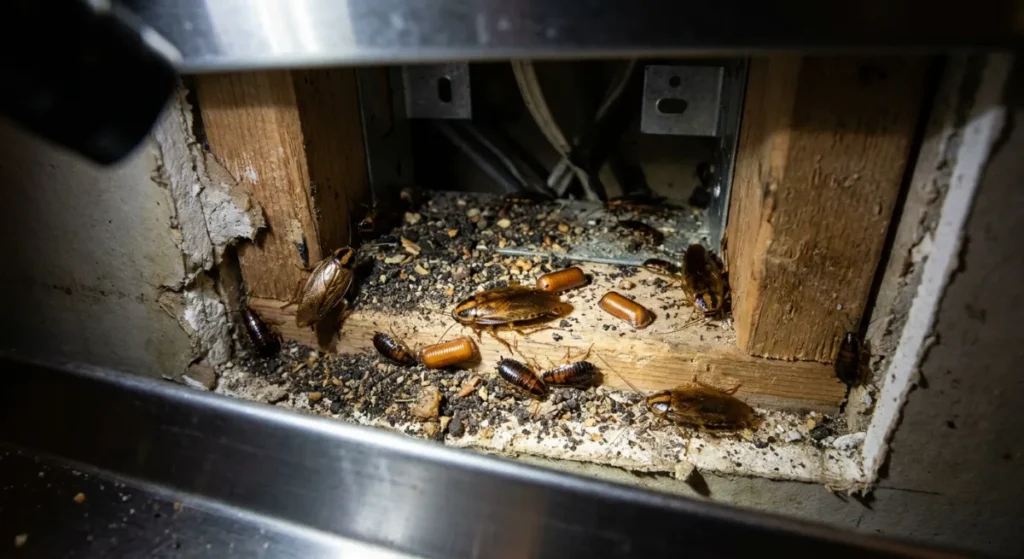
You are staring at a massive cockroach scurrying across the kitchen tiles. Your cat is already in the pounce position.
You want the bugs gone yesterday. But you are terrified of putting toxic chemicals near your furry best friend.
As an Auckland pest technician, I hear this panic on a daily basis. People ring me up, stressed out, asking: is fumigation safe for indoor pets?
The short answer is yes, but only if it is done right. The era of the reckless “spray and pray” exterminator is dead, and good riddance.
Today, professional pest management is a highly regulated science. We do not just blast your skirting boards with poison and hope for the best.
We use targeted, zero-emission treatments that hit the pests where they breed. This keeps your home a safe sanctuary for your dogs, cats, and kids.
Let’s cut through the noise. I am going to tell you exactly what happens during a modern pest treatment, how to prep your home, and why DIY hardware store bombs are the biggest risk to your pet’s health right now.
Key Takeaways
When asking is fumigation safe for indoor pets, the answer depends entirely on preparation and the chemicals used. Professional treatments are perfectly safe provided you follow mandatory evacuation times (usually 4 hours) and secure all food bowls. Cats are highly sensitive to certain chemicals, making Level 3 certified technicians essential.
Understanding the Risks of Chemical Exposure to Animals
Your pets experience your home very differently than you do. A dog sniffs every corner, and a cat will groom its paws after walking across the floor.
This means any chemical residue left on a surface is going straight into their system. When you ask is fumigation safe for indoor pets, you have to look closely at the delivery method.
Old-school fumigation—where a house is tented and pumped full of toxic gas—is rarely used in modern residential Auckland settings. Instead, we use highly targeted surface sprays, gels, and baits.
The real danger comes from the “DIY Cycle of Despair.” Homeowners get frustrated with the autumn 2026 pest surge, run to the hardware store, and set off cheap bug bombs.
These aerosol foggers coat everything in your house in a sticky, toxic film. This includes your pet’s bedding, toys, and water bowls, creating a massive, unnecessary risk.
Why Cats and Dogs are Highly Sensitive to Pyrethrins
Not all pest control products are created equal. Pyrethrins and pyrethroids are common active ingredients used to knock down crawling insects.
While generally safe for humans and dogs once completely dry, they can be highly dangerous to cats if applied incorrectly. Cats lack a specific liver enzyme needed to break down these compounds.
If a cat walks across a wet, freshly sprayed pyrethrin barrier and licks its paws, it can suffer from severe tremors or worse. This is exactly why you need a professional who understands the chemistry.
Never use over-the-counter dog flea treatments or generic hardware store bug sprays around cats. The concentration of pyrethrins in these DIY products is often lethal to felines. Always consult a Level 3 certified technician.
Our Strict Animal Welfare Act Compliance
We do not mess around when it comes to the law or the safety of your animals. Operating in Auckland means adhering to a strict web of regulations.
Under the EPA HPC Notice 2017 and the HSNO Act 1996, anyone handling Class 9 ecotoxic substances must be a Qualified UPM Contractor. This means we hold the New Zealand Certificate in Pest Operations (Level 3).
We know exactly what chemical we are using and how it interacts with the environment. We know exactly how long it takes to become completely inert to mammals, so we do not guess.
Furthermore, we operate strictly under the Animal Welfare Act 1999. If we are dealing with a rodent issue in your roof cavity, we use locked, tamper-proof bait stations.
We never use illegal glue boards under any circumstances. Any live-capture traps must be physically inspected within 12 hours of sunrise to ensure humane treatment.
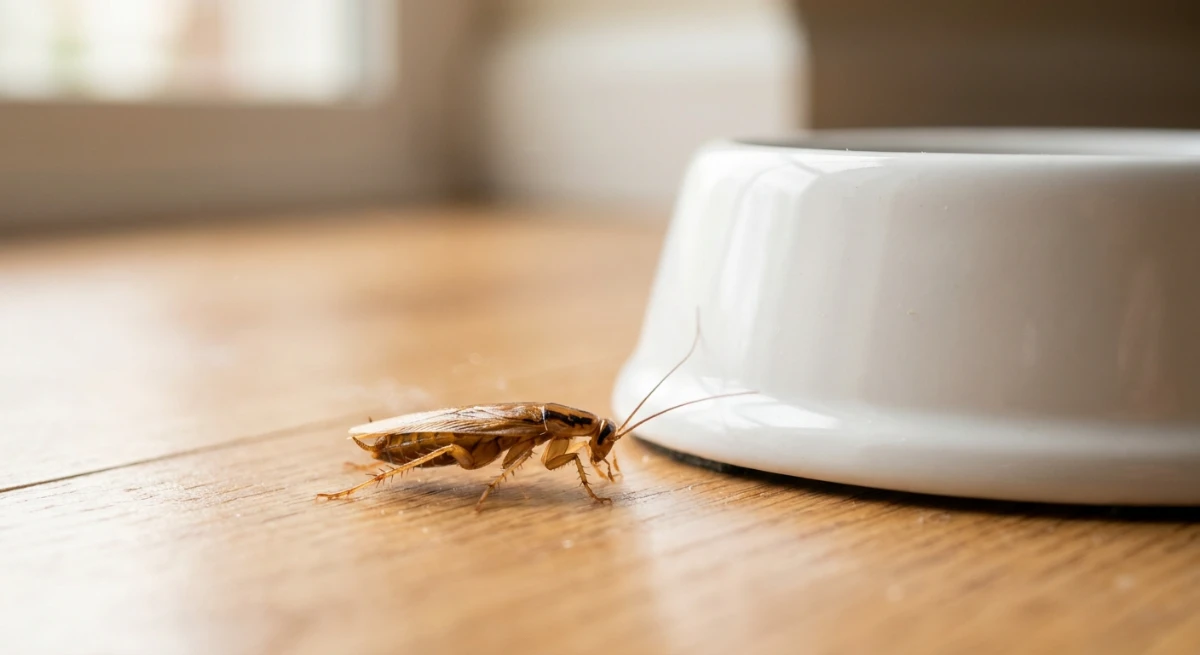
Mandatory Evacuation and Re-Entry Timelines
The golden rule of pest control is isolation during application. When we apply a liquid residual treatment to your skirting boards, it is only a risk while it is wet.
Once it dries, it binds to the surface and is entirely safe for mammals to walk on. You and your pets must leave the house during the treatment.
You need to stay away until the product is completely dry. In a typical Auckland home, especially during the humid autumn months, this takes about four hours.
| Pet Type | Evacuation Time | Special Instructions |
|---|---|---|
| Dogs & Cats | 4 Hours (Until Dry) | Remove all bedding, chew toys, and scratching posts from the floor before treatment. |
| Birds | 24 Hours | Birds have highly sensitive respiratory tracts. Move cages completely off-site. |
| Fish & Aquariums | 0 Hours (If Covered) | Turn off air pumps and filters. Cover tanks with heavy, damp towels to prevent drift. |
| Reptiles | 24 Hours | Similar to birds, reptiles are highly sensitive to airborne particles and require off-site housing. |
Preparing Your Home to Protect Your Pets
A safe treatment starts before we even pull the van into your driveway. You play a massive role in ensuring the environment is secure.
We will send you a pre-treatment checklist, and you need to follow it to the letter. First, clear the floors completely.
Pick up every chew toy, scratching post, and loose blanket. If a toy gets accidentally sprayed, it must be thrown away, so do not take the risk.
Next, vacuum the carpets thoroughly, especially if we are doing an end-of-tenancy flea treatment. Vacuuming vibrates the flea pupae, forcing them to hatch so our treatment can actually eradicate them.
Once you are done, throw the vacuum bag straight into the outside bin to prevent re-infestation.
Do not mop your hard floors or wipe down your skirting boards for at least 48 hours after we treat. You will wash away the residual protection and void your guarantee.
Securing Food Bowls, Bedding, and Aquariums
Food and water bowls are the most critical items to secure. Pick them up, wash them, and lock them in a high cupboard before you leave the house.
If you leave them on the floor, airborne droplets from our targeted sprays could settle on them. Homeowners constantly wonder, is fumigation safe for indoor pets when fish tanks are involved?
Fish tanks require special attention. Fish are incredibly sensitive to even microscopic amounts of pest control products.
If you cannot move the tank, you must turn off the air pump and filter. You must then cover the entire aquarium with a thick, damp towel.
This prevents any chemical drift from entering the water supply. Once the four-hour evacuation window is up, open the doors to ventilate the house before uncovering the tank.
Post-Treatment Sanitisation for Paws and Noses
Alright, the four hours are up, and you are back home. The house might have a faint, clean smell, but the surfaces should be completely dry to the touch.
This means the active ingredients have bonded to the surfaces and the risk to your pets has plummeted. However, if you have a dog that loves to lick the skirting boards, you still need to be vigilant.
Keep an eye on them for the first 24 hours. If you notice any excessive drooling, lethargy, or twitching, call your vet immediately.
It is exceptionally rare with modern, zero-emission treatments, but it is always better to be safe. We provide full Safety Data Sheets (SDS) for every product we use, so your vet will know exactly what was applied.
Even with safe treatments, some pets may experience mild anxiety simply from the disruption of leaving the house. Give them their favorite clean toys and monitor them closely during the first evening back inside.
When It’s Safe to Bring Your Furry Friends Home
We are heavily focused on Predictive Integrated Pest Management (IPM). This means we look for the root cause of the infestation to solve it permanently.
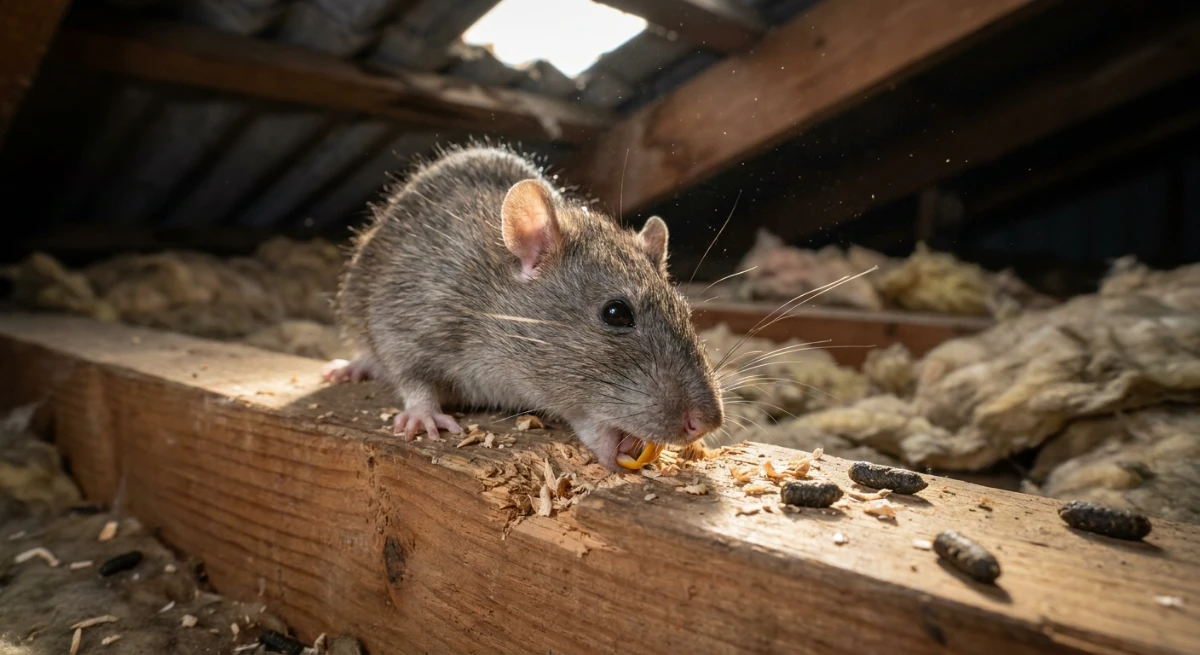
We find the exact entry point where rats are getting into your roof cavity, rather than just spraying poison everywhere. By physically blocking these entry points, we drastically reduce the amount of chemical needed inside your home.
This approach is exactly what the industry is moving toward. In fact, at the upcoming FAOPMA Pest Summit in Auckland this July 2026, the entire theme is ‘FutureProof: Smarter Pest Solutions.’
We back our methods with the ‘Silver Bullet Guarantee.’ We fix the structural issues and apply highly targeted, pet-safe treatments so we do not have to keep coming back.
You get absolute peace of mind, and your pets get to reclaim their sanctuary without the constant threat of toxic exposure.
When you return home after the 4-hour evacuation, open all windows and doors for 15 minutes. This clears out any remaining stagnant air and ensures a fresh environment for your pets.
People Also Ask (FAQ)

About the Author: Ronnie
Founder, Pest Control Auckland · Commercial & Residential Pest Expert · Certified Urban Pest Management Specialist
With years of experience handling highly sensitive residential environments across Auckland, Ronnie is the definitive expert to explain “is fumigation safe for indoor pets“. Having consulted for major commercial facilities and countless family homes, he holds the Level 3 New Zealand Certificate in Pest Operations, ensuring strict adherence to the Animal Welfare Act and HSNO regulations.