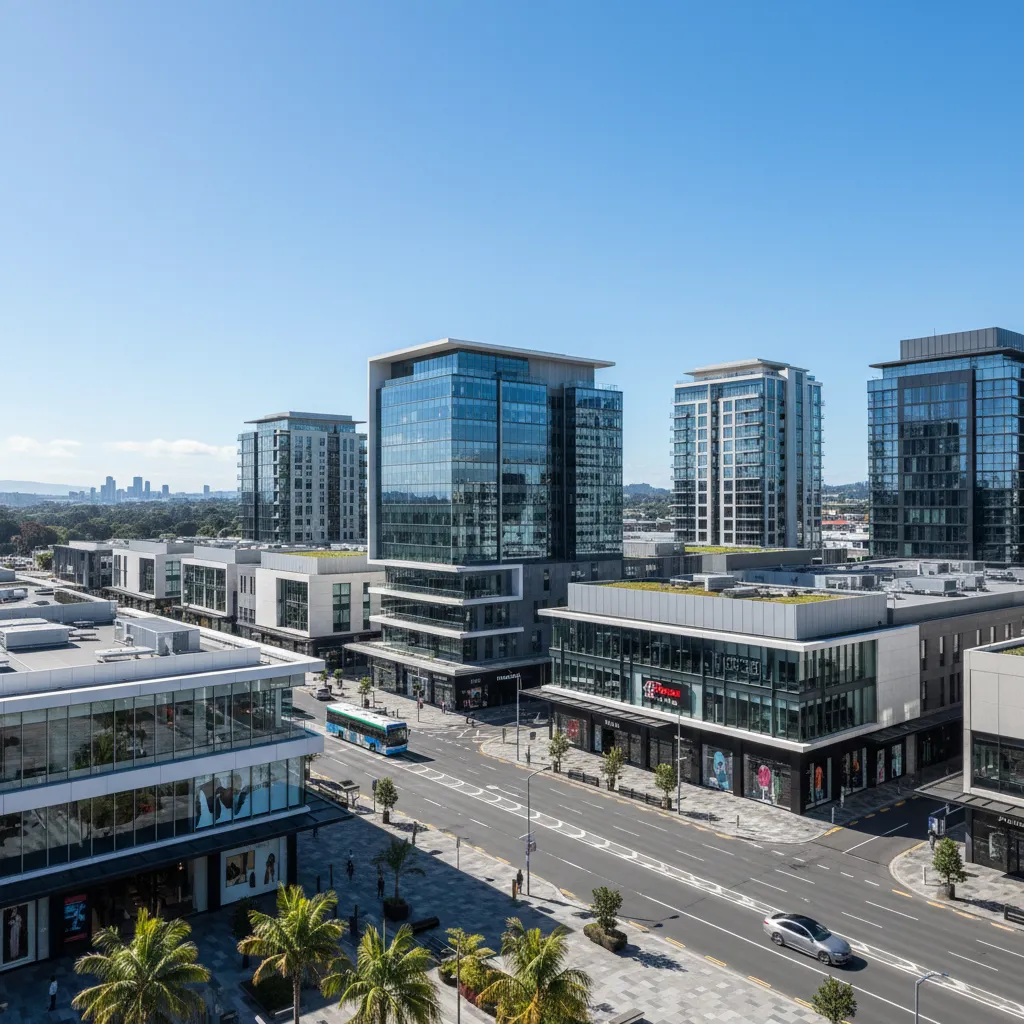
Commercial buildings in Albany New Zealand requiring pest control

Pest Control Albany NZ

Albany has rapidly transformed into one of Auckland’s most dynamic commercial and residential hubs. This massive expansion brings immense economic opportunities, but it also creates the absolute perfect environment for invasive pests. From bustling retail centers and large-scale warehousing to modern residential subdivisions, property owners face relentless pressure from rodents, insects, and textile pests.

The stakes are exceptionally high for local businesses operating under strict Ministry for Primary Industries (MPI) guidelines. A single pest sighting in a commercial kitchen or logistics facility can trigger immediate regulatory action and severe reputational damage. In fact, a recent government report highlighted that the total economic cost of pests to New Zealand has reached a staggering $9.2 billion annually.

Protecting your property requires far more than generic, off-the-shelf sprays. It demands a highly strategic approach tailored to the unique microclimates of the North Shore. Professional pest control in Albany, NZ focuses on long-term exclusion and integrated management to keep your premises secure. By understanding local pest behaviors and seasonal environmental pressures, experts can stop infestations before they impact your bottom line.

Key Takeaways

Effective pest control in Albany, NZ requires specialized Integrated Pest Management (IPM) for both commercial and residential properties. With zero-tolerance MPI regulations, businesses must prioritize proactive exclusion of rodents, cockroaches, and textile pests to prevent structural damage, protect inventory, and ensure regulatory compliance.

Serving Albany’s Growing Residential and Business Hubs

The North Shore, particularly Albany, has experienced explosive growth over the last decade. This once-quiet suburb is now a major economic powerhouse, boasting massive retail complexes like the Westfield Mega Centre, expanding industrial parks around Rosedale, and high-density residential zones. Unfortunately, this rapid urbanization has disrupted natural habitats, forcing pests to seek shelter inside our buildings.

With approximately 30 percent of New Zealand’s food service businesses concentrated in the wider Auckland region, the hospitality sector faces immense pressure. Restaurants, cafes, and food processing plants in Albany must adhere strictly to the Food Act 2014, which mandates a completely pest-free environment. Failing to maintain these rigorous standards can result in immediate closures, massive product recalls, and heavy financial fines.

Beyond hospitality, Albany’s logistics and warehousing sectors are highly vulnerable to commercial infestations. Pallets of goods, extensive cardboard packaging, and vast, climate-controlled storage spaces provide the perfect breeding grounds for invasive species. Implementing professional commercial pest control in Albany, NZ is no longer an optional luxury; it is a critical operational requirement for business continuity.

Commercial buildings in Albany New Zealand requiring pest control

To combat these ongoing threats, local businesses are increasingly turning to Integrated Pest Management (IPM). This scientific approach prioritizes structural exclusion, rigorous sanitation, and targeted baiting over outdated, broad-spectrum chemical fogging. By addressing the root environmental causes of an infestation, IPM provides sustainable, long-term protection for both commercial and residential properties.

Implementing a robust IPM strategy involves collaboration between property managers, staff, and pest control experts. Regular audits and continuous staff training ensure that minor vulnerabilities are addressed before they escalate. This proactive stance is the only reliable way to safeguard Albany’s diverse commercial landscape from relentless pest pressures.

Tailored Solutions for Modern Homes and Warehouses

Every property in Albany presents its own unique set of vulnerabilities and environmental challenges. A residential home nestled near the native bush reserves of the North Shore will face entirely different pest pressures than a concrete warehouse in the Rosedale industrial estate. This is precisely why a one-size-fits-all approach to pest eradication is fundamentally flawed and ultimately ineffective.

For large-scale warehouses and logistics centers, the primary operational goal is preventing pests from compromising valuable inventory. Technicians conduct comprehensive site audits to identify hidden entry points, such as gaps around loading dock doors, compromised utility lines, and damaged roofing. Sealing these structural breaches is the vital first step in securing the perimeter against opportunistic rodents and insects.

These commercial audits also focus heavily on optimizing interior sanitation protocols. Professional pest controllers will often recommend specific changes to waste management and inventory stacking to eliminate potential nesting zones.

  • Pallet Rotation: Implementing a strict first-in, first-out (FIFO) policy reduces the time goods sit stagnant, minimizing the chance of rodent nesting.
  • Clear Zones: Maintaining an 18-inch white-painted inspection aisle between stored goods and the perimeter wall allows for easy detection of droppings.
  • Waste Management: Ensuring all exterior dumpsters are securely sealed and positioned well away from primary building entrances.

Economic Cost of Pests in New Zealand

In modern residential settings, safety and discretion are the top priorities for homeowners. Families require treatments that are highly effective against pests but entirely safe for children and domestic pets. Eco-friendly, non-toxic formulations are strategically applied to targeted nesting sites, ensuring maximum impact with zero environmental cross-contamination.

⚠️

Compliance Risk for Businesses

Under MPI guidelines, businesses operating in food processing and warehousing face a strict zero-tolerance threshold for pest contamination. Ignoring early warning signs can lead to immediate failed health inspections and severe regulatory penalties.

Whether you are managing a sprawling commercial portfolio or protecting your family home, proactive monitoring is essential. Advanced baiting stations and digital monitoring tools allow technicians to track pest activity in real-time. This data-driven approach ensures that reliable pest control services in Albany, NZ adapt dynamically to seasonal shifts and emerging local threats.

Specialized Treatments for Albany Properties

Auckland’s inherently humid, subtropical climate creates the absolute perfect breeding ground for a wide variety of invasive species. High temperatures and sticky humidity during the Kiwi summer cause insect populations to explode rapidly. Generic hardware store sprays simply cannot penetrate the deep, hidden nesting sites of these established colonies.

Furthermore, the wet and blustery Auckland winters drive outdoor pests, such as rodents and spiders, directly into the warmth of our homes and businesses. This seasonal migration means that property owners must remain vigilant year-round. An exterior perimeter treatment applied in late spring is crucial for establishing a defensive barrier before the summer breeding frenzy begins.

Professional exterminators utilize advanced, industry-grade treatments that specifically disrupt the breeding cycles of local pests. This involves a highly calculated combination of insect growth regulators (IGRs), targeted gel baits, and residual perimeter sprays. By breaking the reproductive cycle, technicians can systematically collapse an entire colony from the inside out.

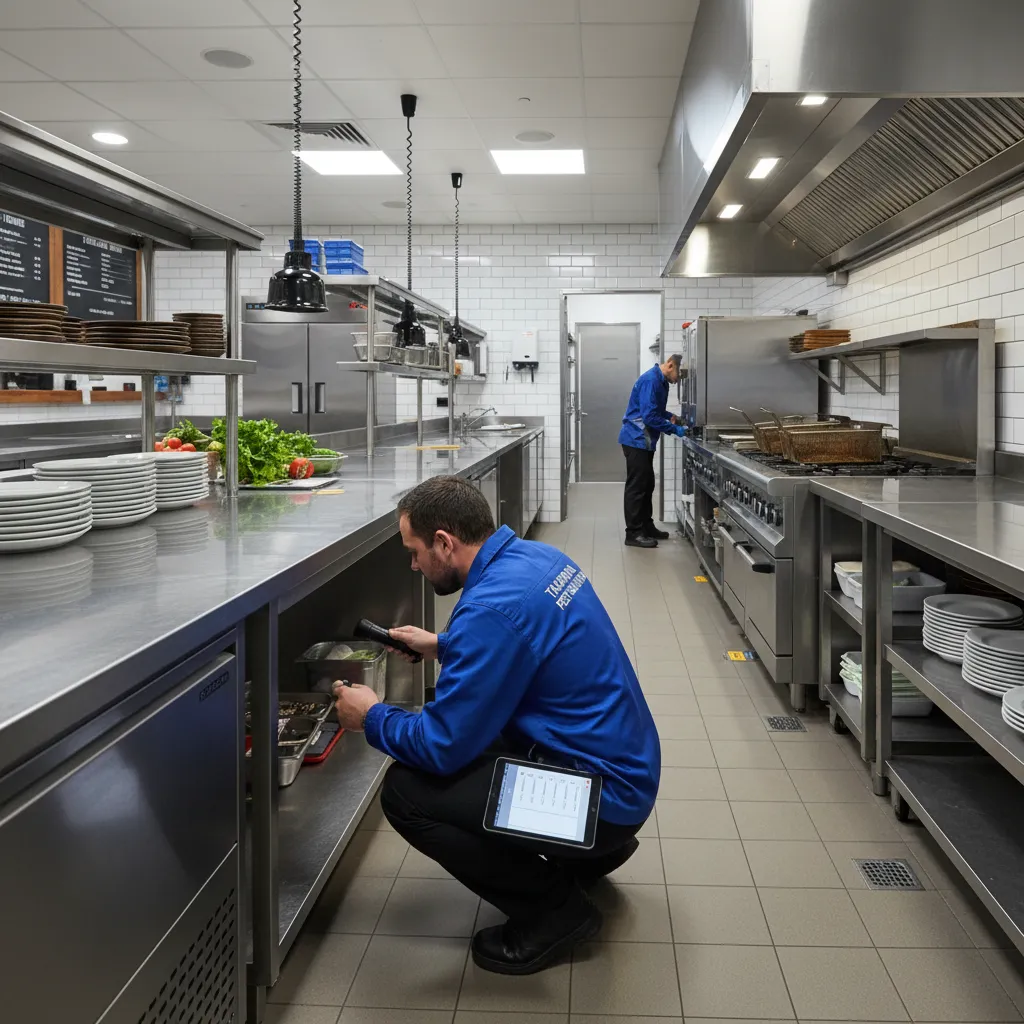
Pest control technician inspecting a warehouse

💡

Proactive Seasonal Protection

Schedule your perimeter barrier treatments in early spring before the summer heat triggers massive insect breeding cycles. Preventative action is always significantly more cost-effective than reactive eradication after an infestation has taken hold.

Effective treatment also requires a deep, technical understanding of structural vulnerabilities. A thorough inspection often reveals hidden entry points, such as damaged weather stripping, cracked concrete foundations, and unsealed pipe penetrations. Applying high-quality silicone sealants and installing durable bristle sweeps on exterior doors can drastically reduce pest entry without relying on chemical applications.

Property managers must also prioritize ongoing staff training and pest awareness programs. Employees are often the first to notice the subtle signs of an infestation, such as droppings, gnaw marks, or unusual musky odors. Establishing a clear reporting protocol ensures that expert pest control in Albany, NZ is deployed immediately, preventing a minor issue from escalating into a full-blown crisis.

Textile Pests, Rodents, and Cockroaches

The economic impact of rodents on New Zealand businesses is staggering, running into the millions of dollars annually. The primary culprits affecting Albany properties are the Norway rat, the Ship rat (or Roof rat), and the common house mouse. Because their incisors grow continuously, rodents are biologically compelled to gnaw on hard materials, including PVC electrical insulation.

This biological necessity leads to catastrophic damage to structural timber, plumbing networks, and critical electrical wiring. In fact, rodents are a leading cause of undetermined electrical fires in commercial buildings across the country. Immediate, decisive intervention is absolutely critical to mitigate these severe fire hazards and protect your essential infrastructure.

Ship rats are particularly agile climbers, frequently infiltrating buildings through the roof space and nesting in ceiling insulation. In contrast, Norway rats are burrowers that tend to undermine concrete slabs and nest in lower building levels. Identifying the exact species is crucial for placing traps and tamper-proof bait stations effectively.

Commercial rodent control bait station

Cockroaches, particularly the German Cockroach, are widely considered public enemy number one for Auckland restaurants and food processing facilities. They thrive in the warm, humid microclimates behind dishwashers, commercial ovens, and industrial refrigeration units. A single female can produce hundreds of offspring in just a few short months, rapidly contaminating food prep surfaces with disease-causing bacteria.

📝

Textile Pests in Retail

Carpet beetles and clothes moths pose a silent but highly destructive threat to Albany’s retail clothing stores and residential wardrobes. They feed on natural fibers like wool and silk, causing irreversible damage to expensive garments, upholstery, and carpets.

To clearly outline the risks and management strategies for these common invaders, we have compiled a detailed comparison table below. Understanding the specific behaviors and habitats of these pests is the first critical step in implementing a robust defense strategy.

Pest Type Primary Commercial Risk Preferred Habitat Targeted Treatment Method
Rodents (Rats & Mice) Electrical fires, inventory contamination, structural damage. Wall cavities, ceiling voids, pallet storage areas. Tamper-proof bait stations, structural exclusion sealing.
German Cockroaches Pathogen transmission, failed MPI health inspections. Commercial kitchens, behind warm appliances, drains. Targeted insect growth regulators (IGRs) and gel baits.
Textile Pests (Moths) Irreversible damage to natural fiber inventory and carpets. Dark storage rooms, wardrobes, retail display units. Pheromone traps, deep sanitation, residual fabric safe sprays.

Get in Touch with Our Albany Team

When a severe infestation takes hold, do-it-yourself methods often fall drastically short, leaving business owners frustrated and out of pocket. Protecting your commercial or residential property requires the deep expertise of seasoned professionals who understand the specific environmental pressures of the North Shore. We are dedicated to providing the most reliable and discreet pest control in Albany, NZ.

Our specialized team utilizes the latest in pest detection technology and eco-friendly eradication methods to ensure total peace of mind. We proudly offer tailored, highly effective solutions designed specifically for modern homes, retail spaces, and industrial warehouses. Do not let pests compromise your family’s health, your business’s reputation, or your regulatory standing.

Book Your Site Audit Today

Contact our local Albany team to schedule a comprehensive, confidential site inspection. We will identify structural vulnerabilities and design a custom Integrated Pest Management plan specifically for your property.

By establishing a long-term, protective barrier around your property, you can proactively reclaim your space from unwanted invaders. Reach out to our experts today to secure your premises and maintain a safe, compliant environment year-round. Investing in professional pest management is an investment in your property’s long-term value and safety.

Pest control expert consulting with a client in Albany

People Also Ask (PAA)

Why is commercial pest control essential for Albany businesses?
Commercial pest control is absolutely essential due to strict health and safety regulations, particularly the Food Act 2014 and MPI guidelines. Albany has a dense concentration of hospitality, retail, and warehousing businesses that face a zero-tolerance threshold for pest contamination. A professional service protects your inventory, prevents electrical fires caused by rodents, and safeguards your brand’s reputation from the severe consequences of a failed health inspection.
How often should a warehouse in Albany schedule pest inspections?
For large-scale warehouses and logistics centers, monthly professional inspections are highly recommended. Warehouses constantly receive new pallets and cardboard shipments, which can easily introduce hidden pests like rodents and cockroaches. Frequent monitoring ensures that any new pest activity is detected and neutralized immediately, preventing costly damage to stored goods and structural wiring.
Are the pest control treatments safe for residential homes with pets?
Yes, modern professional pest management prioritizes the safety of your family and domestic pets. Experts utilize non-toxic, eco-friendly formulations and tamper-proof bait stations rather than outdated, broad-spectrum chemical sprays. Technicians will always provide clear safety instructions, such as keeping pets away from treated areas until the application has completely dried, ensuring total safety without compromising effectiveness.
What are the signs of a rodent infestation in a commercial building?
The most common indicators of a rodent problem include small, dark droppings along baseboards, distinct gnaw marks on wood or electrical wiring, and a strong, musky odor in enclosed spaces. You may also notice shredded paper or cardboard used for nesting material, or hear scratching noises inside wall cavities and ceiling voids during the night. If you spot any of these signs, immediate professional intervention is crucial.
How does Integrated Pest Management (IPM) work?
Integrated Pest Management (IPM) is a comprehensive, scientific approach that focuses on long-term prevention rather than just reacting to visible pests. It combines rigorous sanitation practices, structural exclusion (like sealing cracks and gaps), and targeted biological or chemical treatments only when necessary. This method addresses the root causes of infestations, making it highly sustainable and environmentally responsible.
What makes German Cockroaches so difficult to eradicate?
German Cockroaches are notoriously difficult to eliminate because they breed at an exceptionally rapid rate and thrive in hidden, hard-to-reach microclimates like the warm voids behind commercial ovens and dishwashers. They have also developed resistance to many over-the-counter insect sprays. Complete eradication requires professional-grade insect growth regulators (IGRs) and strategic gel baiting to systematically destroy the entire colony.

Leave a Comment

Your email address will not be published. Required fields are marked *

Scroll to Top