Autumn Rodent Control Auckland Commercial Building

Autumn Surge Rodent Exclusion

The mild winter and scorching summer of 2025 created a perfect storm for urban pest breeding cycles. Now, as we navigate through May 2026, the city is experiencing an unprecedented surge in rat and mouse activity. For homeowners and commercial operators alike, the sudden drop in temperature signals the start of a relentless invasion. Rats are actively seeking warmth, shelter, and reliable food sources inside our walls, sub-floors, and roof voids.

With New Zealand’s hospitality sector hitting a record $15.99 billion turnover in FY2025, the stakes have never been higher for local businesses. Commercial kitchens, local cafes, and food storage facilities face immense pressure to maintain zero-tolerance hygiene standards. Failing a Ministry for Primary Industries (MPI) audit due to a rodent infestation is a business-ending catastrophe. This is why proactive autumn rodent control auckland is no longer just a recommendation; it is a strict legal and commercial necessity.

The era of reactive, toxic “spray and pray” applications is officially dead. Today, resolving an infestation requires a highly strategic, predictive approach. We must focus on structural exclusion, root-cause analysis, and environmentally responsible eradication methods. By understanding the biological drivers behind this seasonal migration, we can implement permanent solutions rather than temporary fixes.

Key Takeaways

Auckland’s 2026 autumn rodent surge demands urgent, professional action. DIY baits often fail and pose severe safety risks. Our Level 3 certified technicians utilize a prevention-first “Silver Bullet” exclusion strategy to find root-cause entry points, ensuring your property remains legally compliant and permanently rat-free.

Why Autumn is Peak Season for Rat Infestations

Autumn Rodent Control Auckland Commercial Building

Rodents do not hibernate during the colder months; instead, their survival instincts drive them to seek out artificial warmth. As the ambient temperature drops across the Hauraki Gulf and suburban neighborhoods, rats instinctively migrate indoors. Roof voids, insulated wall cavities, and warm commercial kitchens become highly contested prime real estate for these pests.

Recent regional biosecurity efforts have also shifted the pest landscape. Following a massive late-2025 aerial 1080 drop, rat tracking in the Hūnua Ranges plummeted to an astonishing 1.3%. While rural and conservation areas are celebrating these massive eradication successes, displaced and surviving rodent populations are pushing heavily into urban and suburban zones.

This urban migration is clearly reflected in our callout data. As the chart below demonstrates, the transition from late summer to early autumn triggers a massive spike in residential and commercial distress calls. Implementing effective autumn rodent control auckland is critical before these initial scouts establish permanent breeding colonies inside your property.

Auckland Seasonal Rodent Callouts Chart

Dropping Temperatures and Food Scarcity

During the summer, rats and mice feast on abundant outdoor resources, including fallen fruit, unsecured rubbish, and thriving insect populations. However, as autumn progresses, these natural food sources rapidly dwindle. This scarcity forces rodents to become increasingly bold, venturing into human habitats in desperate search of sustenance.

Once inside, a single pair of rats can quickly escalate into a severe infestation, producing up to a dozen offspring every few weeks. They contaminate stored food, chew through expensive electrical wiring, and spread dangerous pathogens. The longer you wait to address the issue, the more entrenched and destructive the colony becomes.

The Failure of DIY Hardware Store Baits

⚠️

Warning: The DIY Cycle of Despair

Hardware store baits often utilize outdated, single-dose anticoagulants. Not only are these ineffective against resistant rat populations, but they also pose a severe secondary poisoning risk to household pets and native wildlife.

Many Aucklanders fall into the trap of purchasing cheap, over-the-counter rodenticides at the first sign of a rat. Unfortunately, these products rarely solve the underlying issue. Rats are highly intelligent and exhibit “bait shyness,” meaning they will quickly learn to avoid poorly placed or low-quality toxins.

Furthermore, relying solely on DIY baits ignores the most crucial aspect of pest management: identifying how the rodents are getting inside in the first place. You can bait endlessly, but if the structural entry point remains open, new rats will simply replace the dead ones. This is a frustrating and expensive cycle that only a professional pest control in Auckland service can break.

Feature DIY Hardware Store Baits Professional Level 3 Exclusion
Eradication Speed Slow (Often leads to bait shyness) Rapid and highly targeted
Root Cause Resolution None (Entry points remain open) Comprehensive structural exclusion
Pet & Child Safety High risk of accidental ingestion Secured, tamper-proof bait stations
Legal Compliance Does not meet Food Act 2014 standards Fully compliant with MPI and HACCP

Our ‘Silver Bullet’ Exclusion Strategy

Pest Control Technician Roof Inspection Auckland

At Pest Control Auckland, we refuse to simply “spray and pray.” Our methodology is built around what we call the Silver Bullet Exclusion Strategy. This approach shifts the focus from endless, reactive baiting to proactive, permanent structural defense.

By physically blocking the pathways that rodents use to enter your property, we cut off the infestation at its source. This predictive Integrated Pest Management (IPM) model is the only guaranteed way to achieve long-term peace of mind. It is safer for your family, better for the environment, and ultimately more cost-effective.

Entomological Approach to Finding the Source

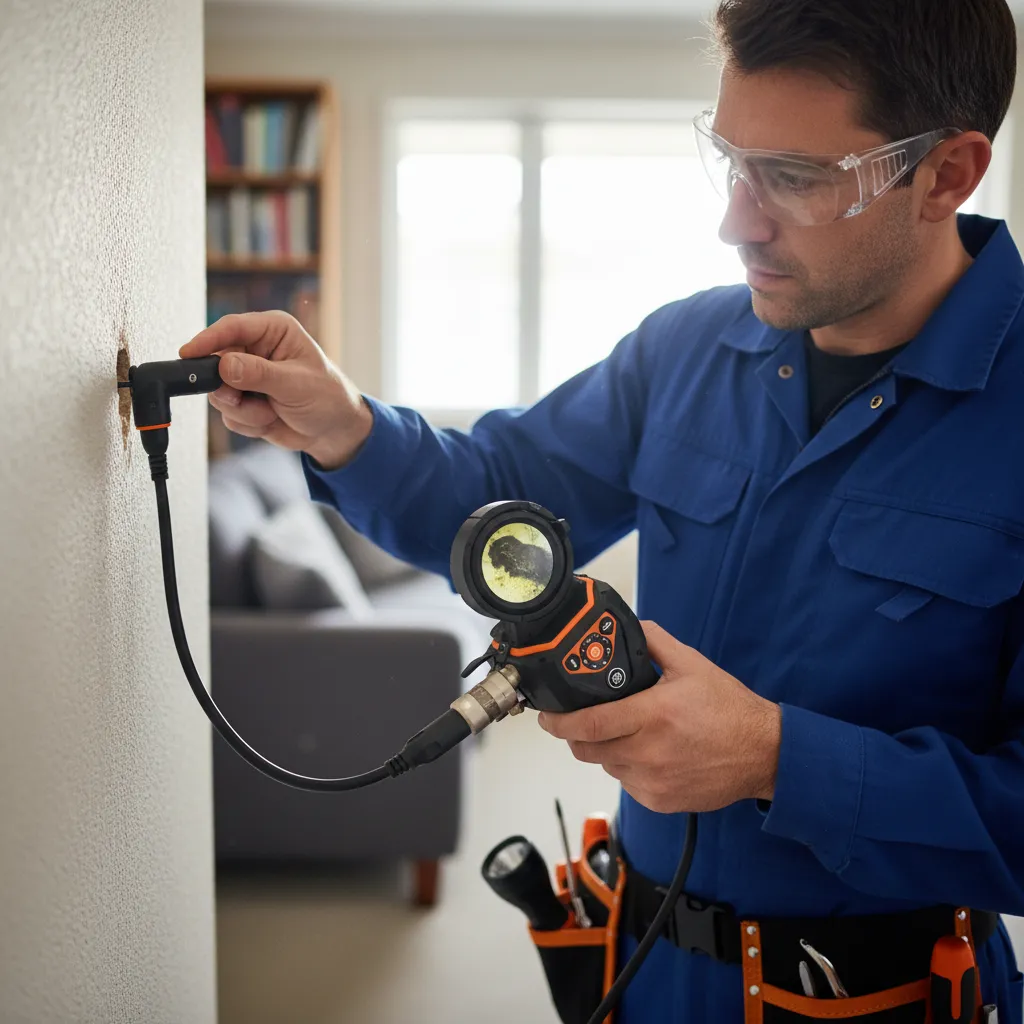
To defeat a pest, you must think like one. Our technicians utilize an entomological and behavioral approach to track rodent movements. We don’t just look for droppings; we analyze smear marks, gnaw patterns, and nesting materials to map out their exact travel routes.

Rats possess collapsible skeletons, allowing them to squeeze through gaps as small as a New Zealand two-dollar coin. During our comprehensive property inspections, we meticulously identify these hidden vulnerabilities. Common structural entry points include:

  • Unsealed weep holes in exterior brickwork.
  • Gaps around plumbing and electrical penetrations.
  • Damaged or missing sub-floor ventilation grates.
  • Overhanging tree branches that provide direct roof access.

Once identified, we provide actionable advice and mechanical solutions to seal these gaps. This ensures that once the current population is eradicated, no future generations can take their place.

Level 3 Certified Technicians on the Job

Level 3 Certified Pest Control Technician Auckland

The regulatory landscape in New Zealand is incredibly strict, and for good reason. Under the EPA’s Hazardous Substances (Hazardous Property Controls) Notice 2017, handling Class 9 ecotoxic substances requires operators to hold the New Zealand Certificate in Pest Operations (Level 3). Our entire team is fully certified and legally compliant.

We also strictly adhere to the Animal Welfare Act 1999. The law mandates that any live-capture traps must be manually inspected within 12 hours after sunrise each day. We manage this complex compliance for our commercial clients, ensuring that all trapping programs are both humane and entirely legal.

📝

Note: Industry Leadership at FAOPMA 2026

Auckland is preparing to host the prestigious FAOPMA Pest Summit from July 15-17, 2026, at the NZICC. As local industry leaders, our team is continuously updating our methodologies to align with the latest global advancements in eco-conscious pest management.

Don’t Wait Until You Hear Scratching in the Ceiling

Pest Free Auckland Home Interior

The most common mistake Aucklanders make is waiting until they hear frantic scratching above their bedrooms at 2 AM. By the time rodents are making that much noise, the infestation is already well-established. Early intervention is the key to minimizing damage and reducing treatment costs.

For landlords and property managers, proactive autumn rodent control auckland is essential for maintaining harmonious tenancies. Under the Residential Tenancies Act, landlords are legally obligated to provide a safe, pest-free living environment. Addressing pest complaints swiftly prevents costly Tenancy Tribunal disputes and protects your valuable real estate assets.

💡

Tip: Spotting the Early Signs

Look out for small, dark droppings in pantry corners, greasy smear marks along baseboards, and unexplained gnaw damage on food packaging. If you spot any of these, book an inspection immediately.

Book an Urgent Autumn Rodent Inspection

Do not let the 2026 autumn surge compromise the safety of your family or the reputation of your commercial business. Our team is fully equipped, highly trained, and ready to deploy our predictive exclusion strategies across the greater Auckland region.

We believe in absolute transparency. For a standard 3-bedroom Auckland home, our comprehensive rodent control packages range from $155 to $325, depending on the severity of the infestation and the required exclusion work. There are no hidden fees, and we back our work with a robust service guarantee.

Action: Secure Your Property Today

Reclaim your peace of mind. Contact Pest Control Auckland today to book an urgent inspection and implement a permanent, root-cause solution to your rodent problems.

Frequently Asked Questions (FAQ)

How much does rodent control cost in Auckland?

For a standard 3-bedroom home, professional rodent control typically ranges between $155 and $325. The final cost depends on the severity of the infestation, the size of the property, and the extent of the structural exclusion work required.

Who pays for pest control, the landlord or the tenant?

Under the Residential Tenancies Act, landlords are responsible for providing a pest-free property at the start of the tenancy. If an infestation occurs due to structural issues, the landlord pays. If it occurs due to the tenant’s lack of cleanliness, the tenant may be liable.

Are your rat baits safe for dogs and cats?

Yes. We use highly secure, tamper-proof bait stations that are physically impossible for dogs, cats, or children to open. Our technicians strategically place these stations in inaccessible areas to ensure absolute safety.

How long does a professional rat treatment take?

The initial inspection and treatment setup usually takes between 1 to 2 hours. However, complete eradication of the colony can take anywhere from a few days to a couple of weeks, depending on the size of the population.

Why are hardware store rat baits ineffective?

Hardware store baits often use older, less potent active ingredients that rats have developed a resistance to. Furthermore, DIY application fails to address the root cause, leaving entry points wide open for new rodents to enter.

What are the rules for live rat traps in New Zealand?

Under the Animal Welfare Act 1999, any live-capture trap set in New Zealand must be manually inspected within 12 hours after sunrise every single day. This ensures humane treatment and prevents prolonged suffering.

About the Author: Ronnie C.

Ronald Cronje (Ronnie C.) is the founder and lead technician of Pest Control Auckland, an Orewa-based family business serving Rodney, the Hibiscus Coast, and the greater Auckland region.

With years of experience in urban pest management and Level 3 UPM certification, Ronnie C. is the definitive expert to write about Autumn Surge Rodent Exclusion. Having consulted for numerous commercial hospitality venues across Auckland to ensure strict Food Act 2014 compliance, his predictive, entomology-based approach to exclusion provides unparalleled, long-term protection against seasonal rat infestations.

Leave a Comment

Your email address will not be published. Required fields are marked *

Scroll to Top