Dealing with wasps and bees in Auckland gardens requires a nuanced approach that prioritizes safety, effective pest management for invasive species like wasps, and crucial conservation efforts for beneficial pollinators such as bees. Understanding their distinct characteristics and behaviors is fundamental to making informed decisions for your property.
Distinguishing Wasps from Bees in Your Auckland Garden
Accurately identifying whether a buzzing insect is a wasp or a bee is the crucial first step in any management strategy. Misidentification can lead to inappropriate action, potentially harming beneficial pollinators or exacerbating a wasp problem. While both are winged insects, their physical traits, behavior, and ecological roles differ significantly, especially in Auckland’s unique ecosystem.
Physical Characteristics: Spotting the Differences
Observe these key visual cues to tell them apart:
- Body Shape: Wasps typically have a more slender, streamlined body with a distinct, narrow ‘waist’ (petiole) connecting the thorax and abdomen. Bees, conversely, tend to be hairier, rounder, and more robust in appearance, often described as ‘stocky’.
- Hairiness: Bees are generally covered in dense, fuzzy hairs, which help them collect and transport pollen. Wasps, in contrast, have smooth, relatively hairless bodies.
- Coloration: While both can have yellow and black stripes, wasp patterns are often starker and more vibrant. Bees, particularly honey bees, tend to have more muted yellow and brown banding. Native bees in Auckland can vary greatly, with some being metallic or dark-bodied.
- Legs: Bees often have flattened hind legs adapted for carrying pollen (pollen baskets or corbiculae), which wasps lack.
Behavioral and Ecological Distinctions
Beyond appearance, their habits and roles in the environment are vastly different:
- Diet: Bees are primarily vegetarians, feeding on nectar and pollen from flowers. They are vital pollinators. Wasps, especially common and German wasps, are predators and scavengers. They hunt other insects to feed their larvae and are attracted to sweet foods and proteins, becoming a nuisance at picnics or outdoor events.
- Aggression: Wasps, particularly common and German wasps, can be highly aggressive, especially when their nest is disturbed or when scavenging for food. They can sting multiple times. Honey bees are generally docile and will only sting if they feel their hive is directly threatened, after which they die. Native bees are even less likely to sting.
- Nesting Habits: Honey bees build intricate wax comb hives, often in tree cavities or man-made structures. Native bees may nest in the ground, in hollow stems, or wood. Wasps build nests from chewed wood pulp, creating papery structures. Common and German wasps often build large, concealed nests underground, in wall cavities, or in dense bushes. Paper wasps build smaller, open comb nests often under eaves or sheltered spots.
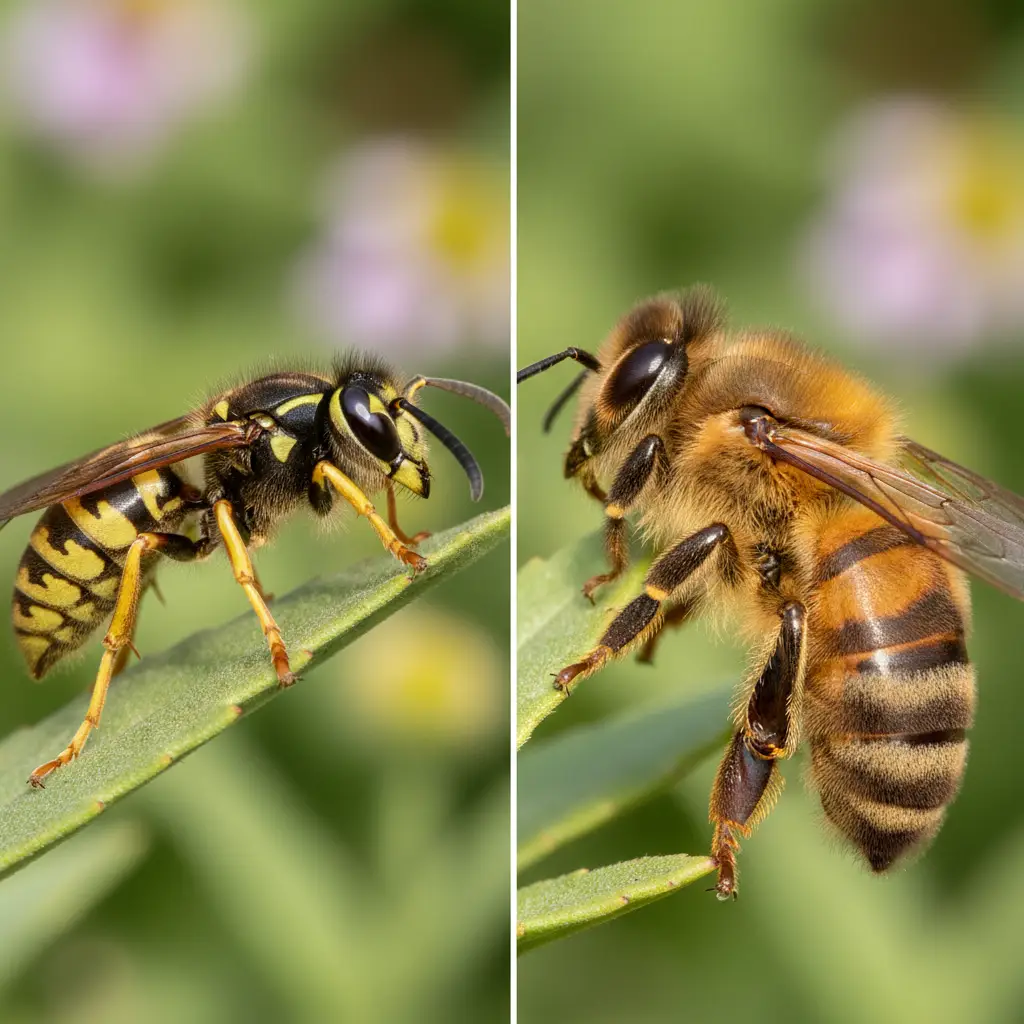
In Auckland, the most problematic wasp species are the introduced German wasp (Vespula germanica) and common wasp (Vespula vulgaris), known for their large colonies and aggressive scavenging. Honey bees (Apis mellifera) are also introduced but are crucial for agriculture and native plant pollination. Auckland also hosts a variety of native bee species, which are often solitary and much smaller, playing a vital role in local ecosystems.
Safe and Effective Wasp Nest Removal Protocols
Wasp nests, particularly those of the common and German wasp, pose a significant health risk due to their aggressive nature and the potential for multiple stings. Safe removal is paramount, and often requires professional expertise. Attempting DIY removal without proper knowledge and equipment can lead to serious injury.
When and Why Professional Intervention is Necessary
While a small, exposed paper wasp nest might be manageable with extreme caution, larger, concealed nests of common or German wasps demand professional attention. These nests can house tens of thousands of wasps and, when disturbed, can unleash a furious swarm. Professionals have the necessary protective gear, specialized insecticides, and techniques to eliminate nests safely and effectively, minimizing risk to inhabitants and pets.
- Nest Location: Nests in difficult-to-reach areas (e.g., wall cavities, high trees, underground) are best left to experts.
- Nest Size: Large, established nests represent a significant threat.
- Allergies: If anyone in the household has a severe allergy to wasp stings, professional removal is non-negotiable.
- Safety: Professionals ensure the safety of residents, pets, and the environment.
Understanding Wasp Nest Types and Removal Strategies
The approach to removal depends heavily on the type and location of the wasp nest:
- Ground Nests: Common and German wasps frequently build nests underground, often utilizing old rodent burrows or natural depressions. These can be hard to spot and are extremely dangerous if stepped on or disturbed. Professional treatment involves applying insecticidal dust directly into the entrance, which the wasps track into the nest, eliminating the colony.
- Aerial Nests: Found hanging from trees, bushes, or under eaves, these papery nests are often visible. While seemingly more accessible, they can still be large and highly defended. Professionals use targeted sprays or dusts to neutralize the colony safely.
- Cavity Nests: Wasps often colonize wall cavities, roof spaces, or sheds. These nests are hidden, making them difficult to locate and treat effectively without specialized equipment. Professionals use dusting equipment to reach deep into cavities, ensuring eradication without damaging structures.
It is important to act quickly once a wasp nest is identified. Early intervention can prevent the nest from growing to an unmanageable size and reduce the risk of stings. For a comprehensive understanding of wasp management specific to New Zealand, resources like the Department of Conservation provide valuable insights into controlling these invasive pests.
Bee Relocation and Conservation Efforts in Auckland
Unlike wasps, bees are vital pollinators essential for both our food supply and the health of native ecosystems. In Auckland, the presence of bees, whether introduced honey bees or native species, should be celebrated and protected. If you find a bee swarm or an established hive in an inconvenient location, the goal should always be safe relocation rather than eradication.
The Critical Role of Bees in Our Environment
Bees are responsible for pollinating a significant portion of the world’s crops and native flora. Without them, many plants would not be able to reproduce, leading to a decline in biodiversity and food scarcity. In Auckland, honey bees contribute significantly to local agriculture and urban gardening, while native bees play unique roles in pollinating indigenous plants, ensuring the health of our natural heritage.
Identifying Bee Swarms vs. Established Hives
- Bee Swarms: A bee swarm is a temporary cluster of bees, often hanging from a tree branch or bush, typically the size of a football. This is a natural part of a honey bee colony’s reproduction, where the old queen leaves with a portion of the colony to find a new home. Swarms are usually very docile as they have no nest to defend and are focused on finding a new home. They are temporary and often move on within a few hours or days.
- Established Hives: An established hive is a permanent residence where bees have built comb and are actively raising brood and storing honey. These can be found in tree hollows, wall cavities, compost bins, or old tyres. While generally docile, an established hive will defend itself if it feels threatened.

Safe Bee Relocation: A Call to Expertise
If a bee swarm or hive is located in a problematic area, such as near a doorway, playground, or within a wall cavity of your home, contacting a professional bee remover or a local beekeeper is the safest and most responsible course of action. These specialists are equipped to gently collect swarms or extract established hives with minimal stress to the bees, relocating them to a safe apiary or suitable natural environment.
Never attempt to spray or kill bees. This harms crucial pollinators and can make the situation worse if the hive dies within a wall cavity, attracting other pests. Many pest control companies in Auckland offer bee relocation services, working with local beekeepers to ensure the bees’ survival.
Supporting Bee Populations in Your Garden
You can actively contribute to bee conservation in Auckland by:
- Planting Bee-Friendly Flowers: Choose a variety of flowering plants that provide nectar and pollen throughout the year. Consider native plants that support local bee species.
- Avoiding Pesticides: Refrain from using broad-spectrum insecticides that can harm bees. If pest control is necessary, opt for organic solutions or targeted treatments applied at times when bees are not active.
- Providing Water: Offer a shallow water source with landing spots (e.g., pebbles) for bees to drink safely.
- Creating Habitat: Leave some areas of your garden wild for native ground-nesting bees, or provide bee hotels for solitary bees.
Preventative Measures for a Safer Auckland Garden
Proactive steps can significantly reduce the likelihood of both wasp infestations and unwanted bee encounters, ensuring your Auckland garden remains a safe and enjoyable space for everyone.
Minimising Attractants for Wasps
- Food Management: Wasps are highly attracted to food sources. Keep all outdoor food and drinks covered, especially during summer months. Promptly clean up spills and fallen fruit. Securely seal rubbish bins.
- Garden Maintenance: Regularly inspect your garden for signs of wasp activity. Trim back dense bushes and vegetation, as these can provide sheltered nesting sites. Seal any cracks or crevices in your home’s exterior that wasps might use to enter wall cavities.
- Trapping: Wasp traps, particularly during the peak season (late summer/autumn), can help reduce foraging populations around high-traffic areas. However, these are generally a supplementary measure and not a solution for an active nest.
Creating a Bee-Friendly, Wasp-Unfriendly Environment
- Strategic Planting: While encouraging bees with flowering plants, consider placing highly attractive plants further away from high-traffic outdoor living areas to minimize direct interaction.
- Water Sources: Provide a dedicated water source for bees, as mentioned above. This can prevent them from seeking water from unintended places like pet bowls or swimming pools.
- Waste Management: Ensure compost bins are sealed and regularly turned. Keep recycling bins clean and free of sugary residues.
Why Professional Help is Crucial for Wasp & Bee Management
Navigating the complexities of wasp nest removal and bee relocation requires expertise, safety protocols, and an understanding of local ecological considerations. For Auckland residents, engaging professional pest control services offers peace of mind and effective, responsible solutions.
The Benefits of Expert Intervention
- Safety First: Professionals are equipped with personal protective equipment and specialized tools to safely manage aggressive wasps and handle bee colonies without risk to themselves or others.
- Effective Eradication/Relocation: They have the knowledge to correctly identify species, locate hidden nests, and apply the most effective and humane methods for either eradication (wasps) or relocation (bees). This ensures the problem is resolved thoroughly, minimizing recurrence.
- Environmental Responsibility: Reputable services in Auckland understand the importance of distinguishing between pests and pollinators. They prioritize environmentally sound methods, ensuring that beneficial insects are protected while invasive pests are controlled responsibly.
- Long-term Solutions: Beyond immediate removal, experts can offer advice on preventative measures tailored to your property, helping to mitigate future issues.
- Time and Convenience: Dealing with a wasp nest or a bee swarm can be time-consuming and stressful. Professional services save you effort and provide a swift resolution.
For any significant wasp infestation or bee relocation need in your Auckland garden, contacting a professional pest control service that specializes in both responsible wasp management and bee conservation is the most prudent course of action. They ensure that safety, effectiveness, and environmental stewardship are all upheld. Consider consulting the Ministry for Primary Industries (MPI) for broader information on pest control regulations and initiatives in New Zealand.
By understanding the nuances of wasp and bee behavior, prioritizing safety, and engaging expert services when needed, Auckland gardeners can cultivate a harmonious outdoor environment that protects vital pollinators while managing invasive pests effectively.
People Also Ask
What is the best way to get rid of a wasp nest in Auckland?
The best and safest way to get rid of a wasp nest in Auckland, especially for common or German wasps, is to contact a professional pest control service. They possess the necessary protective gear and specialized treatments to safely and effectively eradicate the nest, minimizing risk to you and your property. DIY attempts can be dangerous.
Are bees protected in New Zealand, and what should I do if I find a bee hive?
Honey bees are not a protected native species in New Zealand, as they were introduced. However, they are vital for pollination, and their conservation is highly encouraged. If you find a bee hive or swarm, especially honey bees, do not attempt to kill them. Instead, contact a local beekeeper or a pest control company that offers bee relocation services to have them safely moved.
How can I tell the difference between a wasp and a bee in my garden?
Wasps generally have slender, smooth bodies with a distinct narrow ‘waist’, and stark yellow and black markings. They are aggressive predators and scavengers. Bees are hairier, rounder, and more robust, with muted yellow/brown bands, and are primarily pollen and nectar feeders. Bees are generally docile unless their nest is threatened.
What time of year are wasps most active in Auckland?
Wasps in Auckland, particularly common and German wasps, are most active during the warmer months, with their populations peaking in late summer and autumn (January to April). During this period, nests are at their largest, and wasps are often scavenging for sweet foods and protein, leading to increased interactions with humans.
Can I attract native bees to my Auckland garden?
Yes, you can attract native bees to your Auckland garden by planting a diverse range of native flowering plants, providing shallow water sources, and creating suitable nesting habitats. This might include leaving patches of bare, undisturbed soil for ground-nesting bees or providing hollow stems for tunnel-nesting species. Avoid using harmful pesticides.
What should I do if I get stung by a wasp or bee?
If stung by a wasp or bee, first remove the stinger if present (bees leave theirs). Wash the area with soap and water, apply a cold pack to reduce swelling, and take an antihistamine or pain reliever if needed. Monitor for severe allergic reactions (e.g., difficulty breathing, swelling away from the sting site, dizziness) and seek immediate medical attention if these occur.