The Food Service & Hospitality industry operates under some of the most rigorous hygiene and safety standards globally. A single pest sighting can devastate a restaurant’s reputation and trigger severe regulatory fines. Maintaining a pristine environment is not just about aesthetics; it is a fundamental legal requirement for public health.
When patrons walk into a cafe, hotel, or dining establishment, they expect an immaculate experience. Unfortunately, commercial kitchens and food storage areas are highly attractive environments for opportunistic pests. Constant food preparation, high moisture levels, and frequent deliveries create the perfect storm for infestations if left unchecked.
Facility managers must adopt proactive strategies rather than waiting for a crisis to occur. Relying on reactive, chemical-heavy treatments is no longer viable or legally compliant in modern food processing. Today, success requires a scientific, data-driven approach to environmental management.
Key Takeaways
Effective pest management in Food Service & Hospitality requires proactive, MPI-compliant strategies. Businesses must eliminate food and water sources, seal entry points, and utilize non-toxic monitoring in food preparation zones. Continuous environmental auditing prevents costly shutdowns and protects brand reputation.
The Reality of Pest Threats in Food Service & Hospitality
Commercial kitchens are high-stress environments where a minor oversight can lead to major biological contamination. Pests such as rodents, cockroaches, and large flies are naturally drawn to the heat, moisture, and abundant food sources found in these spaces. Once they establish a foothold, they breed rapidly and can spread pathogens across food preparation surfaces.
The financial impact of an infestation goes far beyond the cost of extermination. Businesses face the very real threat of forced closures by health inspectors, contaminated inventory that must be destroyed, and irreparable damage to brand trust. In the age of social media, a single customer photographing a pest can cause a viral public relations disaster.
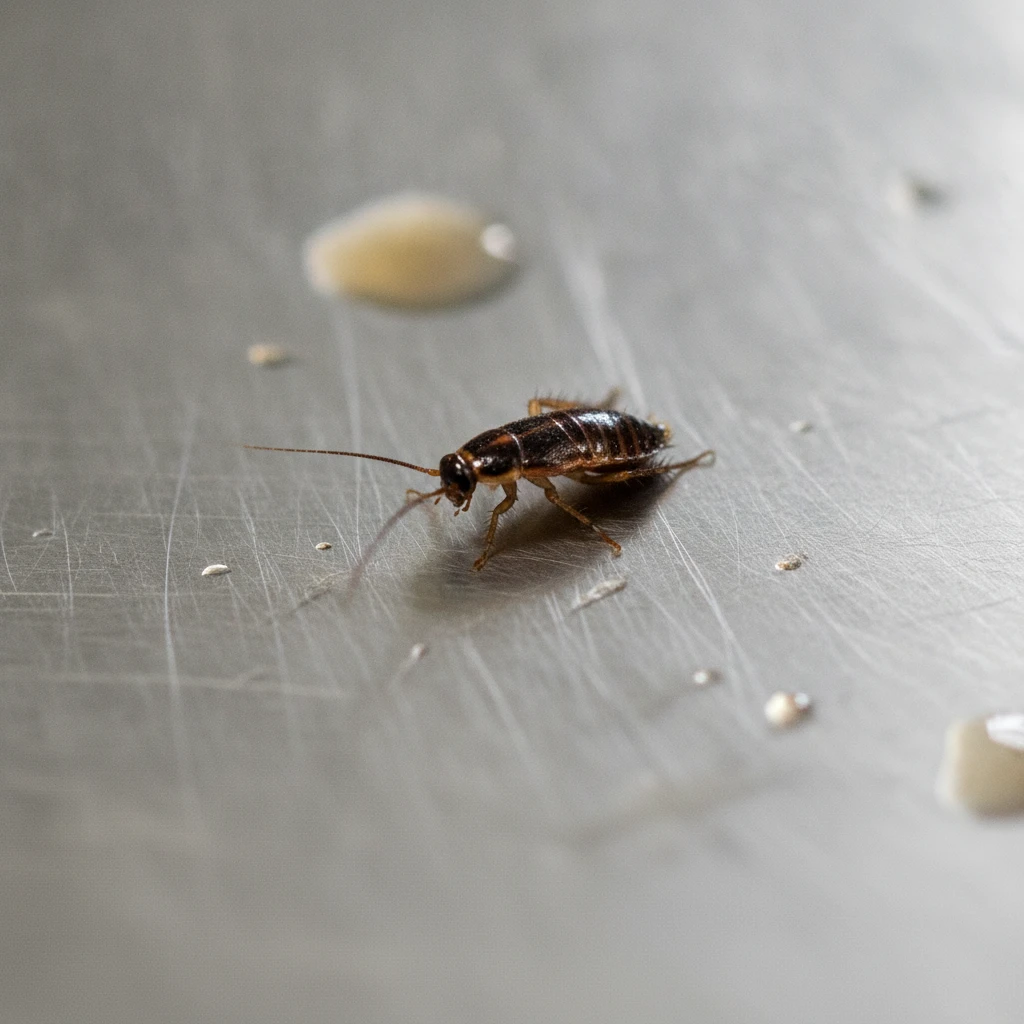
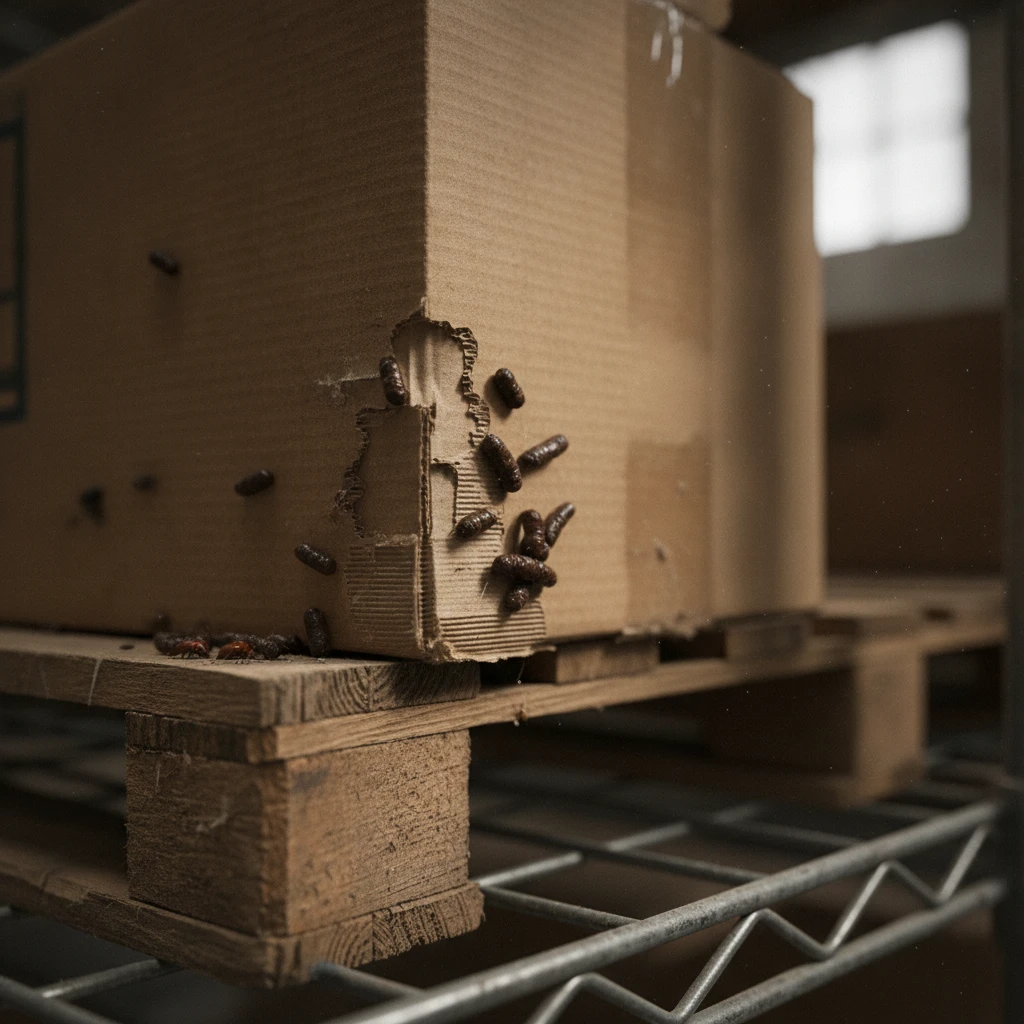
Furthermore, supply chain logistics introduce constant vulnerabilities. Daily deliveries of fresh produce, dry goods, and packaging materials provide continuous opportunities for pests to hitchhike into a facility. Staff must be trained to inspect incoming shipments rigorously to intercept “occasional invaders” before they reach the pantry.
Understanding the behavioral patterns of these pests is the first step toward effective exclusion. Cockroaches prefer dark, warm crevices near dishwashers and ovens, while rodents typically navigate along baseboards and hidden ceiling voids. Identifying these micro-habitats allows facility managers to target their preventive measures accurately.
MPI-Compliant Pest Control for Restaurants and Cafes
Operating a food business in New Zealand requires strict adherence to the Food Act 2014 and the Ministry for Primary Industries (MPI) regulations. These legal frameworks dictate exactly how a facility must manage biological risks, including pest incursions. Failure to comply can result in immediate operational shutdowns and hefty fines.
One of the most critical aspects of MPI compliance is the strict restriction on chemical applications. Toxic rodenticides and aerosol insecticides are heavily regulated and often outright prohibited in active food preparation zones. Instead, businesses must rely on non-toxic monitoring stations, mechanical traps, and rigorous sanitation protocols.
Never use hardware store rodent baits or domestic bug sprays in a commercial kitchen. Applying unauthorized toxic chemicals near food contact surfaces violates MPI regulations and creates a severe chemical contamination risk.
Every commercial kitchen must maintain a comprehensive pest sighting logbook as part of its Food Control Plan. This documentation proves to auditors that the business is actively monitoring for threats and taking corrective actions. The logbook should detail the dates of inspections, any signs of activity, and the specific mitigation steps taken by qualified technicians.
Integrated Pest Management (IPM) is the gold standard for achieving compliance. IPM focuses on addressing the root causes of infestations, such as sealing structural cracks, repairing leaking pipes, and optimizing waste management. By removing the conditions that pests need to survive, businesses can maintain a safe, audit-ready environment year-round.
Why Choose Professional Grounds and Exterior Services
Interior pest problems rarely originate indoors; they are almost always the result of a breached exterior perimeter. This is why professional grounds maintenance is a non-negotiable component when managing facilities in the Food Service & Hospitality sector. Securing the outside dramatically reduces the pressure on interior defenses.
Dumpster corrals, loading docks, and grease traps are the primary attractants for urban pests. If waste is not managed correctly, the resulting odors will draw rodents and large flies from surrounding neighborhoods. Regular high-pressure washing of these areas and securing bin lids are essential daily practices.
Keep dense vegetation and mulch at least three feet away from the building’s foundation. Overgrown shrubbery provides perfect nesting grounds for rodents and creates a hidden bridge for insects to access weep holes.
Exterior lighting also plays a massive role in insect management. Standard white bulbs emit UV spectrums that attract night-flying insects directly to entry doors. Switching to sodium-vapor or warm LED lighting around entrances can significantly reduce the number of flying insects attempting to breach the facility.
Routine perimeter inspections should focus on identifying and sealing structural vulnerabilities. Weatherstripping on delivery doors must be kept flush with the ground, and any gaps around exterior plumbing penetrations must be sealed with wire mesh and industrial sealant. A strong exterior defense renders interior treatments largely unnecessary.
Key Metrics & Essential Standards in Food Safety
Modern facility management relies heavily on data to predict and prevent infestations. Tracking pest activity metrics allows businesses to identify seasonal trends and allocate resources efficiently. For instance, industry data consistently shows that large flies account for the majority of pest-related service calls in food processing environments.
Understanding these metrics helps operators prepare for high-risk seasons. When temperatures rise, fly breeding cycles accelerate exponentially, necessitating increased focus on drain sanitation and insect light trap (ILT) maintenance. Conversely, as winter approaches, rodent exclusion becomes the primary metric of concern as mice seek indoor warmth.
To maintain the highest standards, businesses must move away from outdated, reactive models. Implementing a structured Integrated Pest Management program ensures that every action is documented, measurable, and aligned with international HACCP (Hazard Analysis and Critical Control Point) guidelines.
| Comparison Metric | Standard Reactive Control | Professional IPM Program |
|---|---|---|
| Primary Strategy | Chemical application after sighting | Proactive exclusion and sanitation |
| Regulatory Compliance | Often fails strict MPI/HACCP audits | Fully documented and audit-ready |
| Long-Term Cost | High (frequent emergency callouts) | Low (preventive maintenance model) |
| Environmental Impact | High chemical footprint | Eco-friendly, zero-emission focus |
Regular staff training is another essential standard. Employees are the eyes and ears of the facility and should be trained to recognize the early warning signs of pest activity. From identifying cockroach egg casings to spotting grease marks left by rodents, an educated workforce is a critical component of food safety.
How to Evaluate Service Bookings & Quotations
When seeking a long-term commercial partnership, facility managers must scrutinize service quotations carefully. Not all service agreements are tailored for Food Service & Hospitality environments. A generic commercial contract may lack the rigorous documentation required to satisfy health inspectors.
A robust quotation should clearly outline the frequency of routine inspections and the specific monitoring technologies that will be deployed. Look for contracts that emphasize digital reporting portals. Real-time access to floor plans, catch rates, and technician recommendations is vital for maintaining continuous compliance.
Ensure the quotation explicitly states that all methods and materials used will be HACCP and MPI compliant. The contract should also define guaranteed emergency response times for critical sightings.
Evaluate the proposed scope of work to ensure it covers both interior and exterior zones. A comprehensive plan must include structural deficiency reporting, where the technician actively identifies gaps, leaks, and sanitation failures. This consultative approach transforms the vendor from a mere exterminator into a valuable risk management partner.
Finally, verify the qualifications of the technicians assigned to the facility. Commercial food environments require advanced understanding of pest biology and food safety laws. Ensure the quotation specifies that only licensed, highly trained professionals will be conducting the environmental audits.
Before signing, confirm the agreement includes digital trend reporting, non-toxic monitoring strategies, 24/7 emergency response clauses, and explicit guarantees of regulatory compliance.