The modern supply chain is a high-speed, precision-driven ecosystem where efficiency is paramount. However, even the most advanced Warehouse & Logistics operations share a critical, often underestimated vulnerability: invasive pest infiltration. With the rapid expansion of global e-commerce and complex distribution networks, facilities face unprecedented daily throughput. This constant movement creates endless opportunities for pests to enter the premises alongside inbound freight, packaging, and transport vehicles.
In fast-moving distribution centers, pests rarely just wander in from the outside environment. Instead, they are frequently delivered straight to your loading docks hidden within the cargo itself. Contaminated wooden pallets, dark shipping containers, and heavy goods vehicles act as perfect Trojan horses for rodents, cockroaches, and stored product insects. Once inside, these pests can quickly establish colonies within the vast, undisturbed spaces of a storage facility.
Protecting a large-scale storage facility requires moving far beyond reactive, traditional extermination methods. A single pest breach can cascade into severe inventory contamination, delayed outbound shipments, and devastating regulatory audit failures. Facility managers must implement a rigorous, data-driven defense strategy to safeguard their assets, protect their workforce, and maintain seamless operational continuity.
Key Takeaways
Effective pest management in Warehouse & Logistics requires proactive perimeter defense, rigorous inbound pallet inspections, and strict adherence to global compliance standards like HACCP and SQF. By securing loading docks and implementing continuous monitoring, facility managers can prevent costly inventory contamination and avoid devastating operational downtime.
Large-Scale Pest Monitoring and Prevention for Storage Facilities
Warehouses present incredibly unique challenges due to their massive square footage and constant structural vulnerabilities. Open loading bays, exceptionally high ceilings, and complex, multi-tiered racking systems provide endless harborage for invasive species. Comprehensive pest monitoring must account for every single zone of the facility, leaving no blind spots.
Because traditional pest control methods often fall short in these sprawling environments, modern logistics hubs rely on Integrated Pest Management (IPM). This proactive approach focuses heavily on structural exclusion, meticulous sanitation, and continuous digital monitoring. By identifying and sealing entry points before a breach occurs, operations can remain entirely unhindered.
Always begin your prevention strategy with a detailed risk map of the facility. Identify high-traffic areas, dark storage corners, and zones with high moisture, as these are the most likely locations for an infestation to take root.
Identifying High-Risk Zones in the Supply Chain
Pests naturally exploit specific operational bottlenecks to establish colonies within large facilities. Loading dock levelers, for example, often feature tiny structural gaps that allow rodents to slip inside undetected during nighttime hours. Once inside, these pests expertly navigate through cable trays, wall voids, and massive pallet racking systems to reach targeted food sources.
Inbound receiving areas represent an equally hazardous vulnerability for facility managers. Shrink-wrapped pallets sitting in transit can harbor insect eggs or nesting mice long before they ever arrive at your distribution center. Without strict, documented inspection protocols at the receiving dock, you risk introducing a localized infestation that can rapidly spread throughout the entire building.
The Threat of Rodents and Birds
Rodents are undeniably the most destructive pests in the commercial storage sector. They aggressively gnaw through packaging, contaminate raw materials with urine, and can even cause catastrophic electrical fires by chewing through facility wiring. Their rapid reproduction rates mean a minor, unnoticed issue can become a massive financial liability within just a few weeks.
Birds, such as pigeons and sparrows, pose an entirely different aerial threat to logistics operations. They frequently seek shelter and build nests in the exposed rafters and steel beams of large distribution centers. Bird droppings raining down on inventory not only cause costly delivery rejections but also create severe slip-and-fall hazards for warehouse personnel working below.

Stored Product Insects (SPIs) and Hitchhikers
Facilities that handle food, pharmaceuticals, or agricultural goods must remain hyper-vigilant against Stored Product Insects (SPIs). Beetles, weevils, and Indian meal moths can completely decimate grain silos and packaged food inventories if left unchecked. These microscopic invaders often arrive deep inside bulk shipments, making them incredibly difficult to detect without specialized pheromone monitoring systems.
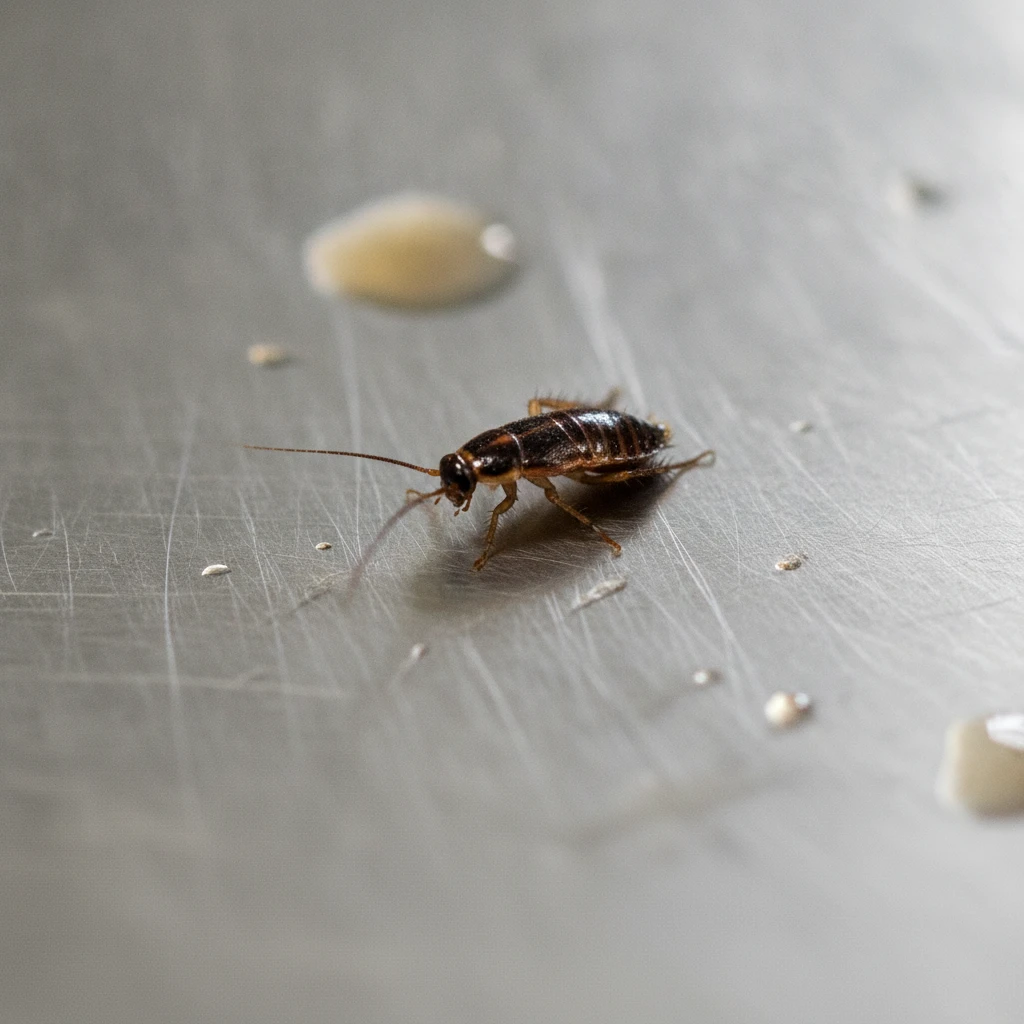
Cockroaches are another notorious hitchhiker frequently found in the logistics network. They thrive in the dark, corrugated layers of cardboard boxes and the damp crevices of wooden pallets. Because they carry dangerous pathogens like E. coli and Salmonella, their presence can trigger immediate regulatory action and force mandatory, brand-damaging product recalls.
A localized pest issue in one corner of a warehouse can quickly contaminate outbound shipments. This cross-contamination transfers the infestation directly to your downstream retail partners, severely damaging corporate relationships.
Why Choose Professional Yard Services
Securing the interior of a facility is only half the battle in modern pest management. The exterior perimeter, often referred to as the logistics yard, serves as the absolute first line of defense against incoming pest pressure. Implementing professional yard services is crucial for drastically reducing the sheer volume of pests attempting to breach the building envelope.
Exterior yard management involves a holistic approach to environmental control. By manipulating the landscape and managing waste flow, facility managers can create a highly inhospitable environment for pests. This proactive exterior defense significantly lowers the reliance on interior chemical treatments, aligning perfectly with modern sustainability goals.
Exterior Perimeter Defense Strategies
A well-maintained logistics yard actively deters pests from approaching the facility walls. Overgrown vegetation, tall grass, and poorly managed drainage ditches create ideal, moisture-rich breeding grounds for mosquitoes, rodents, and ants. By enforcing a strict, vegetation-free gravel zone of at least one meter around the building’s foundation, you effectively eliminate critical pest harborage.
Waste management areas are another major focal point for exterior yard services. Dumpsters, recycling bins, and compactor zones act as powerful, odorous attractants for flies, rodents, and scavenging birds. Professional yard management ensures these areas are regularly sanitized, tightly sealed, and positioned as far away from active loading doors as operationally possible.
Securing Loading Docks and Transit Vehicles
Loading bays are widely considered the most vulnerable points in any Warehouse & Logistics operation. High-speed roller doors, heavy-duty strip curtains, and powerful air doors must be deployed to prevent flying insects from entering while trucks are actively being unloaded. Even a bay door left open for a few unsupervised minutes can invite a swarm of flies or a foraging rat into the facility.
Furthermore, empty trailers and shipping containers stored overnight in the yard must be strictly monitored. Pests often seek shelter in these dark, undisturbed spaces to escape harsh weather conditions. When these compromised containers are eventually loaded with fresh product, the pests are inadvertently shipped to the next destination, perpetuating the supply chain infestation cycle.
Implement a strict “repair-before-replace” policy for wooden pallets, and ensure damaged or rotting pallets are immediately removed from the yard. Decaying wood is a primary attractant for destructive wood-boring insects and nesting rodents.
Key Metrics & Essential Standards
Modern supply chains are governed by incredibly strict regulatory frameworks and quality assurance standards. Failure to maintain a pristine, pest-free environment can result in the immediate loss of critical certifications, halting operations entirely. Facility managers must meticulously track specific key performance indicators (KPIs) to ensure their pest management program remains effective, compliant, and audit-ready.
Data collection and real-time analysis are no longer optional in logistics management. By leveraging digital reporting portals, operations teams can monitor pest activity trends across different zones and seasons. This empirical data allows for precise, targeted interventions rather than wasteful, blanket chemical applications.
Global Compliance and Audit Readiness
Top-tier distribution centers must adhere to internationally recognized food safety and quality standards to remain competitive. Frameworks such as HACCP, SQF Edition 9, BRCGS Issue 9, and ISO 22000 mandate rigorous, highly documented pest control procedures. Third-party auditors expect to see detailed trend analysis, digital bait station registries, and immediate corrective action reports upon arrival.
A proactive approach to pest control directly impacts a facility’s overall bottom line and operational efficiency. Industry data indicates that maintaining clean, pest-free facilities can drive operational productivity improvements of up to 15-25% by significantly reducing worker hazards and inventory loss. Conversely, a single failed hygiene audit can lead to weeks of operational downtime and staggering six-figure revenue losses.
Comparing Pest Control Methodologies
Not all pest management strategies are created equal, and logistics hubs must choose their methodologies wisely. Transitioning from outdated, reactive treatments to modern, integrated pest management (IPM) is absolutely essential for large-scale operations. IPM focuses on root-cause analysis and long-term prevention rather than short-term symptom relief.
Understanding the stark differences between these two approaches helps facility managers justify the investment in premium pest management services. The table below outlines the core operational differences and their impact on warehouse logistics.
| Operational Feature | Reactive Pest Control | Proactive IPM Strategy |
|---|---|---|
| Primary Focus | Exterminating existing infestations | Preventing entry and eliminating harborage |
| Long-Term Cost | High (due to product loss & downtime) | Lower (predictable maintenance budget) |
| Audit Readiness | Poor (lacks predictive documentation) | Excellent (continuous digital reporting) |
| Business Interruption | Severe (potential facility closures) | Minimal (seamless background integration) |

Service Bookings & Quotations
Establishing a robust pest management partnership requires a thorough, in-depth understanding of your facility’s unique operational flow. Because no two distribution centers are exactly alike, the quotation process must be highly customized, data-driven, and tailored to your specific supply chain demands. Generic, one-size-fits-all solutions simply do not work in complex logistics environments.
To maintain a flawless Warehouse & Logistics environment, facility managers must prioritize partners who offer transparent, scalable solutions. The onboarding process is designed to be completely seamless, ensuring that your daily receiving and shipping schedules are never interrupted during the initial assessment phases.
Comprehensive Risk Mapping and Audits
The journey toward a pest-free facility begins with a comprehensive site audit and detailed risk mapping exercise. Certified specialists will evaluate your entire building infrastructure, identifying structural vulnerabilities, assessing the surrounding exterior environment, and analyzing complex inbound freight patterns. This critical initial assessment forms the undeniable foundation of a targeted, highly effective defense strategy.
During this evaluation phase, experts deeply review your existing compliance requirements, whether you handle raw agricultural commodities, packaged pharmaceuticals, or general retail goods. Understanding the specific regulatory pressures your business faces ensures that the proposed solution will easily meet or exceed all third-party audit standards.
Tailored Strategies and Transparent Reporting
Following the comprehensive audit, facility managers receive a detailed, highly transparent service proposal. This documentation includes a clear breakdown of bait station mapping, digital sensor deployment, exterior yard services, and the specific chemical or physical controls required. Flat-rate quotes without detailed station counts are a major red flag; a professional service will always provide a granular view of the proposed architecture.
Once approved, the implementation phase is carefully scheduled to minimize any disruption to your daily operations. Advanced digital reporting portals are immediately established, granting your quality assurance team instant, 24/7 access to real-time pest activity data. This ensures you are always prepared for unannounced audits and internal reviews.
Before requesting a facility audit, gather your previous pest control logs, a layout map of your warehouse, and a list of your required compliance standards (e.g., HACCP, SQF). This dramatically speeds up the quotation process.