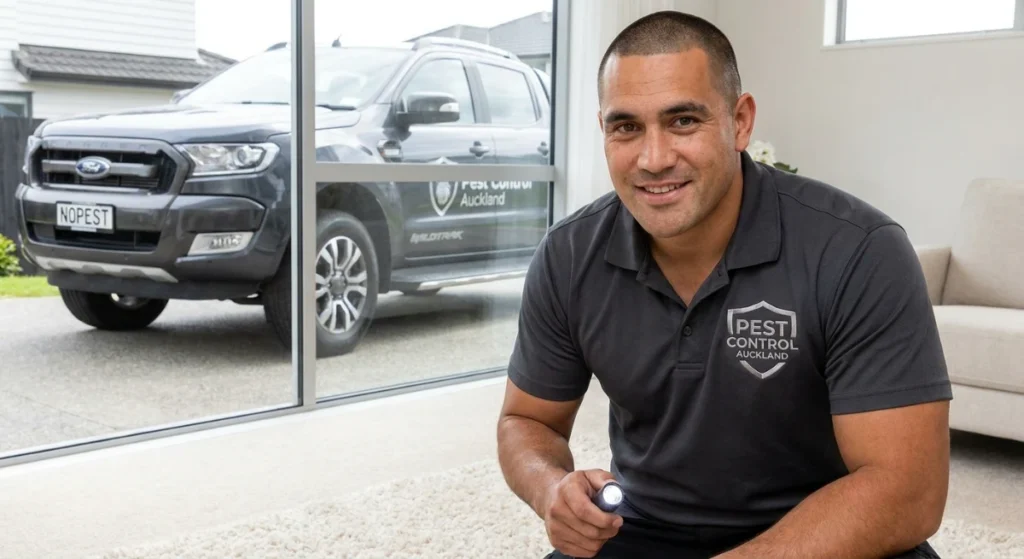
Localized Services for Henderson, Waitakere, and Surrounds
Moving out of a rental property is stressful enough without worrying about losing your bond over a hidden pest infestation. Relocating to a new home involves a massive checklist, from packing delicate items to finalizing utility accounts. For pet owners in New Zealand, the end of a tenancy brings an additional, heavily scrutinized layer of responsibility.
Property managers and landlords are highly vigilant about pest control, particularly when cats or dogs have resided on the premises. Securing a reliable west auckland end of lease flea treatment is often the final hurdle between you and your full bond refund. Landlords in New Zealand are legally required to provide a pest-free property at the start of a tenancy, but the responsibility shifts back to the tenant if their pets introduce pests.
Tenancy agreements frequently include specific clauses mandating professional fumigation upon vacating. This is not just a bureaucratic hoop to jump through; it is a vital public health measure. It ensures the next occupants do not inherit a dormant infestation that erupts weeks after they move in.
West Auckland suburbs, from the bustling center of Henderson to the leafy enclaves of Titirangi and Waitakere, present unique challenges for pest control. The local environment is incredibly conducive to insect proliferation due to high moisture levels. Therefore, localized expertise is essential to combat the resilient flea populations found in this specific region.
Key Takeaways
To secure your bond refund, tenants with pets must provide a professional pest control certificate when vacating. A certified west auckland end of lease flea treatment eliminates adult fleas, larvae, and eggs using advanced Insect Growth Regulators (IGR). Book your treatment immediately after carpet steam cleaning for maximum effectiveness.
Tackling West Auckland’s Humid Climate Flea Issues
West Auckland is renowned for its stunning native bush, coastal breezes, and close proximity to the Waitakere Ranges. While these geographical features make the area a beautiful place to live, they also create a highly humid microclimate. Fleas thrive in environments where humidity levels remain consistently high and temperatures are mild.
This coastal humidity acts as a natural incubator for flea eggs and larvae hidden deep within carpets and floorboards. During the peak summer months, from January to March, pest control callouts skyrocket across the Auckland region. The warm weather accelerates the flea life cycle, allowing a minor issue to explode into a full-blown infestation in a matter of weeks.
Even if your pet has been treated with topical preventative medications, dormant flea pupae can survive in the environment for months. They patiently wait for the vibrations and carbon dioxide of a new tenant to trigger their emergence. This biological resilience is exactly why a standard cleaning routine is never enough to guarantee a pest-free home.
Understanding this timeline is crucial for departing tenants who want to avoid nasty surprises. A property might seem completely flea-free when you move your furniture out on moving day. However, without a host to feed on, newly hatched fleas will aggressively target the next humans who enter the building during viewings.
This delayed hatching phenomenon is precisely why property managers insist on a professional west auckland end of lease flea treatment before signing off on the bond inspection. They need absolute certainty that the breeding cycle has been permanently interrupted before handing the keys to new renters.
The Biology of the Cat and Dog Flea
To truly understand why eradication is so difficult, one must examine the life cycle of the common cat flea and dog flea. These resilient parasites undergo a complete metamorphosis, consisting of four distinct stages: egg, larva, pupa, and adult. Treating only the adult stage is a guaranteed recipe for re-infestation.
Adult fleas represent merely five percent of the total infestation within a home. They live almost exclusively on the host animal, feeding on blood and mating continuously. A single female flea can lay up to fifty eggs per day, which easily roll off the pet’s coat and scatter across your home’s floors.

Within a few days, these eggs hatch into blind, worm-like larvae that actively avoid light. They burrow deep into carpet fibers, floorboard cracks, and pet bedding to hide. Here, they feed on organic matter, including the dried blood excreted by adult fleas, commonly known as ‘flea dirt’.
After a week or two, the larvae spin a protective silk cocoon and enter the highly resilient pupal stage. This cocoon is incredibly resistant to standard chemical sprays and environmental changes. The pupae can remain dormant for up to six months, making professional intervention absolutely necessary to break the cycle.
The Flea Eradication Process
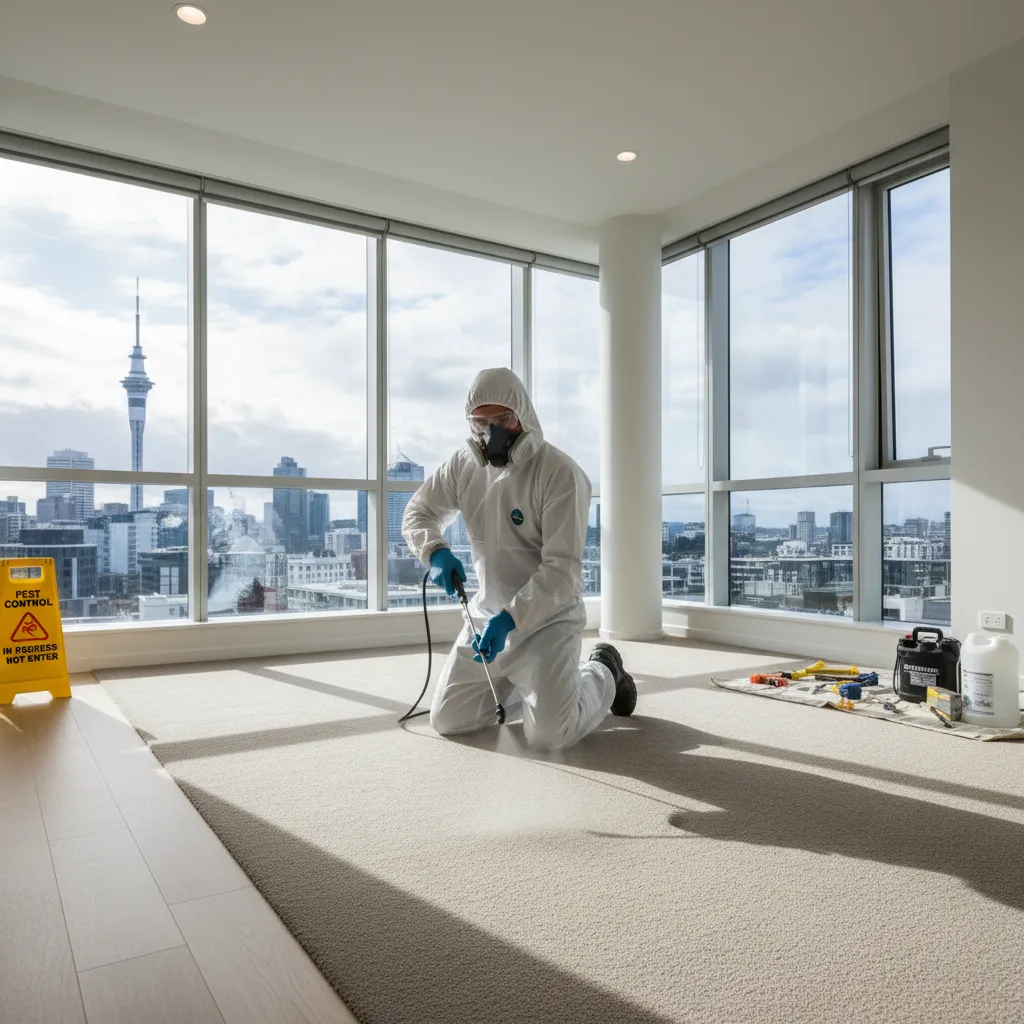
Eradicating fleas from an empty rental property requires a systematic, multi-layered approach. DIY flea bombs or supermarket surface sprays simply do not have the residual power to penetrate deep into carpets and floorboards. Professional technicians utilize commercial-grade equipment and specialized chemical formulations designed for long-term efficacy.
The treatment process begins with a comprehensive inspection of the vacant property. Technicians assess the severity of the situation, identifying high-risk areas where pets frequently slept or rested. This targeted approach ensures that the most heavily contaminated zones receive an intensive application of pest control agents.
Property managers rarely accept DIY flea bombs as proof of treatment. These aerosol cans only coat the top surfaces of a room and fail to penetrate the carpet pile where flea larvae actually live and breed.
Carpet and Skirting Board Treatments
Carpets are the primary battleground in the fight against fleas, as the dense fibers provide a perfect sanctuary for eggs. When a professional technician treats a carpeted room, they apply a fine, even mist of liquid insecticide. This adulticide immediately eliminates any active, biting fleas present in the environment.
However, treating the center of the room is only half the job. Because flea larvae are phototactic negative, they instinctively migrate towards the dark, undisturbed edges of a room. Therefore, technicians pay special attention to skirting boards, wall junctions, and the crevices beneath window sills.

Hard floors are not exempt from treatment either. Polished timber floors, which are common in older West Auckland villas, feature microscopic gaps between the boards where organic debris accumulates. A meticulous application ensures there are no safe havens left for the pests to mature, regardless of the flooring type.
IGR (Insect Growth Regulator) Application
The true secret to a successful pest eradication lies in the use of an Insect Growth Regulator (IGR). While standard insecticides kill adult fleas on contact, they are often ineffective against the protective cocoon of the pupal stage. An IGR works differently; it acts as a synthetic hormone that disrupts the insect’s biological development.
When flea larvae come into contact with an IGR, they are physically prevented from molting and maturing into biting adults. This effectively breaks the breeding cycle permanently, stopping the infestation in its tracks. The inclusion of an IGR is what separates a cheap, temporary fix from a robust, professional solution.
Most high-quality IGR treatments offer residual protection that lasts for up to six months. This extended timeline provides absolute peace of mind for both the departing tenant and the incoming residents. It guarantees that even if dormant eggs hatch weeks after the treatment, the resulting larvae will never reach maturity.
| Feature Comparison | DIY Flea Bombs | Professional Treatment |
|---|---|---|
| Effectiveness on Eggs & Larvae | Very Low (Surface level only) | High (Penetrates carpet pile) |
| Includes IGR Technology | Rarely | Yes (Standard practice) |
| Bond Certificate Provided | No | Yes (Same-day issuance) |
| Property Manager Approved | Almost Never | Universally Accepted |
Same-Day Certification for Property Managers
The ultimate goal of booking a pest control service at the end of your tenancy is to satisfy your lease obligations and retrieve your bond. The New Zealand Tenancy Services guidelines dictate that tenants must leave the property “reasonably clean and tidy”. While landlords cannot enforce arbitrary professional cleaning clauses, proven pet-related infestations are a clear exception.
To prove that you have fulfilled your obligations, you need undeniable documentation. Professional pest control companies understand this administrative requirement perfectly. Upon completion of the service, the technician will issue a formal certificate of treatment detailing the process.
Always keep a digital copy of your pest control certificate and your carpet cleaning receipt. Emailing these directly to your property manager creates a timestamped paper trail that protects your bond.
Handing this certificate to your property manager eliminates any ambiguity during the final inspection. It serves as legal proof that a certified west auckland end of lease flea treatment has been executed to industry standards. Without this paperwork, property managers hold the right to deduct the cost of their own pest control contractors directly from your bond.
Ensuring You Get Your Bond Back
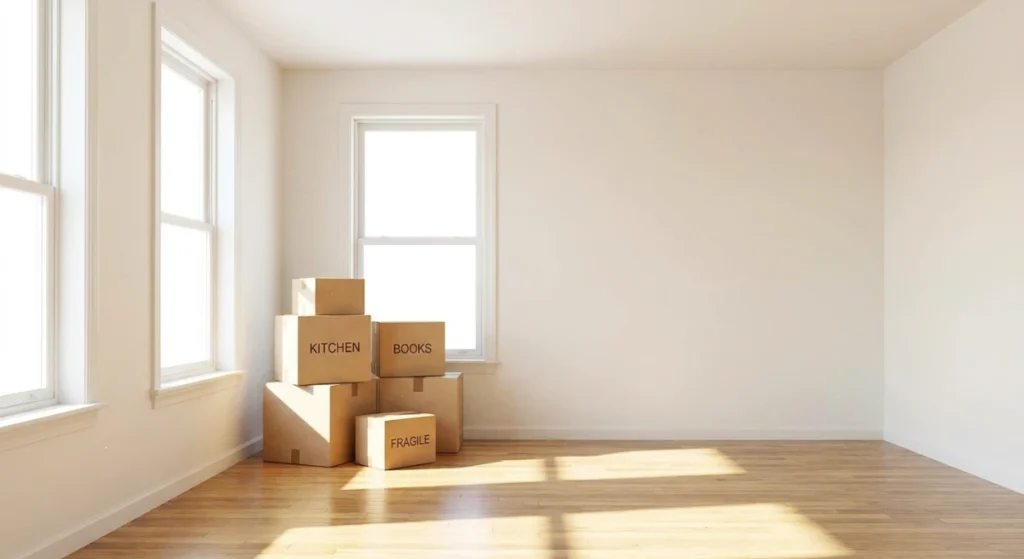
Timing is everything when coordinating your move-out logistics. To maximize the effectiveness of the pest control treatment and ensure a smooth handover, you must sequence your tasks correctly. The very first step is to completely empty the property of all furniture, boxes, and rubbish.
Once the house is empty, conduct a thorough vacuuming of all floors, paying special attention to corners and wardrobes. If your lease requires professional carpet steam cleaning, this must be completed before the pest controller arrives. Steam cleaning extracts deep-seated dirt, but the intense heat and moisture will wash away any previously applied insecticides.

Therefore, the golden rule is to schedule your pest control as the absolute final step before handing over the keys. Allowing the carpets to dry completely after steam cleaning ensures the chemical treatment binds effectively to the fibers. Once the spray has been applied, the property should be left vacant and un-vacuumed for at least five to seven days.
1. Remove all belongings and pet bedding. 2. Vacuum thoroughly. 3. Steam clean carpets and let dry. 4. Complete professional flea treatment. 5. Hand over keys and certificate.
Navigating Tenancy Tribunal Disputes Over Pests
Disputes over bond deductions are incredibly common in the Auckland rental market. When communication breaks down between tenants and landlords, cases often escalate to the Tenancy Tribunal. Pest infestations, particularly fleas, are a frequent source of contention between parties.
The Tribunal relies heavily on documented evidence to make its rulings regarding cleanliness and damage. If a landlord claims the property is infested, they must provide proof, such as photographs of flea dirt or statements from subsequent tenants. Conversely, if you have a receipt and a certificate from a licensed pest control operator, your defense is virtually impenetrable.

Investing in a professional service is essentially an insurance policy for your bond. It is a minor upfront cost compared to the financial penalty of losing hundreds of dollars in Tribunal-awarded damages. Furthermore, a negative Tribunal ruling can severely damage your renting history, making it difficult to secure future leases.
The modern pest control industry has also evolved to offer highly eco-friendly solutions, which align with New Zealand’s focus on sustainability. The days of drenching a property in highly toxic, foul-smelling chemicals are long gone. Today, reputable technicians utilize advanced formulations that are tough on insects but incredibly safe for the environment.
Book Your West Auckland Flea Spray Today
Do not leave your end-of-tenancy obligations to the last minute. As the moving day approaches, the availability of reputable pest control technicians can become severely limited. This is especially true during the busy summer months when flea populations naturally spike across Auckland.
Proactive planning is the key to a stress-free transition between rental properties. When selecting a provider, ensure they are fully licensed, insured, and experienced in dealing with the specific environmental challenges of the local area. Look for companies that explicitly offer bond-back guarantees and provide same-day digital certification.
Take control of your moving process and safeguard your hard-earned deposit. Contact a local expert to schedule your west auckland end of lease flea treatment today, and walk away from your old rental property with absolute confidence.