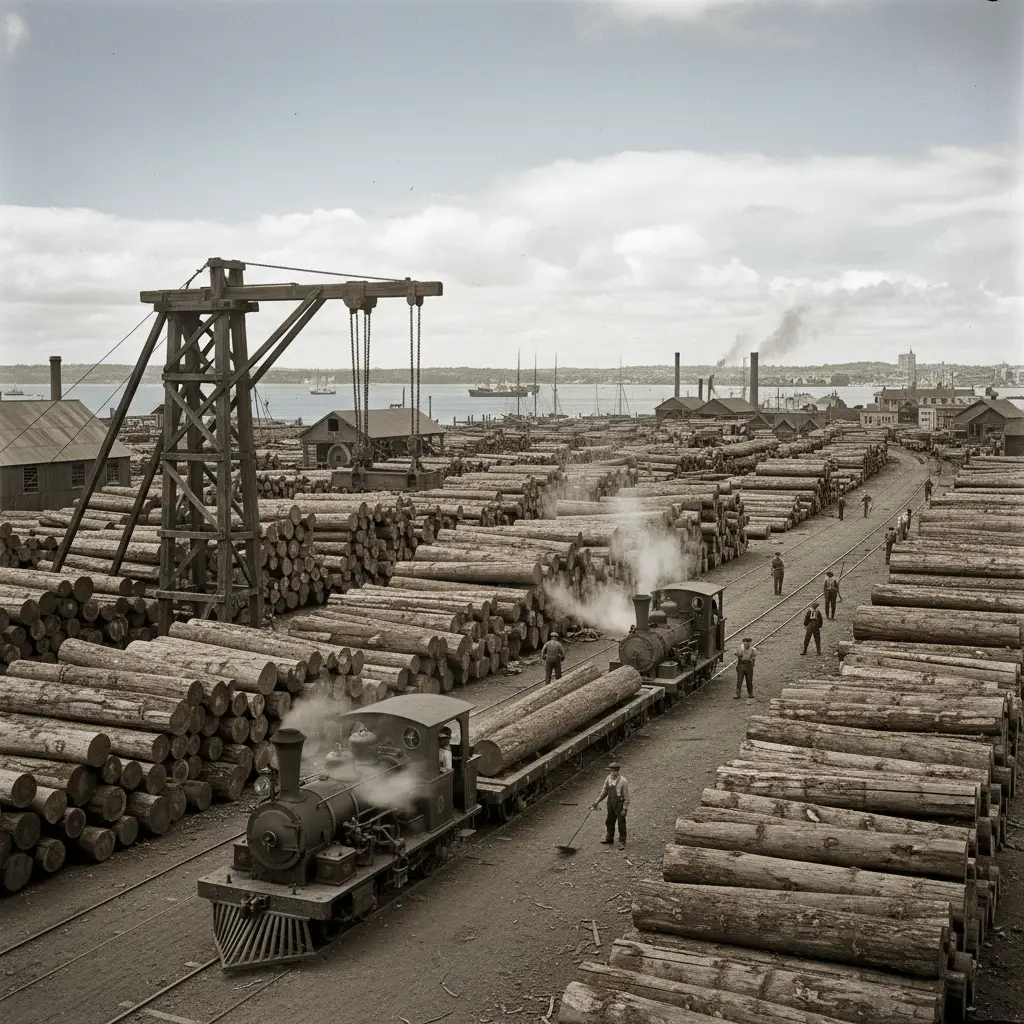
Borer Treatment Titirangi

Specialized Borer Treatment in Titirangi

Living in Titirangi offers an unparalleled connection to nature, surrounded by the lush canopy of the Waitākere Ranges. However, this idyllic bush environment creates a perfect storm for one of New Zealand’s most destructive hidden pests. The combination of high annual rainfall and historic timber homes makes expert borer treatment in Titirangi an absolute necessity for local homeowners.

The era of reactive, toxic extermination is officially dead in Auckland. Today, protecting your heritage bungalow requires Predictive Integrated Pest Management (IPM) and deep-penetration eco-conscious treatments. With the Auckland housing market continuously evolving, preserving the structural integrity of native timber floors and weatherboards has never been more critical.

If you are hearing the faint sound of crunching in your walls or spotting fresh exit holes, time is already running out. Borer beetles work silently, compromising the safety of your property long before they are visible. Taking proactive measures before the summer flight season is the only way to secure your investment.

Key Takeaways

Effective borer treatment in Titirangi requires targeting the Common House Borer before the November-March flight season. Due to the Waitākere Ranges’ high humidity, proactive subfloor ventilation and deep-penetration timber injections by Level 3 qualified technicians are essential to prevent structural collapse.

Titirangi’s Unique Bush Environment and Borer Risk

Titirangi receives over 2000mm of rainfall annually, which is nearly double the precipitation experienced in the Auckland CBD. This constant moisture is trapped by the dense native rainforest canopy, creating incredibly high humidity levels around residential properties. Unfortunately, this damp microclimate is exactly what wood-boring insects crave.

When subfloor environments trap moisture, the wood softens, making it highly palatable for borer beetles. Dry timber is generally resistant to attack, but the damp conditions in West Auckland allow the larvae to thrive. Without professional borer treatment in Titirangi, the structural framing of your home remains at severe risk.

💡

Pro Tip: Check Subfloor Moisture

Regularly inspect your subfloor vents to ensure they are clear of vegetation. Proper cross-ventilation is your first line of defense against elevated wood moisture content.

High Humidity and Native Timber Vulnerability

New Zealand has two primary culprits: the Common House Borer (Anobium punctatum) and the native Two-Toothed Longhorn Borer (Ambeodontus tristis). While the Common Borer prefers softer sapwood, the Two-Toothed Longhorn aggressively attacks resinous heartwoods. This means the beautiful Rimu, Matai, and Kauri timbers commonly found in Titirangi bungalows are highly vulnerable.

Adult females lay up to 100 eggs on bare timber or in old flight holes. The eggs hatch after four to five weeks, and the larvae immediately bore into the wood. They use specialized yeasts in their stomachs to help break down the cellulose in the timber.

Borer Flight Season Activity Chart

The Biology of the Borer: Understanding the Enemy

The lifecycle of the Common House Borer is a fascinating but destructive process. Adult beetles live for only a few weeks, existing solely to mate and lay eggs. A single female can lay up to 100 eggs in the microscopic cracks and crevices of bare timber.

Once the eggs hatch, the microscopic larvae immediately burrow into the wood. These grubs are equipped with specialized yeasts in their digestive tracts, allowing them to break down and extract nutrients from hard cellulose. They will spend the next two to four years living entirely inside your home’s structural framing.

As they tunnel, they leave behind a trail of fine, powdery dust known as frass. This frass is often the first visible sign of an active infestation. Eventually, the larvae pupate in a chamber just below the surface before emerging as adult beetles, creating the trademark 2mm flight holes.

The DIY Cycle of Despair: Why Hardware Store Bombs Fail

Many Auckland homeowners attempt to tackle borer infestations using over-the-counter hardware store bug bombs. Unfortunately, this often leads to the DIY Cycle of Despair. While a bug bomb may kill a few adult beetles flying in the room, it does absolutely nothing to address the root cause.

Borer larvae live deep inside the timber, completely protected from surface-level aerosol sprays. By the time you see the adult beetles, the larvae have already spent years weakening your floorboards and joists. Relying on DIY methods provides a false sense of security while the structural damage continues unabated.

Furthermore, improper use of DIY chemicals can pose significant health risks to your family and pets. Professional borer treatment in Titirangi utilizes specialized equipment to inject borate treatments directly into the timber. This guarantees that the larvae are eradicated at the source, breaking the breeding cycle permanently.

Technician inspecting subfloor for borer damage

Eco-Conscious Treatments for the Waitakere Ranges

Operating in the Waitākere Ranges requires a strict adherence to environmental preservation. Traditional pest control methods relied heavily on highly toxic, broad-spectrum chemicals that posed risks to the ecosystem. However, the modern standard for pest control in Auckland focuses on targeted, eco-conscious interventions.

All operations must strictly align with the Auckland Regional Pest Management Plan (RPMP) 2020-2030. This framework enforces pathway management to prevent the accidental introduction of invasive species into sensitive areas. Furthermore, handling Class 9 ecotoxic substances requires operators to hold a New Zealand Certificate in Pest Operations (Level 3).

⚠️

Warning: Avoid Illegal Chemicals

Never allow uncertified operators to apply restricted ecotoxic substances under your home. Always ask to see their Level 3 UPM Contractor certification to ensure compliance with the HSNO Act 1996.

Protecting Local Flora and Fauna During Treatment

Titirangi is home to sensitive native birdlife, including tūī and kererū, as well as delicate stream ecosystems. Therefore, pest control technicians must utilize low-emission, deep-penetrating borate treatments that stay locked inside the timber. These advanced formulations disrupt the metabolic enzymes of the borer larvae without leaching into the surrounding soil.

This targeted approach ensures that local flora and fauna are completely unaffected. As Auckland prepares to host the FAOPMA Pest Summit in July 2026, the industry focus is heavily shifted toward FutureProof solutions. Zero-emission transition kits and non-toxic monitoring are becoming the gold standard for responsible pest management.

Native birdlife in Titirangi bush

Navigating Auckland’s Strict Biosecurity and Pest Laws

The pest control industry in New Zealand is governed by a complex and undeniable legal framework. Non-compliance with these regulations risks severe commercial and criminal liability for both operators and property owners. The Environmental Protection Authority (EPA) strictly regulates the application of treatments under the HSNO Act 1996.

For example, any operator applying treatments within 150 meters of a dwelling must adhere to the Trespass Act 1980 and obtain explicit permission. Additionally, the Animal Welfare Act 1999 mandates that live-capture traps for rodents must be physically inspected daily. This ensures all pest control practices remain humane and legally compliant.

Compliance for Landlords and Property Managers

The Auckland housing market is heavily regulated, and landlords face strict obligations under the Residential Tenancies Act. Providing a safe, pest-free environment is a legal requirement for property owners. When borer infestations compromise the structural integrity of a rental property, the liability falls squarely on the landlord.

This is why transparent, professional documentation is essential. Reputable pest control companies provide detailed Safety Data Sheets (SDS) and compliance certificates following a treatment. These documents satisfy Tenancy Tribunal requirements and provide peace of mind to both landlords and tenants.

📝

Note: Tenancy Tribunal Documentation

Always retain your pest control compliance certificates and SDS documentation. If a dispute arises regarding property maintenance, these documents serve as proof of your legal compliance.

The Cost of Borer Treatment in Auckland (2026 Data)

Understanding the financial investment required to protect your asset is crucial. In the current 2026 market, pricing is calculated based on the labour intensity required to access the timber. It also factors in the volume of residual insecticide needed to penetrate the wood effectively.

For a standard three-bedroom home, comprehensive borer control typically ranges between $650 and $1,500+ GST. This usually covers residual spraying of the subfloor and roof void, which are the most critical areas. Below is a transparent breakdown of current Auckland pest control pricing benchmarks.

Pest Type Estimated Cost (3-Bed Home) Treatment Method
Ants $160 – $200 Exterior barrier spray and interior baiting
Cockroaches $265 – $325 Gel baits and crack/crevice dusting
Rodents $155 – $325 Mechanical trapping and entry point sealing
Borer Beetles $650 – $1,500+ Residual subfloor spray and timber injection

When investigating commercial quotes, ensure that the price includes a comprehensive warranty. Quality operators will stand by their work, offering long-term guarantees on their native timber preservation efforts.

Local Case Studies: Restoring Titirangi Bungalows

Over the past year, predictive Integrated Pest Management (IPM) has saved countless heritage properties in West Auckland. One recent case involved a 1930s bungalow nestled deep in the Titirangi bush. The homeowners noticed fresh sawdust, known as frass, accumulating under their Rimu floorboards just before the summer flight season.

Technicians conducted a thorough inspection and identified a severe moisture issue caused by blocked subfloor vents. By combining targeted timber injection with improved ventilation, they completely halted the infestation. This holistic, root-cause approach is the cornerstone of effective borer treatment in Titirangi.

Action: Book an Inspection Before November

Do not wait until you see adult beetles flying around your home. Schedule a professional inspection in early spring to catch infestations before the destructive flight season begins.

Long-Term Prevention Strategies for Bush Properties

Eradicating the current borer population is only half the battle. Long-term prevention requires ongoing maintenance to keep timber moisture levels below the critical threshold. Ensuring that gutters are clean and plumbing leaks are immediately repaired prevents the damp conditions borer beetles love.

Homeowners should also consider installing polythene vapour barriers over the soil in their subfloor. This drastically reduces rising dampness during the wet winter months. Coupling these environmental controls with a professional 10-year warranty treatment guarantees your home remains a safe sanctuary.

  • Ensure all subfloor vents remain unblocked by garden vegetation.
  • Fix any weeping plumbing joints or leaking hot water cylinders immediately.
  • Install a polythene moisture barrier over exposed dirt under the house.
  • Schedule annual pest inspections to monitor historical flight holes.

Restored Titirangi bungalow in native bush

Frequently Asked Questions

How do I know if borer is currently active in my house?
The most obvious sign of an active borer infestation is the presence of fresh “frass”—a fine, powdery sawdust—accumulating beneath small 2mm to 4mm holes in your timber. You may also spot adult beetles emerging between November and March.
What is the best time of year to treat for borer in NZ?
The optimal time for borer treatment is during the late winter or early spring, just before the adult flight season begins in November. Treating the timber during this window breaks the breeding cycle before the females can lay new eggs.
Can I treat borer myself using hardware store bombs?
No. Hardware store bug bombs are ineffective because they only kill adult beetles on the surface. Borer larvae live deep inside the timber for up to four years, making deep-penetrating professional injections the only reliable eradication method.
How much does borer treatment cost in Auckland?
For a standard three-bedroom home in Auckland, a comprehensive borer treatment generally costs between $650 and $1,500+ GST. This price varies based on subfloor accessibility and the severity of the infestation requiring injection.
Will borer treatment harm my pets or native birds?
When applied by a Level 3 qualified technician, modern borate treatments are eco-conscious and highly targeted. The solution penetrates and locks into the timber, posing no secondary risk to pets, children, or local flora and fauna.
What is the difference between the Common House Borer and the Two-Toothed Longhorn?
The Common House Borer typically attacks softer sapwoods and leaves 2mm round flight holes. The native Two-Toothed Longhorn is larger, attacks harder resinous heartwoods like Rimu and Kauri, and leaves larger, oval-shaped flight holes up to 7mm wide.

Leave a Comment

Your email address will not be published. Required fields are marked *

Scroll to Top