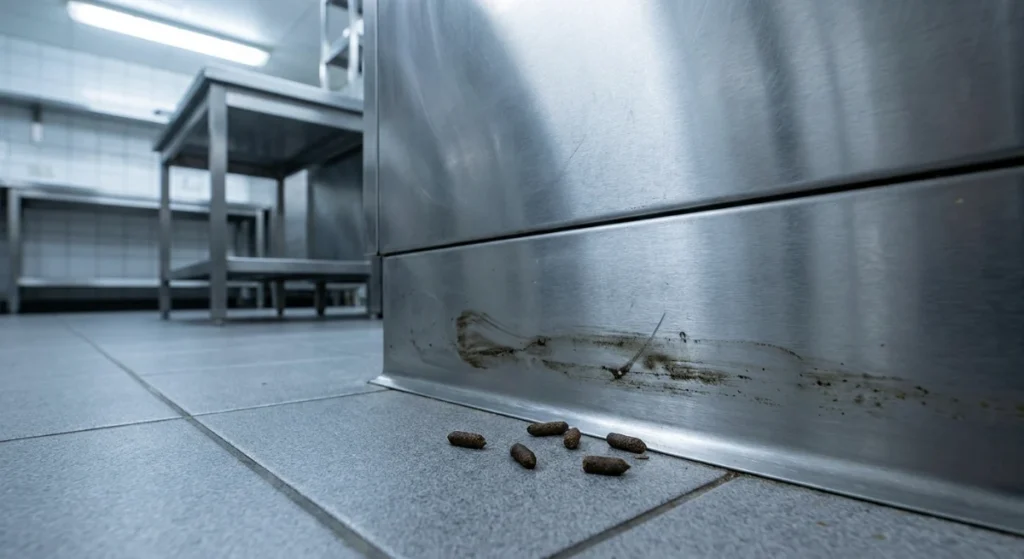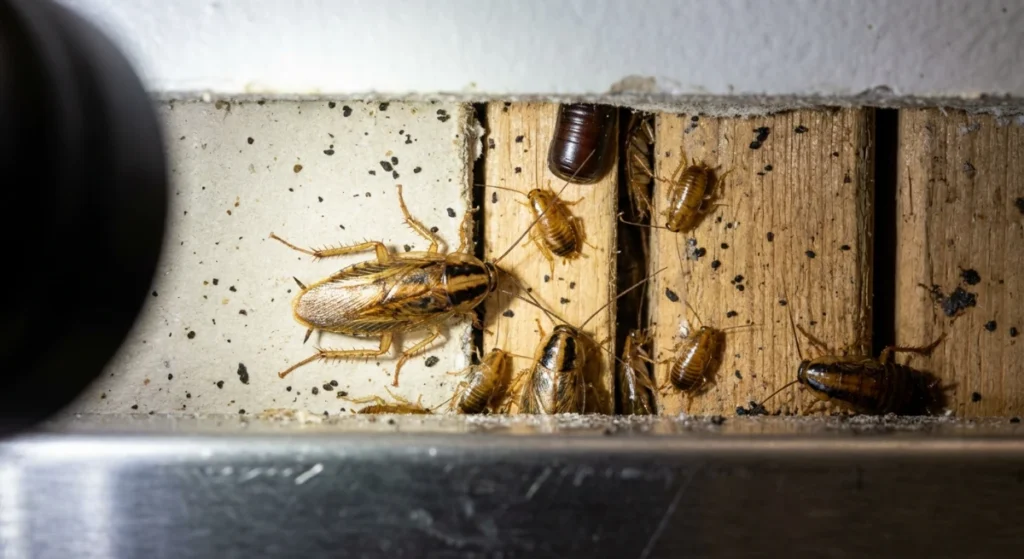
Imagine walking into your Ponsonby cafe at 5 AM, flipping on the lights, and seeing a rat dart behind the espresso machine. That is the nightmare every Auckland hospitality owner dreads. With New Zealand’s hospitality sector hitting a massive $15.99 billion turnover in FY2025, the pressure from the Food Act 2014 and Ministry for Primary Industries (MPI) inspectors is relentless [1].
The old “spray and pray” pest control method is dead. Today, securing your business means understanding exactly what is predictive IPM for restaurants and how to use it to your advantage. If you are just spraying chemicals after you see a cockroach, you have already lost the battle.
Auckland’s commercial food sector requires a radically different approach. We are dealing with strict biosecurity laws, changing weather patterns, and zero-tolerance hygiene standards. You need a system that stops pests before they even cross your threshold.
Key Takeaways
What is predictive IPM for restaurants? It is a data-driven strategy using IoT smart traps, environmental forecasting, and structural monitoring to prevent infestations before they occur. This zero-emission approach ensures strict compliance with the Food Act 2014 by focusing on root-cause exclusion rather than reactive toxic spraying.
Defining Predictive Integrated Pest Management
Moving from Symptom Treatment to Data-Driven Prevention
Predictive Integrated Pest Management (IPM) flips the traditional extermination model entirely. It focuses heavily on root-cause eradication and structural entry-point exclusion rather than just treating the visible symptoms. We use live data, smart sensors, and local environmental factors to anticipate exactly where pests will strike next.
This shift is non-negotiable for Auckland’s hospitality sector today. The Food Act 2014 and HACCP guidelines strictly prohibit the use of toxic rodenticide bait in sensitive food preparation areas. That means we have to rely entirely on non-toxic monitoring, mechanical traps, and physical exclusion methods.
Hardware store bug bombs create a “cycle of despair” and violate commercial health codes. Under the EPA HPC Notice 2017, operators handling Class 9 ecotoxic substances in commercial spaces must be Level 3 Qualified UPM Contractors.
By tracking digital data from these smart traps, we can pinpoint exactly where the structural breach is happening. If a cluster of traps near your loading dock shows elevated activity, we know there is a gap that needs fixing immediately. We fix the hole, and the problem stops.
How the FAOPMA 2026 Summit is Shaping IPM
The global pest control industry is watching Auckland right now. In July 2026, the city is hosting the prestigious FAOPMA Pest Summit at the NZICC. The theme is “FutureProof: Smarter Pest Solutions for a Rapidly Changing World,” and it perfectly mirrors what we are doing on the ground [2].
This summit highlights the exact digital transformation we are bringing to local cafes and restaurants. While corporate giants push generic services and local cowboys push outdated, toxic sprays, the true industry standard has moved on. We are talking about IoT-enabled digital pest control subscriptions that monitor your premises 24/7.
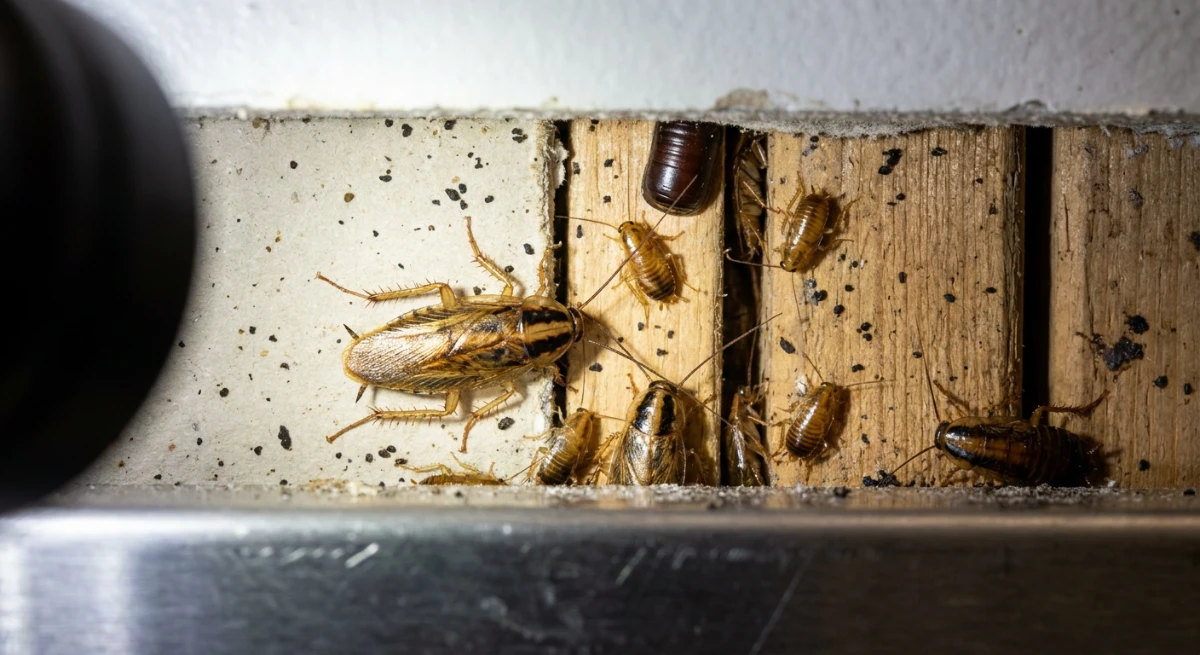
Competitors like Flick Anticimex are capturing market share with SMART digital systems, but they often lack the localized, agile response of a family-owned team. We combine that same predictive technology with direct access to experienced local technicians. You get the data, but you also get the “Silver Bullet Guarantee” from someone who actually knows your neighbourhood.
Key Components of Predictive IPM in Hospitality
Trend Analysis of Pest Sightings
Data is your absolute best defense against an MPI shutdown. We install smart traps that send real-time digital alerts the second a rodent enters a bait station. This is the core of what is predictive IPM for restaurants: turning physical pest activity into actionable digital intelligence [3].
If our system flags elevated rodent consumption over a three-week period near your raw materials receiving area, we prompt a corrective inspection. We do not just empty the trap and walk away. We analyze the trend, find the structural gap, and seal it permanently.
This entomological approach ensures we are solving the actual problem, not just masking it. It is the only way to guarantee your kitchen stays compliant. We act as your commercial biosecurity auditors, keeping you one step ahead of the health inspector.
Seasonal Forecasting (e.g., The Autumn Rodent Surge)
Auckland weather dictates pest behaviour entirely. Following a notoriously mild winter and a scorching summer last year, we are currently battling a massive autumn rodent surge in May 2026. Rats and mice are aggressively seeking warmth and food inside commercial buildings.
Strict legal mandates dictate that live-capture traps must be physically inspected within 12 hours after sunrise every day. Glue boards for rodents are heavily restricted. Predictive IoT traps help manage this compliance by alerting you instantly when a trap is triggered.
Predictive IPM means we prepare your restaurant long before the temperature drops. We implement our Auckland Winter Defense strategies in late summer. By the time the rodents start looking for shelter, your venue is already an impenetrable fortress.
We also factor in regional shifts. For example, following the massive late-2025 aerial 1080 drop in the Hūnua Ranges, rat tracking there plummeted to 1.3%. However, urban centers like the CBD and Ponsonby remain high-pressure zones. We adjust our predictive models based on these hyper-local realities.
Benefits of Predictive IPM for Restaurant Owners
Reduced Chemical Usage and Increased Safety
Nobody wants ecotoxic chemicals near their food prep stations or dining tables. Predictive IPM dramatically reduces the need for broad-spectrum pesticides. We use MPI-approved, zero-emission treatments only when absolutely necessary, focusing instead on exclusion and hygiene.
This safety-first approach protects your staff, your customers, and your brand reputation. Greenwashing is rampant in this industry, with competitors throwing around “eco-friendly” buzzwords without providing transparent Safety Data Sheets (SDS). We provide complete transparency.
| Feature | Traditional Pest Control | Predictive IPM |
|---|---|---|
| Methodology | Reactive “spray and pray” | Proactive data-driven exclusion |
| Chemical Usage | High (Broad-spectrum pesticides) | Minimal (Zero-emission, targeted) |
| Compliance | Risks Food Act 2014 violations | 100% MPI & HACCP compliant |
| Monitoring | Manual, monthly checks | 24/7 IoT Smart Sensor alerts |
Every intervention we make is legal, safe, and highly targeted. We ensure that your business aligns perfectly with the Auckland Regional Pest Management Plan (RPMP) 2020-2030, avoiding accidental pest introductions and heavy fines.
Lower Long-Term Costs and Zero Downtime
Failed DIY treatments and reactive call-outs create a vicious cycle that drains your budget. When you ask what is predictive IPM for restaurants, you are really asking how to protect your bottom line. By stopping infestations early, you avoid costly closures and contaminated stock.
Don’t settle for hidden pricing models. We bypass the friction of the “call for a quote” runaround by offering transparent, subscription-based annual protection plans for commercial operators.
We believe in upfront honesty. You get our “Silver Bullet Guarantee” because we fix the root cause of the problem. There are no bait-and-switch tactics, just reliable, scientific pest management that keeps your doors open and your customers happy.
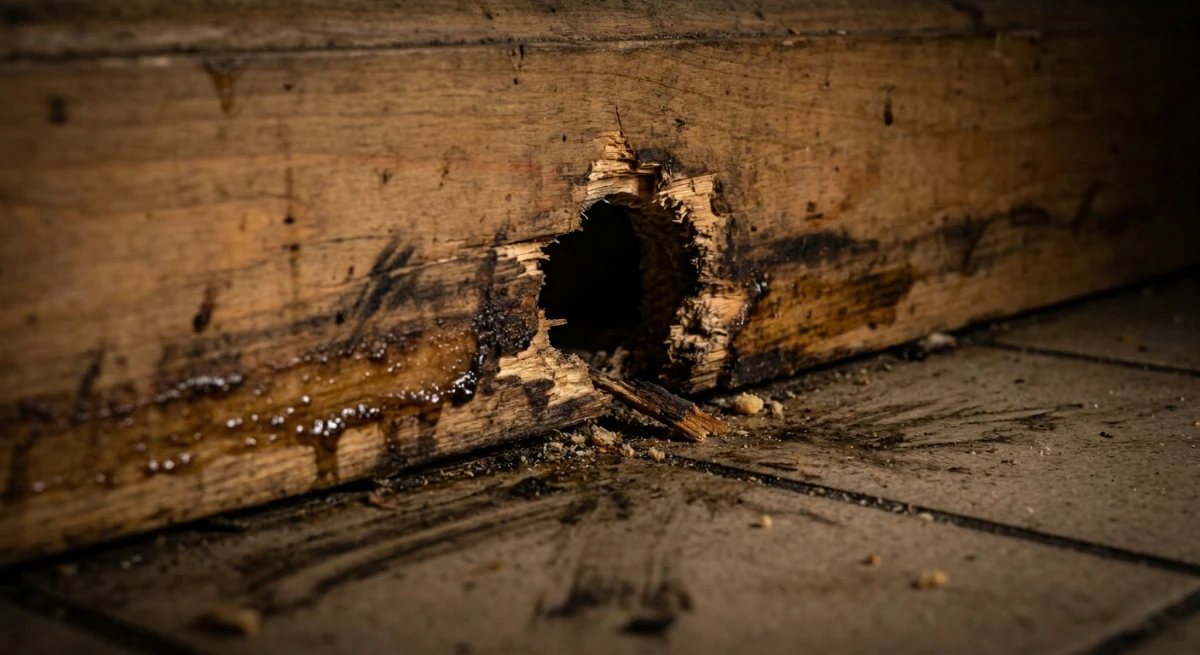
The Asia-Pacific pest control market is evolving rapidly, projected to hit $5.47 billion in 2026. Restaurants that adapt to predictive IPM will thrive, while those stuck in the past will struggle with compliance. We provide the tools, the tech, and the local grit to keep your venue pristine.
People Also Ask

About the Author: Ronnie
Founder, Pest Control Auckland · Commercial & Residential Pest Expert · Certified Urban Pest Management Specialist
With years of experience protecting Auckland’s $15.99 billion hospitality sector from invasive pests, Ronnie is a definitive expert on commercial biosecurity. Having consulted for top-tier restaurants and navigated complex Food Act 2014 compliance audits, he specializes in designing zero-emission, IoT-driven IPM systems that guarantee long-term eradication.