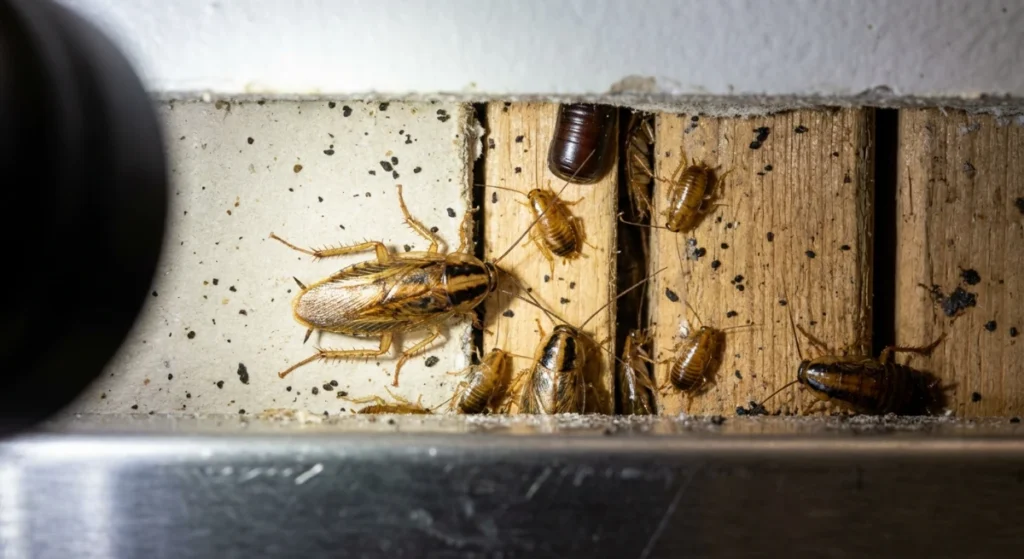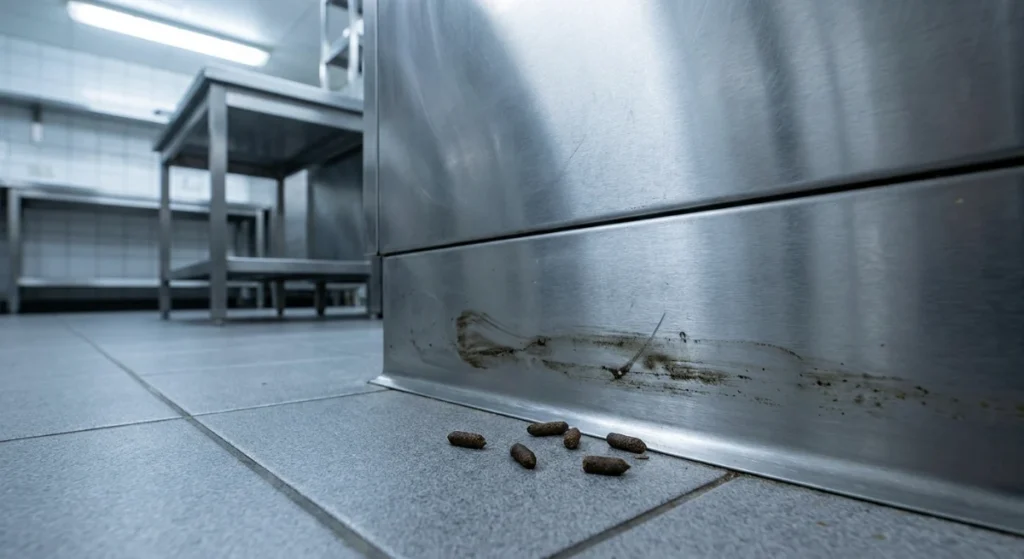
New Zealand’s hospitality sector just hit a record $15.99 billion in sales heading into 2026 [1]. But behind the stainless steel benches and glowing customer reviews, there’s a silent, relentless war going on.
Rodents and cockroaches don’t care about your Michelin stars, your carefully curated menus, or your tight profit margins. They care about the warmth radiating from your commercial ovens and the food scraps hidden under your deep fryers.
For decades, the industry standard was throwing down a few plastic bait stations and hoping for the best. That reactive, ‘spray and pray’ approach is completely dead in the modern era.
Today, Auckland health inspectors and the Ministry for Primary Industries (MPI) demand proactive proof that your premises are secure. That’s exactly where IoT pest monitoring in commercial kitchens completely changes the game.
We’re moving away from toxic chemicals and guesswork. The future of commercial biosecurity is predictive, data-driven, and structurally sound.
Key Takeaways
IoT pest monitoring in commercial kitchens replaces outdated, toxic baiting with 24/7 digital sensors. It provides instant alerts for rodent activity, ensuring absolute compliance with the Food Act 2014. By shifting to non-toxic, predictive monitoring, Auckland hospitality businesses protect their ‘A’ Grade health ratings and prevent costly shutdowns.
The Digital Revolution in Pest Control
The pest control industry is moving incredibly fast right now. If you’re still relying on a technician to check an empty plastic box once a month, you’re leaving your business completely exposed.
We’re seeing this massive technological shift firsthand across the Asia-Pacific region. In fact, Auckland is actively preparing to host the global FAOPMA Pest Summit in July 2026, with a massive focus on ‘FutureProof’ smart technologies [2].
Corporate giants are pushing expensive digital subscriptions, but they often fail to fix the actual holes in your walls. We take a different, more comprehensive approach.
We combine advanced smart monitoring with hard, physical exclusion work. It’s not just about having a flashy app on your phone.
It’s about knowing exactly when and where a rat enters your building, so we can shut them out permanently and protect your livelihood.
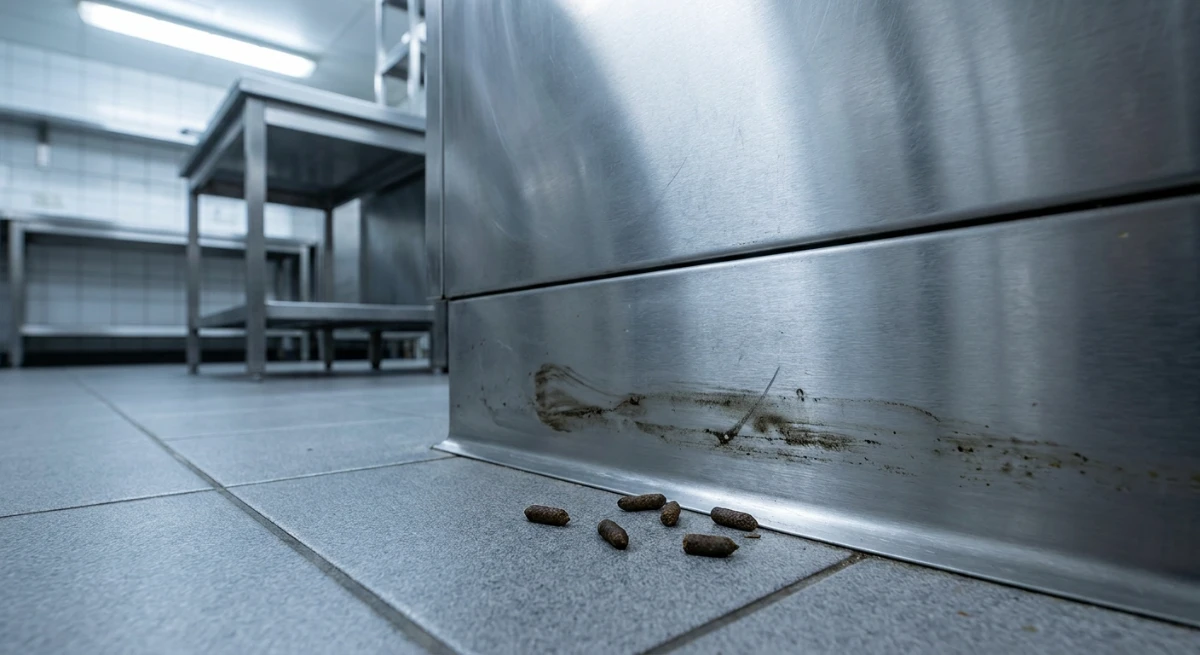
How Smart Sensors Detect Rodent Activity 24/7
Rodents are nocturnal and incredibly cautious creatures. By the time your prep chef spots a mouse darting under the fridge at 10 AM, you’ve already got a severe, entrenched infestation.
Smart sensors completely change the rules of engagement. These small, discreet digital devices use advanced infrared and motion detection to monitor high-risk zones around the clock.
They don’t sleep, they don’t take breaks, and they don’t miss a single beat. They sit silently in drop ceilings, behind dishwashers, and inside dry goods stores.
Every movement is tracked, logged, and analyzed. This gives us a crystal-clear picture of pest behavior that was completely impossible just a few years ago.
Traditional methods give you 12 days of data a year (during monthly visits). IoT sensors give you 365 days of continuous data, capturing every single movement.
Instant Alerts for Rapid Intervention
The moment a rat crosses a sensor’s path, the system instantly pings our mobile devices. We know exactly which zone was breached and at what exact time.
This real-time data allows us to deploy a targeted response immediately. We intercept the scout rat before it has the chance to signal the rest of its colony to move in.
Rapid intervention is the defining difference between a minor blip and a full-scale health crisis. You no longer have to wait for the monthly service schedule to know you have a problem.
We address the breach within hours, not weeks. This keeps your kitchen running smoothly and your stress levels at an absolute minimum.
Auckland’s Unique Commercial Pest Pressures in 2026
Auckland is currently facing a massive autumn surge in urban pests. The combination of a mild winter and a scorching summer last year created the perfect breeding storm.
Rats and mice are being pushed indoors as the weather cools. They’re aggressively seeking out the warmth and food sources abundant in commercial kitchens.
This isn’t a standard seasonal shift. The sheer volume of rodent activity we’re seeing across the CBD and surrounding suburbs is unprecedented.
Relying on standard monthly checks during a surge like this is a recipe for disaster. You need eyes on your premises 24/7 to catch breaches instantly.
Advantages of IoT over Traditional Bait Stations
Old-school pest control relies heavily on toxic baits and blind hope. You put poison in a box, a rat eats it, wanders off, and dies somewhere deep inside your roof cavity.
Then you spend the next three weeks fielding complaints from customers about the horrific smell of rotting meat. It’s a terrible, highly disruptive system for any hospitality business.
Implementing IoT pest monitoring in commercial kitchens completely flips this outdated model on its head. We use non-toxic lures and mechanical strikes, backed by comprehensive digital reporting.
There’s no guesswork involved. You know exactly what’s happening in your premises at all times, providing absolute peace of mind.
| Feature | Traditional Bait Stations | IoT Smart Monitoring |
|---|---|---|
| Detection Speed | Up to 30 days (next service) | Instant (Real-time alerts) |
| Toxicity | High (Second-generation poisons) | Zero (Non-toxic lures) |
| Data Accuracy | Low (Guesswork based on bait eaten) | High (Timestamped activity logs) |
| Food Act Compliance | Restricted in prep zones | 100% compliant everywhere |
Eliminating the Need for Toxic Baits in Food Zones
The Food Act 2014 and HACCP standards are incredibly strict regarding chemical usage [3]. You absolutely cannot have toxic rodenticides sitting anywhere near food preparation surfaces.
If an MPI auditor finds a block of rat poison near your dry goods or fresh produce, you’ll fail your inspection immediately. The cross-contamination risk to the public is simply too high.
Smart traps solve this compliance nightmare instantly. Because they use mechanical mechanisms triggered by precision sensors, they’re entirely zero-emission and poison-free.
They’re completely safe for your kitchen staff, your food ingredients, and your paying customers. You get maximum protection with zero chemical risk.
Under the Animal Welfare Act 1999, live-capture traps must be inspected within 12 hours of sunrise. IoT sensors automatically log captures, keeping you legally compliant without forcing staff to manually check traps daily.
Highly Accurate Data for Health Auditors
When the Auckland Council health inspector walks through your doors, they want to see a proactive, documented pest management plan. They don’t want verbal assurances or empty excuses.
With an IoT system, you don’t just tell them you’re pest-free. You hand them a detailed digital log proving it beyond a shadow of a doubt.
The data shows exactly when specific areas were monitored and confirms zero pest activity over time. This level of extreme transparency builds immense trust with MPI verifiers.
It practically guarantees your ‘A’ Grade rating remains untouched. It shows the authorities that you take commercial biosecurity as seriously as they do.
Keep your digital pest logs accessible on your kitchen tablet. When the auditor arrives, showing them real-time sensor data instantly proves you take biosecurity seriously.
The Financial ROI of Predictive Pest Control
Many hospitality owners hesitate at the initial setup cost of digital systems. But you have to look at the massive financial risks of the alternative.
A failed MPI health inspection doesn’t just mean a fine. It means forced closure, lost revenue, and catastrophic damage to your brand’s reputation.
IoT pest monitoring in commercial kitchens is an insurance policy. It prevents the infestation from taking hold, saving you thousands in emergency eradication fees.
When you factor in the avoided downtime and the absolute certainty of compliance, the return on investment is immediate and undeniable.
Integrating Smart Tech with Structural Exclusion
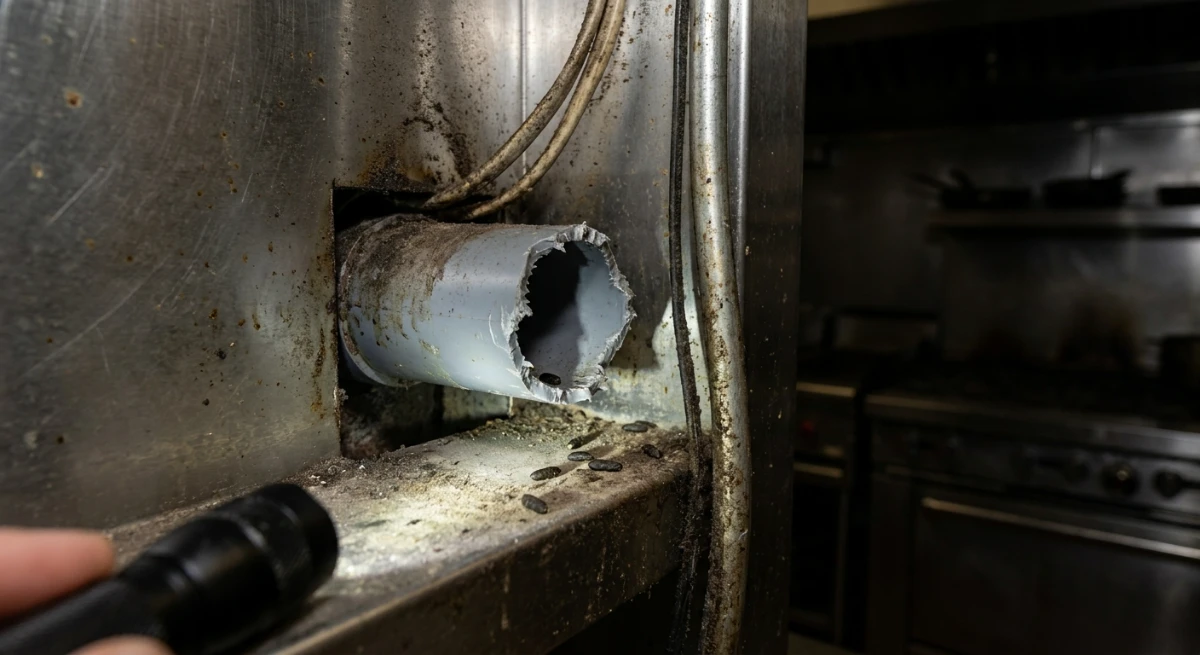
Technology is fantastic, but it’s only half the battle. A digital sensor will tell you a rat is currently in the building, but it won’t patch the gaping hole in your brickwork.
This is exactly where our scientific, root-cause approach comes into play. We use the raw data from the IoT pest monitoring in commercial kitchens to map the rodents’ exact travel routes.
Once we know exactly how they’re getting in, we aggressively shut the door. We use chew-proof materials, concrete, and heavy-duty galvanized mesh to seal structural entry points.
We don’t just treat the temporary symptoms of an infestation. We eradicate the problem at its core source, ensuring pests can never return to that specific entryway again.
Modernize Your Kitchen’s Pest Defenses
Auckland’s hospitality scene is far too competitive to risk everything on outdated, ineffective pest control methods. One bad sighting on social media can ruin a reputation that took you years to painstakingly build.
We’re a local, family-owned team of Level 3 qualified Urban Pest Management specialists. We intimately understand the intense pressure you’re under, and we deliver hard results without the corporate runaround.
Our ‘Silver Bullet Guarantee’ means we firmly stand by our work. We fix the immediate problem, we set up the smart monitoring, and we keep your kitchen strictly compliant.
Stop relying on blind luck and highly toxic chemicals. Upgrade to a smart, predictive defense system today and get back to focusing on what you do best: your food.
Contact Pest Control Auckland for a complete commercial biosecurity audit. We’ll design a custom IoT monitoring plan tailored to your specific kitchen layout.
Frequently Asked Questions

About the Author: Ronnie
Founder, Pest Control Auckland · Commercial & Residential Pest Expert · Certified Urban Pest Management Specialist
With years of experience auditing Auckland’s top-tier hospitality venues for Food Act compliance, Ronnie understands exactly what MPI inspectors look for. Having consulted for dozens of commercial kitchens, he specializes in integrating zero-emission IoT pest monitoring systems with hard structural exclusion to deliver permanent, audit-ready biosecurity solutions.