Listen, running a commercial facility in Auckland right now is tough enough without a biosecurity breach shutting down your production line. We had a mild winter last year, followed by a scorcher of a summer. Now, the autumn 2026 pest surge is pushing rodents and exotic insects indoors in record numbers.
If you rely on some bloke with a cheap backpack sprayer to protect your warehouse, you are gambling with your business license. You need proper, legally compliant commercial pest management. That means working exclusively with MPI approved pest fumigators who understand the strict regulatory environment of New Zealand.
I have seen multi-million dollar logistics hubs brought to a standstill because a facilities manager tried to save a few bucks on reactive pest control. It never works. We are going to walk through exactly what it takes to lock down your commercial site, keep the auditors happy, and stop pests at the perimeter.
Key Takeaways
To secure your commercial facility, you must use MPI approved pest fumigators who hold a Level 3 UPM certification. Strict adherence to the EPA HPC Notice 2017 is legally required for handling Class 9 ecotoxic substances, ensuring total eradication without risking Food Act 2014 compliance.
Handling High-Risk Commercial Biosecurity Threats
New Zealand’s biosecurity laws are notoriously unforgiving, and for good reason. Exotic invaders like the Brown Marmorated Stink Bug (BMSB) can devastate our agricultural sector if they slip past the port. When a high-risk container arrives at your Auckland storage facility, standard pest control methods are entirely useless.
You cannot just set off a hardware store bug bomb and hope for the best. The Ministry for Primary Industries (MPI) mandates highly specific treatment protocols for imported risk goods. This is where certified MPI approved pest fumigators step in to execute precise, legally binding eradication measures.
The economic drivers behind this compliance are massive. New Zealand’s hospitality and commercial food sectors reached a staggering $15.99 billion turnover in FY2025. With Auckland accounting for over 37.8% of that national revenue, local supply chains cannot afford a single contamination event.
Every warehouse, distribution centre, and commercial kitchen is a vital link in this economic chain. If an auditor finds evidence of rodent activity or exotic pests, operations halt immediately. That is why proactive, structural exclusion is vastly superior to waiting for a crisis to unfold.
Strict Adherence to EPA HPC Notice 2017
The legislation governing chemical application in New Zealand is absolute. Under the EPA HPC Notice 2017 and the HSNO Act 1996, handling professional-grade pesticides is not a free-for-all. Anyone applying Class 9 ecotoxic substances in a commercial setting must be legally qualified.
If an auditor catches an uncertified worker spraying restricted chemicals in your warehouse, the fines are crippling. You are the one taking on the liability, not just the contractor. We do things by the book, focusing on root-cause eradication and structural exclusion before resorting to heavy chemical interventions.
Hiring unqualified technicians to apply Class 9 substances violates the EPA HPC Notice 2017. If contamination occurs, your business will face severe penalties under the HSNO Act and immediate closure by MPI auditors.
Furthermore, the Animal Welfare Act 1999 places strict constraints on how we manage rodent populations. If you use live-capture traps, they must be physically inspected within 12 hours after sunrise every single day. Glue boards are heavily restricted and generally illegal for standard public use.
We navigate this complex web of regulations so you do not have to. By partnering with MPI approved pest fumigators, you transfer that compliance burden to experts who guarantee their work meets every legal threshold.
Level 3 Qualified UPM Contractors
The era of the unqualified spray jockey is completely dead in New Zealand. To legally operate as MPI approved pest fumigators, technicians must hold the New Zealand Certificate in Pest Operations (Level 3). This certification proves we understand the entomology of the pest and the environmental impact of the treatment.
We do not just guess which chemical to use. We analyze the specific pest, track its nesting habits, and apply targeted treatments that eliminate the colony from the inside out. This scientific approach is what separates true Integrated Pest Management (IPM) from amateur spraying.
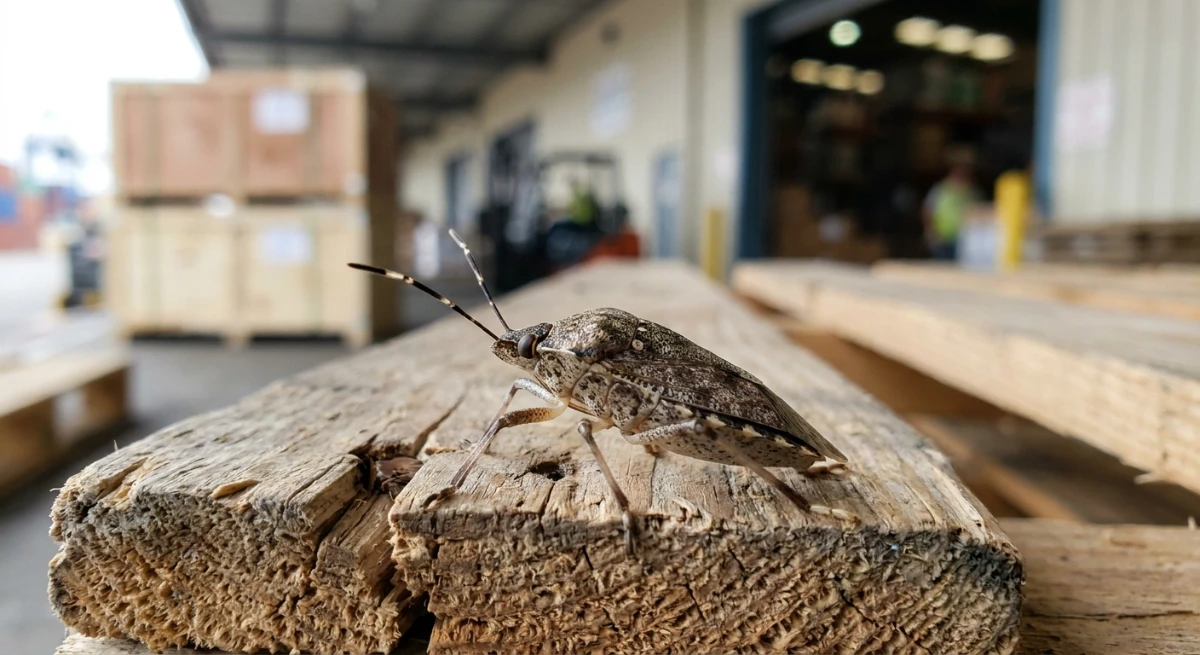
Here is what a Level 3 UPM Contractor actually does differently when they step onto your commercial site:
- Conducts thorough entomological assessments to identify the exact species and nesting habits.
- Calculates precise chemical volumes to ensure maximum efficacy with zero unnecessary environmental drift.
- Maintains exhaustive digital logs required for HACCP and Ministry of Health compliance audits.
- Implements structural exclusion techniques to physically block pests from re-entering the building.
When you hire certified professionals, you are buying peace of mind. You know the job will be done safely, legally, and permanently.
The Expertise Required for Ecotoxic Substance Handling
Applying ecotoxic fumigants in a commercial food environment requires meticulous planning. The Food Act 2014 strictly prohibits the use of toxic rodenticide baits in sensitive food preparation zones. We must rely on non-toxic monitoring, mechanical traps, and highly controlled localized treatments to stay compliant.
If a health inspector finds toxic bait scattered near a food prep area, your business will be shut down. We deploy tamper-proof bait stations strictly in external perimeter zones, utilizing zero-emission gels indoors where necessary.
Always demand real-time digital documentation and Safety Data Sheets (SDS) from your pest controller. You will need these logs on hand when the Ministry of Health or MPI conducts an unannounced site audit.
This level of precision protects your staff, your stock, and your brand reputation. We do not take shortcuts when public health is on the line.
Targeted Fumigation for Export and Storage Facilities
When dealing with international freight, fumigation is often a mandatory biosecurity requirement. MPI approves specific treatments like methyl bromide, aluminium phosphide, and ethyl formate for different risk goods. Each chemical has a highly specific application profile and retention time.
Because methyl bromide is an ozone-depleting substance, its use is heavily restricted strictly to official quarantine and pre-shipment treatments. We navigate these complex regulations to ensure your export containers meet destination requirements without violating domestic environmental laws.
| Treatment Method | Primary Application | Regulatory Status | Efficacy |
|---|---|---|---|
| Methyl Bromide | Quarantine & Pre-shipment | Heavily Restricted (Ozone Depleting) | Extremely High |
| Aluminium Phosphide | Bulk Grain & Silo Storage | Requires Level 3 UPM Certification | High (Penetrates deep into goods) |
| Structural Exclusion | Warehouses & Processing Plants | Fully Compliant (Zero-Emission) | Permanent Preventative |
Handling these chemicals requires specialized training and equipment. Our team ensures that every cubic meter of your shipping container receives the exact concentration needed to eliminate hidden pests.
Minimizing Downtime While Ensuring Total Eradication
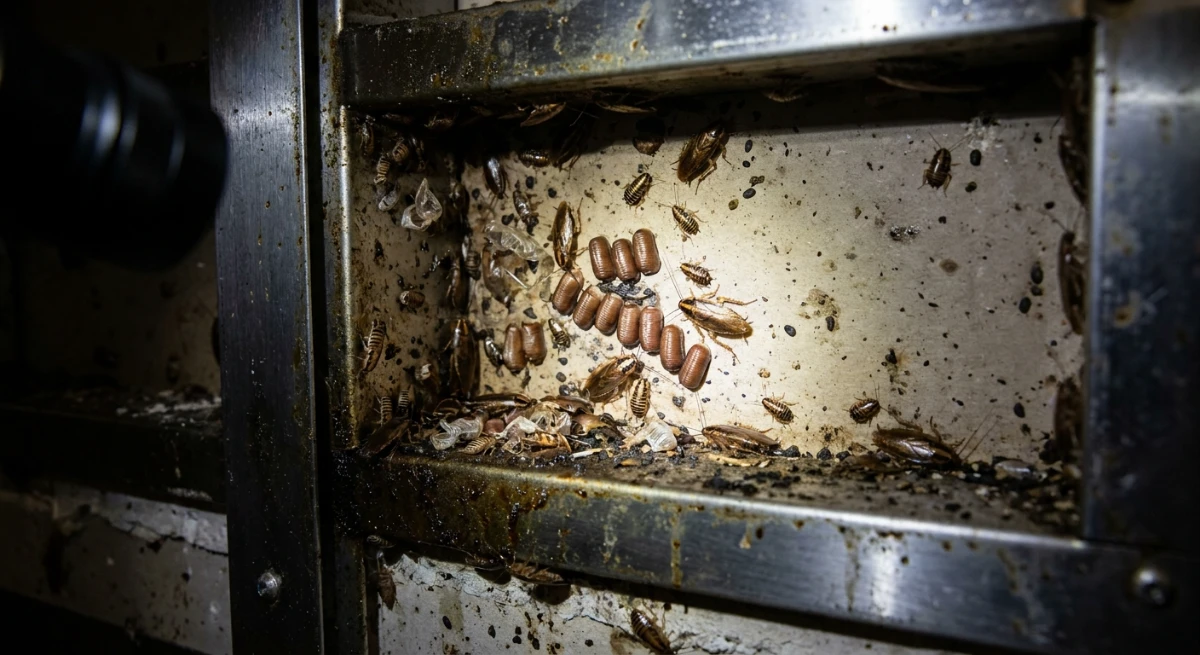
We know that shutting down a logistics hub for three days is an operational nightmare. That is why we utilize Predictive Integrated Pest Management (IPM) to catch infestations before they require facility-wide fumigation. By monitoring entry points and sealing structural vulnerabilities, we keep your business running smoothly.
The pest control industry is rapidly evolving toward these smarter, data-driven solutions. In fact, Auckland is gearing up to host the FAOPMA Pest Summit from July 15-17, 2026, at the NZICC. The theme is “FutureProof: Smarter Pest Solutions for a Rapidly Changing World,” and it perfectly aligns with our zero-emission, highly targeted approach.
The upcoming 2026 FAOPMA Pest Summit in Auckland highlights the critical shift away from toxic blanket spraying toward sustainable, technology-driven pest management.
Just look at the recent success in the Hūnua Ranges, where strategic, science-backed eradication dropped rat tracking to just 1.3%. That same level of precision is exactly what we bring to urban commercial environments. We follow the data, not the guesswork.
Contact Our Commercial Fumigation Team
Do not wait for a failed health inspection or a rejected export container to take action. If you are dealing with a high-stakes biosecurity threat or need routine commercial protection, you need the experts. We bring the scientific rigor and legal compliance required to solve the problem permanently.
Our technicians are fully certified MPI approved pest fumigators operating across the entire Auckland region. We will assess your facility, identify the structural failures, and execute a flawless eradication plan.
Contact Pest Control Auckland for a comprehensive commercial biosecurity audit. We provide upfront pricing, transparent compliance documentation, and our signature Silver Bullet Guarantee.
People Also Ask

About the Author: Ronnie
Founder, Pest Control Auckland · Commercial & Residential Pest Expert · Certified Urban Pest Management Specialist
With years of experience auditing complex commercial facilities across Auckland, Ronnie is the definitive expert on navigating New Zealand’s stringent biosecurity laws. Holding a Level 3 UPM Certification, he specializes in aligning industrial pest management strategies with the EPA HPC Notice 2017 and MPI fumigation standards to keep local supply chains compliant and operational.