Running a hospitality business in Auckland right now is no joke. The New Zealand hospitality sector just hit a record $15.99 billion in turnover for FY2025, and nearly 30% of that action is happening right here in our city [1]. But with that massive growth comes intense pressure, especially when the weather turns.
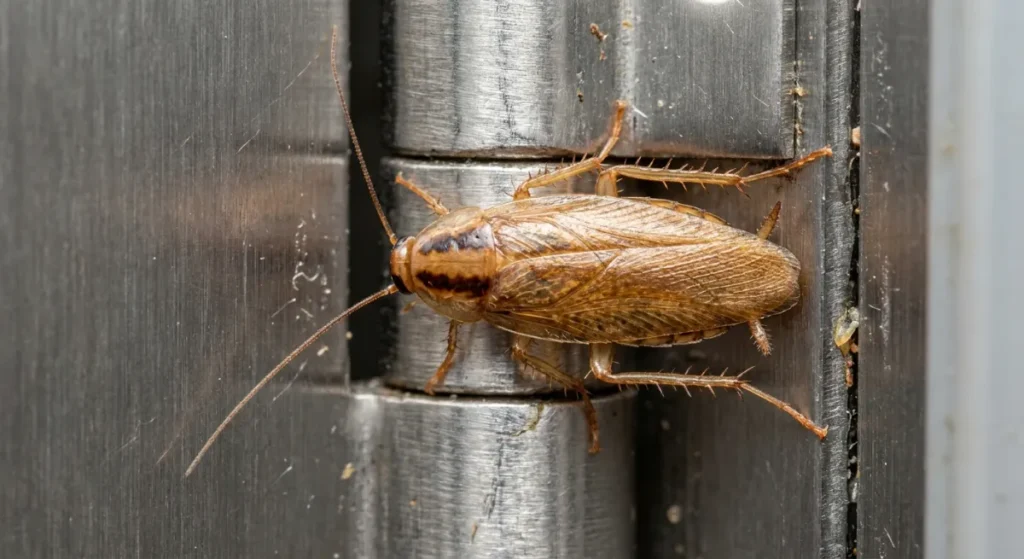
Thanks to a mild winter and a scorching summer last year, May 2026 has delivered an unprecedented autumn pest surge. Rats, mice, and German cockroaches are aggressively pushing into commercial kitchens looking for warmth and food. When you are staring down a Ministry for Primary Industries (MPI) audit, you cannot afford to mess around with cheap bug bombs or slow service.
You have probably been searching for Flick vs Rentokil restaurant pest control to figure out which major player to hire. They are the undeniable giants of the industry. But in a fast-paced kitchen environment, is a massive corporate franchise actually what you need? Or are you better off with an agile, local specialist who knows Auckland inside and out?
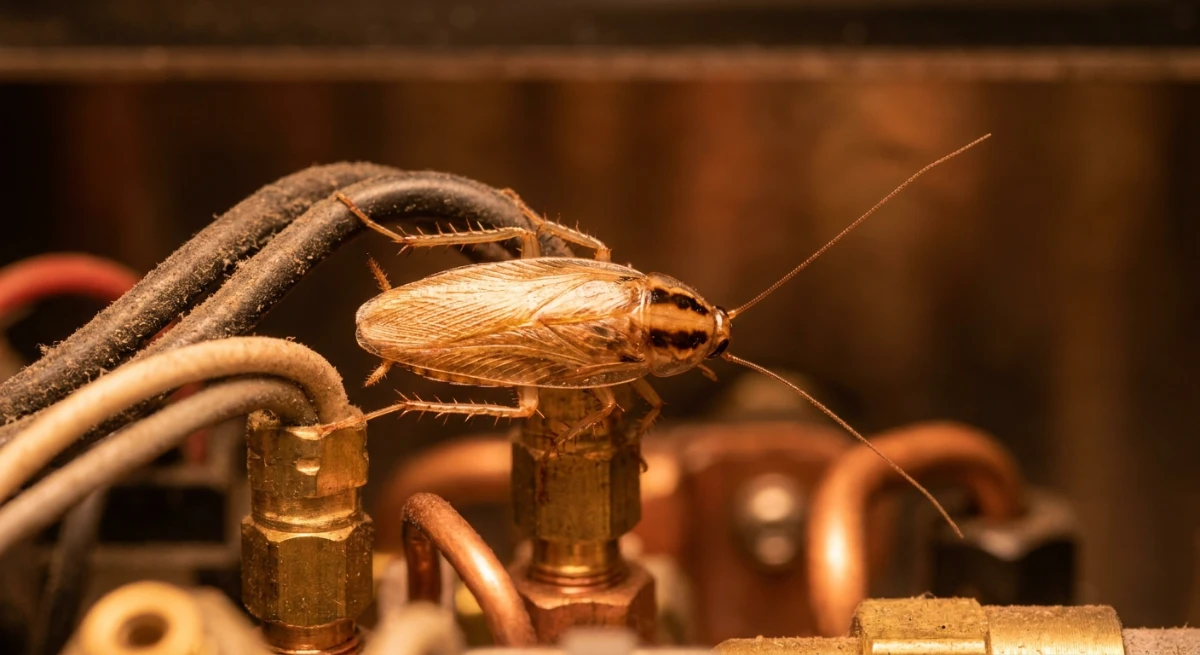
I am Ronnie, a straight-talking Auckland pest tech. I have seen it all, from rodents chewing through walk-in chiller wiring to roaches nesting inside $10,000 espresso machines. Let us cut through the corporate marketing speak and look at what actually keeps your restaurant compliant, safe, and open for business.
Key Takeaways
When comparing Flick vs Rentokil restaurant pest control, both provide reliable corporate compliance and digital monitoring. However, Auckland hospitality operators are increasingly switching to agile local experts for faster emergency response times, transparent pricing, and direct access to Level 3 certified technicians without the call centre delays.
The Corporate Franchise Model vs. Local Agile Experts
When it comes to commercial pest management, the market is heavily segmented. On one side, you have the massive multinational corporations. On the other, you have highly specialized, locally owned operators.
Both models have their place, but they operate very differently. A massive logistics warehouse might prefer a global corporate contract, but an independent Auckland restaurant usually needs something much more responsive.
Let us look closely at the realities of Flick vs Rentokil restaurant pest control and see how they stack up against a dedicated local team.
Analyzing the Offerings of Major Corporate Providers
Rentokil is the undisputed heavyweight champion of the pest control world. They are a massive global entity with deep pockets and a heavy focus on enterprise-level accounts. If you run a nationwide chain of supermarkets, they are often the default choice.
Flick Anticimex has made significant waves recently by leaning hard into technology [2]. Their “SMART Digital Pest Control” system uses IoT-enabled sensors to monitor rodent activity 24/7. It alerts their system the moment a trap is triggered.
This tech is impressive, but it comes at a premium subscription cost. For a bustling Auckland cafe or a mid-sized restaurant, you have to ask yourself if you need a digital dashboard, or if you just need a reliable technician who physically solves the problem.
The FAOPMA Pest Summit is coming to Auckland in July 2026, themed “FutureProof: Smarter Pest Solutions.” While corporates focus on AI and digital traps, local experts are doubling down on structural exclusion—fixing the building so pests never get in at all.
The Hidden Costs of Corporate Call Centres and High Turnover
Here is the fundamental flaw with the corporate model in the hospitality sector: speed of communication. When a chef spots a rat running under the deep fryer at 9 PM on a Friday, you have a crisis on your hands.
If you are tied to a corporate contract, you are likely calling a national 0800 number. You will be placed on hold, log a ticket with a dispatcher in another city, and wait for a technician to be assigned. In this industry, waiting three days for a response is unacceptable.
Furthermore, large franchises often suffer from high staff turnover. Your restaurant might get a seasoned 20-year veteran one month, and a brand-new trainee the next. This destroys the continuity of your Integrated Pest Management (IPM) plan.
Why Auckland Restaurants are Switching to Local Specialists
There is a massive shift happening in the Auckland hospitality scene. Owners are tired of being treated like just another account number on a corporate spreadsheet.
They are moving away from the rigid structures of Flick vs Rentokil restaurant pest control and partnering with local, family-owned operators. We offer the exact same MPI-approved compliance, but with a completely different level of service.
We do not just “spray and walk away.” We focus on entomological science, root-cause eradication, and structural entry-point exclusion.
Direct Access to Experienced Founders (Meet Ronnie)
When you hire Pest Control Auckland, you are not getting a random subcontractor. You get direct access to the people who built the business. I hold the New Zealand Certificate in Pest Operations (Level 3), which is the legal requirement to handle Class 9 ecotoxic substances.
I know exactly how Auckland buildings are constructed. I know where the rats are entering your roof cavity, and I know exactly how German cockroaches are hitchhiking into your kitchen via cardboard supplier boxes.
Because you have my direct mobile number, you get honest, unfiltered advice. No corporate hedging, no upselling you on digital traps you do not need. Just straight facts and immediate action.
Faster Response Times for Hospitality Emergencies
In the restaurant game, a pest sighting is an absolute emergency. It threatens your ‘A’ Grade council rating, your brand reputation, and your customers’ health.
Local specialists are agile. If you have a severe ant infestation overwhelming your prep benches, we can divert a technician to your Auckland site within hours. We bypass the red tape.
We understand that treatments often need to happen after service hours. We work around your schedule, ensuring your kitchen is safe, sanitized, and ready for the morning prep shift.
Do not wait for a customer to spot a pest. Book a comprehensive, zero-obligation commercial site audit with our Level 3 certified technicians today to identify hidden structural vulnerabilities.
The ‘Silver Bullet Guarantee’ vs. Standard Corporate Contracts
Corporate contracts often rely on “acceptable thresholds” of pest activity. They lock you into 12-month agreements that cover basic monitoring, but charge extra for intensive eradication work.
At Pest Control Auckland, we operate on the “Silver Bullet Guarantee.” We identify the root cause of the infestation, fix the structural entry points, and eradicate the colony. If we say the pests are gone, they are gone.
We provide transparent, mid-market pricing. You are paying for our advanced scientific methods and zero-emission treatments, not for a global marketing budget.
The Realities of MPI Compliance and the Food Act 2014
You cannot talk about Flick vs Rentokil restaurant pest control without discussing the law. The Food Act 2014 fundamentally changed how commercial kitchens must operate in New Zealand [3].
The era of reactive extermination is dead. You cannot just spray a can of supermarket bug killer and hope for the best. You must prove to your MPI auditor that you have a proactive, preventative plan in place.
If an Auckland Council health inspector walks in and finds a lack of proper pest documentation, your business is in serious jeopardy. Fines, closures, and a downgraded hygiene rating are immediate threats.
Banned Substances and Safe Monitoring
The regulations around what chemicals can be used in a commercial kitchen are incredibly strict. Toxic rodenticide baits are strictly prohibited in sensitive food preparation zones.
If a corporate tech or a cheap amateur places toxic bait near your dry store, you will fail your audit. Food safety requires non-toxic monitoring blocks, mechanical traps, and detailed sighting logbooks.
Furthermore, the Animal Welfare Act 1999 dictates that any live-capture traps must be physically inspected within 12 hours after sunrise every single day. We ensure your team is trained on these legal requirements so you are never caught out.
Never attempt to use hardware store bug bombs in a commercial kitchen. They do not penetrate deep nesting areas, they contaminate food prep surfaces, and they violate MPI compliance standards.
Surviving the Auckland Council Health Inspector
When the inspector arrives, they want to see a comprehensive pest control folder. This must include your service agreements, detailed site maps showing bait station locations, and Safety Data Sheets (SDS) for any products used.
Both corporate giants and local experts provide this documentation. However, a local expert will sit down with your head chef and explain exactly what the report means, ensuring your staff can confidently answer the inspector’s questions.
We act as your compliance partner, not just a contractor. We take the stress out of the audit process so you can focus on running your restaurant.
Making the Best Choice for Your Brand’s Reputation
Ultimately, the choice between Flick vs Rentokil restaurant pest control or a local Auckland specialist comes down to what you value most for your business.
If you want a global brand name and are willing to pay for digital IoT subscriptions, the corporates are a solid choice. But if you want fast, agile, highly communicative experts who treat your business like their own, you need a local team.
We utilize MPI-approved, zero-emission treatments that are rigorously tested for efficacy and safety. We protect your staff, your customers, and your hard-earned reputation.
| Feature | Corporate Franchise (Flick/Rentokil) | Local Expert (Pest Control Auckland) |
|---|---|---|
| Primary Focus | Enterprise Contracts & Digital IoT | Agile Response & Root-Cause Eradication |
| Response Time | Call centre dispatch (often 24-72 hours) | Direct to tech (often same-day emergency) |
| Compliance | Full MPI & HACCP Documentation | Full MPI & HACCP Documentation |
| Pricing Model | Premium subscriptions & rigid contracts | Transparent, mid-market upfront pricing |
Do not leave your compliance to chance. The “DIY cycle of despair” will only cost you more money in the long run when the problem inevitably returns.
Reach out to Pest Control Auckland today. We will assess your premises, build a custom IPM plan, and ensure you are 100% ready for your next health inspection.
Frequently Asked Questions

About the Author: Ronnie
Founder, Pest Control Auckland · Commercial & Residential Pest Expert · Certified Urban Pest Management Specialist
With years of hands-on experience navigating the strict requirements of the Food Act 2014, Ronnie is the definitive expert on commercial compliance in Auckland. Having consulted for countless hospitality venues on the realities of Flick vs Rentokil restaurant pest control, he provides honest, actionable insights to help local businesses protect their reputation and pass MPI audits without the corporate runaround.