You’ve seen the ads. A smiling technician holding a spray wand in front of a sparkling Auckland villa, promising a “100% natural, chemical-free” pest treatment. It sounds perfect, but it’s usually a complete fabrication. As a pest controller who has spent years crawling through roof cavities across the Hibiscus Coast and Central Auckland, I’ve seen the damage this marketing spin causes.
The reality is that if a product is designed to eradicate a biological organism, it contains active ingredients that must be respected. The rise of greenwashing in pest control across NZ is putting families at risk by masking cheap, unregulated products behind a leafy green logo. I’m going to tell you exactly how to spot the fakes, what the law actually says, and why absolute transparency is the only thing that keeps your home safe.
Key Takeaways
Greenwashing in pest control involves falsely marketing treatments as “100% natural” or “chemical-free” without scientific proof. Always demand Safety Data Sheets (SDS) and ensure your technician holds a Level 3 UPM certification under the EPA’s HSNO Act to guarantee true safety and effectiveness.
What Does ‘Eco-Friendly’ Actually Mean Legally?
In New Zealand, we don’t play guessing games with public health. The Environmental Protection Authority (EPA) strictly regulates all pest management substances under the Hazardous Substances and New Organisms (HSNO) Act 1996 [2]. If a product kills rats or cockroaches, it is legally classified and regulated based on its toxicity.
Any operator applying Class 9 ecotoxic substances must comply with the EPA’s Hazardous Property Controls (HPC) Notice 2017. This means there is a legal definition for what is safe, how it must be applied, and who is allowed to apply it. You can’t just slap a green leaf sticker on a bottle and bypass federal law.
When a company claims a treatment is “eco-friendly” but refuses to specify the active ingredient, they are hiding behind a marketing loophole. True environmental safety comes from precise, targeted application by a certified professional, not from a vague label cooked up by a marketing department.
If a product is legally registered to eradicate an organism, it is classified as a biocide under NZ law. “Chemical-free” pest control is scientifically impossible unless you are using a physical swatter or a mechanical trap.
How Competitors Misuse Buzzwords Without Providing SDS
The most common tactic in greenwashing in pest control operations is the bait-and-switch. They advertise a “botanical” or “safe” solution on their homepage to get their foot in the door and secure your booking. Consumers naturally gravitate toward these reassuring words [1].
Once inside, they spray a standard, cheap synthetic pyrethroid without giving you the required documentation. You are left breathing in the residue, completely unaware of what was actually applied to your kitchen skirting boards or bedroom carpets.
Legitimate pest management relies on absolute transparency. Every chemical applied in your home must have an accompanying Safety Data Sheet (SDS) that details exact risks, first aid measures, and environmental impacts. If they can’t produce the SDS, they are running a scam.
Any operator who claims a wet spray is instantly “100% safe for pets” before it has fully dried is lying to you. All professional treatments require strict isolation periods, regardless of how “green” they claim to be.
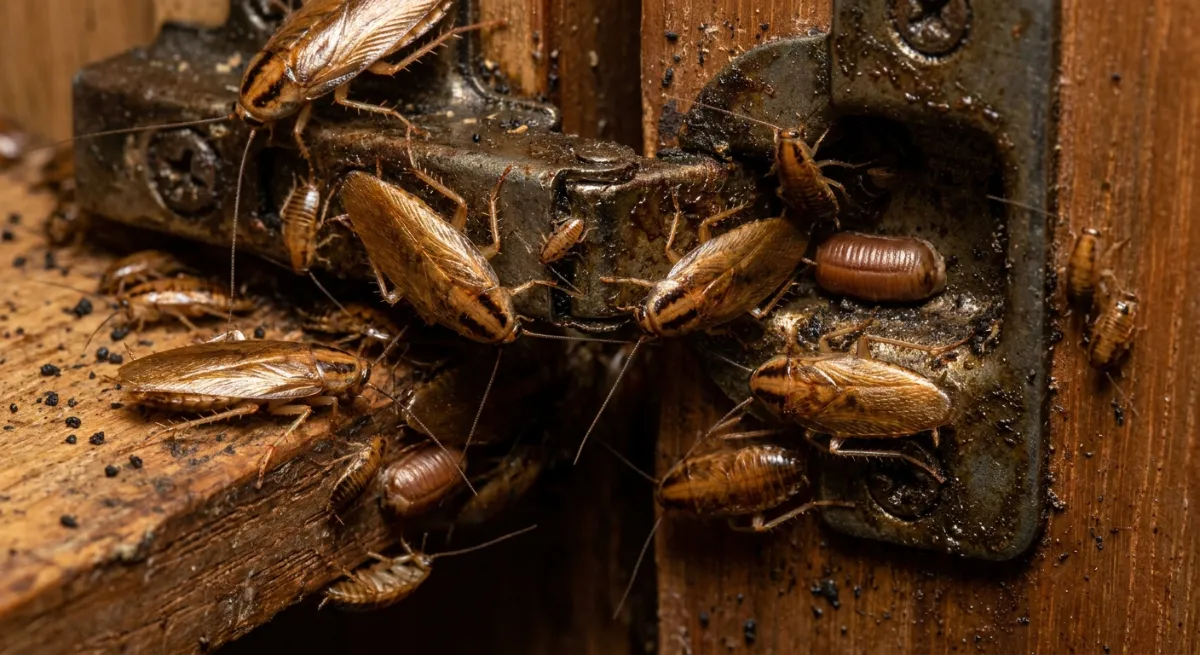
Questions to Ask Your Pest Controller Before Hiring
Don’t let a slick website make the decision for you. When you are dealing with the health of your family and the structural integrity of your home, you need to ask hard questions. A professional Auckland pest technician will never be offended by you asking for proof of their qualifications.
We actually prefer it, because it separates us from the uncertified cowboys running a side-hustle out of their car boot. You need to take control of the conversation before they even quote the job.
Here are the non-negotiable questions you must ask before anyone sets foot on your property to perform a treatment.
- Are you a qualified UPM contractor? Demand to see their New Zealand Certificate in Pest Operations (Level 3).
- Can I see the Safety Data Sheet (SDS)? If they hesitate or claim it is a “trade secret,” cancel the job immediately.
- What is the active ingredient? Make sure they name the specific compound, not just a brand name or a vague “plant extract” claim.
- What is your root-cause strategy? If their only plan is to spray and walk away, they aren’t solving the problem.
Are You Level 3 UPM Certified? Can I See the SDS?
The New Zealand Certificate in Pest Operations (Level 3) is the gold standard for Urban Pest Management (UPM) in this country. It proves the technician actually understands entomology, safe handling procedures, and the strict rules of the Animal Welfare Act 1999.
Without this certification, an operator is not legally qualified to handle the commercial-grade, Class 9 ecotoxic substances required to properly eradicate severe infestations. When you fall for greenwashing pest control nz marketing, you often end up with an uncertified worker.
They end up applying watered-down hardware store chemicals at a premium markup. Always demand the paperwork. It is your legal right as a consumer, and it is our legal obligation to provide it.
Before any treatment begins, ask the technician to physically show you their Level 3 UPM ID card and email you the SDS for the specific treatment plan.
The Real Cost of Fake Green Solutions
Let’s look at the actual difference between a legitimate Integrated Pest Management (IPM) approach and a greenwashed scam. IPM focuses on predictive monitoring, structural exclusion, and highly targeted applications.
Greenwashing relies heavily on buzzwords and temporary surface-level knockdowns. It might smell like eucalyptus, but it won’t stop rats from chewing through your wiring.
This epidemic of fake claims heavily impacts the Auckland rental market. Landlords hire the cheapest “eco-friendly” contractor, the watered-down treatment fails, and everyone ends up arguing at the Tenancy Tribunal over returning cockroaches.
| Feature | Legitimate IPM (Certified) | Greenwashed “Eco-Spray” |
|---|---|---|
| Documentation | Provides full SDS and EPA approval numbers upfront. | Refuses to name chemicals; claims formulation is a “secret.” |
| Strategy | Root-cause exclusion, entry-point sealing, and targeted baiting. | Indiscriminate “spray and pray” application on baseboards. |
| Safety Claims | Strict isolation periods required until treatments are fully dry. | Falsely claims “100% safe to breathe immediately.” |
| Long-Term Value | High LTV; stops the cycle of despair with a Silver Bullet Guarantee. | Cheap upfront cost, but pests return within weeks. |
Our Commitment to Absolute Transparency and Science
At Pest Control Auckland, we refuse to play the greenwashing game. We are currently preparing for the FAOPMA Pest Summit 2026 right here in Auckland, where the entire industry focus is on “FutureProof” smarter pest solutions [3]. That means moving away from toxic overuse and embracing true science.
We utilize MPI-approved, zero-emission treatments that are rigorously tested for efficacy and safety. We don’t just kill the pests; we find out exactly how they got in. Our technicians provide structural advice to stop rodents and insects before they cross your threshold.
Following the massive late-2025 aerial 1080 drop, rat tracking in the Hūnua Ranges plummeted to 1.3%. That was achieved through hard science and highly controlled application, not by spraying diluted peppermint oil. We bring that same scientific rigor into your home.
Integrated Pest Management (IPM) is the only scientifically validated way to reduce chemical usage while maintaining a zero-tolerance hygiene standard in your home or business.
Choose Honest, Certified Pest Management
You deserve to know exactly what is happening inside your home. If a company relies on the phrase “eco-friendly” to avoid answering direct questions about their methodology, walk away immediately. Your family’s safety is worth more than a cheap marketing gimmick.
We tackle greenwashing in pest control by bringing absolute transparency to every single job. We provide honest upfront pricing, clear safety instructions, and a definitive Silver Bullet Guarantee that actually holds weight.
Stop wasting money on marketing buzzwords and failed DIY bombs. Call Pest Control Auckland today, and let’s fix your pest problem properly, safely, and permanently. No spin, just results.
Frequently Asked Questions

About the Author: Ronnie
Founder, Pest Control Auckland · Commercial & Residential Pest Expert · Certified Urban Pest Management Specialist
With years of experience handling highly complex commercial biosecurity audits and residential structural exclusions across Auckland, Ronnie is a leading advocate for industry transparency. Having consulted heavily on EPA compliance and Integrated Pest Management (IPM) strategies, he is uniquely positioned to expose the dangers of greenwashing and educate homeowners on scientifically backed, legally compliant pest eradication.
