Pest emergencies do not adhere to standard business hours or convenient schedules. A sudden swarm of aggressive wasps, a raccoon trapped in a ceiling void, or a confirmed rat sighting in a commercial kitchen often happens in the dead of night. When these critical situations arise, having immediate access to an Emergency 24/7 Hotline becomes an absolute necessity for rapid mitigation.
Waiting for a standard, next-day appointment can lead to severe structural damage, regulatory compliance failures, or immediate health risks to occupants. An immediate response protocol ensures that hazardous situations are stabilized before they escalate out of control. This is exactly why specialized dispatch systems and rapid-response teams exist to handle after-hours crises.
Understanding how an Emergency 24/7 Hotline operates empowers property owners and facility managers to act decisively under pressure. In this comprehensive guide, we will explore what truly qualifies as a pest emergency and the metrics behind rapid response times. We will also examine the critical role of exterior yard services in preventing these sudden, overwhelming infestations.
Key Takeaways
An Emergency 24/7 Hotline provides rapid, after-hours pest control assistance for severe infestations posing immediate health or structural risks. Key benefits include dispatch within 2 to 24 hours, specialized mitigation of active hazards, and integrated yard services to eliminate exterior breeding grounds before pests breach your property.
Urgent Pest Control Assistance for Active Infestations
When an infestation breaches your living space or commercial facility, immediate professional intervention is often non-negotiable. Not every single pest sighting requires an after-hours response, but certain high-risk scenarios demand urgent pest control assistance. An Emergency 24/7 Hotline is specifically designed for situations where human health, safety, or property integrity is at imminent risk.
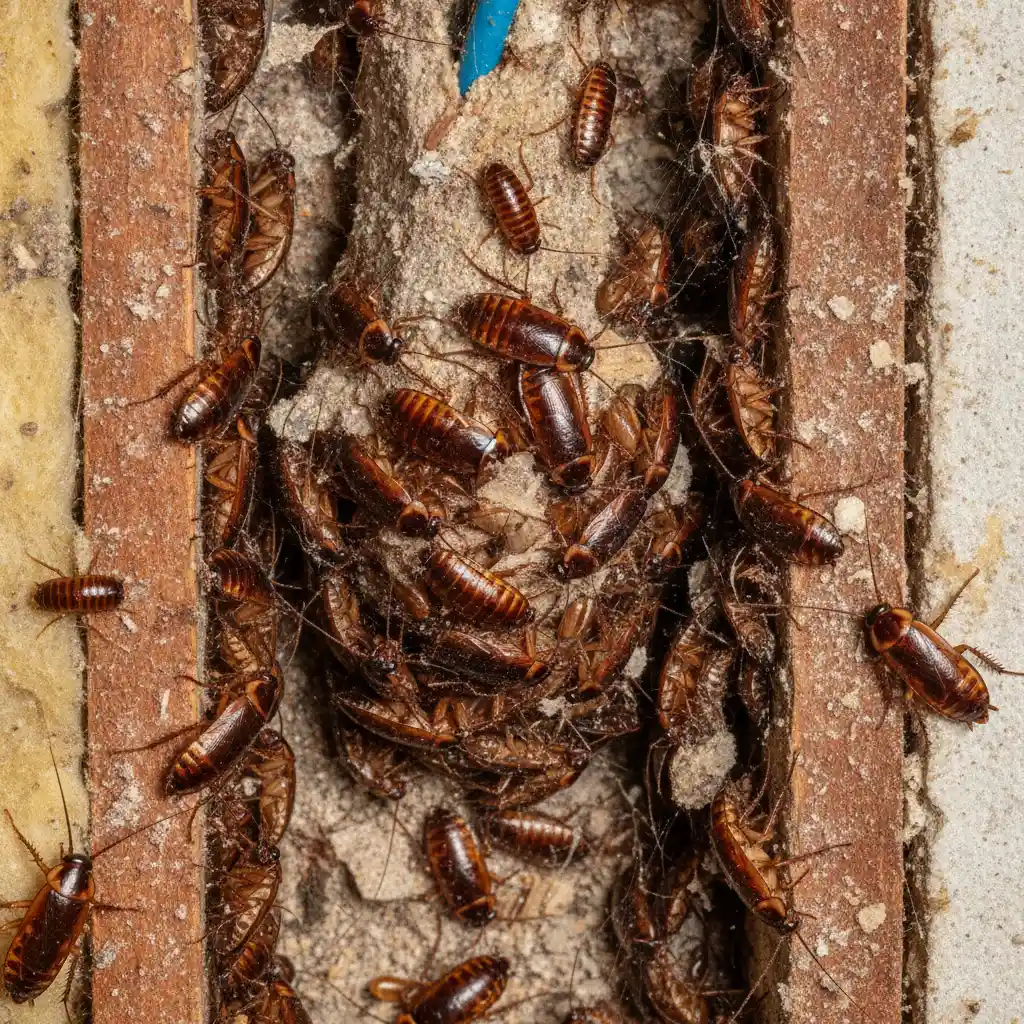
For example, discovering a highly venomous spider nest indoors or encountering a severe German cockroach infestation in a hospital patient care area constitutes a true, undeniable emergency. These pests carry dangerous pathogens, cause extensive physical damage, and can trigger severe allergic reactions in vulnerable individuals. Rapid deployment of mitigation protocols is legally and ethically required to secure the environment.
Under various food safety modernization acts, commercial facilities are legally required to maintain strict pest prevention controls. A live rodent sighting in a food-contact area obligates the facility to take immediate corrective action to avoid shutdown.
This level of urgency separates standard routine maintenance from critical emergency interventions. The goal of an emergency dispatch is not long-term preventative maintenance, but rather the immediate cessation of an active, escalating threat. Once the immediate danger is neutralized, a longer-term strategy can be developed during normal business hours.
The Biology of Emergency Pests
Understanding why certain pests trigger an emergency response requires a brief look at their biology and behavior. For instance, rodents possess constantly growing incisors that compel them to gnaw on hard materials, including electrical wiring and PVC pipes. A single rat in a wall void can quickly cause a catastrophic electrical fire or a massive plumbing leak if left unchecked.
Similarly, stinging insects like yellow jackets and hornets are fiercely territorial and can mobilize an entire colony in seconds if they feel threatened. Their venom can cause anaphylactic shock in humans, turning a simple nest discovery into a life-or-death medical emergency. This rapid escalation potential is why these specific pests are classified as high-priority targets by dispatchers.
Bed bugs, while not vectors for disease, cause immense psychological distress and can spread exponentially through a multi-unit building in a matter of days. Their ability to hide in microscopic crevices makes them incredibly difficult to eradicate once established. Immediate, aggressive intervention is required to halt their reproductive cycle and prevent a building-wide infestation.
Why Choose Our Professional Yard Services
The battle against sudden, catastrophic pest emergencies rarely begins inside the property itself. Most severe indoor infestations originate from the exterior perimeter, making professional yard services a critical component of emergency prevention. Overgrown vegetation, unmanaged standing water, and accumulated organic debris serve as the primary breeding grounds for invasive species.
By proactively managing the exterior environment, you drastically reduce the likelihood of ever needing to call an Emergency 24/7 Hotline. Comprehensive yard maintenance disrupts the delicate life cycles of mosquitoes, ticks, and rodents before they can multiply and seek shelter indoors. This integrated, environmental approach creates a formidable, natural barrier around your property.
- Elimination of stagnant water sources to halt rapid mosquito breeding cycles.
- Reduction of dense brush and ground cover where rodents establish their initial exterior nests.
- Professional grading and drainage correction to prevent moisture accumulation near foundations.
- Routine inspection of structural perimeters to identify and seal potential entry points.
Effective yard management goes far beyond simple aesthetic landscaping; it is a fundamental pillar of integrated pest management. Clearing fallen leaves and debris before winter prevents pests from finding warm shelter near your foundation.
When professional yard services are synchronized with pest control strategies, the results are highly predictable and sustainable. Properties with well-maintained exteriors experience drastically fewer sudden pest incursions during extreme weather changes. This proactive exterior defense is the most cost-effective way to prevent late-night pest disasters.
Key Metrics & Essential Standards
The true effectiveness of an emergency response system is measured by strict, data-driven operational metrics. In the high-stakes pest control industry, speed, reliability, and communication are paramount to success. Recent industry statistics reveal that a missed emergency call can cost a service provider upwards of $350 in lost immediate revenue, not including the lifetime value of the customer.
Modern dispatch centers utilize advanced artificial intelligence and routing technology to ensure technicians arrive within a critical 2 to 24-hour window. This dynamic route optimization allows dispatchers to instantly identify the closest available responder without severely disrupting standard daily service routes. These essential standards guarantee that urgent threats are neutralized efficiently and safely.
| Service Feature | Standard Pest Control | Emergency 24/7 Hotline |
|---|---|---|
| Response Time | 3 to 7 Business Days | 2 to 24 Hours |
| Availability | Monday – Friday (9AM – 5PM) | 24/7, Including Holidays |
| Primary Focus | Long-term Prevention & Maintenance | Immediate Hazard Mitigation |
| Pricing Structure | Standard Flat Rate | Tiered Emergency/After-Hours Rate |
Modern 24/7 hotlines utilize advanced AI to calculate the fastest routes for on-call technicians, reducing travel time by up to 30% and ensuring rapid arrival during critical infestations.
Response time is not the only metric that matters during a crisis; the first-time resolution rate is equally critical. Emergency technicians must arrive fully equipped with specialized gear to handle unknown variables, ensuring the hazard is contained immediately. High-performing emergency teams maintain a resolution rate of over 85% on their initial emergency visit.
Furthermore, post-service documentation metrics are heavily scrutinized, especially in commercial emergency scenarios. Detailed digital reports must be generated instantly to prove regulatory compliance and outline the exact mitigation steps taken. This rigorous attention to data ensures that all emergency interventions meet strict legal and safety standards.
Service Bookings & Quotations
Accessing emergency assistance requires a highly streamlined and frictionless booking process. When you contact an Emergency 24/7 Hotline, the primary goal of the intake team is to gather critical situational data as rapidly as possible. Dispatchers will ask targeted, specific questions to assess the true severity of the infestation and determine the appropriate level of response.
Property owners should be fully prepared to describe the specific pest, the exact location of the activity, and any immediate physical hazards present. This crucial information allows the emergency coordination team to generate accurate service quotations and deploy the correct specialized equipment. Transparent pricing is typically provided upfront, clearly factoring in the necessary after-hours deployment rates.
Before initiating a call, safely isolate the affected area if possible, take note of any structural damage, and ensure pets and children are moved to a secure location away from the active infestation.
Because emergencies are highly volatile and time-sensitive, the quotation process is expedited using standardized emergency tier pricing. There is no time for prolonged negotiations when a structural hazard or health risk is actively escalating. Once the initial assessment is complete and the quotation is approved, the specialized technician is dispatched immediately.
This seamless integration of rapid intake, transparent quoting, and immediate dispatch is the hallmark of a professional emergency service. It ensures that the crisis is managed with the utmost professionalism, restoring safety and peace of mind to the occupants without unnecessary bureaucratic delays. Proper preparation and understanding of this process can save valuable time when every minute counts.