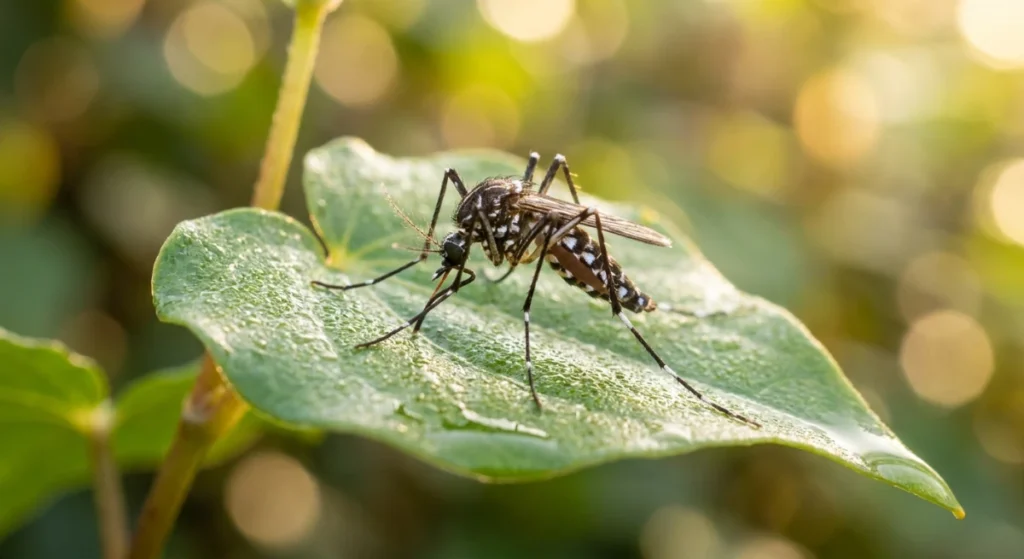
I have been under more Auckland houses and up in more roof cavities than I can count, and I can tell you firsthand that our weather patterns are shifting. Homeowners constantly ask me when is mosquito season in Auckland, expecting a simple, predictable answer. The truth is, our changing climate has thrown the old rulebook out the window.
Mild winters and sweltering, highly humid summers have created the perfect storm for urban pests across the region. We are no longer dealing with a short, predictable window of annoyance that vanishes as soon as the leaves drop. Instead of a brief summer spike, we are seeing prolonged breeding cycles that stretch well into autumn and start earlier every spring.
You might think a quick chemical spray from the local hardware store will solve the problem, but that is what I call the DIY cycle of despair. We focus on scientific, root-cause eradication to stop these biters before they even hatch. Let’s break down exactly what to expect this year and how to proactively protect your property.
Key Takeaways
The peak mosquito season in Auckland runs from November to March, with activity hitting its highest levels between December and February. However, increasingly mild winters are extending this breeding window. Effective control requires eliminating standing water in gutters and utilizing professional, root-cause exclusion methods before spring arrives.
The 2026 Auckland Pest Forecast
As we move through May 2026, the Auckland pest control industry is facing a massive, fundamental shift. We recently experienced an unprecedented autumn surge in urban pests, driven entirely by the unusually mild winter and hot summer of the previous year. This weather anomaly has directly impacted the mosquito population across the entire region.
The days of reactive, highly toxic spraying are over; the future is all about Predictive Integrated Pest Management (IPM). In fact, Auckland is gearing up to host the FAOPMA Pest Summit this July at the NZICC, focusing heavily on smarter, climate-resilient pest solutions. It is a timely event, given the immense pressure our local commercial and hospitality sectors are currently under.
With New Zealand’s hospitality turnover hitting record highs, commercial operators simply cannot afford to have patrons bitten on their dining patios. The Food Act 2014 enforces strict, zero-tolerance hygiene standards, meaning proactive mosquito management is legally essential. For residential homeowners, the forecast is equally demanding and requires a shift in how we maintain our properties.
If you are trying to figure out exactly when is mosquito season in Auckland for your specific suburb, you need to look closely at local microclimates. Areas with dense native bush or poorly draining clay soils are seeing mosquito activity persist almost year-round. Our Level 3 qualified technicians are already mapping out these high-risk zones to prepare for the upcoming spring.
How Mild Winters Extend the Breeding Window (Dec-Feb Peak)
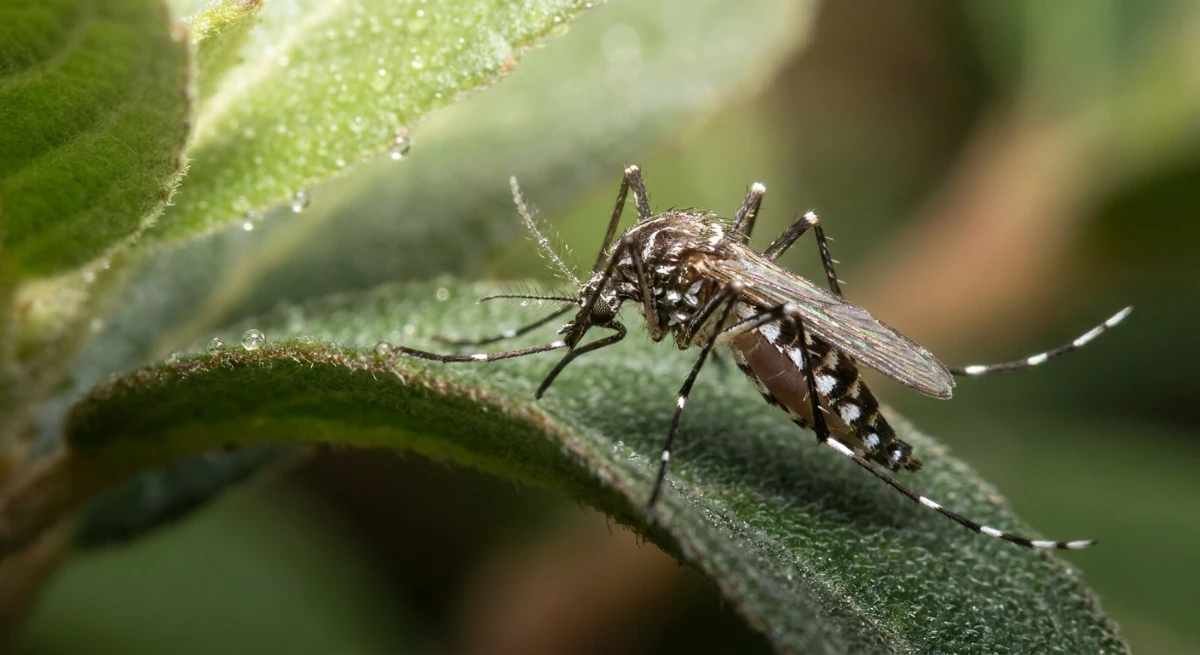
Historically, Auckland’s mosquito activity would drop to near zero by the time July rolled around. Today, our winter temperature baseline is creeping higher, allowing species like the native brown house mosquito and the introduced striped mosquito to survive in sheltered micro-habitats. When the baseline population survives the winter, the spring explosion happens much faster and with greater intensity.
This is exactly why understanding when is mosquito season in Auckland requires looking at the whole calendar, rather than just the summer holidays. The true peak hits hard between December and February, when the intense heat accelerates the mosquito lifecycle. During these months, they can go from egg to biting adult in just over a week.
If you have any stagnant water on your property during this peak window, you are essentially running a highly efficient mosquito factory. This rapid, aggressive breeding cycle is exactly why surface-level DIY sprays fail so miserably. By the time January arrives, the activity index hits its absolute maximum, resulting in a massive spike in emergency callouts.
To genuinely break this cycle, you have to intervene before the graph spikes upward. That means applying targeted, MPI-approved treatments to resting foliage in early November. We focus on structural entry-point exclusion and environmental modification so the pests never get a foothold in the first place.
Identifying High-Risk Periods in Your Suburb
Not all Auckland suburbs experience the mosquito season equally, as geography plays a massive role in how severe the local infestation will be. Suburbs nestled against the Waitākere Ranges or bordering the Hauraki Gulf face unique, intense environmental pressures. The dense vegetation in these areas traps humidity, creating a perfect microclimate for adult mosquitoes to rest during the heat of the day.
Furthermore, Auckland Council’s Regional Pest Management Plan (RPMP) enforces strict pathway management rules. This is especially critical for the Hauraki Gulf Controlled Area, where we have a collective responsibility to stop pests from moving. We must ensure we aren’t accidentally transporting invasive species to vulnerable islands like Waiheke, Kawau, or Aotea.
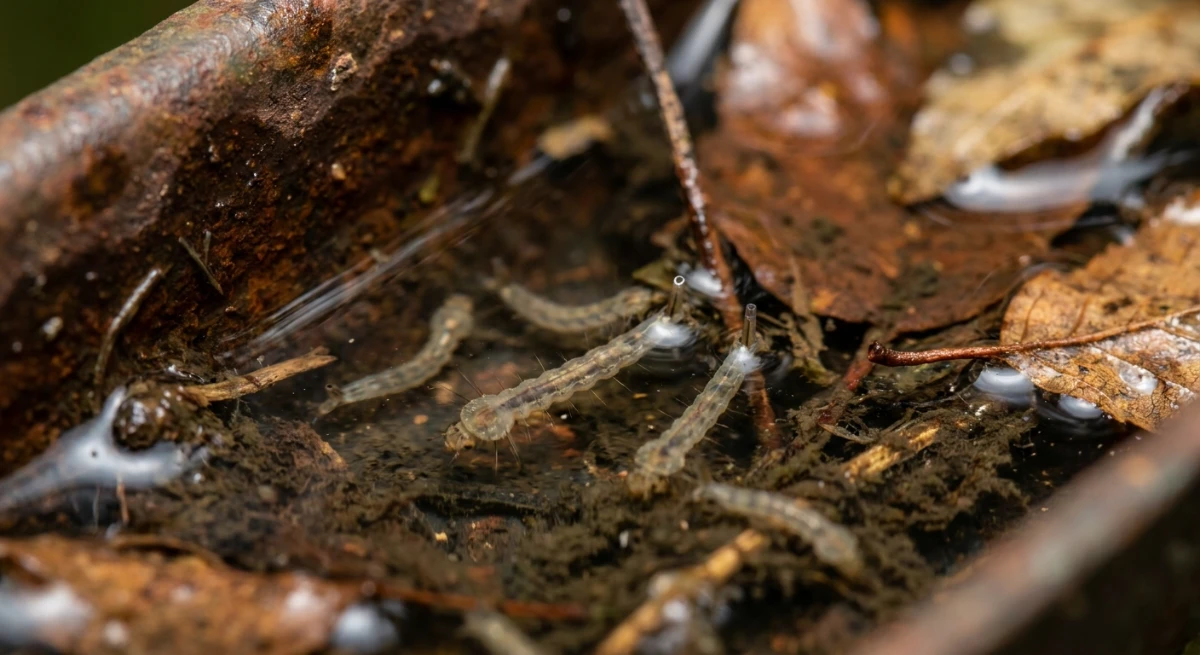
This means ensuring your boats, trailers, and outdoor gear are completely free of standing water and hitchhiking pests before you travel. A single puddle in a tarp can transport hundreds of larvae across the gulf. Our Level 3 technicians are trained to identify these hidden transport vectors during our comprehensive property assessments.
Post-Rainfall Stagnation and Humidity Spikes
The most critical trigger for a sudden mosquito population explosion is a heavy spring downpour followed immediately by a week of intense humidity. This specific weather pattern is incredibly common in Auckland from October onwards. Every blocked drain, discarded tire, and unemptied saucer beneath a potted plant instantly becomes a prime nursery.
Hardware store bug bombs only kill the flying adults present in the room at that exact moment. They do absolutely nothing to the hundreds of pupae waiting to hatch in your gutters tomorrow.
It only takes a few millimeters of stagnant water to support hundreds of wriggling larvae. Our approach is entirely different from the temporary fix of a bug bomb. We conduct a thorough entomological assessment of your property to locate and neutralize these hidden water sources.
By treating the root cause—the actual breeding sites—we collapse the local population before it has a chance to mature. This scientific, methodical approach is far safer, vastly more effective, and provides the long-lasting peace of mind that Auckland families deserve.
Proactive Steps to Take Before Spring (Sep-Nov)
If you want to actually enjoy your outdoor living areas this summer, the hard work needs to start in September. Waiting until you are actively being bitten in December means you are already losing the battle. Proactive pest management is about altering the physical environment so it can no longer support the pest.
This is the core philosophy behind our Integrated Pest Management (IPM) systems. Landlords and property managers need to pay special attention to this timeline. Under the Residential Tenancies Act, providing a safe, habitable environment is a strict legal requirement, and pest control disputes frequently end up in the Tenancy Tribunal.
Adult mosquitoes rest on the underside of broadleaf plants during the heat of the day. We apply a targeted, zero-emission barrier treatment to these specific areas, turning your garden’s foliage into a protective shield.
Disputes over who pays for pest control often arise when basic property maintenance is neglected by the owner. Clearing gutters and ensuring proper drainage is unequivocally a landlord’s responsibility. It serves as the absolute first line of defense against seasonal mosquitoes.
Gutter Cleaning and Drain Maintenance
Blocked gutters are the number one cause of localized mosquito infestations in Auckland residential areas. When leaves and debris dam up the water flow, it creates a shallow, nutrient-rich pool that is completely protected from natural predators. I have personally pulled handfuls of sludgy debris from roof cavities that were absolutely teeming with live larvae.
You must ensure your gutters are flowing freely before the heavy spring rains arrive. Beyond the roofline, you need to check your stormwater drains and French drains around the foundation. If water is pooling sluggishly around the grates, you have a structural issue that requires immediate attention.
Empty all plant saucers, flush out bird baths weekly, clear all leaf litter from gutters, and ensure rainwater tanks have intact, tight-fitting mesh screens.
We often advise our clients on minor landscaping adjustments to improve drainage and eliminate these hidden pools. It is a one-off effort that pays massive dividends for your property’s long-term pest resilience. Let’s look at how professional IPM compares to standard DIY methods when tackling these issues.
| Method | Effectiveness | Safety & Compliance | Long-Term Value |
|---|---|---|---|
| DIY Supermarket Sprays | Low (Kills only flying adults) | High risk of inhalation, toxic to pets if misused | Poor (Requires constant reapplication) |
| Citronella Candles | Very Low (Easily blown away by wind) | Safe, but poses a minor fire hazard | None (Zero impact on breeding cycle) |
| Professional IPM Strategy | High (Targets larvae and resting adults) | MPI-approved, applied by Level 3 certified technicians | Excellent (Breaks the breeding cycle for months) |
Subscribe to Our Predictive Pest Alerts
The absolute smartest way to handle pest control is to never let the infestation take hold in the first place. That is exactly why we developed the Auckland Winter Defense Pack. It is a proactive, intelligence-driven subscription model designed to keep your property protected year-round.
Instead of panic-calling us when the mosquitoes are already swarming your barbecue, we manage the environment quietly in the background. We use predictive data, local weather tracking, and our deep entomological knowledge to time our interventions perfectly. When the humidity spikes, our barrier treatments are already active.
Our technicians apply highly targeted, child- and pet-safe treatments that comply strictly with the HSNO Act 1996. You get absolute peace of mind, backed entirely by our Silver Bullet Guarantee. You don’t have to guess when is mosquito season in Auckland because we are monitoring it for you continuously.
For hospitality venues, our zero-emission treatments ensure your outdoor dining areas remain pest-free while strictly adhering to your Food Control Plan and MPI regulations.
Don’t let another beautiful Auckland summer be ruined by relentless biting insects. Knowing the seasonal timeline is only half the battle; taking decisive, professional action is what actually reclaims your backyard. Contact our locally owned, family-operated team today to schedule your comprehensive entomological property assessment.
Frequently Asked Questions

About the Author: Ronnie
Founder, Pest Control Auckland · Commercial & Residential Pest Expert · Certified Urban Pest Management Specialist
With years of hands-on experience navigating Auckland’s unique climate and strict biosecurity laws, Ronnie is the definitive expert to write about the Auckland Mosquito Season Guide. Having consulted for numerous commercial hospitality venues and residential properties across the region, he specializes in predictive Integrated Pest Management (IPM) and root-cause environmental exclusion.