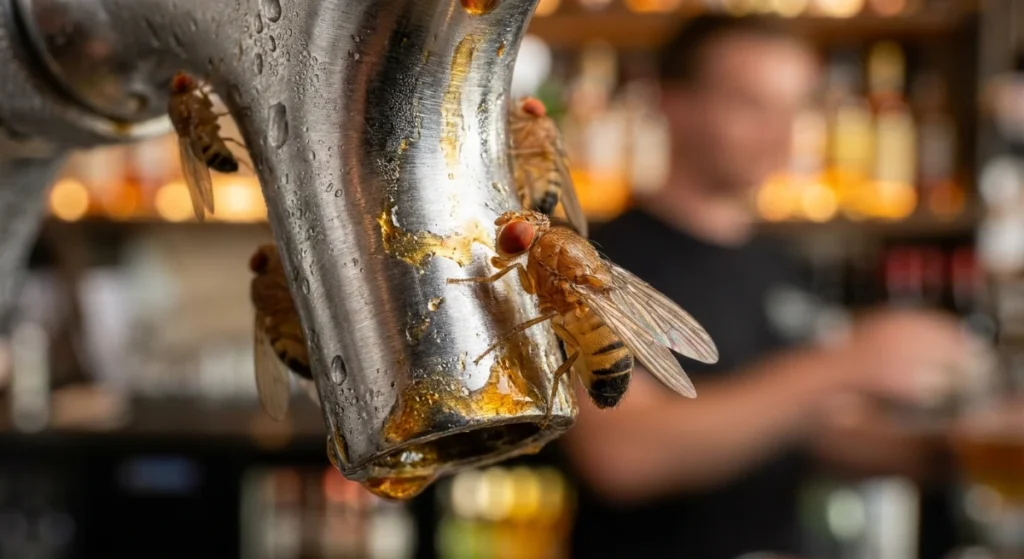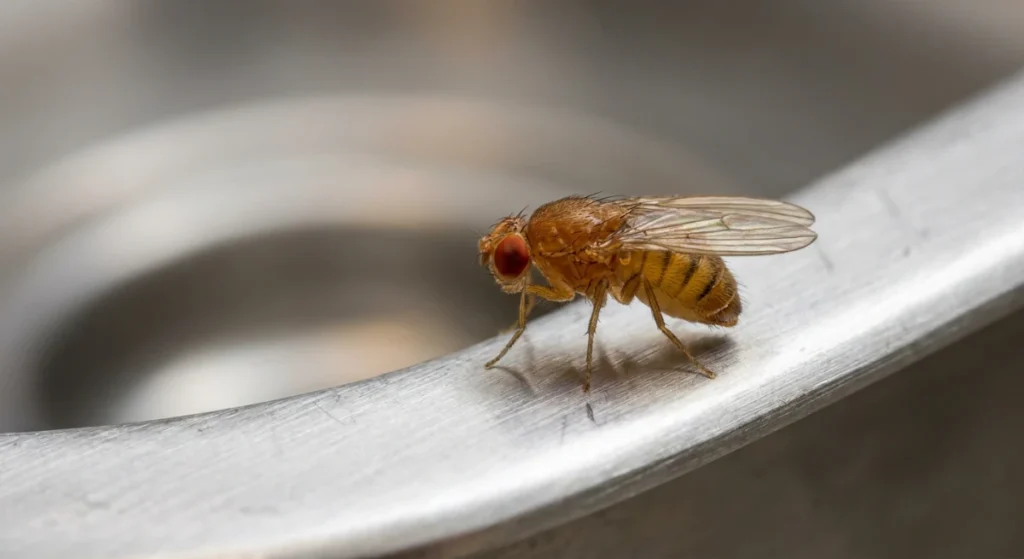
You walk into your commercial kitchen first thing in the morning, flip on the lights, and a cloud of tiny flies lifts off the bar drains. It is the last thing you want to see when you are running a hospitality business in Auckland. New Zealand’s hospitality sector hit a record $15.99 billion turnover in FY2025, and the competition is fierce. With that kind of money on the line, local operators simply cannot afford the reputational damage of an E-grade hygiene rating.
A few flies hovering over the beer taps might seem harmless at first glance. Do not be fooled by their size. Those stragglers are merely the visible symptom of a hidden, rapidly multiplying infestation deep inside your plumbing. Right now, following the massive autumn pest surge in May 2026, Auckland commercial kitchens are under unprecedented siege. The warm ambient temperatures inside your facility are actively bypassing the natural winter slowdown.
When health inspectors walk through your doors, they are not looking for excuses or DIY traps. They are looking for strict, documented compliance with the Food Act 2014. If you are relying on cheap hardware store sprays and hoping for the best, you are risking your entire livelihood. You need a permanent, scientific solution.
Key Takeaways
Successful fruit fly eradication in commercial kitchens requires destroying the breeding source, not just killing adult flies. To pass Auckland Council health inspections under the Food Act 2014, businesses must use enzymatic drain foaming and zero-emission treatments applied by a Level 3 certified technician.
The Spring Breeding Explosion in Auckland
Auckland’s humid, subtropical climate is a massive liability for commercial kitchens. We are currently experiencing an intense autumn pest surge, driven by the lingering heat of the previous summer. This creates a compounding effect that leads directly into a massive spring breeding explosion if left unchecked.
The Ministry for Primary Industries (MPI) is already on high alert regarding fruit flies. In March 2026, Biosecurity New Zealand expanded trapping zones in Papatoetoe after detecting the highly destructive Oriental fruit fly. While those exotic agricultural pests threaten our national borders, the common kitchen fruit fly (Drosophila melanogaster) threatens your business reputation daily.
A single female fruit fly can lay up to 500 eggs in her short lifetime. Within just eight to ten days, those microscopic eggs hatch, pupate, and become fully mature breeding adults. The lifecycle is relentless and exponential.
If you ignore a minor issue on a Friday night, you will walk into a full-scale infestation by next Monday morning. Your kitchen’s ambient heat acts as an incubator, accelerating their reproductive cycle entirely independent of the outside weather.
Why Fruit Flies Target Bar Drains and Kitchens
Fruit flies are biologically hardwired to seek out fermenting sugars and decaying organic matter. A busy Auckland bar or restaurant is basically a five-star resort for these persistent pests. Beer slop, wine spills, and sticky syrup residues wash down your sinks every single night.
Even if your staff rigorously wipe down the stainless steel benches, the real problem is happening completely out of sight. The corrugated pipes and grease traps located under your sinks catch microscopic food particles. This creates a constant, fermenting food source.
Standard hot water from your dishwasher simply cannot wash this organic buildup away. In fact, the hot water just adds ideal moisture and warmth to the environment, creating the perfect nursery for larvae.
Fruit flies do not just eat decaying matter; they walk through it. When they land on your clean prep surfaces, garnishes, or glassware, they transfer dangerous bacteria instantly, risking severe cross-contamination.
The Failure of DIY Apple Cider Vinegar Traps
Every hospitality manager has tried the old apple cider vinegar trick at least once. You pour some vinegar into a ramekin, add a drop of dish soap to break the surface tension, and wrap it in glad wrap with holes poked in the top. Sure, you will catch a few dozen adult flies this way.
But this method is fundamentally flawed for commercial operations. It is the exact definition of treating the symptom while completely ignoring the disease. The adults you drown in that vinegar have likely already laid hundreds of eggs deep inside your plumbing fixtures.
If you want genuine fruit fly eradication, you have to break the lifecycle at the source. Catching the flying adults does absolutely nothing to the larvae actively feeding in your drains. This is exactly why the DIY approach keeps restaurant owners frustrated and constantly battling the same issue week after week.
Furthermore, leaving cups of fermenting liquid around a commercial kitchen looks terrible to customers and auditors. It signals to a health inspector that you have an active infestation that you are failing to manage professionally.
Addressing the Root Cause: Biofilm in Drains
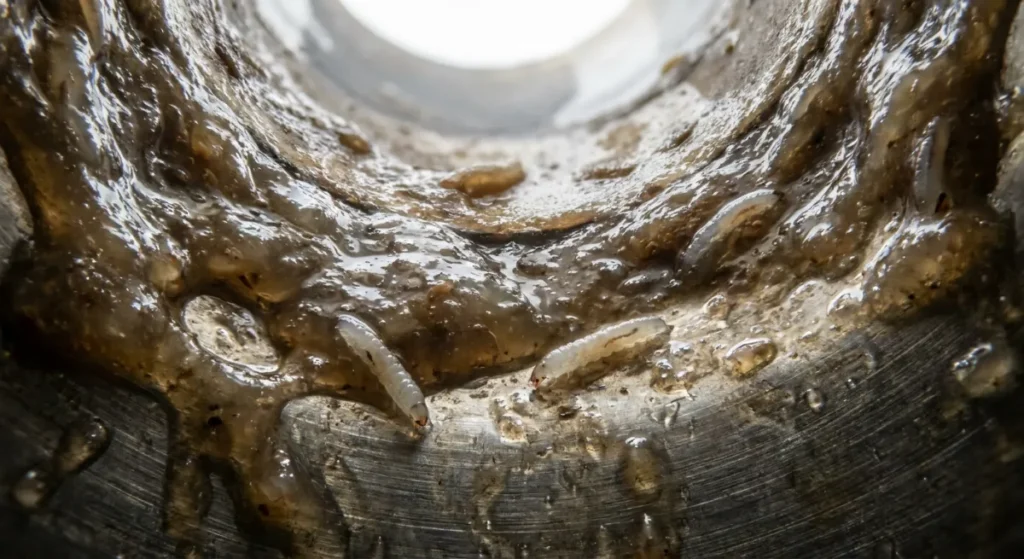
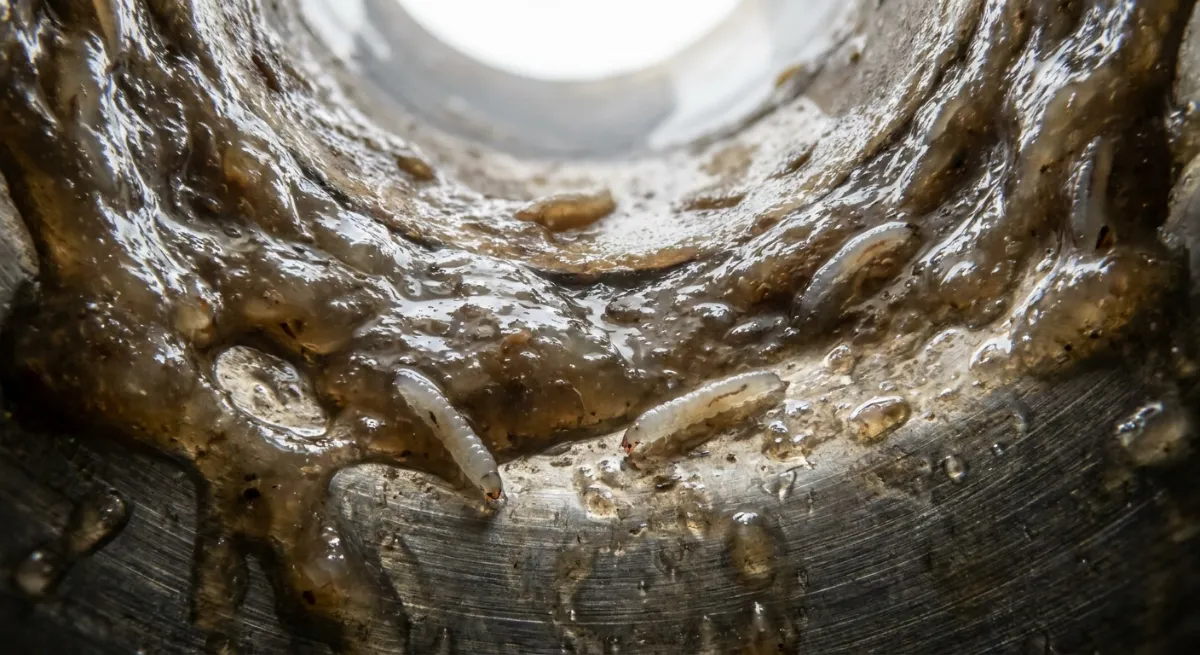
The true enemy in any commercial kitchen is biofilm. Biofilm is a thick, gelatinous layer of decomposing organic sludge that coats the inside of your drain pipes. It is highly resistant to standard chemical cleaners, bleach, and boiling water.
Fruit flies lay their eggs directly into this protective slime. The larvae then hatch and feed on the bacteria-rich sludge safely hidden from your nightly wipe-downs. Until you completely destroy this biofilm layer, your pest problem will keep regenerating.
Without targeting the biofilm, fruit fly eradication is physically impossible. The matrix of extracellular polymeric substances acts as a physical shield against typical chemical attacks, meaning standard cleaning protocols will always fall short.
Our Commercial-Grade Eradication Protocol
At Pest Control Auckland, we do not just spray and walk away. The era of toxic, reactive spraying is dead, a fact that will be heavily emphasized at the upcoming FAOPMA Pest Summit 2026 hosted right here at the NZICC. We use a Predictive Integrated Pest Management (IPM) approach.
Our technicians hold the New Zealand Certificate in Pest Operations (Level 3). We know exactly how to target the structural root cause of your infestation. We physically inspect your premises, identify the exact breeding grounds, and deploy targeted, zero-emission treatments.
We understand the mechanics of commercial kitchens better than anyone. We check the P-traps, the grease interceptors, the floor grates, and the condensation drip lines of your commercial refrigeration units. We leave no stone unturned.
We back our commercial protocols with our Silver Bullet Guarantee. We find the source, we eradicate the nest, and we ensure your kitchen remains compliant and operational without ongoing guesswork.
Enzymatic Drain Foaming and Deep Sanitisation
The cornerstone of our commercial fruit fly eradication strategy is professional enzymatic drain foaming. We inject a specialized, bio-active foam deep into your plumbing system. Unlike liquid bleach, which just runs past the problem, this thick foam expands to coat the entire circumference of the pipe.
The active enzymes literally digest the organic matter. They eat away the gelatinous biofilm, completely removing the food source and the breeding ground in one strike. Without the biofilm, the larvae starve, and the reproductive cycle collapses immediately.
This process is entirely safe for your plumbing infrastructure. It actually improves your drainage flow while simultaneously eliminating the pest threat. It is the most scientifically sound method available on the market today.
MPI-Compliant Interventions for Restaurants
Operating under the Food Act 2014 means you cannot just spray toxic chemicals around food preparation areas. The regulations are incredibly strict. Applying airborne pesticides near open ingredients or clean surfaces is a fast track to an immediate shutdown.
We utilize strictly non-toxic monitoring and targeted, MPI-approved treatments. Our interventions are zero-emission, meaning there is no risk of chemical drift contaminating your food stock. We document every single step of the process.
This documentation is critical for your next audit. When the Auckland Council health inspector arrives, you can hand over our comprehensive IPM report. It proves you are proactively managing your facility using a certified Level 3 UPM contractor.
Effective fruit fly eradication in Auckland means complying with the law while protecting your brand. We provide the exact paperwork the council demands, ensuring your business stays open and profitable.
| Treatment Method | Target Stage | Food Act 2014 Compliant | Long-Term Effectiveness |
|---|---|---|---|
| DIY Vinegar Traps | Adults Only | Yes (but ineffective) | Very Low |
| Hardware Store Bug Bombs | Airborne Adults | Strictly Prohibited in Kitchens | Low (Misses Biofilm) |
| Enzymatic Foam Protocol | Eggs, Larvae & Nest | Fully Compliant | Complete Eradication |
Rapid Response for Failing Health Inspections
If you have just been handed a warning by a health inspector, the clock is ticking. You do not have time to experiment with cheap fixes. An E-grade rating displayed in your window will instantly destroy customer trust and slash your revenue.
We provide discreet, rapid-response interventions for commercial businesses on the brink of failing compliance. Our team operates out of hours to ensure absolute zero disruption to your dinner service. We come in, neutralize the threat, and leave no trace behind.
Do not let a completely preventable pest issue shut your doors. Partner with a local, family-owned expert who understands the Auckland hospitality landscape inside and out. Trust our team for rapid fruit fly eradication before your next council audit.
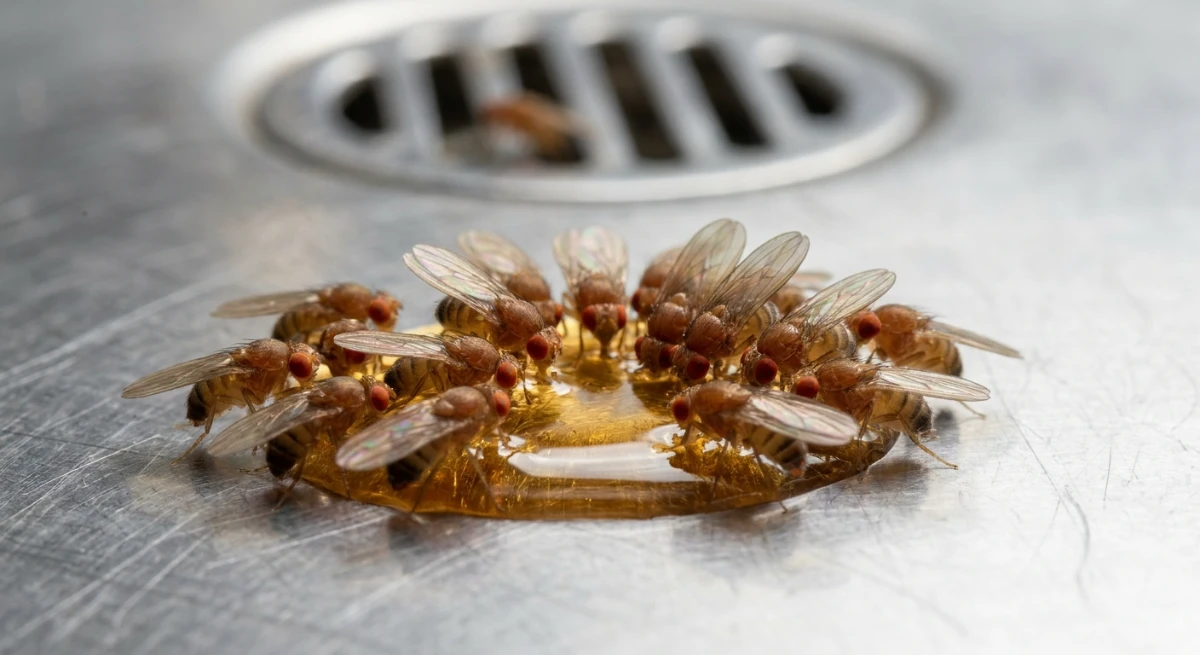
Pouring raw bleach down your drains will not kill fruit fly larvae. It simply hardens the outer layer of the biofilm, making the nest even more resilient to future treatments while severely corroding your expensive plumbing fixtures.
If you want to maintain a zero-tolerance hygiene standard, you need to implement daily preventative habits alongside our professional treatments. Eradication is a partnership between our technicians and your kitchen staff.
- Ensure all bar mats and beer drip trays are thoroughly scrubbed and dried at closing time.
- Store all organic waste in tightly sealed, heavy-duty bins located away from immediate prep areas.
- Fix any leaking pipes or dripping taps immediately, as standing water accelerates biofilm growth.
- Schedule regular enzymatic drain treatments with a certified pest control professional.
Fruit flies are weak fliers. While waiting for your professional treatment, placing a high-velocity fan directing air over your fresh produce will physically prevent them from landing and laying eggs.
Frequently Asked Questions

About the Author: Ronnie
Founder, Pest Control Auckland · Commercial & Residential Pest Expert · Certified Urban Pest Management Specialist
With years of experience in high-stakes commercial pest management, Ronnie is the definitive expert on fruit fly eradication. Having consulted for Auckland’s top hospitality venues to ensure strict Food Act 2014 compliance, he specializes in structural root-cause interventions and enzymatic drain sanitation.